In the world of international gastronomy, most chefs consider their dish “finished” the moment it leaves the pass. To change the seasoning at the table is often seen as a slight to the cook. However, in the vibrant world of Filipino culinary tradition, the exact opposite is true. A dish is merely a canvas, and the diner is the final artist.
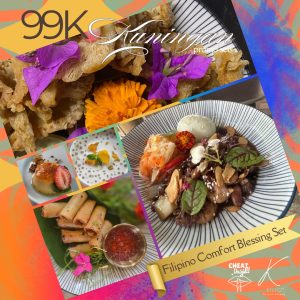
This participatory culture is defined by one word: Sawsawan. The Filipino dipping sauces at Kilig Bali.
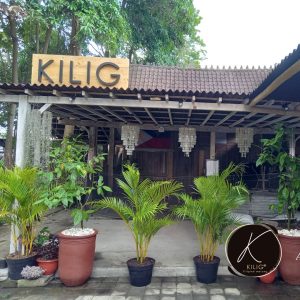
If you have visited Kilig Bali in Ubud, you may have noticed a small array of condiments on your table—bottles of dark liquid, golden vinegars, and perhaps a small saucer of bright red chilies. These are not afterthoughts. They are the essential tools of the Sawsawan at Kilig Bali, designed to help you customize your meal to your exact palate.
In this guide, we dive deep into the philosophy of the Filipino dipping sauce, explaining how to master this art to elevate your Filipino food in Ubud from a meal into a personalized masterpiece.
What is Sawsawan? The Philosophy of Participation
The word Sawsaw literally means “to dip.” But in a cultural context, Sawsawan represents the democratic nature of Filipino dining. Filipino cuisine is built on a complex balance of four primary pillars: Salty, Sour, Sweet, and Spicy.
Because everyone has a different tolerance for these flavors, Filipino cooking often leaves the final “balancing act” to the person eating the food. At Kilig Bali, we provide the base—the perfectly marinated Aussie Beef Tapa or the crispy Lumpia Shanghai—and the Sawsawan provides the “peak” of the flavor profile.
Why Sawsawan Matters at Kilig Bali:
- The Acid Cut: Many Filipino dishes are fried or rich (like Lechon or Sisig). The acidity in the dipping sauce cuts through the fat, refreshing your taste buds for the next bite.
- The Salt Profile: If you find a dish too mild, a dash of Patis (fish sauce) or soy sauce brings out the umami.
- The Heat Control: We keep our main dishes approachable for all tourists in Bali, but the Sawsawan allows spice-lovers to dial up the heat to their liking.
The Essential Components of the Kilig Bali Sauce Station
When you sit down for a meal at Kilig Bali, you are the “Chef of the Table.” Here are the primary liquids and aromatics you will use to create your Filipino dipping sauces:
1. Suka (Vinegar): The King of Sawsawan
Vinegar is the backbone of Filipino dipping culture. Unlike Western malt vinegar or balsamic, Filipino vinegar is usually derived from cane, coconut, or palm.
- At Kilig Bali: We often use “Spiced Vinegar” (Sukang Kurat style), which has been infused with garlic, ginger, onion, and peppercorns. It is sharp, refreshing, and deeply aromatic.
2. Toyo (Soy Sauce): The Umami Bomb
Filipino soy sauce is typically saltier and less “sweet” than Japanese shoyu or Indonesian Kecap Manis. It provides the dark, savory depth needed for fried meats.
3. Patis (Fish Sauce): The Secret Depth
If you want to eat like a true local, don’t be afraid of the Patis. It provides a salty, fermented funk that acts as a natural flavor enhancer. A single drop can transform a bowl of Sinigang or a side of steamed vegetables.
4. Calamansi: The Filipino Lime
The Calamansi is a small, incredibly potent citrus fruit. It is sourer than a lime but more aromatic than a lemon. Squeezing fresh Calamansi into your soy sauce is the fastest way to create a classic Filipino “Toyomansi” dip.
How to Mix Like a Pro: 3 Essential Pairings at Kilig Bali
If it’s your first time at a Filipino restaurant in Bali, mixing your own sauce can feel intimidating. Here are three “Starter Recipes” you can create right at your table using our condiments:
The “All-Rounder” (Toyomansi + Sili)
- Mix: 2 parts Soy Sauce + 1 part Calamansi Juice + 1 crushed Bird’s Eye Chili.
- Best For: Aussie Beef Tapa, Siomai, and Grilled Pork.
- Why it works: The saltiness of the soy and the acid of the lime create a bright “high note” that makes the beef pop.
The “Crispy Cutter” (Spiced Vinegar)
- Mix: Pure Spiced Vinegar + a pinch of salt + a slice of fresh onion.
- Best For: Lumpia Shanghai, Filipino Lechon Belly Roll, and Chicharon.
- Why it works: Rich, fatty, or fried foods need a “solvent” to clean the palate. The vinegar dissolves the richness on your tongue, making every bite of Lechon taste as fresh as the first.
The “Sisig Booster” (Toyo + Patis + Calamansi)
- Mix: Equal parts Soy Sauce and Fish Sauce + a heavy squeeze of Calamansi.
- Best For: Sisig or Grilled Seafood.
- Why it works: Sisig is already bold and smoky. This sauce adds a “wet” acidity and extra salt that stands up to the sizzling plate’s intensity.
Sawsawan Etiquette: The “Dos and Don’ts”
While the Sawsawan at Kilig Bali is all about freedom, there are a few tips to ensure the best experience:
- DON’T pour it all over the plate: Sawsawan is for dipping. Pouring the vinegar over your entire mound of garlic rice might make the rice too soggy. Keep the sauce in the small side saucer provided.
- DO crush the chilies: If you want heat, don’t just let the chili float in the sauce. Use your spoon to gently “pop” or crush the chili into the vinegar to release the capsaicin.
- DO taste the food first: Our chefs at Kilig Bali season every dish with care. Taste a piece of the meat on its own first, then decide what kind of “correction” it needs from the Sawsawan.
Why Sawsawan is Perfect for the Bali Palate
Bali has a rich tradition of Sambal, so travelers in Ubud are already accustomed to adding bold condiments to their meals. However, where Sambal is often thick, oily, and focused on heat, Filipino dipping sauces focus on “Linamnam” (deliciousness) and acidity.
For tourists who find the Bali humidity a bit draining, the sharp, vinegary kick of a Filipino breakfast at Kilig Bali can be incredibly revitalizing. It wakes up the senses in a way that heavier, creamier sauces cannot.
Frequently Asked Questions (FAQ)
Is Sawsawan always spicy?
Not at all. The beauty of the Sawsawan at Kilig Bali is that you control the heat. If you don’t like spice, simply leave out the chilies. Most Filipino sauces are actually more “sour-salty” than “hot.”
What if I’m not sure what to mix?
Just ask our friendly staff! At Kilig Bali, we love teaching guests how to “timpla” (mix/season) their sauces. We can even prepare a signature house blend for you if you’re feeling unsure.
Does every dish need a sauce?
While not strictly necessary, almost every Filipino dish is improved by one. Even a simple soup like Sinigang can be elevated by a side saucer of fish sauce and chili for dipping the pieces of meat.
Conclusion: Become a Master of Filipino dipping sauces at Kilig Bali
Mastering the Art of Sawsawan is the final step in becoming a true connoisseur of Filipino cuisine. It turns your meal at Kilig Bali into an interactive experience, allowing you to engage with the culture through your taste buds.
The next time you visit us in Ubud, don’t just look at those bottles on the table—use them. Mix, dip, and discover the perfect balance that makes your heart feel that “Kilig” moment.

Ready to start mixing? Book a table at Kilig Bali today and put this guide to the test with our signature Lumpia or Lechon. Your personalized flavor journey starts here.
Curious about the dishes that go best with these sauces? Read our guide on 5 Reasons Kilig Bali’s Breakfast is the Best Fuel for Your Ubud Adventure to build your perfect order.
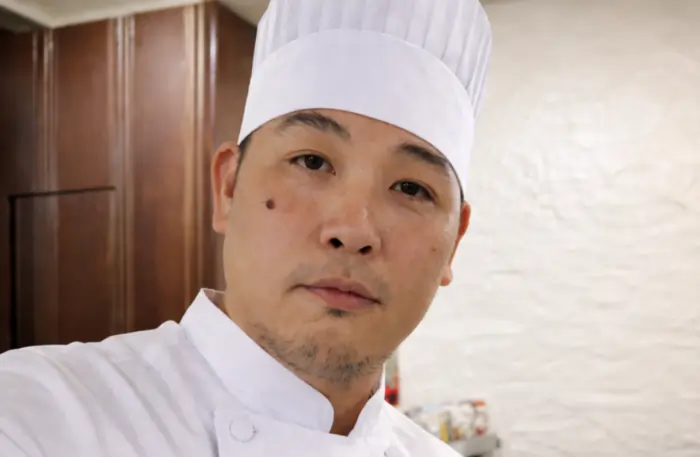
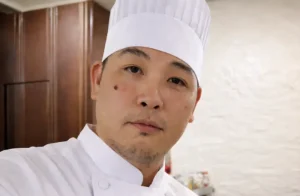
Chef Juan Gadi brings the heart of Filipino hospitality to Ubud, Bali. As an Executive Chef and consultant, he specializes in creating intimate, curated dining experiences that tell a story through every dish. Whether leading the kitchen at Kilig Filipino Warung or hosting a private villa dinner, Chef Juan’s approach is defined by warmth, modern technique, and a commitment to culinary excellence.