When you step into Kilig Bali, the first thing that greets you isn’t just the warm Filipino hospitality—it’s the intoxicating aroma of toasted garlic sizzling in a pan. That scent is the universal herald of the most important meal in Filipino culture: Silog.
If you’ve been browsing an Ubud food guide or looking for a unique Filipino restaurant in Bali, you’ve likely seen the word “Silog” appearing across our menu. But what is it exactly? Is it just a rice dish? A breakfast category? Or something deeper?
To understand what is Silog at Kilig Bali, you have to understand the pulse of Filipino daily life. It is the fuel of the working class, the comfort of the elite, and the ultimate cure for a long night out. In this guide, we go under the hood of this iconic meal to explain why it is the beating heart of our kitchen in Ubud.
The Linguistic DNA: Breaking Down the Word “Silog”
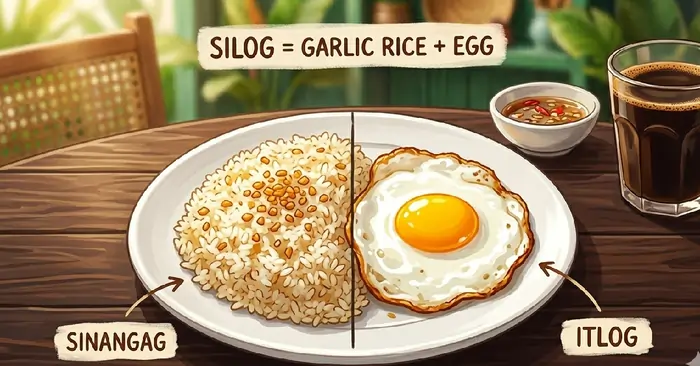
In the Philippines, we love a good portmanteau—a word made by joining two others. “Silog” is the perfect example of this linguistic efficiency. It is derived from the two non-negotiable pillars of the plate:
- SI-nangag: This refers to garlic fried rice. In a traditional Filipino household, nothing goes to waste. Sinangag was born from the practical need to use leftover steamed rice from the night before. By frying it with heaps of garlic and a pinch of salt, the rice is transformed into a fragrant, savory base.
- it-LOG: This is the Filipino word for egg. In the context of a Silog, the egg is almost always served “sunny-side up” (fried), though some diners prefer it scrambled.
Whenever you see a word ending in “-silog” on the Kilig Bali menu, it simply tells you what protein has been added to this powerful duo. For example:
- Tapa + Silog = Tapsilog (Cured Beef)
- Tocino + Silog = Tocilog (Sweet Cured Pork)
- Bangus + Silog = Bangsilog (Milkfish)
Why Silog is the “Soul Food” of the Philippines
To the uninitiated, it might look like a simple plate of meat, rice, and eggs. But for Filipinos, Silog is an emotional experience. It represents home. At Kilig Bali, we aim to recreate that specific feeling—the “Kilig” or rush of excitement—that comes when a steaming plate of garlic rice is set before you.
The Science of Satisfaction
There is a reason why Filipino breakfast at Kilig Bali is so popular with the active community in Ubud. It hits every major flavor profile and nutritional need:
- Carbohydrates: The Sinangag provides slow-burning energy from the rice.
- Protein: The egg and the accompanying meat provide the muscle-repairing fuel needed for a day of trekking Bali’s ridges.
- Umami & Aromatics: The toasted garlic provides a savory depth that makes the meal feel indulgent without being “fast food.”
The Three Pillars of a Kilig Bali Silog
We take our Silog very seriously. To provide an authentic Filipino food experience in Bali, we ensure that each of the three components on the plate is executed with precision.
1. The Sinangag (The Garlic Rice)
The rice is the soul of the dish. At Kilig Bali, we don’t just toss rice in a pan. We ensure the garlic is toasted until it reaches a perfect golden brown—crunchy but not bitter. The rice grains must be distinct and “loose,” coated in just enough oil to carry the garlic flavor without being greasy. This is the hallmark of a high-quality Filipino warung experience.
2. The Itlog (The Egg)
A proper Silog egg should have “crispy edges” (locally known as tustado). The whites should be fully set, but the yolk must remain liquid. Why? Because the yolk acts as a natural, creamy sauce for the garlic rice. When you break the yolk and let it seep into the Sinangag, you achieve a texture that no other breakfast can match.
3. The “Ulam” (The Main Feature)
This is where the variety happens. At Kilig Bali, we offer several types of “Ulam” (main protein) to complete your Silog:
- Beef Tapa: Our Aussie Beef Tapa is marinated to achieve a perfect balance of salty and sour. It’s the “Gold Standard” of Silogs.
- Pork Tocino: Rica’s Tocino offers a sweet, caramelized finish that is a massive hit with children and those with a sweet tooth.
- Longganisa: Filipino-style sausages that are often garlicky or sweet.
What is Silog Beyond Breakfast: The All-Day Staple
One common misconception for tourists in Ubud is that Silog can only be eaten before 10:00 AM. In the Philippines, and certainly at Kilig Bali, Silog is an “anytime” meal.
- Brunch: It’s the ultimate brunch for those who find smoothie bowls a bit too light.
- Lunch: A quick, high-energy meal that keeps you full until dinner.
- Post-Surf/Hike Recovery: After a long morning at the Tegallalang Rice Terrace or a surf session in Canggu, a Tapsilog is exactly what your body craves.
How to Enjoy Your First Silog at Kilig Bali
If you are new to Filipino cuisine explained through Silog, here is a step-by-step guide on how to eat it like a true Filipino:
- The Sawsawan (The Dip): Your Silog will likely come with a side of vinegar or a small saucer for mixing. Mix a little soy sauce with the spiced vinegar provided.
- The Egg Break: Use your spoon to break the runny yolk over the rice.
- The Perfect Bite: Ensure every spoonful has a bit of the meat, a piece of the crispy egg white, and a generous heap of the garlic rice.
- The Contrast: Dip a piece of the meat (like the Tapa or Tocino) into the vinegar before eating it with the rice. The acidity of the vinegar cuts through the richness of the fried components perfectly.
Silog Culture vs. The World
How does the Kilig Bali breakfast compare to other global breakfast staples?
| Meal | Components | Vibe |
| Silog (Filipino) | Garlic Rice, Egg, Cured Meat | Savory, hearty, garlicky, and deeply filling. |
| Nasi Goreng (Indonesian) | Stir-fried rice with spices, Egg, Cracker | Spicy, sweet (kecap manis), and aromatic. |
| Full English | Toast, Beans, Sausage, Tomato, Egg | Heavy, greasy-spoon comfort, mostly soft textures. |
| Continental | Croissant, Fruit, Coffee | Light, quick, and sugar-based energy. |
While we love the local Nasi Goreng, Silog offers a different kind of satisfaction—the heavy emphasis on garlic and the specific curing methods of the meats (Tapa/Tocino) provide a flavor profile you won’t find anywhere else in Ubud.
Why Kilig Bali is the Best Place to Try Silog in Ubud
Searching for where to eat Filipino food in Ubud can be a challenge, but Kilig Bali has dedicated itself to being the premier destination for this specific niche. We understand that Silog is more than a recipe; it’s about the ratio.
We ensure there is enough garlic to make the rice fragrant, enough vinegar to balance the salt, and enough heart in the cooking to make you feel the “Kilig.”
A Warm Warung Experience
Our setting in Ubud mirrors the casual, welcoming vibe of a Filipino carinderia or warung. It’s a place where you can come as you are—whether you’re a tourist with a backpack or a local expat looking for a familiar taste.
Frequently Asked Questions (FAQ)
Is Silog healthy?
Silog is a balanced meal containing protein, fats, and carbohydrates. At Kilig Bali, we use high-quality oils and fresh ingredients to ensure that while the meal is indulgent, it’s also wholesome. For a lighter version, you can always opt for the Bangsilog (Fish) or ask for a side of fresh tomatoes.
Can I get Silog without meat?
Yes! While “Silog” traditionally implies meat, you can enjoy our Mushroom Tofu Adobo alongside garlic rice and an egg for a vegetarian-friendly version of the Filipino breakfast experience.
Why is it served with vinegar?
In the Philippines, vinegar (especially Sukang Maasim or Sukang Paombong) is used to balance fried foods. The “sour” note makes the “savory” notes pop, preventing the palate from becoming overwhelmed by the fried elements.
Conclusion: Discover Your New Favorite Breakfast
The next time someone asks you, “What is Silog?”, you can tell them it’s the most comforting, garlicky, and satisfying meal in the Philippines—and that they can find the best version of it right here in Ubud.
Whether you are starting your day or looking for a mid-afternoon pick-me-up, Kilig Bali is ready to serve you a plate that is steeped in history and cooked with love. Come for curiosity, stay for the garlic rice, and leave with that unmistakable feeling of Kilig.
Ready to try the heart of the Philippines?
Visit us at Kilig Bali today and order our signature Tapsilog. Your taste buds will thank you.
Enjoyed learning about Silog? You might also like our guide on The Ultimate Guide to Filipino Breakfast at Kilig Bali: Silog Culture Explained
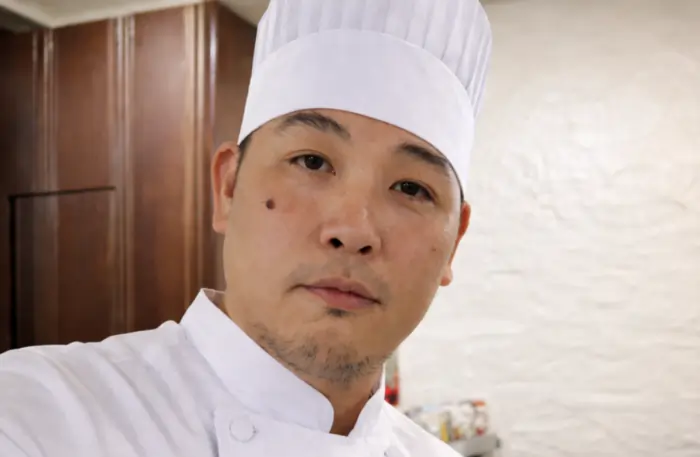
Chef Juan Gadi brings the heart of Filipino hospitality to Ubud, Bali. As an Executive Chef and consultant, he specializes in creating intimate, curated dining experiences that tell a story through every dish. Whether leading the kitchen at Kilig Filipino Warung or hosting a private villa dinner, Chef Juan’s approach is defined by warmth, modern technique, and a commitment to culinary excellence.