
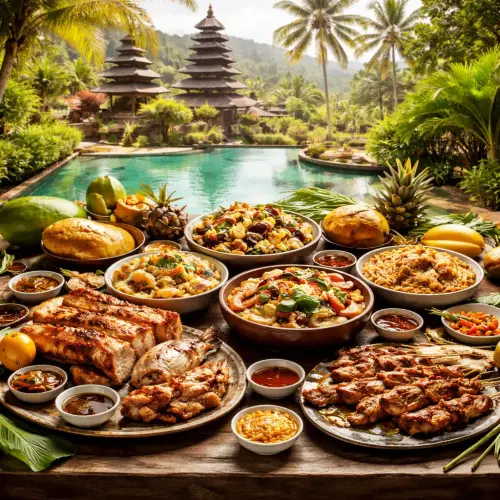
Filipino Meals That Celebrate Rich Heritage for Bali Key Takeaways
Filipino cuisine is a vibrant tapestry of indigenous, Malay, Spanish, and Chinese influences, and these 15 Filipino meals that celebrate rich heritage for Bali offer a taste of home for OFWs and a discovery for curious travelers.
- Discover how Filipino Meals That Celebrate Rich Heritage for Bali mirror Balinese use of coconut, ginger, and grill techniques.
- Learn which iconic Filipino home-style dishes double as comfort foods for tropical living in places like Seminyak and Ubud.
- Understand how migration influence Filipino food identity keeps heritage alive even when cooked abroad.
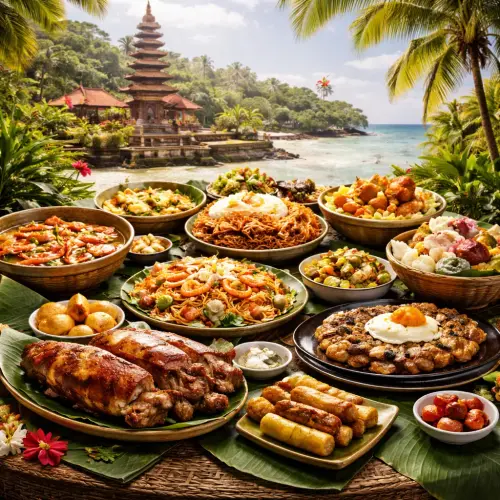
What Readers Should Know About Filipino Meals That Celebrate Rich Heritage for Bali
Bali has long been a melting pot for global travelers, and Filipino cuisine is finding its own space in this tropical paradise. From humble street-side warungs to upscale fusion restaurants, the shared love for bold flavors, fresh herbs, and communal eating makes Filipino meals that celebrate rich heritage for Bali a natural conversation starter. This article walks you through 15 benchmark dishes, each one carrying centuries of history and family tradition. You can also browse more posts in filipino-culture.
Criteria for Selecting These Heritage Dishes
Every dish included here meets three standards: it has a documented role in Filipino culinary history, it uses ingredients commonly available in Bali (tamarind, coconut, banana leaves, seafood), and it resonates emotionally with Filipinos living or traveling in Indonesia. These are not random favorites—they are the pillars of Filipino heritage foods that tell a story of migration, adaptation, and shared island life.
1. Adobo: The National Dish of the Philippines
Filipino meals that celebrate rich heritage for Bali must start with adobo. This vinegar-and-soy braised meat dish is the most recognized traditional Filipino meals cultural heritage item. Its sour-savory profile is remarkably similar to Balinese be siap mesanten, which uses turmeric and coconut milk.
Why Adobo Works in Bali
Adobo keeps well without refrigeration—perfect for tropical heat. Many OFWs in Bali cook a big batch and share it with local friends. The technique of slow-cooking in vinegar mirrors how Balinese cooks use cuka aren (palm vinegar) for preservation.
Cultural Significance
Every Filipino family has a secret adobo recipe. It is the ultimate comfort food that reminds overseas Filipinos of Sunday lunches. Filipino dishes family traditions are often passed down through this single dish, with each province adding its own twist—coconut cream in Bicol, turmeric in the south. For a related guide, see 10 Pinoy Food Traditions That Shine in Bali 2026.
2. Sinigang: The Sour Soup That Cools the Tropics
Sinigang is a tamarind-based soup with pork, shrimp, or fish, loaded with vegetables like kangkong and radish. This is one of the most iconic Filipino home-style dishes, and its sourness is a perfect match for Bali’s humid climate. Locals in Bali use asam jawa (tamarind) almost identically.
Parallels with Balinese Sayur Asam
Balinese sayur asam is a tamarind vegetable soup with corn and peanuts. The kinship is unmistakable. This is why similarities Filipino Balinese cuisine become obvious when dining together. Both soups are served with rice and a side of fried fish or sambal.
Comfort in a Bowl
Filipino comfort foods tropical living include sinigang because its acidity stimulates appetite in hot weather. Many Filipino restaurants in Bali menu it as a “sour soup special” for homesick diners.
3. Lechon: The Ultimate Celebratory Dish
Lechon is whole roasted pig with crispy skin and tender meat, a centerpiece at fiestas and family reunions. It is arguably the most famous Filipino heritage foods item. Bali has its own babi guling, a spit-roasted pig stuffed with turmeric, galangal, and chili. The two dishes are cousins in the pig-roasting tradition of Southeast Asia.
How Lechon Connects Cultures
When Filipinos in Bali celebrate milestones, they often order a whole lechon from specialty caterers. Balinese babi guling is so popular that it can be found in almost every village. Travelers who try both say the main difference is the stuffing: Filipino lechon uses lemongrass and tamarind, while Balinese adds more turmeric.
Why It Matters for Travelers
Filipino cuisine popular in Bali is partly due to lechon. It is a conversation starter. Many food bloggers in Ubud have compared these two roasting techniques in viral videos.
4. Kare-Kare: Oxtail Stew with Peanut Sauce
Kare-kare is a rich oxtail and tripe stew thickened with ground peanuts and annatto seeds. This is a staple at many Filipino meals for sharing. The creamy, savory sauce with bagoong (fermented shrimp paste) on the side makes it a favorite for group dinners.
Tropical Ingredient Swap
In Bali, Filipino cooks substitute local peanuts from Lombok and use Balinese shrimp paste (terasi) which is naturally sun-dried and more pungent. This adaptation is a perfect example of how Filipino dishes cooked abroad evolve while keeping their soul.
Cultural Layer
Kare-kere reflects the Chinese influence on Filipino food through the use of peanut-based sauces, similar to satay. Filipino cuisine history culture is layered with such exchanges, making kare-kere a living document of trade routes.
5. Chicken Inasal: Grilled Chicken with Annatto Oil
Inasal is a Visayan-style grilled chicken marinated in vinegar, calamansi, lemongrass, annatto oil, and ginger. This is one of the best Filipino comfort foods tropical living because grilling is a daily ritual in island climates.
Balinese Grilling Kinship
Bali lives on ayam betutu and sate lilit, both grilled over coconut husks. The inasal approach—basting with oil and vinegar—produces a char that Balinese cooks immediately recognize. Filipino dishes Balinese food culture converge beautifully here.
Migration and Identity
Many OFWs in Bali say inasal reminds them of weekend barbecues at home. Migration influence Filipino food identity is felt every time they light a charcoal grill in a Bali villa and the smell of burning lemongrass fills the air.
6. Bicol Express: Spicy Coconut Pork Stew
Bicol Express is a fiery pork dish cooked in coconut milk with plenty of chili and shrimp paste. This dish is a hero of filippino meals family traditions in the Bicol region. The coconut base makes it immediately familiar to Balinese palates, who use santan (coconut cream) in almost every curry.
Why Bali Loves It
Bali’s typical lawar and gulai also rely on coconut milk and chilies. The heat level in Bicol Express, when made authentically, matches the sambal culture of Bali. Filipino meals that celebrate rich heritage for Bali often include this dish because it bridges the two cuisines seamlessly.
Historical Roots
The dish got its name from a train route between Manila and Bicol, a story that fascinates Balinese foodies. It is one of the oldest Filipino recipes still enjoyed today, with recorded references from the early 1900s.
7. Chicken Arroz Caldo: Ginger Rice Porridge
Arroz caldo is a Filipino-style congee made with glutinous rice, ginger, chicken, and fish sauce, topped with dried garlic and calamansi. It is the ultimate Filipino comfort foods tropical living remedy for rainy days and homesickness. In Bali, where ginger is abundant and affordable, this porridge is a go-to for many expat households.
Comparison with Bubur Bali
Balinese bubur injin is a sweet black rice porridge, but savory congee (bubur ayam) also exists. The Filipino version is distinguished by its heavy ginger punch and calamansi citrus. Similarities Filipino Balinese cuisine in rice-based porridge comfort food are often noted by culinary students.
Preserving Tradition Abroad
For OFWs, preparing arroz caldo in a Bali kitchen is a deliberate act of Filipino dishes family traditions. The aroma of ginger sautéed in garlic is a direct line to childhood memories.
8. Crispy Pata: Deep-Fried Pork Leg
Crispy pata is a whole pork leg boiled until tender, then deep-fried to golden perfection. Served with a soy-vinegar dipping sauce with chili, it is a table-smashing dish for Filipino meals for sharing.
Bali’s Pork Culture
While babi guling is roasted, crispy pata uses the same respect for pork skin but in a fried form. Restaurants in Bali serving Filipino food feature crispy pata as a unique alternative to local pork dishes. Filipino cuisine popular in Bali benefits from this overlap.
Nostalgia Factor
For overseas Filipinos, the sound of cracking pork skin at a party is synonymous with celebration. Filipino meals nostalgic OFW experiences are filled with this dish. It reminds them of birthdays, reunions, and fiestas in hometowns like Cebu or Pampanga.
9. Pancit Palabok: Rice Noodles in Shrimp Sauce
Pancit palabok is a festive noodle dish covered in a rich shrimp gravy, topped with crushed chicharon, fried white fish, eggs, and scallions. Noodles symbolize long life in Filipino culture, making this a Filipino heritage foods staple for birthdays.
Noodles in Bali
Balinese mie goreng is ubiquitous, but pancit palabok offers a different texture and flavor profile: it is wet, savory, and briny from the shrimp. Filipino dishes Balinese food culture enthusiasts love the contrast. Many local chefs in Bali have started adding it to fusion menus.
Why It Travels Well
The sauce base can be prepared in advance and stored, so Filipino dishes cooked abroad like palabok are practical for OFWs hosting gatherings. The toppings can be adapted with local fish, such as tuna flakes from Java.
10. Sisig: Sizzling Chopped Pork on a Hot Plate
Sisig originated from Pampanga, made from grilled pig face and ears, chopped and seasoned with calamansi, chili, and egg. It is served sizzling on a hot plate, often as a Filipino meals for sharing appetizer or pulutan (bar food).
Bali’s Love for Sizzling Dishes
Bali has a strong sizzling plate culture, especially for seafood. The theatrical presentation of sisig, with its hissing sound and rising steam, appeals to food bloggers and tourists. Filipino cuisine popular in Bali thanks to sisig’s Instagram appeal.
Cultural Story
Originally a breakfast dish, sisig evolved into a modern icon of Filipino resourcefulness. It exemplifies Filipino cuisine history culture—turning every part of the pig into delicious food. Filipino meals nostalgic OFW conversations often start with “I miss sisig.”
11. Laing: Dried Taro Leaves in Coconut Cream
Laing is a Bicolano dish of dried gabi (taro) leaves simmered in coconut cream with chilies and shrimp paste. The leaves are rolled and cooked until they become velvety soft. This is perhaps the most elegant traditional Filipino meals cultural heritage item on this list.
Ingredient Overlap with Bali
Balinese cuisine uses young taro leaves in sayur daun talas, often with coconut cream. The preparation method is almost identical. Filipino dishes Balinese food culture show deep root connections when you taste laing side by side with its Balinese counterpart.
Preservation Technique
Drying taro leaves was a pre-refrigeration preservation method. Oldest Filipino recipes like laing are still cooked today with the same technique, which involves layering dried leaves and coconut milk without stirring—a method that Balinese cooks also instinctively understand.
12. Fresh Lumpia: Filipino Spring Rolls
Fresh lumpia differs from its fried cousin by using a soft crepe-like wrapper filled with sautéed vegetables, shrimp, and ground pork, topped with a sweet garlic sauce and crushed peanuts. This is a Filipino comfort foods tropical living favorite because it is light, fresh, and filling.
Similarity to Balinese Lumpia
Balinese lumpia basah is a fresh spring roll filled with bean sprouts, egg, and sweet soy sauce. The two are nearly interchangeable. Similarities Filipino Balinese cuisine are so strong that many travelers mistake one for the other.
Why OFWs Love It
Fresh lumpia is a hands-on dish that families prepare together. Filipino dishes family traditions often include a lumpia party. In Bali, OFWs gather to roll lumpia, share stories, and pass down the technique to the next generation.
13. Halo-Halo: The Iconic Shaved Ice Dessert
Halo-halo is a layered dessert of shaved ice, sweetened beans, jackfruit, macapuno (coconut sport), leche flan, ube ice cream, and evaporated milk. It is the definitive Filipino heritage foods that cools you down in tropical heat. Bali’s abundance of coconut, jackfruit, and tropical fruits makes halo-halo easily replicable.
Balinese Dessert Parallels
Balinese es campur is a similar shaved ice dessert with colored jellies, coconut, and fruit. Halo-halo is richer due to the ube ice cream and leche flan, which are becoming more available in Bali through specialty grocers. Filipino cuisine popular in Bali often gets introduced through this visually striking dessert.
Nostalgia for OFWs
For many overseas Filipinos, halo-halo is the taste of carefree summer afternoons. Filipino meals nostalgic OFW experiences are incomplete without a tall glass of halo-halo, sometimes made with local ingredients like Balinese honey and vanilla.
14. Ube Halaya: Purple Yam Jam
Ube halaya is a sweet dessert made from purple yam, cooked with condensed milk and butter until thick and creamy. It is often used as a filling for pastries or eaten with ice cream. This is a powerful Filipino dishes family traditions carrier, as many families have secret ube recipes.
Growing Popularity in Bali
Purple yam is also grown in Indonesia, called ubi ungu. Balinese and Javanese use it in cakes and desserts. The deep violet color is a visual signature of Filipino cuisine. Filipino meals that celebrate rich heritage for Bali frequently feature ube halaya at food festivals.
Cultural Exchange
Filipino bakers in Bali have started offering ube cheesecake and ube donuts. Migration influence Filipino food identity can be seen in how these bakers adapt their grandmother’s ube halaya recipe into new forms while keeping the core flavor intact.
15. Puto Bumbong: Steamed Purple Rice Cakes
Puto bumbong is a traditional Christmas delicacy made from purple glutinous rice (a type of heirloom variety called pirurutong), steamed in bamboo tubes, and served with grated coconut and muscovado sugar. It is one of the oldest Filipino recipes still enjoyed today, with pre-colonial roots.
Bali’s Bamboo Cooking Traditions
Balinese cuisine also uses bamboo tubes for cooking, such as nasi liwet or bubur sumsum wrapped in banana leaves. The technique of steaming in bamboo is cross-cultural. Filipino dishes island lifestyle are connected through these ancient cooking methods.
Why It Feels at Home
For Filipino travelers in Bali, finding puto bumbong at a Christmas bazaar feels like a miracle. Filipino meals that celebrate rich heritage for Bali become emotional anchors that bridge distance. The dish represents hope, tradition, and the Filipino spirit of celebration no matter where you are.
Comparison Table: Filipino and Balinese Dish Parallels
| Filipino Dish | Balinese Equivalent | Shared Core Ingredient |
|---|---|---|
| Adobo | Be siap mesanten | Vinegar, turmeric |
| Sinigang | Sayur asam | Tamarind |
| Lechon | Babi guling | Whole pig roasting |
| Chicken Inasal | Ayam betutu | Grilling, lemongrass |
| Bicol Express | Gulai | Coconut milk |
| Laing | Sayur daun talas | Taro leaves, coconut |
| Halo-Halo | Es campur | Shaved ice, fruit |
How to Experience Filipino Meals That Celebrate Rich Heritage for Bali
If you are in Bali, you can find these dishes at dedicated Filipino restaurants in Kuta, Seminyak, and Ubud, as well as community pop-ups organized by OFW groups. Many Balinese chefs are also experimenting with Filipino meals that celebrate rich heritage for Bali in fusion formats, such as sisig tacos or adobo spring rolls. To truly appreciate the culture, cook one dish at home with local ingredients: use Bali’s abundant coconut, tropical herbs, and fresh seafood to recreate the flavors of home.
Practical Steps for Home Cooks
- Start with adobo: it requires only five ingredients and is forgiving for beginners.
- For sinigang, source tamarind paste from local Indonesian markets (look for asam jawa).
- Ube halaya can be made with ubi ungu found at morning markets in Bali.
- Use young grated coconut locally called kelapa muda for halo-halo.
Useful Resources
For further reading on Filipino cuisine and its connections to Southeast Asian food traditions, check these resources. The first is from the Philippine Consulate General in Bali, which regularly hosts food heritage events. The second is a comprehensive academic study on the shared cooking practices across the region.
- Philippine Consulate General in Bali – Cultural Events and Food Exchanges
- ResearchGate Study: Filipino Food Heritage and Southeast Asian Connections
Frequently Asked Questions About Filipino Meals That Celebrate Rich Heritage for Bali
What are traditional Filipino meals that represent cultural heritage?
Traditional Filipino meals that represent cultural heritage include adobo, sinigang, lechon, kare-kare, and bicol express. These dishes reflect pre-colonial indigenous cooking methods blended with Chinese, Spanish, and Malay influences, and they are still central to family gatherings and festivals across the Philippines.
How do Filipino dishes connect with Balinese food culture?
Both cuisines share tropical staples: coconut milk, tamarind, ginger, lemongrass, and grilling techniques. Dishes like sinigang and Balinese sayur asam both use tamarind as the base souring agent, while lechon and babi guling are whole pig roasts. This overlap makes Filipino food feel familiar to Balinese locals and tourists alike.
Which Filipino recipes are considered heritage foods?
Heritage Filipino recipes include puto bumbong (purple rice cakes), laing (taro leaves in coconut), kare-kare (peanut stew), and ube halaya (purple yam jam). These dishes have been passed down for generations and often use heirloom ingredients or pre-colonial cooking methods that are still practiced today.
Why are Filipino meals popular among travelers in Bali?
Filipino meals are popular among travelers in Bali because they share the same tropical flavor profiles—sour, spicy, coconut-based—that define Balinese cuisine. Additionally, many Filipino tourists and OFWs in Bali seek out familiar comfort foods, and the local availability of ingredients like pork, fresh fish, and tropical fruits makes Filipino cooking accessible.
What makes Filipino cuisine historically and culturally rich?
Filipino cuisine is historically rich due to centuries of trade and colonization: Malay settlers introduced coconut and bagoong; Chinese traders brought noodles and soy sauce; Spanish colonizers added stewing techniques; Americans influenced deep-frying. Each wave left a permanent mark, making the cuisine a living archive of cultural exchange.
How do Filipino dishes preserve family traditions?
Filipino dishes preserve family traditions through intergenerational cooking. Recipes for adobo, kare-kare, and ube halaya are rarely written down—they are taught by watching and cooking alongside elders. Special dishes are prepared only for holidays, creating strong memory associations. In Bali, OFWs pass these traditions to their children through shared meals.
Which Filipino comfort foods are best for tropical living?
Sinigang, chicken arroz caldo, fresh lumpia, and halo-halo are excellent for tropical living. Sinigang and arroz caldo are light yet satisfying, while halo-halo provides cooling relief. Fresh lumpia is a no-cook or low-cook option that makes use of abundant tropical vegetables.
What are the most iconic Filipino home-style dishes ?
The most iconic Filipino home-style dishes are adobo, sinigang, nilaga (beef stew), tortang talong (eggplant omelet), and daing na bangus (fried marinated milkfish). These are everyday meals that families cook without fuss, using simple pantry ingredients.
How similar are Filipino and Balinese cuisines?
They are very similar in their use of core ingredients—coconut, rice, tamarind, fish sauce, and chilies—and cooking techniques such as grilling, simmering in coconut milk, and whole pig roasting. The main differences are in specific spice blends and the prominence of vinegar-based dishes in the Philippines versus the heavier use of turmeric and galangal in Bali.
What Filipino meals are ideal for sharing in groups?
Kare-kare, crispy pata, sisig, pancit palabok, and lechon are ideal for sharing. These dishes are served family-style on large platters, designed to be passed around and eaten communally with rice. This sharing culture echoes the makan bersama tradition in Bali.
Which Filipino dishes are commonly cooked abroad?
Adobo, sinigang, pancit, and lumpia are the most commonly cooked abroad because their ingredients are widely available—soy sauce, vinegar, tamarind, and noodles exist in most countries. OFWs can make these dishes with local substitutes while preserving the original flavor profile.
How does migration influence Filipino food identity ?
Migration forces adaptation. When Filipinos move abroad, they substitute unavailable ingredients with local alternatives (e.g., using Indonesian shrimp paste in Bali instead of Philippine bagoong). This flexibility allows the cuisine to survive and evolve. The core identity remains intact, but new regional variations emerge, reflecting the migrant’s new home.
What are the oldest Filipino recipes still enjoyed today?
The oldest Filipino recipes still enjoyed today include sinigang (pre-colonial sour soup), laing (taro leaves in coconut), and puto bumbong (purple rice cake steamed in bamboo). These dishes predate Spanish colonization and use native ingredients and methods.
Why do Filipino meals feel nostalgic to overseas Filipinos?
Because food is directly tied to memory. The smell of garlic sautéed in pan, the sound of lechon crackling, or the sight of halo-halo layers can instantly transport an OFW back to their grandmother’s kitchen. These sensory triggers make meals powerful emotional anchors, especially when enjoyed in a foreign land like Bali.
What Filipino dishes fit island lifestyles?
Filipino dishes that fit island lifestyles include all seafood-based recipes (paksiw na isda, grilled marlin), dishes that use coconut milk (bicol express, laing), and simple grilled meats (inasal, lechon priti). They rely on fresh, local catch and tropical produce, which aligns perfectly with Bali’s coastal and agrarian culture.
Can I find authentic Filipino ingredients in Bali?
Yes. Major supermarkets in Seminyak and Denpasar stock Filipino brands, especially vinegar (Datu Puti), soy sauce (Silver Swan), and dried fish. Local wet markets offer fresh coconut, tamarind, and purple yam. For specialty items like ube halaya, there are Filipino sari-sari stores run by OFW communities.
What is the best Filipino dish for a first-time eater in Bali?
Filipino chicken inasal is a great gateway dish. It is grilled, slightly charred, and citrusy—flavor profiles that Balinese food lovers already enjoy. It is also easy to find or make with local chicken and basic marinade ingredients available in any Bali kitchen.
Are there Filipino restaurants in Bali?
Yes. There are several Filipino-run eateries in Kuta, Legian, and Ubud, as well as rotating pop-ups organized by the Filipino community. Notable spots include Kusina Filipina in Sanur and regular food bazaars at the Philippine Consulate. Check local Facebook groups for schedules.
How can I learn to cook Filipino food while in Bali?
Join a cooking class that focuses on Southeast Asian cuisine and request a Filipino menu. Alternatively, many OFW communities in Bali host weekend cooking workshops. Online resources like the “Filipino Cooking in Bali” Facebook group share tips on sourcing local substitutes.
Why should a Balinese chef add Filipino dishes to their menu?
Adding Filipino dishes like adobo or sisig attracts the growing Filipino tourist population in Bali and appeals to adventurous eaters looking for new flavors. The ingredient overlap means no major new sourcing is needed. It also positions the restaurant as a bridge between two rich culinary traditions.

Chef Juan Gadi brings the heart of Filipino hospitality to Ubud, Bali. As an Executive Chef and consultant, he specializes in creating intimate, curated dining experiences that tell a story through every dish. Whether leading the kitchen at Kilig Filipino Warung or hosting a private villa dinner, Chef Juan’s approach is defined by warmth, modern technique, and a commitment to culinary excellence.




