Pinoy Food Traditions That Shine in Bali Key Takeaways
Pinoy Food Traditions That Shine in Bali reveal how Filipino dining customs—from boodle fights to merienda—thrive among overseas communities and curious travelers in 2026.
- Pinoy Food Traditions That Shine in Bali include boodle fights, fiesta feasts, and family-style kamayan dining that attract locals and tourists alike.
- Filipino food traditions popular abroad succeed because they blend deep hospitality, communal eating, and flavors that feel both exotic and comforting.
- Understanding the cultural roots behind each tradition helps travelers and expats connect more meaningfully with Filipino food in Bali.
What Readers Should Know About Pinoy Food Traditions That Shine in Bali
Bali in 2026 is a whirlwind of flavors. Among the island’s bustling food scene, Pinoy Food Traditions That Shine in Bali stand out for their warmth and community spirit. Filipino food is more than adobo and lechon—it’s about how you eat, who you eat with, and the stories shared around the table.
For Filipino travelers in Bali, these traditions offer a taste of home. For international visitors, they provide a window into a culture where food is love, generosity is currency, and every meal becomes a celebration. Whether you’re dining at a beachside warung or attending a community potluck, Pinoy customs transform eating into an experience.
Why Filipino Food Traditions Are Popular Abroad
Filipino food traditions popular abroad thrive because they resonate with universal human values: connection, hospitality, and joy. The Filipino food culture unique in Bali attracts people who crave authentic, heartfelt dining. Unlike formal Western dining, Filipino meals are loud, messy, and full of laughter—exactly what travelers seek when they want to break bread with strangers who become friends.
The Emotional Appeal of Filipino Dining
Every dish carries a story. When a Balinese local tries sinigang for the first time, they taste the sour comfort that Filipinos grew up with. When a foreigner joins a boodle fight Filipino culture event, they experience the joy of eating with their hands alongside new friends. This emotional layer makes Filipino food unforgettable.
The Role of Filipino Hospitality in Dining Traditions
Filipino hospitality dining traditions are legendary. In Bali, Filipino hosts go out of their way to prepare extra food, invite strangers to their tables, and ensure no one leaves hungry. This habit of “pag-aalaga” (caring for others) turns meals into acts of kindness that resonate far beyond the plate.
The 10 Pinoy Food Traditions That Shine in Bali 2026
Here are the ten Pinoy Food Traditions That Shine in Bali that define the Filipino dining experience on the Island of the Gods this year.
1. Boodle Fight: A Feast of Togetherness
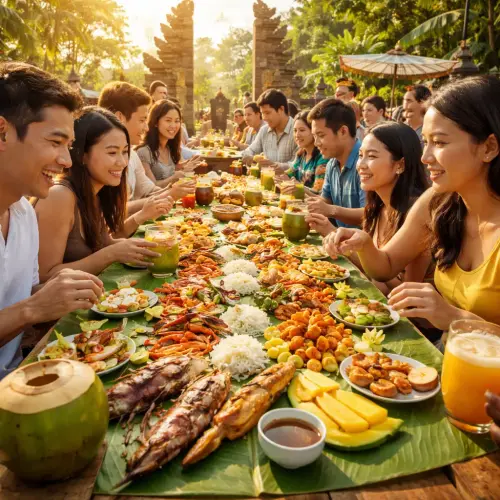
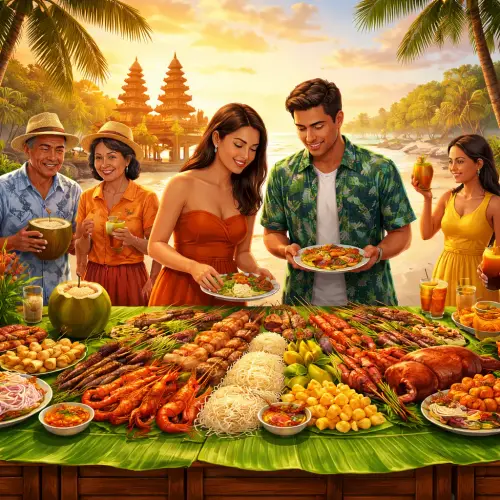
The boodle fight Filipino culture tradition originated in the Philippine military, where soldiers ate communally from banana leaves. Today, it has become a popular group dining experience. In Bali, restaurants and Filipino community events host boodle fights with heaps of grilled meat, fresh seafood, mango salsa, and garlic rice spread across a long table. Everyone eats with their hands, fostering a sense of equality and camaraderie.
2. Fiesta-Style Celebrations
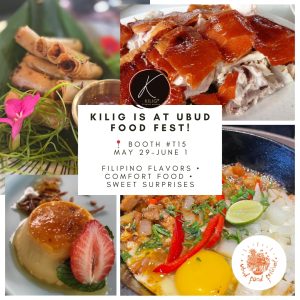
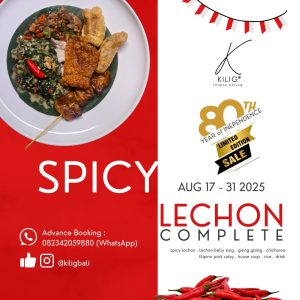
Traditional Filipino fiesta foods like lechon, pancit, lumpia, and bibingka take center stage during community gatherings in Bali. Local Filipino church groups and cultural organizations host fiestas that mirror the grand town celebrations back home. These events are open to everyone, allowing travelers to taste authentic Filipino family-style dining at its best.
3. Family-Style Kamayan
Filipino family-style dining means dishes are placed at the center of the table for sharing. In Bali, kamayan (hand-eating) dinners are a hit. Families and friends gather around a banana leaf-covered table, scooping rice and viands directly with their hands. This practice strengthens bonds because everyone eats from the same spread, symbolizing unity.
4. Merienda: The Afternoon Snack Ritual
Merienda Filipino culture is the cherished afternoon snack break. It’s not just about eating—it’s about pausing the day to connect. In Bali, Filipinos recreate merienda with pandesal, ensaymada, or turon paired with coffee or chocolate drink. Cafés in Seminyak and Ubud now offer Filipino merienda sets, introducing this tradition to a global audience.
5. Street Food Adventures
Filipino street food traditions like fish balls, kwek-kwek (deep-fried quail eggs), and isaw (grilled chicken intestines) have found a second home in Bali. Pop-up stalls at night markets and food bazaars cater to homesick Filipinos and curious tourists. The experience of dipping spicy vinegar sauce while walking along a Bali street market is pure nostalgia.
6. Karaoke and Food Nights
No Filipino gathering is complete without karaoke and food. In Bali, this tradition shines during weekend get-togethers where families rent villas and set up a videoke machine. How Filipinos celebrate with food in Bali often includes singing between bites of adobo and pancit. The combination of music and shared meals creates an electric, joyful atmosphere.
7. Balikbayan Box Feasts
How overseas Filipinos preserve food traditions is beautifully illustrated by the balikbayan box—a shipment of Filipino goodies sent from abroad or brought when visiting. In Bali, these care packages become the centerpiece of reunion dinners. Sharing canned corned beef, dried mangoes, and chocolates from the Philippines sparks conversations about home and heritage.
8. Patis and Sukang Sawing: DIY Flavor Stations
Filipino dining culture values customization. At many Filipino restaurants in Bali, diners find small bowls of patis (fish sauce) with calamansi and sukang sawing (spiced vinegar) on the table. This practice reflects how Filipinos value shared meals—everyone adjusts the flavors to their liking while still eating from the same dishes.
9. Holy Week and Noche Buena Traditions
Religious and holiday food traditions are alive in Bali. During Holy Week, Filipino families prepare binignit (coconut milk dessert) and paksiw na isda (fish in vinegar). For Noche Buena (Christmas Eve feast), they gather after midnight mass to share queso de bola, hamon, and bibingka. These moments show how food strengthens Filipino family connections across borders.
10. Hospitality-Centered Potlucks
Filipino hospitality dining traditions shine brightest during potluck gatherings. In Bali, Filipino expats often host “salu-salo” where everyone brings a dish. But unlike other potluck cultures, Filipino hosts insist on preparing the main dishes and refuse to let guests leave empty-handed. This “kawang-gawa” (generosity) turns simple dinners into lasting memories.
Why Shared Meals Matter in Filipino Culture
How do Filipinos celebrate with food in Bali goes beyond eating. Every meal is an opportunity to strengthen relationships. Why family-style dining is important in Filipino traditions lies in the concept of “pakikisama” (getting along). When you share food, you share life. This value creates a dining culture that is inclusive, warm, and deeply human.
What Filipino Food Customs Bring People Together
Customs like “tawad” (bargaining at markets) and “mano” (blessing elders before meals) build community. In Bali, these practices continue. Elders are served first, children are helped, and everyone is encouraged to eat until they are full. What Filipino food customs bring people together most are the small gestures—offering the best piece of meat, insisting seconds, and cleaning up together.
Comparison Table: Pinoy Food Traditions in Bali vs. Philippines
| Tradition | In the Philippines | In Bali (2026) |
|---|---|---|
| Boodle Fight | Military-style communal eating | Tourist-friendly beach events |
| Merienda | Afternoon snack at home or sari-sari store | Café merienda sets in Seminyak |
| Fiesta | Town feast with whole lechon | Community gathering in rented venue |
| Street Food | Night market pushcarts | Bali food bazaar pop-ups |
| Kamayan | Hand-eating provincial style | Ubud organic farm dinners |
How Overseas Filipinos Preserve Food Traditions in Bali
How overseas Filipinos preserve food traditions involves intentional effort. In Bali, Filipino moms teach their children to cook traditional dishes. Social media groups organize cooking workshops. Restaurants source ingredients like ube (purple yam) and pandan from suppliers who import them from the Philippines. This active preservation ensures that the Filipino food culture unique in Bali continues to thrive for future generations.
Useful Resources
For more insights into Filipino culinary heritage, visit Food52, which features essays on global food traditions. For authentic Filipino recipes and cultural explanations, check Kawaling Pinoy, a trusted blog by a Filipino home cook.
Frequently Asked Questions About Pinoy Food Traditions That Shine in Bali
What are the top Pinoy food traditions in Bali for 2026?
The top traditions include boodle fights, fiesta-style feasts, kamayan dining, merienda, street food adventures, karaoke food nights, balikbayan box gatherings, DIY flavor stations, holiday feasts, and hospitality-centered potlucks.
Why are Filipino food traditions popular abroad ?
They are popular because they emphasize community, generosity, and emotional connection through food. The warmth of Filipino hospitality and the unique flavors of dishes like adobo and lechon create memorable experiences for international audiences.
What is a boodle fight in Filipino culture?
A boodle fight is a communal dining tradition where food is spread on banana leaves and people eat with their hands. It originated in the Philippine military and symbolizes equality, camaraderie, and shared enjoyment.
How do Filipinos celebrate with food in Bali?
Filipinos in Bali celebrate through community potlucks, fiesta events at churches or rented venues, kamayan dinners, and karaoke nights. They often prepare traditional dishes and invite neighbors and tourists to join.
Why is family-style dining important in Filipino traditions?
Family-style dining reinforces the value of pakikisama (harmony and togetherness). Sharing food from common plates encourages conversation, generosity, and a sense of belonging among family and friends.
What Filipino food customs bring people together?
Customs like boodle fights, kamayan, potluck salu-salo, and holiday feasts bring people together. The practice of offering food to guests and insisting they eat more also strengthens social bonds.
How does merienda reflect Filipino culture?
Merienda reflects the Filipino love for small, frequent meals and moments of connection. It is a time to pause, share stories, and enjoy simple snacks like pandesal or turon with loved ones.
What are traditional Filipino fiesta foods ?
Traditional fiesta foods include lechon (roasted pig), pancit (noodles for long life), lumpia (spring rolls), bibingka (rice cake), and various stews like kaldereta and mechado.
Why do Filipinos value shared meals?
Shared meals symbolize unity, love, and generosity. From daily family dinners to grand fiestas, eating together is seen as an act of nurturing relationships and building community.
How does Filipino hospitality influence dining traditions?
Filipino hospitality ensures that guests are always offered food, often the best portions. Hosts go out of their way to prepare extra dishes and insist that visitors eat until satisfied, creating a welcoming atmosphere.
What street food traditions are common among Filipinos?
Common street foods include fish balls, kwek-kwek (quail eggs), isaw (grilled chicken intestines), balut (fertilized egg), and banana cue. These are often served with sweet or spicy dipping sauces.
Why are Filipino gatherings centered around food?
Food is the centerpiece of Filipino social life. It signals hospitality, celebration, and care. No gathering is complete without a feast, whether it’s a casual visit or a major holiday.
How do overseas Filipinos preserve food traditions?
They preserve traditions by cooking family recipes, hosting cultural events, teaching younger generations, and seeking authentic ingredients. Social media and community groups also help keep traditions alive abroad.
What makes Filipino food culture unique in Bali ?
Its uniqueness lies in the combination of communal eating practices, strong hospitality, and the ability to adapt traditional dishes using local Balinese ingredients, creating a fusion that feels both authentic and novel.
How does food strengthen Filipino family connections?
Food creates shared memories and rituals. Cooking together, passing down recipes, and gathering for meals reinforce family bonds, especially for overseas Filipinos who use food to stay connected to their roots.
What is kamayan dining?
Kamayan is eating with your hands directly from banana leaves. It is a sensory experience that emphasizes connection to food and to fellow diners, popular in both traditional homes and modern Bali restaurants.
Are Filipino food traditions changing in Bali?
While core values remain, traditions evolve as Filipinos adapt to local ingredients and international tastes. For example, boodle fights now include Balinese spices, and merienda sets incorporate tropical fruits.
Can tourists participate in Filipino food traditions in Bali?
Absolutely. Many Filipino-run restaurants and cultural centers in areas like Seminyak and Ubud host open events. Tourists are welcomed warmly and often become part of the celebration.
What is the role of vinegar and fish sauce in Filipino dining?
Vinegar (sukang sawing) and fish sauce (patis) are essential condiments. They are used to season dishes and as dipping sauces, reflecting the Filipino love for sour, salty, and savory flavor profiles.
Why is lechon considered a celebratory dish?
Lechon, a whole roasted pig, is labor-intensive and expensive, making it a symbol of festivity and abundance. It is reserved for major occasions like fiestas, Christmas, and weddings.
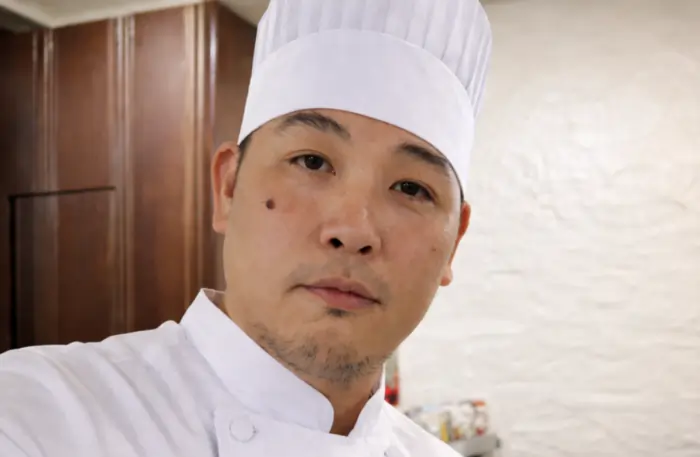
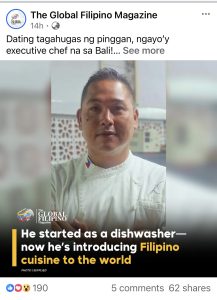
Chef Juan Gadi brings the heart of Filipino hospitality to Ubud, Bali. As an Executive Chef and consultant, he specializes in creating intimate, curated dining experiences that tell a story through every dish. Whether leading the kitchen at Kilig Filipino Warung or hosting a private villa dinner, Chef Juan’s approach is defined by warmth, modern technique, and a commitment to culinary excellence.