
How Dining Experiences Become Lasting Travel Memories Key Takeaways
Travelers often return home with more than just souvenirs—they carry the taste of a perfect meal, the warmth of a shared table, and the scent of spices that define a destination.
- How Dining Experiences Become Lasting Travel Memories through sensory triggers like aroma, presentation, and atmosphere that encode strong memory associations.
- Food often outshines sightseeing because it engages multiple senses and encourages social interaction, creating richer, more personal memories.
- Curated dining—especially in unique settings like private villas or beachside tables—deepens cultural immersion and emotional impact.

What Makes Travel Dining Experiences So Powerful?
Think back to your last vacation. What do you remember most vividly? For many, it is not the famous landmark or the crowded museum—it is the meal that surprised them. The food and travel connection is deeply personal and surprisingly scientific. When you eat, your brain records not just the flavor but the entire context: the laughter of new friends, the clatter of dishes, the golden sunset over the ocean.
Travel dining experiences are powerful because they combine three forces: sensory immersion, emotional resonance, and cultural storytelling. Unlike a photograph, a meal cannot be replicated exactly. That fleeting, multisensory moment becomes a one-of-a-kind memory. Studies in neuroscience show that the hippocampus—the brain’s memory center—is strongly activated by novel smells and tastes. This is why a whiff of lemongrass can instantly transport you back to a street market in Thailand or a beach dinner in Bali.
The Science Behind Sensory Dining Experiences
Why Taste and Aroma Create Vivid Memory Associations
The olfactory bulb, which processes scent, has direct connections to the amygdala and hippocampus. This means a single aroma—grilled satay, sea salt, tropical fruit—can trigger not just a memory but the entire emotional context of that moment. Sensory dining experience taps into this biological shortcut. The taste of a dish becomes a bookmark for the place, the people, and the feeling of discovery.
Presentation also matters. When a chef arranges food as art, it signals to your brain that this meal is special. Your attention sharpens, your anticipation builds, and the memory forms more vividly. In destination dining Bali, for instance, chefs often use banana leaves, coconut shells, and vibrant edible flowers to frame the plate. These visual cues become part of the memory, making the meal unforgettable.
Atmosphere: The Unseen Ingredient
The setting of a meal shapes how you remember it. A candlelit table on a secluded beach, a rooftop overlooking rice terraces, or a rustic family kitchen in Tuscany—each changes the way you experience food. Memorable meals travel research shows that atmosphere adds mental context. Your brain encodes the physical space, lighting, and sounds alongside the taste, creating a richer memory file. This is why luxury travel dining often invests heavily in ambiance: the right setting makes the food taste better and the memory last longer. For a related guide, see Why Guests Remember Exceptional Dining Experiences.
Why Food Memories Outlast Sightseeing
Ask a friend about their trip to Paris. They might mention the Eiffel Tower briefly, but then they will describe the croissant they ate at a corner café—the flaky layers, the butter melting in the sun. Food tourism memories are inherently social and multisensory. Sightseeing often involves passive observation: you look, you take a photo, you move on. But eating requires you to participate. You use your hands, your sense of smell, your taste buds, and often your voice as you share the moment with others.
The emotional travel memories triggered by food are also linked to surprise and novelty. When you try a new dish, your brain releases dopamine, the pleasure chemical. This reward signal strengthens the memory. Over time, the brain prioritizes these emotionally charged experiences, which is why you can recall the exact taste of a mango sticky rice from a street stall in Bangkok years later, but you may struggle to remember the layout of a temple you visited the same day.
Local Cuisine Tourism: Tasting the Culture
Food is the most direct way to understand a place. When you eat local cuisine tourism offerings, you are consuming ingredients grown in that soil, recipes passed down through generations, and traditions shaped by climate and history. Culinary travel experience goes beyond the plate—it is a conversation with the land.
In Bali, for example, the use of base genep (a spice paste) in nearly every dish tells a story of volcanic soil, Hindu rituals, and communal farming. A traveler who joins a Balinese cooking class learns not just how to chop chilies, but why turmeric is sacred and how offerings of food connect daily life to spirituality. This cultural food experience transforms a meal into an education—one that stays with you long after you return home.
Ordinary Meals vs. Curated Luxury Dining
Not all meals are created equal in terms of memory impact. A hurried lunch at a tourist café may fill your stomach, but it rarely fills your heart. Compare that to a private dining experiences arranged by a villa chef, where the menu is tailored to your tastes and the setting is designed for intimacy. The differences in emotional impact are clear.
| Aspect | Ordinary Meal | Curated / Luxury Dining |
|---|---|---|
| Setting | Crowded restaurant, standard decor | Private villa, beach, garden, or heritage property |
| Personalization | Fixed menu, no interaction | Tailored dishes, chef storytelling |
| Sensory engagement | Moderate — rushed eating | High — presentation, aroma, sound, touch |
| Emotional connection | Low — transactional | High — shared experience, celebration |
| Memory retention | Fades quickly | Lasts years |
Experiential dining travel emphasizes the journey, not just the food. Luxury travelers often seek chefs who explain the origin of each ingredient. They book tables that face a sunset or overlook a volcano. These details turn a meal into a story. Hospitality experience travel is at its best when the staff anticipate your needs, share their own stories, and create an environment where you can relax fully. That feeling of being cared for amplifies the joy of the meal and anchors the memory.
Shared Meals and Storytelling: The Social Glue
Eating alone is functional; eating together is transformational. Gastronomic tourism thrives on the communal table. When you share a meal with locals, you are exchanging more than food—you are sharing stories, laughter, and perhaps a little language. This social interaction engages the mirror neurons in your brain, making you feel the emotions of others as if they were your own.
Think of a family-style dinner in a Balinese compound, where you sit cross-legged on the floor and eat from a shared banana leaf platter. The act of reaching for the same vegetables, offering a piece of satay to your neighbor, and watching a grandmother explain the recipe with her hands creates a bond. Those moments are the ones travelers describe as the highlight of their journey. They are why food tourism memories are often the most cherished.
Unique Dining Settings That Enhance Memory
Some meals are unforgettable because of where they happen. A beach dinner with your toes in the sand, a private villa dinner with infinity pool views, a rooftop table under a canopy of stars—destination dining Bali offers some of the world’s most photographable settings. But the magic is not just visual. These settings change how you perceive time. When you are in a beautiful, peaceful place, your brain slows down, pays deeper attention, and encodes the experience with greater detail. For a related guide, see Why Bali Is Perfect for Intimate Dining Celebrations.
Private dining is especially effective for couples and honeymooners. A chef who visits your villa, prepares a custom menu, and leaves you alone to enjoy it creates an intimate bubble. There are no distractions, no noisy crowds—just the two of you and the flavors. This is why luxury travel dining often includes such bespoke moments. The goal is not just to serve food, but to create a memory that will be revisited for decades.
How to Design Your Own Memorable Meals Travel Experience
You do not need unlimited budget to create lasting food memories. Here are practical steps to apply on your next trip:
- Choose one special meal per trip — research a restaurant or book a private chef experience that is unique to the destination.
- Engage with the cook — ask questions about ingredients, family traditions, and the story behind the dish.
- Eat with locals — join a cooking class, a food tour, or a homestay meal. The conversation matters as much as the food.
- Minimize distractions — put your phone away. Pay attention to the taste, the texture, and the people around you.
- Choose a setting that reflects the place — whether it is a beachfront table or a hilltop terrace, let the environment become part of the meal.
Useful Resources
For deeper insights into the science of food and memory, explore the work of Dr. Rachel Herz, a neuroscientist who studies how smell and taste shape our experiences. Visit her research at Rachel Herz’s website. To discover curated private dining options in Bali that emphasize cultural immersion and luxury, browse Bali Belly’s dining guides.
Frequently Asked Questions About How Dining Experiences Become Lasting Travel Memories
How do dining experiences become lasting travel memories?
Dining experiences become lasting travel memories by combining sensory engagement—taste, aroma, texture, and visual presentation—with emotional connection and cultural immersion. The brain encodes these rich, multisensory moments more deeply than passive activities like sightseeing.
Why do people remember food experiences more than sightseeing?
Food experiences engage multiple senses at once—taste, smell, touch, and sight—and often involve social interaction, which strengthens memory formation. Sightseeing is primarily visual and passive, making it less likely to create vivid long-term memories.
What makes travel dining experiences unforgettable?
An unforgettable travel dining experience combines fresh local ingredients, a unique setting (like a beach or private villa), personal touches from the chef or host, and the absence of distractions. The emotional context of sharing that moment with loved ones also plays a huge role.
How does local cuisine shape travel memories?
Local cuisine introduces novel flavors, spices, and cooking techniques that stimulate the brain’s reward center. Eating what locals eat connects you to the culture and geography of a place, making the meal a symbol of your entire trip.
Why is food an important part of tourism experiences?
Food is a fundamental expression of culture. It provides a sensory and emotional gateway into a destination’s history, agriculture, and social rituals. Tourists who engage with local food often report deeper satisfaction and more vivid memories of their travels.
How do sensory elements in dining affect memory formation?
Aroma directly activates the hippocampus and amygdala, which are critical for memory and emotion. Taste, texture, and visual beauty also create strong neural associations. Together, these sensory elements anchor a meal in your memory more firmly than any single sense alone.
What role does atmosphere play in memorable meals during travel?
Atmosphere sets the emotional tone for a meal. A serene beach, a bustling market, or a candlelit villa each create different contexts that your brain records alongside the food. Positive atmosphere enhances enjoyment and strengthens memory retention.
Why do travelers associate destinations with food experiences?
Because food is unique to each destination—specific ingredients, cooking methods, and presentation styles cannot be found elsewhere. The brain links the taste of that food to the place, making it a powerful retrieval cue for the entire travel experience.
How does storytelling in food enhance travel memories?
When a chef or host shares the story behind a dish—its origin, the family tradition, the regional significance—it adds narrative depth to the meal. These stories make the food more meaningful and help you remember not just the taste but the context.
What makes luxury dining experiences more memorable for tourists?
Luxury dining often includes personalization, exceptional service, exclusive settings, and thoughtful presentation. These elements make you feel valued and create a sense of occasion, which elevates the experience from ordinary to extraordinary in your memory.
How does sharing meals strengthen travel memories?
Sharing a meal involves conversation, laughter, and mutual enjoyment—all of which activate social bonding circuits in the brain. These shared emotions deepen the memory and create lasting associations between the food and the people you were with.
Why do private dining experiences stand out during vacations?
Private dining removes distractions and allows you to focus entirely on the meal and your companions. The intimacy and exclusivity make the moment feel special, and the personalized attention from the chef or host adds a layer of care that enhances memory.
How does culture influence food-based travel memories?
Culture dictates what people eat, how they prepare it, and the rituals around consuming it. When you participate in these customs—whether it is using your hands, sharing plates, or eating at a specific time—you absorb cultural meaning along with the food, which makes the memory richer.
What makes Bali dining experiences unforgettable for travelers?
Bali offers a unique combination of vibrant spice-based cuisine, stunning natural settings (beach, rice terraces, cliffs), and warm hospitality. Many villas provide private chef services, and the cultural context—Hindu offerings, communal eating traditions—adds depth to every meal.
How do emotional connections form through travel dining experiences ?
Emotional connections form when a meal coincides with a meaningful moment—a sunset, a celebration, a heartfelt conversation—or when the food evokes a sense of discovery and wonder. The combination of novelty, pleasure, and human connection forges a lasting bond between memory and taste.
Can a single meal really define a whole trip?
Yes. Many travelers cite one standout meal as the highlight of their entire journey because it encapsulated the destination’s essence—its flavors, its beauty, its people—in a single, sensory-rich experience. The meal becomes a mental anchor for the entire trip.
How can I create a memorable dining experience without a big budget?
Focus on authenticity and connection. Eat where locals eat, take a cooking class, or join a community meal. Even a simple picnic with local ingredients in a scenic spot can be unforgettable if you approach it with intention and presence.
Is there a best time of day for memorable dining?
Sunset dinners are often most memorable because the changing light, cool breeze, and natural beauty create a powerful emotional setting. However, breakfast at a local market or a late-night street food feast can be equally vivid if the atmosphere is unique.
Does writing about a meal help you remember it?
Yes. Journaling about a meal—the flavors, the setting, the people—reinforces the neural connections made during the experience. Describing it in detail helps your brain consolidate the memory, making it easier to recall years later.
How does travel food memory differ from everyday food memory?
Travel food memories are typically more vivid because they involve novelty, heightened emotions, and a break from routine. Everyday meals are often eaten quickly or while distracted, whereas travel meals are intentionally savored, making them more likely to be encoded as lasting memories.
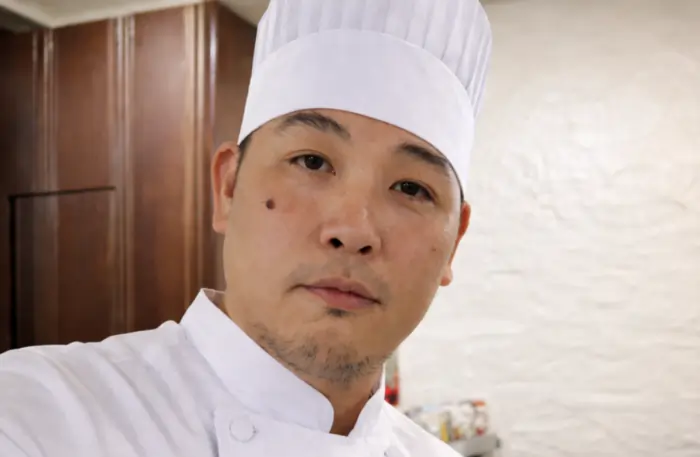
Chef Juan Gadi brings the heart of Filipino hospitality to Ubud, Bali. As an Executive Chef and consultant, he specializes in creating intimate, curated dining experiences that tell a story through every dish. Whether leading the kitchen at Kilig Filipino Warung or hosting a private villa dinner, Chef Juan’s approach is defined by warmth, modern technique, and a commitment to culinary excellence.