

Emotional Connection Behind Shared Dining Moments Key Takeaways
Sharing a meal is one of the most powerful ways humans build trust, empathy, and lasting bonds.
- The Emotional Connection Behind Shared Dining Moments is rooted in shared vulnerability and mutual enjoyment of food.
- Shared dining experience activates conversation, storytelling, and nonverbal cues that deepen emotional intimacy.
- Cultural traditions and thoughtful hospitality amplify the emotional connection food creates, making meals a cornerstone of human bonding.

What Creates the Emotional Connection Behind Shared Dining Moments?
When we sit down to eat with another person, something shifts. The simple act of sharing food lowers our defenses. Psychologists call this the “commensality effect” — the tendency for people to feel closer and more cooperative when they eat together. The Emotional Connection Behind Shared Dining Moments begins the moment we pass a dish, pour a drink, or pause to listen. These small gestures signal care and presence. They tell the other person: “You matter.” For a related guide, see Why Romantic Dinners Feel More Special in Bali.
This connection is not accidental. It is built on a foundation of trust, shared attention, and the release of oxytocin — the bonding hormone — which is triggered during positive social interactions, especially those involving food. The shared dining experience is a fertile ground for this chemistry to flourish.
7 Proven Benefits of the Emotional Connection Behind Shared Dining Moments
1. Deeper Communication Through the Table
Why does eating together strengthen relationships? Because a meal provides a natural pause. It creates a safe space where conversation can unfold without pressure. Unlike a meeting or a formal sit-down, dining together offers rhythm — bite, chew, talk, listen. This flow encourages storytelling, laughter, and even vulnerable sharing. The social dining experience turns ordinary words into emotional ties. For a related guide, see The Magic of Sharing Food in Beautiful Bali Settings.
2. Strengthened Food and Relationships Bonds
When we share food, we share trust. Offering someone a taste of your plate, or cooking for them, is an act of generosity. These social bonding meals create a sense of reciprocity. Over time, repeated shared meals build a relational history — a collection of inside jokes, comfort dishes, and shared tastes that define a relationship.
3. Lasting Food Memory Connection
Why are shared meals more memorable than solo dining? Because memory is tied to emotion. A solo lunch is often forgotten; a birthday dinner, a holiday feast, or a first date lingers. The emotional connection food creates is amplified by who is beside us. Our brains encode the taste, the laughter, and the warmth together as one vivid scene. This food memory connection is why adults still crave their grandmother’s stew — it’s not just the recipe, it’s the love served with it.
4. The Power of Communal Dining Benefits for Mental Health
Communal dining benefits are not just about socializing. Eating with others reduces stress, lowers cortisol levels, and increases feelings of belonging. For families, regular family meals bonding has been linked to better emotional regulation in children and lower rates of depression in adults. The table becomes a sanctuary from the outside world.
5. Relationship Building Through Food in Romantic Partnerships
For couples, cooking and eating together is a form of co-creation. It requires cooperation, compromise, and shared pleasure. The dining together benefits for romantic relationships are profound: couples who share meals regularly report higher relationship satisfaction and better conflict resolution. The act of nourishing each other is both literal and symbolic.
6. Cultural Traditions That Reinforce Cultural Dining Traditions and Identity
From Italian Sunday dinners to Japanese tea ceremonies, cultural dining traditions shape how we connect. These rituals provide a sense of continuity and belonging. When a family gathers for a traditional feast, they are not just eating — they are affirming their shared identity. The emotional eating experiences tied to these moments become part of our personal and collective story.
7. Hospitality Dining Experience as a Bridge to Connection
How does hospitality influence emotional dining experiences? Thoughtful hosts create environments that encourage openness. Warm lighting, comfortable seating, and attentive service signal safety and welcome. The emotional hospitality experience reduces anxiety and invites authentic interaction. In restaurants, the best hospitality dining experience makes guests feel seen, not just served.
Understanding Group Dining Psychology and Social Satisfaction
Group dining psychology reveals that people dining in groups eat slower, talk more, and report higher satisfaction than solo diners. The group dining psychology behind this is linked to social facilitation — we mirror each other’s pace and mood. A social dining experience in a group setting activates reward centers in the brain that solo eating cannot reach. This is why communal dining benefits are so powerful for social bonding meals among friends and teams.
Solo Dining vs. Shared Dining: Emotional Engagement and Memory
Solo dining has its place — it offers reflection and autonomy. But it lacks the emotional resonance of shared meals. When we eat alone, we miss the mirroring, the laughter, and the collective storytelling that anchor memories. Studies in group dining psychology show that people recall shared meals with far more sensory and emotional detail. The emotional connection food creates is inherently social.
How Cultural Dining Traditions Shape Emotional Comfort
Many of our deepest emotional eating experiences are rooted in culture. Think of the warmth of a Middle Eastern mezze spread, where small plates invite sharing and lingering. Or the Ethiopian custom of eating from a communal injera platter — the act of feeding someone with your hands is a gesture of profound trust. These cultural dining traditions teach us that food is never just fuel; it is a language of love, respect, and belonging.
Why Food Acts as a Universal Connector
Food is the only necessity that we consistently choose to enjoy in the company of others. This universality is why relationship building through food works across cultures, age groups, and social backgrounds. When we break bread together, we symbolically lower walls. The emotional connection behind shared dining moments is a fundamental human experience — one that fosters trust, empathy, and long-lasting emotional bonds.
Optimizing Your Shared Dining Experience: Practical Tips
To deepen your own shared dining experience, consider these strategies:
- Turn off screens. Presence is the greatest gift at the table.
- Cook together. The process of preparing a meal is as bonding as eating it.
- Invite storytelling. Ask questions that go beyond “How was your day?”
- Create rituals. A weekly family dinner or a monthly potluck builds anticipation and connection.
- Choose welcoming environments. Whether at home or a restaurant, atmosphere matters for emotional hospitality experience.
Useful Resources
To explore the science behind social bonding meals and communal dining benefits, visit these trusted sources:
- Psychology Today – The Science of Relationships – Learn how shared activities like dining strengthen emotional bonds.
- NCBI – The Social Facilitation of Eating – A research review on how social context influences eating behavior and emotional satisfaction.
Frequently Asked Questions About Emotional Connection Behind Shared Dining Moments
What creates emotional connection in shared dining moments?
Emotional connection is created through shared vulnerability, mutual attention, and the release of oxytocin during positive interactions. The act of sharing food and conversation lowers defenses and builds trust.
Why does eating together strengthen relationships?
Eating together provides a natural setting for conversation, cooperation, and emotional presence. These repeated positive interactions build relational history and deepen bonds over time.
How does shared dining improve emotional bonding?
Shared dining improves emotional bonding by combining verbal communication with nonverbal cues like eye contact, mirroring, and shared sensory pleasure from food. This multisensory engagement amplifies emotional intimacy.
What role does food play in human connection?
Food acts as a universal connector because it is both a necessity and a source of pleasure. Sharing food signals trust, generosity, and care, making it a powerful tool for relationship building.
Why are shared meals important in relationships and families?
Shared meals create a regular opportunity for connection, communication, and emotional support. They help families and couples stay attuned to each other’s lives and build a sense of belonging.
How does conversation during meals build emotional ties?
Conversation during meals allows for storytelling, empathy, and shared laughter. The relaxed setting encourages authentic expression, which fosters deeper understanding and emotional closeness.
What makes communal dining experiences more meaningful?
Communal dining experiences are more meaningful because they involve shared rituals, collective decision-making, and a sense of belonging. The act of eating together from common dishes reinforces community.
How does hospitality influence emotional dining experiences?
Hospitality influences emotional dining experiences by creating a warm, safe atmosphere. Attentive hosts and staff make guests feel valued, which lowers stress and encourages openness and connection.
Why do people remember shared meals more than solo dining?
People remember shared meals more vividly because the emotional and social context — laughter, conversation, companionship — enriches the memory. The brain encodes these multisensory experiences more deeply.
How does culture shape shared dining traditions?
Culture shapes shared dining traditions through specific rituals, dishes, and etiquette. These traditions reinforce identity, continuity, and emotional comfort by linking personal memories to collective practices.
What makes group dining emotionally satisfying?
Group dining is emotionally satisfying because it activates social reward systems in the brain. The shared enjoyment of food, conversation, and laughter creates a sense of belonging and joy.
How do shared dining moments improve social relationships?
Shared dining moments improve social relationships by providing a consistent, low-stakes environment for interaction. They help build trust, cooperation, and mutual understanding among friends, colleagues, and communities.
Why is food sharing linked to emotional memory?
Food sharing is linked to emotional memory because the brain pairs taste and smell with social context. A meal shared with loved ones creates a rich sensory-emotional anchor that makes the memory more enduring.
What role does atmosphere play in shared dining experiences?
Atmosphere plays a key role by influencing mood and relaxation. Comfortable lighting, seating, and decor signal safety and welcome, which helps guests lower their guard and connect more freely.
How does dining together enhance trust and bonding?
Dining together enhances trust and bonding through the biological release of oxytocin, the presence of reciprocal generosity, and the shared experience of nourishment. These factors combine to strengthen emotional ties.
Can shared dining help resolve conflicts in relationships?
Yes, shared dining can help resolve conflicts by providing a neutral, calm environment for conversation. The act of eating together signals a willingness to reconnect and cooperate, making it easier to bridge differences.
What are the best foods for a bonding shared dining experience ?
Foods that encourage sharing — like tapas, hot pot, fondue, or family-style platters — work best. These foods require communal interaction and naturally foster conversation and cooperation.
Does the emotional connection behind shared dining moments differ between cultures?
The underlying emotional connection is universal, but its expression varies. Some cultures emphasize silence and respect during meals, while others prioritize lively conversation. Both approaches can build deep bonds.
How can introverts benefit from shared dining experiences?
Introverts can benefit by choosing smaller, quieter dining settings where conversation feels manageable. Shared meals with trusted friends or family provide social connection without overwhelming stimulation.
What makes a shared dining experience truly memorable?
A truly memorable shared dining experience combines great food, genuine connection, and a welcoming atmosphere. The presence of loved ones, meaningful conversation, and a sense of occasion elevate the meal from ordinary to unforgettable.
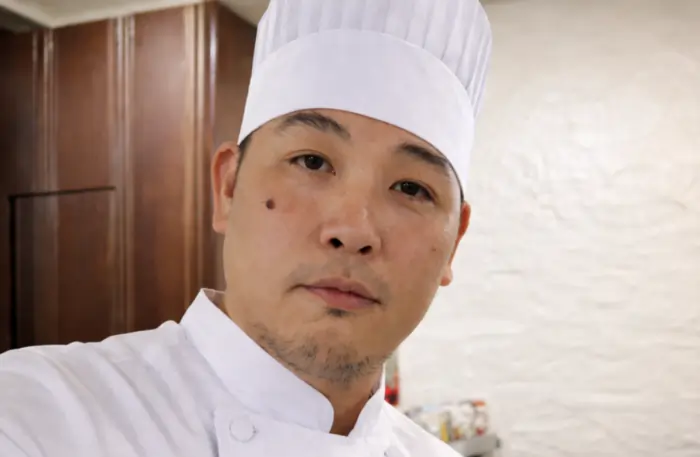
Chef Juan Gadi brings the heart of Filipino hospitality to Ubud, Bali. As an Executive Chef and consultant, he specializes in creating intimate, curated dining experiences that tell a story through every dish. Whether leading the kitchen at Kilig Filipino Warung or hosting a private villa dinner, Chef Juan’s approach is defined by warmth, modern technique, and a commitment to culinary excellence.