Most Loved Filipino Dishes Key Takeaways
The Most Loved Filipino Dishes first-time visitors try combine centuries of indigenous cooking with Spanish, Chinese, and American influences to create a cuisine that is bold, comforting, and deeply rooted in family and community.
- Most Loved Filipino Dishes like adobo, sinigang, lechon, pancit, and lumpia showcase a unique balance of sour, salty, sweet, and savory flavors that appeal to adventurous and cautious eaters alike.
- Filipino street food , including fish balls, isaw, and kwek-kwek, offers a hands-on way for tourists to experience the country’s everyday food culture.
- Regional variations across Luzon, Visayas, and Mindanao ensure that travelers can discover new tastes even within the same dish, making the Filipino cuisine guide a lifelong journey of exploration.
What Makes the Most Loved Filipino Dishes So Special for First-Time Visitors
When you step off the plane into the warm, humid air of the Philippines, the first thing that hits you—after the smile of a local—is the smell of garlic, vinegar, and soy sauce simmering in some nearby kitchen. This is the scent of adobo, the unofficial national dish, and it is your welcome. The Most Loved Filipino Dishes are not just recipes; they are edible landmarks that guide visitors through the country’s history and heart. For a related guide, see What is Silog? Understanding the Heart of the Kilig Bali Breakfast.
As Chef Juan Gadi, I have spent years introducing travelers to authentic Filipino cuisine in Ubud, Bali. I have seen the same reaction again and again: surprise followed by delight. People come expecting something familiar, and they leave with a new favorite flavor. This Filipino cuisine guide will walk you through the dishes that define the Filipino dining experience. For a related guide, see Best Filipino Dishes to Try at Kilig Bali.
The beauty of traditional Filipino dishes lies in their adaptability. A Spanish colonist’s stew becomes caldereta; a Chinese noodle stir-fry becomes pancit noodles; a native pork roast becomes lechon. Every foreign influence was absorbed and refashioned into something undeniably Filipino. That is what makes Philippine food culture so vibrant and why must try Filipino foods appear on every travel list.
Adobo Philippines: The National Treasure That Welcomes Every Tourist
Ask any Filipino what their favorite home-cooked meal is, and nine out of ten will say adobo. Adobo Philippines is the first dish most foreigners taste, and it is almost always love at first bite. The basic version—chicken or pork braised in vinegar, soy sauce, garlic, bay leaves, and black peppercorns—is deceptively simple but endlessly satisfying.
Why Adobo Is the Number One Choice for First-Time Visitors
Why do visitors love adobo and sinigang? With adobo, the answer is comfort. The deep umami from soy sauce, the sharpness of vinegar, and the soft, fall-apart meat create a sauce that cries out for steamed rice. Every Filipino household makes adobo differently—some add coconut milk, others use turmeric or pineapple—but the soul remains the same. It is the ultimate Filipino comfort food.
For tourists, adobo is forgiving. There is no extreme spice, no exotic organ meat (unless you want it), just rich, savory goodness. I always recommend adobo as the entry point to popular Filipino foods. It bridges the gap between familiarity and adventure.
Where to Find the Best Adobo
In Manila, head to a carinderia (small eatery) for a no-frills plate. In the provinces, family-run restaurants often serve heirloom versions with secret ingredients. If you are in Cebu, look for adobong pusit—squid cooked in its own ink with vinegar and garlic, a specialty that shows the range of authentic Filipino cuisine.
Sinigang Soup: The Sour Comfort That Refreshes and Delights
Sinigang soup is the perfect answer to the tropical heat. This sour tamarind-based broth, loaded with vegetables and your choice of pork, shrimp, or beef, is a palate cleanser and a meal in one bowl. For many visitors, sinigang becomes the dish they crave after a long day of exploring.
What Sets Sinigang Apart From Other Southeast Asian Soups
Unlike the coconut-rich curries of Thailand or the pho of Vietnam, sinigang is all about acidity. The sourness comes from tamarind (or sometimes guava, calamansi, or green mango), balanced by the natural sweetness of tomatoes, onions, and summer vegetables like okra, eggplant, and kangkong (water spinach). The result is a clean, bright flavor that feels both nourishing and invigorating.
This dish answers the question what traditional Filipino dishes are best for beginners? Sinigang uses familiar ingredients—pork ribs, fish sauce, chili—but the sour profile is uniquely Filipino. It is approachable yet distinctive.
Regional Variations of Sinigang
In the Visayas, sinigang might use guava for a milder, fruitier tang. In Bicol, cooks add coconut milk and chili to create sinigang na may gata. How does regional cuisine influence popular Filipino dishes? This is a perfect example. The base concept stays the same, but local produce and cooking styles create entirely new experiences. Travelers who try sinigang in three different provinces will taste three different soups.
Lechon Philippines: The Celebration Dish That Steals Every Show
If adobo is the everyday hero, lechon Philippines is the superstar. Whole-roasted pig with crackling skin that shatters at the touch of a fork, and tender, juicy meat infused with lemongrass, garlic, and star anise—lechon is the centerpiece of every Filipino fiesta. It is the dish that makes visitors understand why popular Filipino foods are worth traveling for.
Why Lechon Is a Must for First-Time Visitors
Lechon is not just food; it is a performance. The pig is often roasted over live coals for hours, basted with a mixture of soy sauce, citrus, and spices. The skin becomes bronzed and brittle, while the meat stays moist and flavorful. It is served with liver-based dipping sauce called sarsa, which adds a sweet and savory tang.
For tourists, lechon is a bucket-list item. It represents the Filipino love for celebration and sharing. Group tours, family-style restaurants, and even street-side lechon stalls in Cebu make it easy to sample. What are the most recommended Filipino meals for tourists? Lechon always tops the list alongside adobo.
The Cebuano Advantage
Cebu is famous for having the best lechon in the country. The city’s version uses a specific blend of herbs stuffed inside the pig, and the skin is especially thin and crisp. Some restaurants offer lechon belly by the slice, which is a practical way for solo travelers to enjoy the experience without buying a whole pig.
Pancit Noodles: The Long-Life Noodles That Connect Families
Pancit noodles are more than a meal—they are a symbol of longevity and good fortune. Served at birthdays, reunions, and holidays, these stir-fried noodles come in dozens of regional styles. For first-time visitors, pancit offers a familiar noodle dish with a distinctly Filipino twist.
Varieties Every Traveler Should Know
The most common versions are pancit canton (thick egg noodles), pancit bihon (thin rice noodles), and pancit palabok (rice noodles in a bright orange annatto sauce with shrimp, pork, and crushed chicharrón). Each variation uses a different noodle and sauce base, but all are seasoned with fish sauce, calamansi, and garlic.
Which Filipino dishes are considered national favorites? Pancit is definitely one of them. It reflects the Chinese influence on Filipino cuisine guide and shows how the Philippines adapted imported ingredients to local tastes.
Where to Find the Best Pancit in the Philippines
For pancit palabok, I send visitors to the district of Malabon in Metro Manila, where the dish originated. For pancit canton, look for roadside stalls that cook it fresh in a giant wok. The noodles are slightly charred from high heat, adding a smoky flavor that pairs perfectly with a squeeze of calamansi.
Lumpia Rolls: The Crispy Bite That Conquers Every Appetite
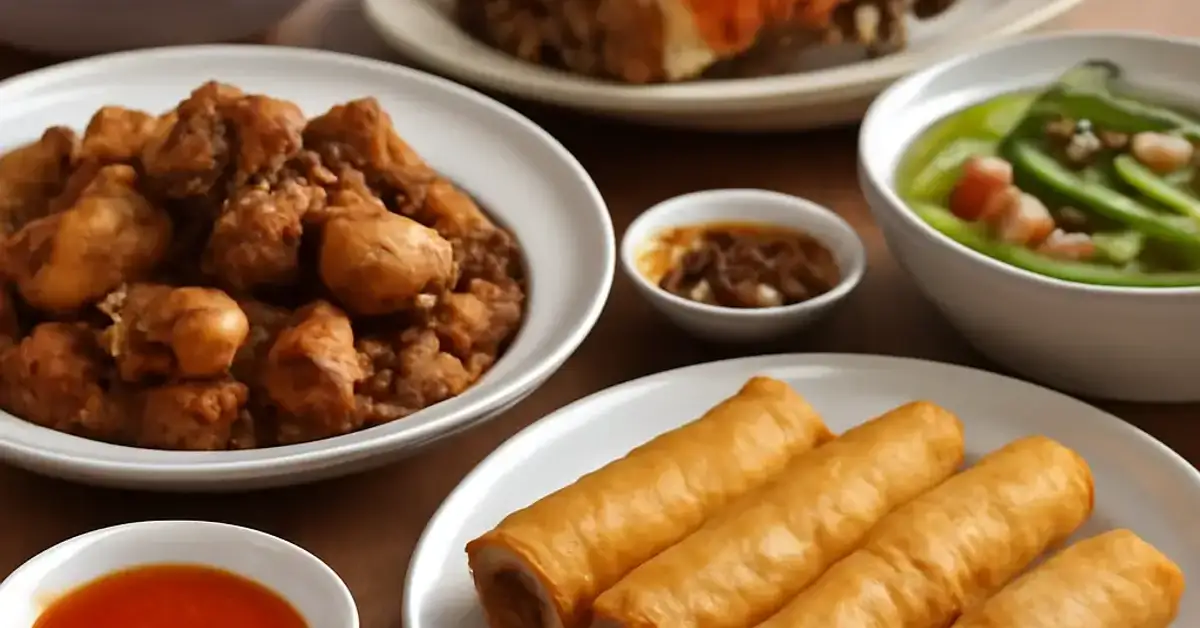
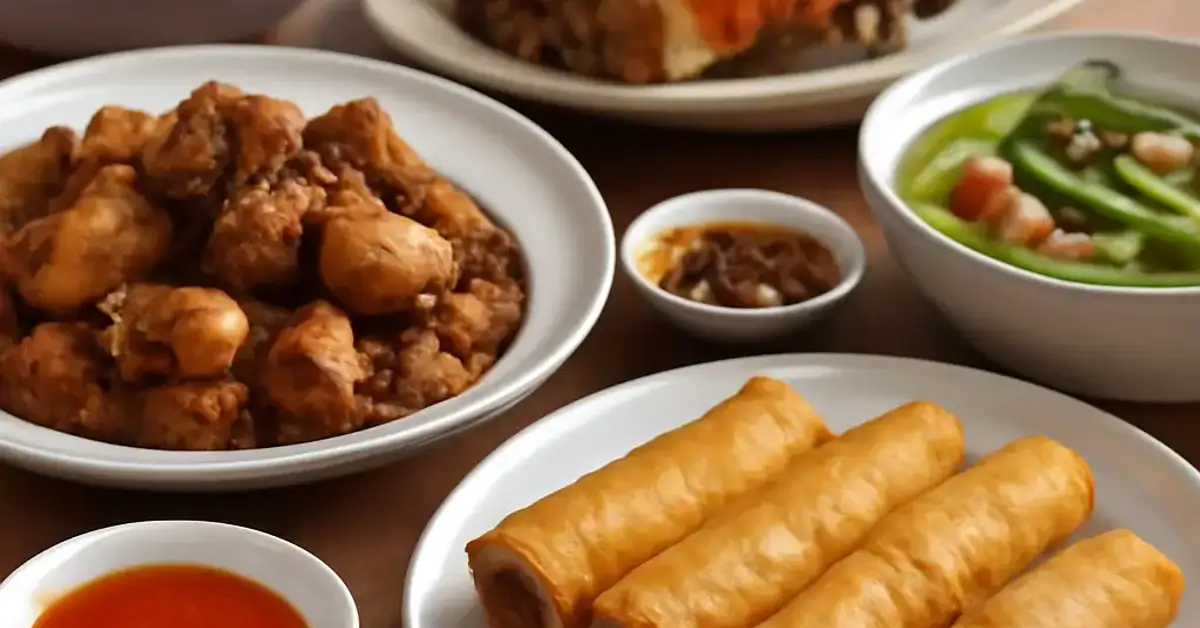
Lumpia rolls are the Filipino version of spring rolls, and they are perhaps the most universally loved Filipino dishes for tourists. These crispy, golden cylinders are filled with a savory mixture of ground pork, vegetables, and spices, then deep-fried to perfection. They are served with a sweet chili dipping sauce or vinegar with garlic and chili.
Fresh vs. Fried Lumpia
While fried lumpia (lumpiang shanghai) is the most popular style for parties and events, fresh lumpia (lumpiang sariwa) is a softer, sauce-covered version that uses a paper-thin crepe and a thick peanut sauce. Both are worth trying. The fresh version is healthier, while the fried version is pure indulgence.
Street vendors often sell miniature lumpia rolls that are perfect for snacking while walking. Filipino street food culture embraces lumpia as a quick bite that satisfies without overwhelming the palate.
Lumpia as a Travel-Friendly Food
Because lumpia is handheld and easy to share, it appears at every tourist-friendly event I host at my restaurant. It is the dish that breaks the ice. Visitors who are hesitant about trying traditional Filipino dishes often start with lumpia and then ask for more.
Filipino Street Food: The Everyday Experience That Connects Visitors to Culture
Filipino street food is a world of its own. From fish balls and squid balls to isaw (grilled chicken intestines) and kwek-kwek (hard-boiled quail eggs fried in orange batter), the streets of Manila, Cebu, and Davao are lined with vendors serving these snacks at very low prices. For first-time visitors, street food is often the most memorable part of the trip.
What Street Foods Do First Time Visitors Enjoy in the Philippines
Beyond the classics, Filipino street food includes turon (fried banana spring roll with caramel), banana cue (grilled banana on a stick coated in brown sugar), and mais con yelo (shaved ice with sweet corn and evaporated milk). These sweet treats offer a gentle entry point for those still adjusting to savory Filipino flavors.
Adventurous eaters should try balut—a fertilized duck egg—but I recommend working up to that. Start with isaw and kwek-kwek, then graduate to the more exotic offerings. The key is to find a vendor with a long line; locals know which stalls have the freshest and safest food.
Safety Tips for Tourists Eating Street Food
Always look for vendors who fry or grill food in front of you. Avoid anything that looks like it has been sitting out for hours. Bring your own bottled water or use alcohol wipes before eating. With these precautions, Filipino street food becomes a delicious and safe adventure.
Regional Diversity: How Local Ingredients and Cooking Styles Shape the Most Loved Filipino Dishes
The Philippines is an archipelago of over 7,000 islands, each with its own microclimate, crops, and culinary traditions. This diversity is what makes authentic Filipino cuisine so exciting for travelers who are willing to explore beyond the capital.
Luzon: The Land of Abundant Produce and Spanish Influence
In Luzon, you find dishes like pinakbet (vegetable stew with bagoong, a fermented shrimp paste), kare-kare (oxtail stew with peanut sauce), and longganisa (local sausages). The use of bagoong and annatto seeds gives Luzon cooking a distinct earthy richness. Ilocos region is especially famous for its bagnet (deep-fried pork belly) and poqui-poqui (grilled eggplant salad).
Visayas: The Sugarcane and Seafood Heartland
The Visayas islands, particularly Cebu and Iloilo, are known for grilled dishes and seafood. Lechon from Cebu is legendary, but the region also excels in chicken inasal (grilled chicken marinated in vinegar, annatto, and lemongrass) and pancit molo (a wonton soup). The sweetness of the local sugarcane influences many sauces and marinades.
Mindanao: The Spice-Rich Frontier
Mindanao cuisine is heavily influenced by Malay and Indonesian flavors, with generous use of coconut, turmeric, lemongrass, and chili. Dishes like tilapia kinilaw (ceviche in coconut milk) and beef rendang (slow-cooked beef in coconut and spices) are common. Mindanao food is less familiar to tourists, but it is arguably the most complex and aromatic of all regional styles.
Why These Dishes Leave Lasting Impressions on Travelers
When I cook for visitors at my private dinners in Ubud, I always notice the moment when a guest takes their first bite of adobo or sinigang and their eyes widen. That is the moment they realize authentic Filipino cuisine is not just food—it is an experience of hospitality, history, and innovation.
The Most Loved Filipino Dishes are memorable because they are personal. They taste of home, even for people who have never been to the Philippines. The combination of sour, salty, and savory speaks to a universal craving for comfort. And the warmth of Filipino hospitality—the smiles, the “kain na tayo” (let’s eat) invitation—makes the meal unforgettable.
Why is Filipino cuisine popular among travelers? Because it is honest. There is no pretension. A bowl of sinigang or a plate of pancit tells you exactly what it is: nourishing, flavorful, and made with love. That authenticity resonates with every type of traveler, from the solo backpacker to the luxury tourist.
Practical Advice for First-Time Visitors Exploring Filipino Food
To make the most of your culinary journey, follow these tips based on my years of experience introducing Filipino dishes for tourists.
- Start with the most approachable dishes. Begin with lumpia and adobo, then move to sinigang and pancit. Save lechon for a special occasion.
- Visit a carinderia. These small, family-run eateries serve the most authentic Filipino cuisine at very low prices. Point to what looks good and trust the sizzle.
- Eat with your hands. It is called kamayan. Many traditional meals are eaten without utensils. It makes the food taste better, I promise.
- Try at least one street food item. Even if it is just turon or banana cue, it will give you a deeper appreciation for everyday Philippine food culture.
- Ask locals for recommendations. Filipinos love talking about food. Ask your driver, your hotel concierge, or the person next to you on a jeepney. They will send you to the best spots.
Useful Resources
For a deeper dive into authentic Filipino cuisine and regional cooking techniques, explore these credible resources:
- Pepper.ph – A comprehensive Filipino food blog with traditional recipes and modern twists, great for travelers planning a food trip.
- Rappler’s Filipino Food Guide – An excellent overview of regional dishes and where to find them across the Philippines.
Frequently Asked Questions About Most Loved Filipino Dishes
What are the most loved Filipino dishes first time visitors try?
The Most Loved Filipino Dishes first-time visitors try include adobo, sinigang, lechon, pancit, and lumpia. These dishes are approachable, flavorful, and widely available across the country.
Which Filipino foods should tourists taste first?
Tourists should start with lumpia and adobo for their familiar flavors, then move to sinigang and pancit for a deeper taste of authentic Filipino cuisine. Lechon is a must for any celebration meal.
Why is Filipino cuisine popular among travelers?
Filipino cuisine guide enthusiasts appreciate the bold flavors, the balance of sour and salty, and the generous hospitality that accompanies every meal. The diversity of regional dishes also keeps travelers curious.
What traditional Filipino dishes are best for beginners?
Lumpia, adobo, and pancit are the best traditional Filipino dishes for beginners. They feature familiar ingredients and mild flavor profiles that gradually introduce the cuisine’s unique character.
What makes Filipino food unique compared to other cuisines?
Filipino food uniquely blends indigenous, Spanish, Chinese, and American influences. The use of vinegar, tamarind, and bagoong creates a sweet-sour-savory balance rarely found in other Southeast Asian cuisines.
Which Filipino dishes are considered national favorites?
Adobo, lechon, sinigang, and pancit are considered national favorites. They appear in every region and represent the core of Philippine food culture.
What street foods do first time visitors enjoy in the Philippines?
First-time visitors love turon, banana cue, fish balls, isaw, and kwek-kwek. These Filipino street food items are affordable and easy to find, giving a real taste of daily life.
How do Filipino dishes reflect local culture and history?
Each dish tells a story of colonization and trade. Adobo Philippines uses vinegar as a preservation method from pre-colonial times, while pancit shows Chinese influence. Every flavor layer reflects a chapter of Philippine history.
What are the most recommended Filipino meals for tourists?
Tourists are most recommended to try adobo, sinigang, lechon, pancit, and lumpia. For dessert, halo-halo and leche flan are essential parts of any Filipino travel food guide.
Why do visitors love adobo and sinigang?
Visitors love adobo for its comforting umami and sinigang for its refreshing sourness. Both dishes are deeply satisfying and showcase the range of popular Filipino foods.
What Filipino desserts should travelers try?
Travelers should try halo-halo (shaved ice with fruits and leche flan), leche flan (caramel custard), bibingka (rice cake), and ube halaya (purple yam jam). These are classic Filipino comfort food desserts.
How does regional cuisine influence popular Filipino dishes?
Regional ingredients shape each dish—Cebu’s lechon uses lemongrass and star anise, while Tagalog sinigang prefers tamarind and guava. Understanding these differences deepens any Filipino cuisine guide.
What foods are commonly served during Filipino celebrations?
During celebrations, lechon, pancit, lumpia, puto (rice cake), and leche flan are staples. These dishes bring families together and highlight the communal nature of Philippine food culture.
Which Filipino comfort foods are popular with foreigners?
Foreigners love adobo, sinigang, crispy pata (deep-fried pork knuckle), and chicken inasal. These Filipino comfort food items are rich, hearty, and full of flavor.
What dining experiences should visitors not miss in the Philippines?
Visitors should not miss kamayan (hand eating) feasts, visiting a carinderia, and trying street food in a public market. These experiences offer the truest taste of authentic Filipino cuisine.
Is Filipino food very spicy?
No, most traditional Filipino dishes are not very spicy. They focus on sour, salty, and savory flavors. Chili is available as a condiment, but it is not a core ingredient in most dishes.
Can I find halal Filipino food?
Yes, especially in Mindanao where Muslim cuisine is prominent. Many Filipino dishes for tourists like grilled fish and vegetable stews can be prepared halal. Look for halal-certified restaurants.
Are there vegetarian options in Filipino cuisine?
Yes, but they require searching. Dishes like pinakbet, laing (taro leaves in coconut milk), and fresh lumpia are naturally vegetarian. Many Filipino comfort food dishes can be adapted.
What is the best time of year to visit for food festivals?
The best time is during the Pahiyas Festival (May) in Quezon and the Sinulog Festival (January) in Cebu, where popular Filipino foods are showcased in large public feasts.
How do I order food in a carinderia as a tourist?
Point to the dish you want and ask for “isang order” (one order). Most carinderia staff are happy to help tourists. Many prices are written on the wall or included in any Filipino travel food guide.
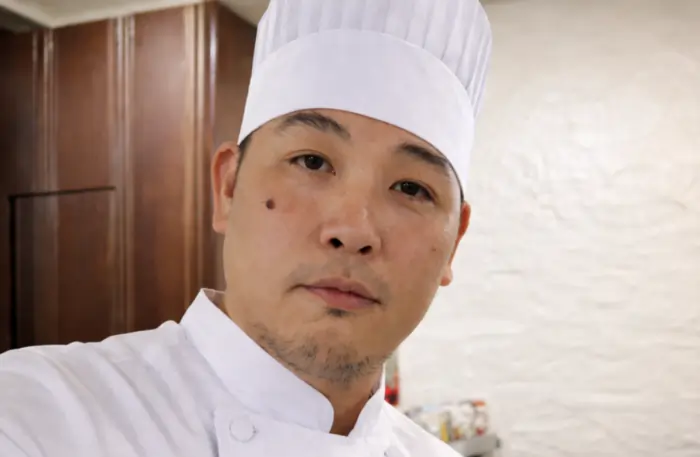
Chef Juan Gadi brings the heart of Filipino hospitality to Ubud, Bali. As an Executive Chef and consultant, he specializes in creating intimate, curated dining experiences that tell a story through every dish. Whether leading the kitchen at Kilig Filipino Warung or hosting a private villa dinner, Chef Juan’s approach is defined by warmth, modern technique, and a commitment to culinary excellence.