
Filipino Cuisine Balances Sweet Savory and Sour Key Takeaways
Filipino cuisine balances sweet savory and sour flavors through a masterful interplay of pantry staples like vinegar, soy sauce, calamansi, sugar, and fish sauce.
- Filipino Cuisine Balances Sweet Savory and Sour by layering salty, tart, and sweet elements within a single dish.
- Core ingredients such as vinegar, calamansi, fish sauce, and coconut milk serve as the building blocks of this flavor harmony.
- Regional variations and historical influences from Chinese, Spanish, Malay, and indigenous traditions add depth and diversity to the flavor profile.
Understanding How Filipino Cuisine Balances Sweet Savory and Sour
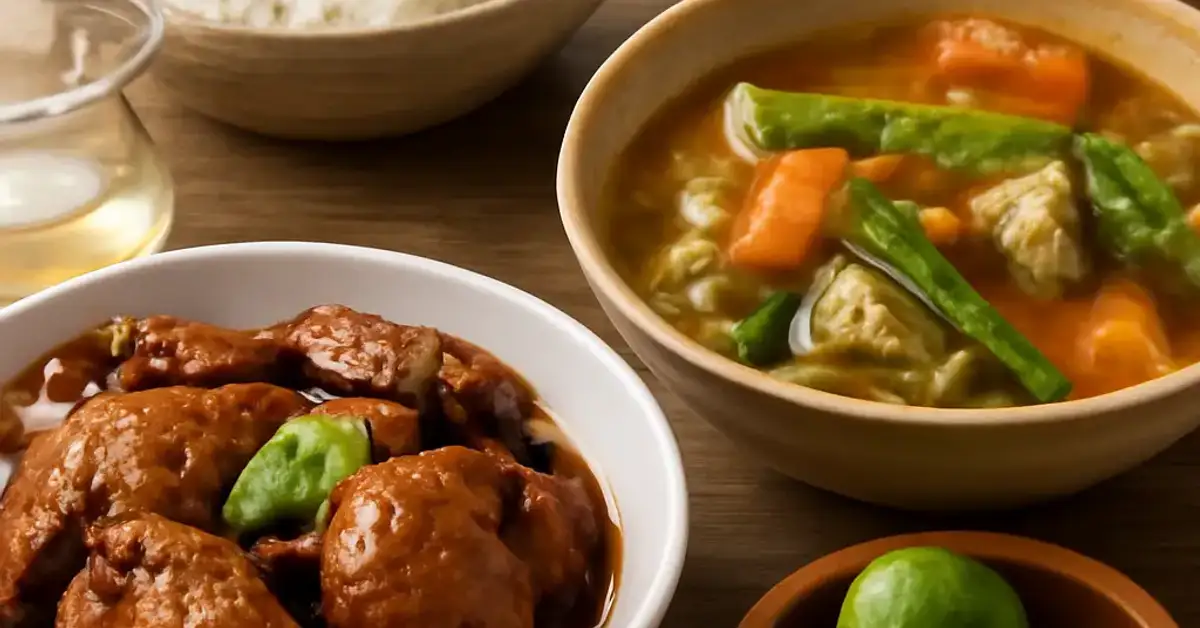
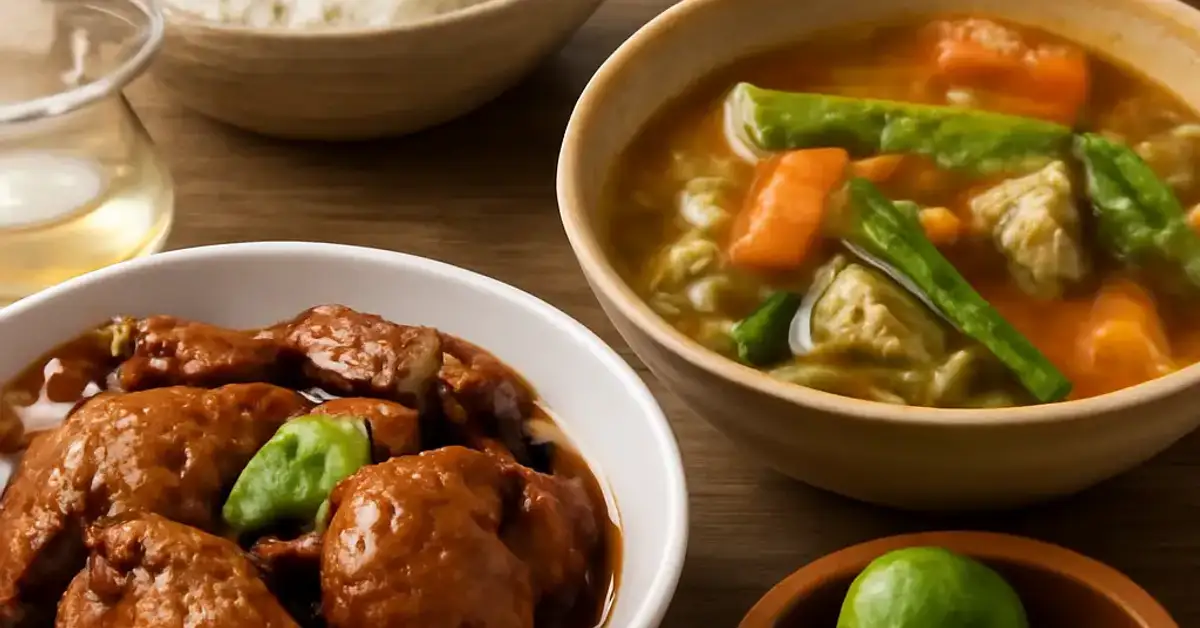
At first bite, a plate of chicken adobo or a bowl of sinigang may seem simple. But the magic lies in the tension between opposing tastes—sweetness that softens saltiness, sourness that cuts through richness. Filipino Cuisine Balances Sweet Savory and Sour by treating each element not as a separate note but as part of a single, cohesive chord. This approach is rooted in the Filipino kitchen’s resourcefulness: cooks historically preserved meat with vinegar while balancing its acidity with sugar, soy, or coconut milk. The result is food that tastes complete without being heavy.
Unlike neighboring cuisines that often prioritize one dominant flavor (spicy in Thai, umami in Japanese), Filipino cooking thrives on contrast. The same meal might feature a sweet tomato-based sauce alongside a sour fish stew. This isn’t accidental—it’s a deliberate practice passed down through generations. For food enthusiasts, home cooks, and travelers, learning this balance unlocks a deeper appreciation for traditional Filipino cuisine.
The Core Ingredients That Create Flavor Balance
Filipino cooking ingredients are not numerous, but each one plays a distinct role in achieving sweet savory sour food profiles. Here are the essential components and how they contribute.
Vinegar in Filipino Food
Vinegar in Filipino food serves as both a preservative and a flavor cornerstone. Cane vinegar, coconut vinegar, and palm vinegar each bring a different level of acidity—cane vinegar is sharp and clean, while coconut vinegar is milder with a hint of sweetness. In adobo, vinegar provides the sour backbone that balances the saltiness of soy sauce. In paksiw, it tenderizes fish while keeping the broth bright. Recipes often call for letting vinegar cook off its raw edge before adding other liquids, a technique that develops depth without harshness.
Calamansi Cooking
Often called the Filipino lime, calamansi is a small citrus fruit with a unique tartness that walks the line between lime and mandarin orange. Calamansi cooking appears in dipping sauces, marinades, and noodle dishes. Its juice adds a fresh, aromatic sourness that doesn’t overpower—it lifts. Mixed with fish sauce and garlic, it becomes the classic sawsawan that accompanies fried fish, spring rolls, and grilled meats. The fruit’s natural sugars also contribute a gentle sweetness, making it ideal for balancing salty and bitter flavors. For a related guide, see 10 Authentic Filipino Foods That Belong on Bali Beaches.
Fish Sauce and Soy Sauce
Fish sauce (patis) brings a deep, funky saltiness that anchors savory dishes. Soy sauce adds a milder saltiness with a touch of sweetness and color. Together, they form the salty foundation that lets sour and sweet notes stand out. In dishes like adobo and kare-kare, these Filipino seasonings create the savory baseline against which sweetness and sourness play.
Sugar and Coconut Milk
Brown sugar, palm sugar, and coconut milk introduce sweetness and creaminess. Coconut milk tempers the acidity of vinegar and tamarind in dishes like ginataan, while a pinch of brown sugar balances the sourness of sinigang. In desserts like leche flan and bibingka, sweetness takes center stage, but even there, a touch of salt enhances complexity. This interplay demonstrates how flavor balance cooking in the Philippines never lets one ingredient dominate unless deliberately intended.
Iconic Dishes That Showcase the Balance
Several authentic Filipino dishes illustrate how Filipino cuisine flavors achieve harmony. Each dish employs a distinct ratio of sweet, savory, and sour elements.
Adobo Flavors: The National Dish
Chicken or pork adobo is the most famous example of how Filipino Cuisine Balances Sweet Savory and Sour. The marinade combines vinegar, soy sauce, garlic, bay leaves, and black peppercorns. As the meat simmers, the vinegar mellows, the soy deepens, and a natural sweetness emerges from the caramelization of meat and sauce. Some families add a touch of brown sugar or pineapple juice to tilt the balance toward sweet-savory. Others keep it aggressively sour. This variation reflects the personalization at the heart of Filipino food culture—every cook puts their spin on the ratio.
Sinigang Taste Profile
Sinigang taste profile is built on a bold sour base, traditionally from tamarind (sampalok), but also from guava, kamias, or calamansi. The broth is then loaded with vegetables like kangkong, radish, and eggplant, plus pork, shrimp, or fish. The sourness is the star, but it never feels harsh because the natural sweetness of vegetables and the savory notes of fish sauce round it out. Sinigang epitomizes why sour dishes are popular in the Philippines: they refresh the palate and pair perfectly with steamed rice, which absorbs the tangy broth.
Paksiw and the Vinegar Tradition
Paksiw na isda (fish cooked in vinegar) relies entirely on vinegar in Filipino food for its sour punch. The fish simmers in a mixture of vinegar, ginger, garlic, and chili, sometimes with a touch of sugar. The result is a tender, flaky fish with a clean, sharp flavor that is simultaneously savory from the fish’s natural juices. The long simmer allows the vinegar to penetrate without overwhelming. It’s a perfect example of how simple ingredients create complex results.
Kare-Kare and the Sweet-Savory Side
Kare-kare is a peanut-based stew thickened with ground toasted rice, usually made with oxtail or tripe. Its savory richness comes from annatto seeds and fish sauce (bagoong). The sauce is nutty and mild, yet when paired with the salty kick of bagoong on the side, the eater experiences a sweet-savory contrast that satisfies deeply. This dish shows that Filipino Cuisine Balances Sweet Savory and Sour not always within a single ingredient but across components on the plate.
Regional Filipino Food and Its Influence on Flavor
Regional Filipino food adds further nuance to the sweet-savory-sour equation. Because the Philippines is an archipelago with hundreds of languages and local ingredients, each region develops its own interpretation.
Luzon: Hearty and Sweet-Savory
In Luzon, especially in the Ilocos and Pampanga regions, dishes lean toward salty and savory with occasional sweetness. Longganisa (local sausages) range from garlic-heavy to sweet. The famous Bicol Express from the Bicol region balances spicy, creamy coconut milk with the sourness of shrimp paste. Meanwhile, Pampanga is known for asado and tocino, where sugar caramelizes into a sweet glaze over cured meats. These styles emphasize how flavor balance cooking adapts to local crops—coconut in the south, sugar in the central plains.
Visayas: Sour and Fresh
Visayan cuisine celebrates sourness as a primary note. Cebu’s lechon (roasted pig) is served with a liver-based sauce that is both sweet and tangy. Kinilaw, the Filipino version of ceviche, uses vinegar or calamansi to “cook” raw fish, resulting in a bright, acidic dish that is clean and refreshing. The sour element here is not a background note—it is the main event, often tempered only by ginger, chili, and a hint of salt. Travelers often fall in love with this regional expression of Southeast Asian cuisine for its freshness.
Mindanao: Spice, Sweetness, and Indigenous Ingredients
Mindanao’s cuisine shows Islamic and indigenous influences. Coconut milk, turmeric, and chili define many dishes. Pastil (spiced chicken wrapped in banana leaf) and tiyula itum (black beef soup) demonstrate a more earthy, savory profile, while sweet versions of satti (skewered meat with sweet peanut sauce) reveal the region’s love for sweet-savory contrasts. The use of burnt coconut and fermented fish adds layers of complexity that keep the flavor profile dynamic. These variations prove that Filipino Cuisine Balances Sweet Savory and Sour differently across the archipelago, making each visit a new taste discovery.
Why Contrasting Flavors Define Filipino Food Culture
Filipino food culture embraces contrast as a source of comfort and excitement. The habit of pairing salty fried food with sweet banana ketchup, or dipping crispy pork in spicy vinegar, shows a culinary preference for variety within a single bite. This is not accidental; it traces back to the way meals were structured during feasts and everyday life. Rice, the neutral foil, ties everything together. Without it, the strong flavors would be overwhelming. With it, the Filipino recipes achieve harmony.
Historically, the balance also reflects resource availability and preservation needs. Vinegar and salt were essential before refrigeration. Sugar was a luxury used sparingly, often to offset acidity. These practical constraints evolved into aesthetic preferences. Today, Filipino Cuisine Balances Sweet Savory and Sour because that is what locals and travelers expect—and love—about the food.
How Cultural Influences Shaped Filipino Cuisine
The uniqueness of traditional Filipino cuisine comes from centuries of trade, colonization, and migration. Chinese traders introduced soy sauce and stir-frying techniques, which merged with native vinegar traditions to create adobo. Spanish colonizers brought tomatoes, potatoes, and the idea of stews, which evolved into dishes like mechado and caldereta. Malay and Indonesian influences brought coconut milk and turmeric, while American colonization introduced canned goods and processed sweeteners. Indigenous communities contributed fermented fish (bagoong) and native souring agents like kamias.
This melting pot did not dilute Filipino cooking; it enriched it. Each influence was adapted to local taste, always preserving the core preference for sweet savory sour food. For culinary researchers and food bloggers, this history explains why Filipino Cuisine Balances Sweet Savory and Sour in ways that feel both familiar and exotic.
What Makes Filipino Food Appealing to International Travelers
International visitors often find Filipino food extraordinarily accessible because its flavor profiles do not rely on extremes. It is not as spicy as Thai cuisine, nor as sweet as some Indonesian dishes. Instead, it offers a middle ground—recognizable yet surprising. For travelers, the first encounter with adobo is comforting like a home-cooked stew, but the vinegar tang adds an unexpected twist. Sinigang feels familiar as broth, but the sourness refreshes in a way tomato soup does not.
The growing global interest in authentic Filipino dishes has led to pop-ups in major cities and features in food travel magazines. Home cooks and restaurant owners are rediscovering regional specialties and presenting them to new audiences. The core message remains: Filipino Cuisine Balances Sweet Savory and Sour with a generosity and warmth that makes everyone feel welcome.
Useful Resources
For readers who want to explore further, here are two credible references:
- Encyclopedia Britannica: Filipino Cuisine Overview – A detailed entry covering the history, key ingredients, and regional differences in Philippine cooking.
- Food and Wine: The Ultimate Guide to Filipino Food – An accessible guide for travelers and home cooks featuring iconic dishes and where to find them.
Frequently Asked Questions About Filipino Cuisine Balances Sweet Savory and Sour
How does Filipino cuisine balance sweet savory and sour flavors?
Filipino cuisine balances these flavors by pairing acidic ingredients like vinegar or calamansi with salty elements such as fish sauce or soy sauce, then adding a touch of sugar or coconut milk to round out the taste. Each dish adjusts the ratio to achieve harmony rather than dominance of any single note. For a related guide, see 10 Filipino Flavors That Blend Well With Bali Culture.
Why is Filipino food known for its unique flavor combinations?
Filipino food is unique because it deliberately contrasts flavors—sour with savory, sweet with salty—within the same meal. This tradition comes from resourceful cooking methods that preserved food with vinegar and balanced it with available sweeteners, creating a distinctive taste profile not found in other cuisines.
What ingredients create the signature taste of Filipino dishes?
The signature taste comes from vinegar (cane, coconut, or palm), calamansi, fish sauce, soy sauce, garlic, brown sugar, and coconut milk. These ingredients appear repeatedly in recipes, each contributing a specific element of sourness, saltiness, or sweetness.
How do sweet and savory flavors work together in Filipino cooking?
Sweetness—from sugar, coconut milk, or fruits—tempers the intensity of salty fish sauce or soy sauce. In dishes like adobo or kare-kare, the sweet component prevents the saltiness from becoming harsh, creating a rounded, pleasant savory profile.
Why are sour dishes popular in the Philippines?
Sour dishes refresh the palate, especially in a tropical climate, and they pair perfectly with plain rice. The acidity also aids digestion and complements the richness of fried or fatty meats, making sour flavors a staple in daily meals.
What are examples of sweet savory and sour Filipino foods?
Adobo (savory-sour-sweet), sinigang (sour-savory), paksiw (sour-savory), kare-kare (savory-sweet), lechon with liver sauce (sweet-savory), and kinilaw (sour-savory with fresh fish) are prime examples that showcase flavor balance.
How does regional cuisine influence Filipino flavors?
Regional cuisines vary based on local crops and traditions. Luzon emphasizes sweet-savory, Visayas favors fresh sourness, and Mindanao uses more spice and coconut. These differences create a rich tapestry of flavors within the same national cuisine.
What role does vinegar play in Filipino cooking?
Vinegar acts as a preservative, tenderizer, and primary souring agent. It is essential in adobo, paksiw, and dipping sauces, providing acidity that balances salt and fat while adding bright flavor.
Why do Filipinos enjoy contrasting flavors in meals?
Contrasting flavors prevent palate fatigue and make each bite interesting. Filipinos grew up with meals that include sour soup, salty meat, and sweet dessert, so the variety feels natural and comforting.
How does Filipino cuisine differ from other Southeast Asian cuisines?
Unlike Thai cuisine’s emphasis on spicy and sour, or Vietnamese cuisine’s fresh herb-forward notes, Filipino cuisine focuses on a balanced interplay of sweet, sour, and savory without heavy spice. It is more about contrast than heat.
What seasonings are commonly used in Filipino dishes?
Common seasonings include garlic, onion, bay leaves, black pepper, fish sauce (patis), soy sauce (toyo), vinegar, calamansi, and bagoong (fermented shrimp paste). These form the foundation of most savory recipes.
How do traditional recipes achieve flavor balance?
Traditional recipes rely on careful ratios—usually equal parts vinegar and soy sauce in adobo, or enough tamarind to make sinigang sour but not harsh. The balance is often adjusted by tasting as the dish cooks.
What makes Filipino food appealing to international travelers?
Its familiar yet distinctive flavors—like adobo resembling braised meat with a citrus twist—make it approachable. The moderate spice level and use of rice also ease travelers into new taste experiences.
How do cultural influences shape Filipino cuisine?
Chinese, Spanish, Malay, American, and indigenous influences left marks through ingredients (soy sauce, tomatoes, coconut) and techniques (stir-frying, stewing). These merged with local preferences to create a distinct culinary identity.
Which Filipino dishes best showcase flavor harmony?
Adobo (all three flavors), sinigang (sour-savory), paksiw (sour-savory), kare-kare (savory-sweet), and lechon with liver sauce (sweet-savory) are the top dishes that demonstrate how Filipino cuisine balances contrasting tastes. For a related guide, see 12 Pinoy Meals That Celebrate Family and Local Culture.
What is the secret to good adobo?
The secret lies in the marinade time (at least 30 minutes) and the simmering technique—let the vinegar cook off its sharpness before adding other liquids, and adjust sweet-salty ratio to your taste.
Can I make sinigang without tamarind?
Yes. You can use calamansi, kamias, green mango, or even lemon juice as a substitute. Each will change the flavor slightly, but the sour-savory balance remains intact.
Is Filipino food healthy?
Many dishes use fresh vegetables, lean proteins, and fermented ingredients, but some rely on pork fat and sugar. Moderation and traditional cooking methods make many Filipino dishes part of a balanced diet.
What is the best vinegar to use for adobo?
Cane vinegar is traditional, but coconut vinegar offers a milder acidity. Avoid white distilled vinegar unless diluted, as it can be too harsh.
How can I start cooking Filipino food as a beginner?
Start with adobo or sinigang—both require few ingredients and are forgiving. Master the balance of vinegar, soy sauce, and sugar, then explore regional variations.

Chef Juan Gadi brings the heart of Filipino hospitality to Ubud, Bali. As an Executive Chef and consultant, he specializes in creating intimate, curated dining experiences that tell a story through every dish. Whether leading the kitchen at Kilig Filipino Warung or hosting a private villa dinner, Chef Juan’s approach is defined by warmth, modern technique, and a commitment to culinary excellence.