Filipino Flavors That Blend Well With Bali Culture Key Takeaways
Filipino and Balinese cuisines share a deep connection through coconut, spice, and tropical ingredients.
- Filipino Flavors That Blend Well With Bali Culture include coconut milk, calamansi, and patis, which mirror Balinese base spices and ingredients.
- Shared staples like lemongrass, ginger, and palm sugar connect both island cuisines, making fusion dishes intuitive and delicious.
- Understanding these flavor bridges helps travelers appreciate the cultural food fusion Southeast Asia offers, especially in Bali’s vibrant dining scene.
Why Filipino Flavors That Blend Well With Bali Culture Matter for Food Lovers
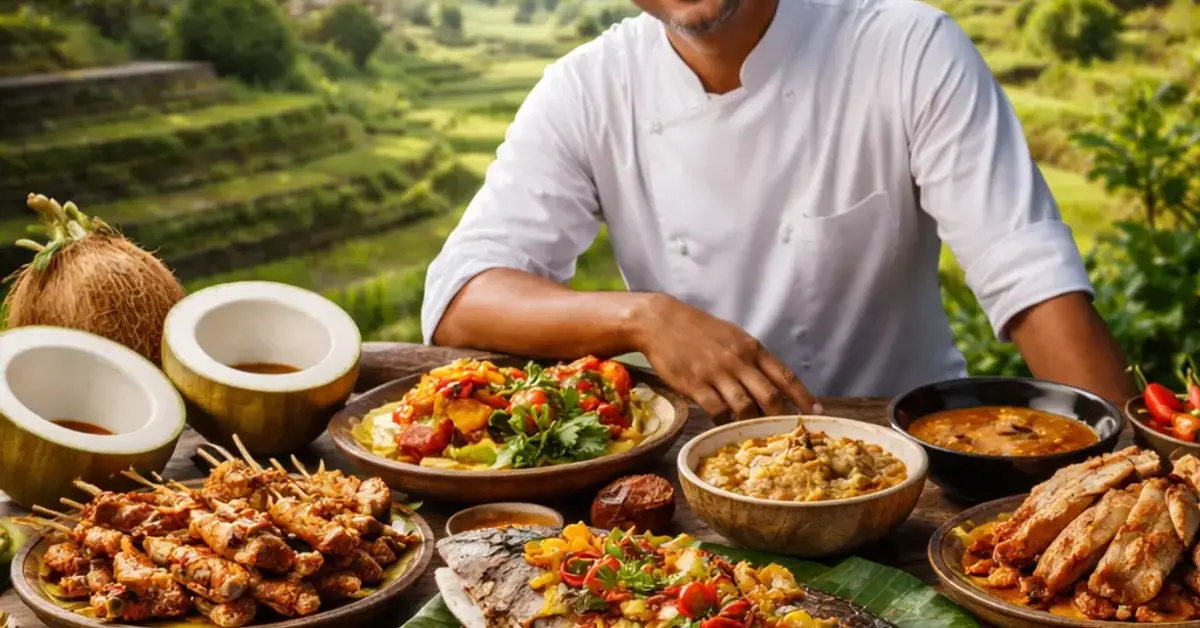
Bali has become a global hub for culinary tourism, drawing food travelers, digital nomads, and expats who crave authentic tropical tastes. For Chef Juan Gadi, who leads Kilig Filipino Warung in Ubud and curates private villa dinners, the question is not whether Filipino and Balinese cuisines can merge—it is how beautifully they already do. The Filipino and Balinese cuisine comparison reveals striking parallels: both rely on coconut based cooking Philippines Indonesia, both balance spicy sweet savory Filipino flavors with aromatic herbs, and both celebrate tropical island cuisine flavors that feel familiar yet distinct. For a related guide, see 15 Top Reasons to Visit Kilig Bali Filipino Warung in Ubud, Bali.
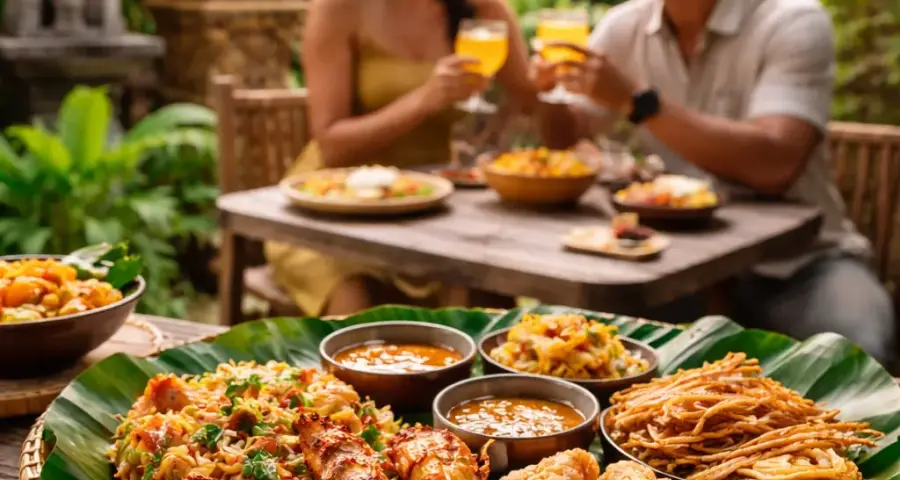
This article goes beyond a simple list. It offers a practical, expert-driven look at how ten core Filipino flavors naturally complement Balinese dishes, supported by Chef Juan’s hands-on experience in Ubud’s kitchens. Whether you are a restaurant owner in Seminyak, a food blogger documenting Southeast Asian flavor profiles, or a traveler planning your next culinary adventure, these insights will deepen your appreciation for island cuisine flavor harmony.
How These Flavors Were Selected: Chef Juan Gadi’s Expertise
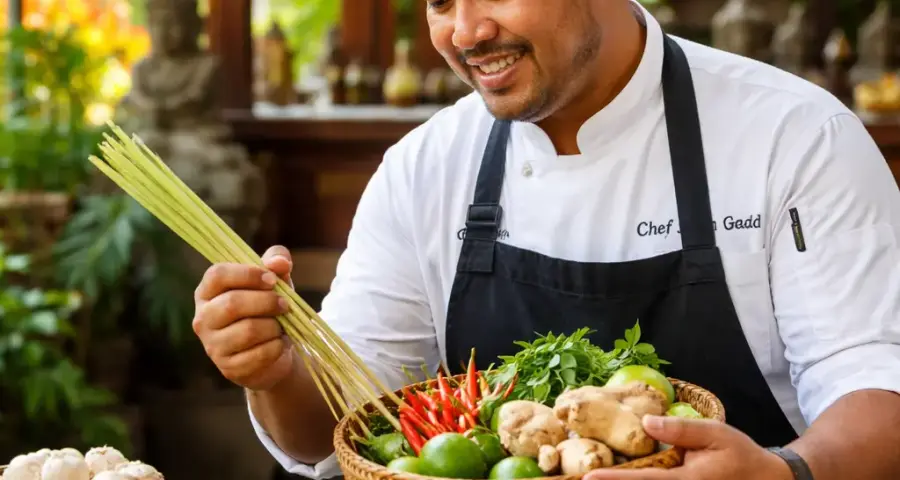
Chef Juan Gadi brings the heart of Filipino hospitality to Ubud, Bali. As an Executive Chef and consultant, he specializes in creating intimate, curated dining experiences that tell a story through every dish. His approach blends modern technique with a deep respect for tradition. For this guide, Chef Juan evaluated each flavor based on three criteria:
- Ingredient overlap: Does the Filipino flavor have a direct counterpart in Balinese cooking?
- Tropical compatibility: Does the flavor thrive in Bali’s climate and local produce landscape?
- Cultural resonance: Does the pairing honor both culinary identities without overshadowing either?
The result is a curated list of ten Filipino flavors that blend well with Bali culture, each explained with context, examples, and Chef Juan’s personal notes from his kitchen work.
1. Coconut Milk (Gata) – The Universal Tropical Base
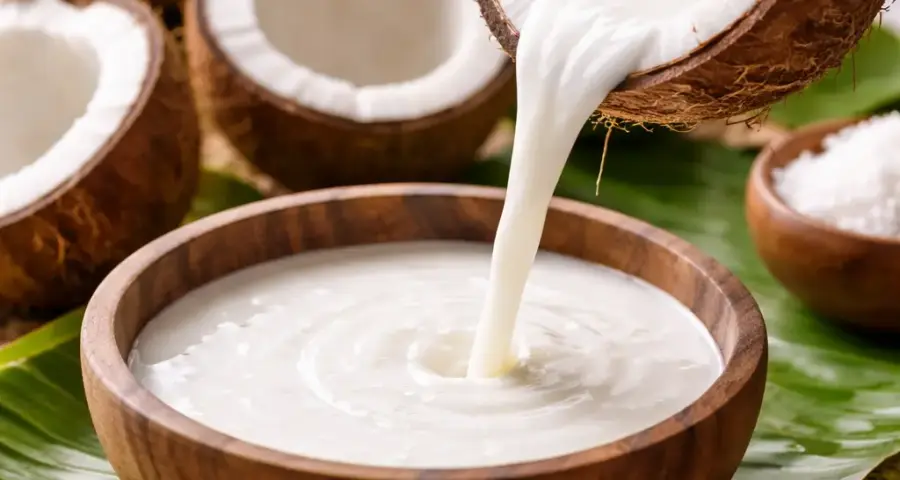
Coconut milk dishes Southeast Asia anchor both Filipino and Balinese kitchens. In the Philippines, gata enriches sinigang, laing, and ginataang bilo-bilo. In Bali, santen forms the soul of lawar, betutu, and sate lilit. Chef Juan explains: “Coconut milk is the liquid gold of tropical cooking. It carries spice, softens acid, and adds body without heaviness.” The tropical cooking style Philippines Indonesia both rely on fresh coconut milk to unify disparate ingredients—chilies, fish, taro leaves, or jackfruit. When you taste a Balinese curry side by side with Filipino ginataan, the shared food culture ASEAN countries becomes unmistakable.
How to Blend It in Bali
Try swapping Balinese santen into Filipino laing. Use fresh Balinese coconuts (kelapa) for a creamier result than canned versions. The natural sweetness of Balinese coconut milk complements the heat of chilies and the funk of shrimp paste, creating a balanced dish that fits both traditions.
2. Calamansi – The Citrus That Cuts Through Richness
Calamansi is a tiny citrus with a punchy sourness that brightens seafood, noodles, and marinades. Balinese cuisine uses limau (lime) in sambal matah, lawar, and seafood dishes. The Bali and Philippines cuisine comparison shows that calamansi and Balinese lime serve an identical role: they cut through the richness of coconut and fried foods. Chef Juan uses calamansi juice in place of lime in his Balinese lechon marinade, finding that its slightly floral acidity enhances the Balinese spice blends without overpowering them.
Pairing Idea
Drizzle calamansi juice over Balinese sate lilit (minced fish satay) just before serving. The citrus lifts the lemongrass and galangal flavors, making each bite brighter.
3. Patis (Fish Sauce) – The Umami Bomb
Filipino umami flavors often come from patis, a salty fish sauce used in adobo, sinigang, and kare-kare. Bali’s equivalent is kecap ikan or terasi (shrimp paste), which deliver the same deep, savory punch. Filipino and Indonesian food similarities are most evident in how both cultures use fermented seafood to add complexity. Chef Juan notes: “Patis and terasi are not interchangeable, but they are cousins. Patis is cleaner; terasi is funkier. Together in a marinade, they create an umami depth that feels like Southeast Asian gastronomy.”
Chef’s Tip
Blend patis with minced Balinese shallots, chilies, and palm sugar for a quick dipping sauce that works with grilled pork (like Filipino inihaw or Balinese babi guling).
4. Bagoong (Fermented Shrimp Paste) – The Funk That Connects
Bagoong alamang is a staple in Filipino kitchens, used for kare-kare, binagoongan, and as a side dip. Bali’s terasi is equally essential for sambal terasi, sayur urap, and lawar. Both are fermented shrimp pastes, though bagoong tends to be wetter and milder. The cultural food exchange Bali Philippines is alive in warungs where Chef Juan has served bagoong-marinated chicken alongside Balinese sambal. “Guests recognize the familiarity,” he says. “They ask, ‘Is this sambal or bagoong?’ That’s the food anthropology Southeast Asia—two cultures arriving at the same solution.”
How to Use It
Sauté bagoong with coconut cream and Balinese bay leaves (salam) for a quick kare-kare sauce that pairs beautifully with green papaya and fried tofu.
5. Palm Sugar (Panutsa) – The Caramel Sweetness
Filipino panutsa (unrefined cane sugar) and Balinese gula aren (palm sugar) both offer a complex, caramel-like sweetness that balances sour and spicy elements. Balinese food ingredients spices frequently include gula aren in sambals, bumbu bases, and desserts. Chef Juan uses panutsa in his adobo to soften the vinegar acidity, and he has successfully substituted Balinese gula aren in Filipino kakanin (rice cakes) with tropical cuisine harmony.
Pairing Idea
Drizzle a glaze of reduced palm sugar, tamarind, and chili over grilled fish or prawns. This works equally well for Filipino daing na bangus and Balinese ikan bakar.
6. Lemongrass – The Aromatic Bridge
Both Filipino and Balinese cuisines use lemongrass liberally. In the Philippines, it appears in tinola, chicken adobo, and sinigang. In Bali, it is foundational for base genep, sate lilit, and soup. Traditional Southeast Asian cooking styles treat lemongrass as a base aromatic, not just a garnish. Chef Juan explains: “Lemongrass is the scent of Southeast Asia. When you smell it, you know you are near a kitchen that respects the region’s island food traditions Southeast Asia.”
How to Layer It
Bruise lemongrass stalks and add them to boiling coconut milk with ginger and turmeric for a Filipino-inspired Balinese soup base. Strain and serve with chicken and green papaya.
7. Ginger (Luya) – The Warming Spice
Fresh ginger is central to Filipino cooking—it warms sinigang, flavors arroz caldo, and counters the richness of coconut. In Bali, ginger (jahe) appears in jamu (herbal drinks), bumbu sauces, and braises. The regional cuisine comparison shows that both cultures use ginger as a digestive aid and flavor enhancer. Chef Juan incorporates Balinese young ginger into his Filipino chicken inasal marinade, finding it adds a brighter heat than mature ginger.
Chef’s Application
Grate ginger into a paste with turmeric, shallots, and garlic. Rub onto chicken or fish, then grill over coconut husks for an aroma that bridges the two islands.
8. Chilies (Sili) – The Heat That Unites
Filipino cuisine uses chilies sparingly compared to Thai or Indonesian food, but sili (bird’s eye chili) has become a staple in modern Filipino dishes. Bali’s love for heat—through sambal terasi, sambal matah, and rawit—creates an obvious meeting point. Filipino street food flavor influence can be seen in how both cultures serve fried snacks with spicy vinegar or chili dips. Chef Juan suggests using Balinese rawit in a sinamak (spiced vinegar) to drizzle over Balinese pork satay, blending the best of both worlds.
Practical Pairing
Finely chop red and green chilies, mix with minced shallots, lime juice, and a pinch of salt. Serve as a fresh sambal alongside coconut based cooking Philippines Indonesia dishes.
9. Turmeric (Luyang Dilaw) – The Golden Spice
Turmeric colors and flavors many Filipino dishes like chicken curry, tuyo (fried dried fish) with turmeric, and desserts. Bali’s turmeric (kunyit) is essential for base genep, ikan pepes, and jamu. Balinese spice blends often feature fresh turmeric for its earthy, slightly peppery note. Chef Juan uses turmeric paste in his kilawin (Filipino ceviche) to echo the Balinese presentation of lawar, creating a dish that feels geographically at home on either island.
How to Use It
Grate fresh turmeric and mix with lime juice, shallots, and chilies. Dress cubed fish or shrimp and let it sit for 10 minutes. Serve on a banana leaf for a visual and flavor bridge.
10. Vinegar (Suka) – The Preserving Force
Filipino cuisine is famous for its vinegar-based dishes: adobo, paksiw, kilawin, and sinamak. Balinese cooking also uses vinegar (cuka) in some sambals, pickles (acar), and marinades. The Filipino food taste profile leans heavily on vinegar’s sharpness to balance richness, a characteristic less dominant in Bali but easily introduced. Chef Juan has found that Balinese cooks welcome the substitution of local coconut vinegar (cuka kelapa) in Filipino adobo, resulting in a dish that smells and tastes like Southeast Asian flavor profiles.
Pairing Idea
Marinate pork belly in coconut vinegar, garlic, bay leaves, and peppercorns (Filipino adobo style). Slow-braise until tender, then shred and serve atop Balinese lawar for a fusion dish that satisfies both cravings.
Comparing the Cuisines: A Quick Reference Table
| Flavor Element | Filipino Equivalent | Balinese Equivalent | Shared Use |
|---|---|---|---|
| Coconut milk | Gata | Santen | Curries, stews, desserts |
| Citrus | Calamansi | Limau | Marinades, dipping sauces |
| Fish sauce | Patis | Kecap ikan | Umami base, marinades |
| Shrimp paste | Bagoong | Terasi | Sambals, stews |
| Sweetener | Panutsa | Gula aren | Glazes, desserts |
| Aromatic herb | Tanglad | Sereh | Soups, curries |
| Warming spice | Luya | Jahe | Marinades, braises |
| Heat source | Sili | Cabe rawit | Sambals, vinegar dips |
| Golden spice | Luyang dilaw | Kunyit | Pastes, ceviches, rice |
| Acidity | Suka (coconut vinegar) | Cuka kelapa | Marinades, braises |
Why Filipino Flavors That Blend Well With Bali Culture Create Better Travel Experiences
Understanding these flavor connections transforms how you eat and cook in Bali. When you know that the Balinese food ingredients spices you taste in lawar are also the base of Filipino kare-kare, you appreciate the food anthropology Southeast Asia behind each meal. Chef Juan’s work at Kilig Filipino Warung and in private villa dinners is built on this insight: travelers want more than a meal—they want a story. By highlighting Filipino culinary identity abroad through shared flavors, he invites guests to see Bali through a broader lens of island cuisine flavor harmony.
For food bloggers and content creators, these pairings offer rich material for articles, videos, and social posts. A dish that marries Filipino adobo with Balinese sambal is not just delicious—it is a narrative about migration, adaptation, and Southeast Asian gastronomy. For tourism marketers and restaurant owners, integrating these flavors can create menu items that appeal to both local Balinese diners and the large Filipino expat community in Bali.
Useful Resources
For a deeper dive into ASEAN culinary similarities, visit Banana and Rice, a site dedicated to Filipino food culture and its global influences. For Balinese spice blends and cooking techniques, explore My Easy Cooking Balinese Recipes for authentic home cooking methods.
Filipino Flavors That Blend Well With Bali Culture are more than a culinary trend—they are a testament to the shared heritage and tropical harmony that unites Southeast Asian island nations. By embracing these flavors, chefs, travelers, and food lovers can experience the true depth of Southeast Asian gastronomy and celebrate the tropical cuisine harmony that connects the Philippines and Bali. Chef Juan Gadi’s work in Ubud is a living example of how food transcends borders, inviting us all to the table. For a related guide, see 14 Traditional Pinoy Foods Loved in Tropical Bali.
Frequently Asked Questions About Filipino Flavors That Blend Well With Bali Culture
What Filipino flavors blend well with Balinese cuisine?
Coconut milk, calamansi, patis, bagoong, palm sugar, lemongrass, ginger, chilies, turmeric, and vinegar are the ten Filipino flavors that blend naturally with Balinese dishes, thanks to shared tropical ingredients and cooking methods.
Why do Filipino and Balinese flavors taste similar?
Both cuisines share a foundation of coconut milk, fermented seafood, fresh aromatics, and souring agents, rooted in a common tropical geography and historical trade routes across Southeast Asia.
How does Southeast Asian cuisine influence Filipino flavors?
Filipino cuisine borrows from Malay, Chinese, Spanish, and indigenous traditions. The use of coconut, chilies, and fermented sauces aligns with broader Southeast Asian flavor profiles seen in Thai, Indonesian, and Vietnamese cooking.
What ingredients are shared between Philippines and Bali cooking?
Shared ingredients include coconut milk, lemongrass, ginger, turmeric, chilies, palm sugar, fish sauce, shrimp paste, and lime or calamansi—all staples of coconut based cooking Philippines Indonesia.
How do coconut based dishes connect Filipino and Balinese food?
Coconut milk acts as a unifying base that carries spices and enriches stews, curries, and desserts in both cuisines, creating a direct link in tropical cooking style Philippines Indonesia.
What makes Filipino flavors suitable for tropical cuisine?
Filipino flavors lean on bright acidity, moderate heat, and rich coconut cream, which suit the hot, humid climate and complement the fresh produce and seafood available in tropical regions like Bali.
How do spices compare between Filipino and Balinese food?
Balinese cooking uses more varieties of fresh spices like kencur (aromatic ginger) and lesser galangal, while Filipino cuisine relies on garlic, ginger, and black pepper. Both share a base of turmeric, lemongrass, and chilies.
What are common flavor profiles in Filipino and Indonesian dishes?
Both cuisines balance spicy sweet savory Filipino flavors with sour and salty notes, often through vinegar, citrus, or fermented seafood, creating layered profiles that are familiar across ASEAN culinary similarities.
Why is Filipino food compatible with Bali culture?
Filipino food’s emphasis on communal eating, fresh tropical ingredients, and bold flavors mirrors Balinese values of community, ritual, and respect for natural produce, enabling a seamless cultural food fusion Southeast Asia.
How do island cuisines in Southeast Asia relate to each other?
Island cuisines across the Philippines, Indonesia, Malaysia, and Thailand share cooking methods like grilling over coconut husks, using banana leaves for wrapping, and fermenting seafood for umami, all part of island food traditions Southeast Asia.
Is calamansi widely available in Bali?
Yes, calamansi is becoming more common in Bali’s upscale markets and specialty grocers, thanks to its popularity among chefs and the Filipino community. Balinese limes can substitute when fresh calamansi is unavailable.
Can I cook Filipino adobo in Bali with local ingredients?
Absolutely. Use Balinese coconut vinegar, local garlic, bay leaves (salam substitutes work), and fresh peppercorns. Chef Juan recommends Balinese pork from Babi Guling vendors for an authentic texture.
What is the best Balinese dish for a Filipino fusion experiment?
Lawar is an excellent starting point. Its base of grated coconut, minced meat or chicken, and strong spices can be adapted with Filipino bagoong or calamansi for a hybrid that respects both traditions.
Are there Filipino restaurants in Bali that blend these flavors?
Yes, Kilig Filipino Warung in Ubud, led by Chef Juan Gadi, specializes in Filipino-Balinese fusion. Several other warungs and private dining services in Seminyak and Canggu also experiment with these cross-cultural flavors.
How does Filipino bagoong compare to Balinese terasi?
Bagoong is wetter, milder, and sometimes saltier, while terasi is dried, more concentrated, and funkier. Both serve as umami anchors in their respective cuisines and can be used interchangeably with adjustments.
What tropical ingredients are unique to Filipino cooking in Bali?
Ingredients like kamias (bilimbi), sampalok (tamarind), and unripe papaya are less common in Balinese cooking but available in specialty markets. Chef Juan sources them for authentic Filipino dishes.
How can I learn more about Filipino-Balinese food fusion?
Follow Chef Juan Gadi’s work at Kilig Filipino Warung, join cooking classes in Ubud, or read food anthropology texts about Filipino Indonesian food connection to understand deeper cultural links.
Is coconut milk used the same way in Filipino and Balinese desserts?
Yes, both cultures use coconut milk in sticky rice desserts, sweet soups, and puddings. Filipino bilo-bilo and Balinese bubur injin are examples of this shared dessert tradition.
What cooking method bridges Filipino and Balinese cuisines best?
Grilling over natural coals or coconut husks is a common technique. Filipino inihaw and Balinese sate both rely on this method to impart smoky, tropical flavors.
Where can I find Filipino street food flavors in Bali?
Look for pop-up markets, Filipino-owned food stalls in Kerobokan, and events like the Ubud Food Festival, where Filipino street food flavor influence is often showcased alongside Balinese specialties.
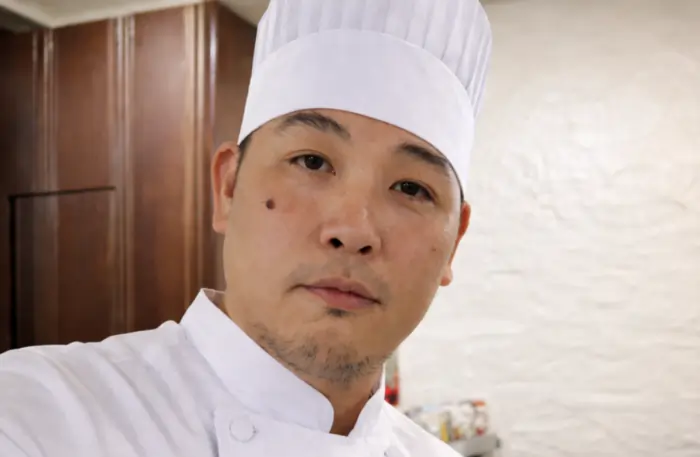
Chef Juan Gadi brings the heart of Filipino hospitality to Ubud, Bali. As an Executive Chef and consultant, he specializes in creating intimate, curated dining experiences that tell a story through every dish. Whether leading the kitchen at Kilig Filipino Warung or hosting a private villa dinner, Chef Juan’s approach is defined by warmth, modern technique, and a commitment to culinary excellence.