Comfort Foods That Reflect Filipino Hospitality Key Takeaways
Filipino culinary tradition is built on a deep-rooted culture of generosity, where every meal is an opportunity to show warmth and care.
- Comfort Foods That Reflect Filipino Hospitality include adobo, sinigang, and kare-kare, each rooted in communal dining and generosity.
- These dishes reflect Filipino welcoming culture by being served in generous portions, often prepared specifically for guests, and always offered with a warm smile.
- Whether you’re a food blogger, an OFW sharing traditions abroad, or a culinary student, understanding how food expresses Filipino hospitality enriches both cooking and cultural appreciation.
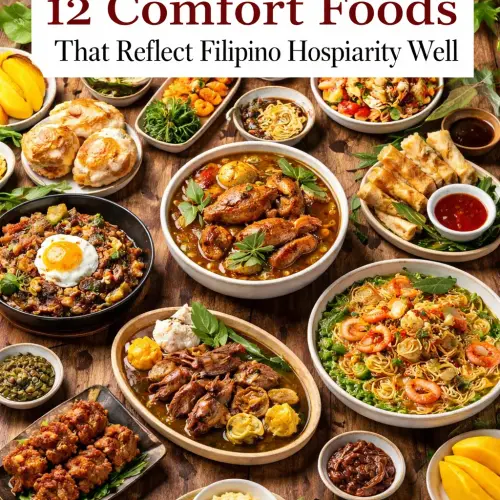
What Makes Comfort Foods That Reflect Filipino Hospitality So Unique?
In the Philippines, food is never just sustenance — it is a language of love and connection. When you ask What Filipino comfort foods show hospitality, the answer lies in dishes that are prepared with extra care, served in abundance, and meant to be shared. Filipino hospitality, or “magiliw na pagtanggap”, is expressed through the act of offering food even when the host has little. This is why comfort foods that reflect Filipino hospitality are often rich, slow-cooked, and brimming with flavor — they tell a story of sacrifice and joy. For a related guide, see 12 Filipino Dishes That Connect Two Great Island Cultures.
From bustling city kitchens to rural bamboo huts, the same spirit prevails: a guest is treated like family. According to the National Commission for Culture and the Arts (NCCA), food sharing is central to Filipino social life, reinforcing kinship and community bonds. Let’s dive into the 12 dishes that best illustrate which dishes reflect Filipino welcoming culture and why they matter.
1. Adobo: The National Comfort Dish of Generosity
No list of Filipino comfort foods is complete without adobo. This iconic dish — usually chicken or pork braised in vinegar, soy sauce, garlic, and peppercorns — is a staple at family reunions and surprise visits. When you consider What meals are served to guests in Filipino homes, adobo almost always tops the list because it can be prepared in advance and tastes even better the next day. For a related guide, see 10 Filipino Comfort Foods That You Must Try While in Bali.
The cultural significance of adobo in hospitality lies in its versatility and rich flavor. It shows that the host took time to marinate and slow-cook the meat, a clear sign of care. Many Filipino households keep a pot of adobo ready, knowing that how sharing food shows Filipino values is through the act of offering a familiar, comforting dish. Adobo also travels well, making it ideal for “dalamhati” (condolence) gatherings where communities come together.
2. Sinigang: The Hearty Sour Soup of Welcome
Sinigang, a tamarind-based soup with vegetables and pork, beef, or shrimp, is a perfect answer to What foods represent Filipino generosity. Its sour, savory broth warms the heart and signals that a meal was made from scratch using fresh, local ingredients. In many provinces, sinigang is the go-to dish when unexpected visitors arrive — the host simply adds more water and vegetables to stretch the meal.
This dish symbolizes warmth in Filipino culture because it is both nourishing and forgiving. You can use any protein or vegetable available, reflecting the Filipino value of “diskarte” (resourcefulness) wrapped in kindness. When asking How does food express Filipino hospitality, sinigang’s ability to accommodate extra guests with a smile is a classic example.
3. Kare-Kare: The Festive Peanut Stew of Sharing
Kare-kare, a rich stew of oxtail or tripe with peanut sauce and bagoong (fermented shrimp paste), is traditionally served during town fiestas, birthdays, and family “salu-salo” (shared meals). It answers the question Why do Filipinos value feeding guests by being a high-effort dish — the lengthy cooking process shows deep respect for visitors.
The communal aspect of kare-kare highlights how comfort foods strengthen Filipino relationships. It is brought to the table in a single large bowl for everyone to share, often with a side of steamed vegetables that guests can dip in the sauce. In Filipino culture, the act of sharing sauce from the same bowl signifies unity and trust.
4. Lechon Baboy / Liempo: The Celebratory Roast for Everyone
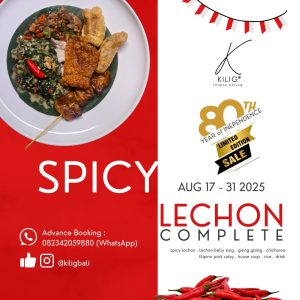
Crispy lechon (whole roasted pig) or lechon liempo (roasted pork belly) is the ultimate symbol of generosity. These dishes help explain Which foods represent Filipino generosity by showing that a host is willing to spend money and effort purely for the joy of feeding others. Lechon is the centerpiece of baptisms, weddings, and Christmas gatherings.
What are common dishes offered to visitors in the Philippines? If the occasion is special, lechon is almost guaranteed. Its crackling skin and tender meat are shared among guests, often with a dipping sauce made of vinegar, liver, and spices. The act of carving and distributing lechon among guests is a ritual that strengthens communal bonds.
5. Pancit (Pancit Bihon, Pancit Canton): Noodles for Long Life and Connection
Pancit — stir-fried noodles with vegetables, meat, and seafood — is a staple at every Filipino celebration. It provides insight into What is Filipino hospitality cuisine by being both a comfort food and a symbol of longevity. According to Chinese-Filipino tradition, the long noodles represent a wish for a long, prosperous life for guests.
Pancit is often the first dish served when someone arrives, especially for “pabday” (birthday) or “pasalubong” (welcome home) occasions. It is also a humble offering — you can prepare it with leftover vegetables and proteins, demonstrating that how Filipino comfort foods build connection is through resourcefulness and sharing. The dish is meant to be eaten immediately, bringing people together around the table.
6. Bulalo: The Bone Marrow Soup Comfort of Loved Ones
Bulalo, a slow-cooked beef shank soup with vegetables, is the epitome of traditional Filipino comfort meals served during cold weather or when someone needs healing. It answers How do comfort foods strengthen Filipino relationships through its long, meditative preparation — the broth takes hours to boil, infusing marrow and collagen that nourish both body and soul.
When a family member or guest is sick or sad, bulalo is prepared as a gesture of deep care. The host will often insist on refilling the bowl, a practice that clearly explains why hospitality is important in Filipino cuisine. The dish is never just food; it is a hug in a bowl.
7. Batchoy or Mami: The Welcome Bowls of the Neighborhood
Batchoy (pork innards soup with egg noodles) and mami (chicken or beef noodle soup) are beloved street foods that also make it to home kitchens. They show What meals are served to guests in Filipino homes when hosts want something comforting and quick. These soups are often offered to neighbors or distant relatives who drop by unexpectedly.
The generosity of these dishes lies in the toppings — soft-boiled egg, fried garlic, and chicharrón bits are added liberally. This reinforces how sharing food shows Filipino values such as “bayanihan” (community spirit). In many provinces, the aroma of batchoy signals that the home is open to all.
8. Ginataang Gulay / Ginataang Manok: Coconut Cream Comfort in Harmony
Ginataang dishes — vegetables or chicken slow-cooked in coconut milk with ginger and chili — are common in the Visayas and Bicol regions. They address What Filipino comfort foods show hospitality with their rich, creamy texture that guests find instantly comforting. Coconut milk is a precious ingredient in Filipino cooking, and using it shows that the host prepared something special.
These dishes are often cooked outdoors using a “kalan” (wood stove), which creates a communal atmosphere. When asking How does food express Filipino hospitality, the act of cooking for hours over an open fire exemplifies sacrificial giving. The dish is also flexible — you can add more fish or chicken to feed extra guests.
9. Dinuguan: The Polarizing Blood Stew That Strengthens Trust
Dinuguan, a savory stew made from pork blood and innards, might be an acquired taste, but it is a powerful symbol of hospitality. It answers Which dishes reflect Filipino welcoming culture precisely because it is often served to close friends and family who understand the richness of its flavor. Dinuguan is traditionally paired with puto (rice cakes) and is common during town fiestas.
Sharing dinuguan is a sign of deep trust — the host offers this dish only to those they consider part of their inner circle. This reinforces how comfort foods strengthen Filipino relationships by creating a sense of intimacy. The dish shows that Filipino hospitality is not only about abundance but also about vulnerability and sharing something personal.
10. Tortang Talong: The Humble Eggplant Omelet of Everyday Hospitality
Tortang talong — a grilled eggplant omelet served with ketchup or vinegar — is an example of comfort foods that reflect Filipino hospitality in everyday life. It answers What foods are commonly cooked for family guests because it is simple, affordable, and can be elevated with ground meat or cheese. Filipinos often joke that “tortang talong” is the “welcome to the house” meal when the host has very little, turning scarcity into generosity.
This dish demonstrates that hospitality is not about expense but about effort. The host takes time to grill the eggplant, crack the eggs, and fry each piece carefully. How does food express Filipino hospitality? Through tortang talong, it says, “I did my best with what I have.”
11. Putong Bigas / Kutsinta: The Sweet Rice Cakes of Street-Level Welcome
Putong bigas (steamed rice cakes) and kutsinta (orange jelly rice cake) are staples at Filipino gatherings and are often given as “pasalubong” (welcome gifts) or served when neighbors visit. They help answer Why do Filipinos value feeding guests by showing that even simple snacks can convey deep warmth. These rice cakes are often eaten with coffee or as an afternoon merienda (snack).
The process of steaming these cakes requires patience — the batter must be carefully mixed and steamed until just right. This mirrors the Filipino belief that what dishes symbolize warmth in Filipino culture are those that take time and love. Serving puto alongside savory dishes like dinuguan or adobo is a classic expression of balance in hospitality.
12. Suman sa Lihiya with Mango: The Dessert of Togetherness
Suman sa lihiya (glutinous rice cake soaked in lye water, wrapped in coconut leaves) served with ripe mangoes and latik (coconut caramel) is a beloved dessert that closes a Filipino meal with sweetness. It addresses How do Filipino comfort foods build connection by being a hands-on food — guests unwrap the suman themselves, dipping it in sugar or coconut syrup, which creates a shared interactive experience.
This dish is commonly prepared during the holiday season or for family reunions. It emphasizes what are traditional Filipino comfort meals by being both humble and celebratory. When a host goes the extra mile to prepare suman from scratch, they are saying: “You are important enough for me to start cooking days in advance.”
How to Offer These Dishes to Guests: Practical Tips for Modern Hosts
If you wish to recreate these comfort foods that reflect Filipino hospitality for your own guests, start with a few principles:
- Cook in abundance: Filipino hospitality is generous. Always prepare more than you think you will need.
- Use family-style serving: Place dishes in the center of the table so everyone can share. This embodies how sharing food shows Filipino values.
- Incorporate personal touches: Add your mother’s secret ingredient or a regional twist. This answers How does food express Filipino hospitality by infusing the dish with personal history.
- Pair with conversation: Filipino meals are long affairs. Encourage storytelling around the table to strengthen bonds.
For OFWs, expats, and food bloggers, sharing these dishes abroad is a vital way of preserving identity. Many Filipino community centers host “dampa” (food-sharing events) where these dishes are prepared for locals, helping answer What Filipino comfort foods show hospitality in a global context.
Useful Resources
For deeper cultural and culinary insights, explore these trusted sources:
- National Commission for Culture and the Arts – Filipino Food and Culture: Official resource on how food reflects Filipino social values, including hospitality and community.
- Pepper.ph – Modern Filipino Recipes: A popular blog by Aileen Anastacio offering detailed recipes and stories behind each comfort dish.
From the sour warmth of sinigang to the sweet finish of suman, these 12 comfort foods that reflect Filipino hospitality capture the essence of what it means to be Filipino: generous, welcoming, and deeply connected to one another through the simple yet profound act of sharing a meal.
Frequently Asked Questions About Comfort Foods That Reflect Filipino Hospitality
What Filipino comfort foods show hospitality ?
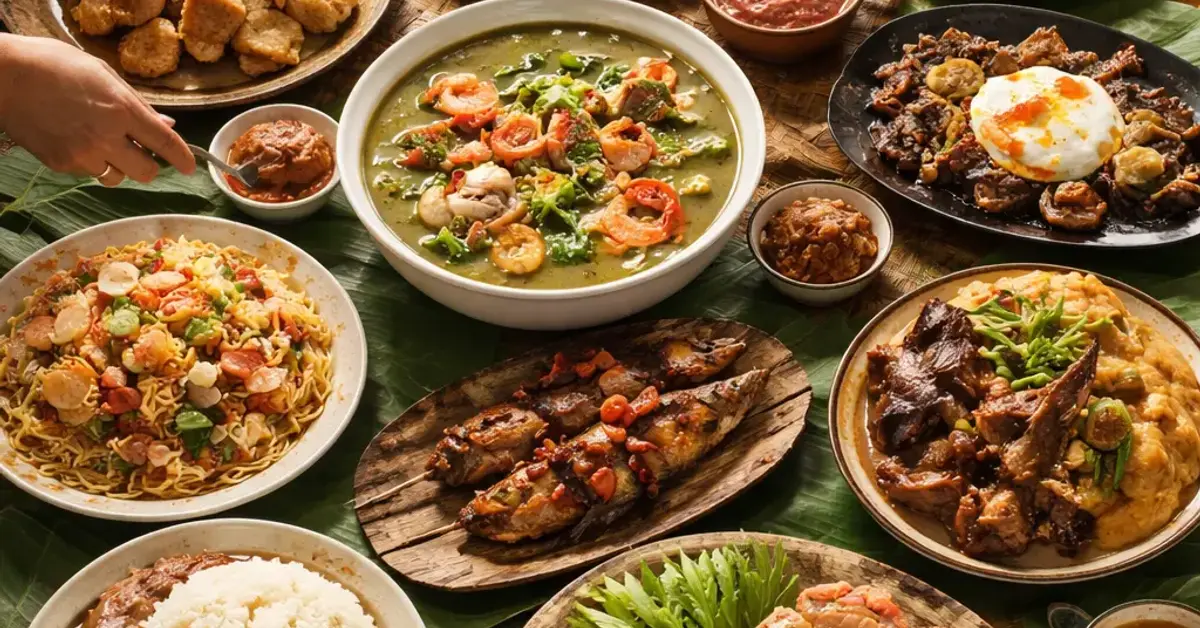
Adobo, sinigang, kare-kare, lechon, pancit, bulalo, batchoy, ginataang gulay, dinuguan, tortang talong, putong bigas, and suman sa lihiya are the 12 key comfort foods that reflect Filipino hospitality.
Which dishes reflect Filipino welcoming culture ?
Adobo, sinigang, and pancit are among the most common dishes that reflect Filipino welcoming culture because they are easy to scale for extra guests and are always prepared with care.
How does food express Filipino hospitality ?
Food expresses Filipino hospitality through generous portions, home-cooked meals, and the act of offering something even when resources are thin. How food expresses Filipino hospitality is seen in the way hosts insist on feeding guests until they are full.
Why is hospitality important in Filipino cuisine ?
Hospitality is central to Filipino cuisine because it reflects the cultural value of “pakikisama” (getting along). Why hospitality is important in Filipino cuisine is evident in the communal dining practices and sacrificial preparations.
What meals are served to guests in Filipino homes ?
What meals are served to guests in Filipino homes include adobo, sinigang, lechon kawali, pancit, and dessert such as leche flan or suman. The host often asks the guest what they like to eat beforehand.
How do Filipino comfort foods build connection ?
Filipino comfort foods build connection by being shared family-style, often with hands, and by encouraging storytelling. How Filipino comfort foods build connection is through the communal act of eating from one pot or bowl.
What are common dishes offered to visitors in the Philippines ?
What are common dishes offered to visitors in the Philippines include pancit, lumpia, adobo, and fresh fruits. For longer stays, hosts may prepare sinigang or kare-kare.
Which foods represent Filipino generosity ?
Lechon, whole roasted pig, and bulalo with marrow-filled bones represent Filipino generosity through their size and richness. Which foods represent Filipino generosity also includes any dish cooked in large batches for unexpected guests.
How does sharing food show Filipino values ?
Sharing food shows Filipino values such as “bayanihan”, “malasakit”, and “utang na loob”. How sharing food shows Filipino values is apparent when hosts offer their best ingredients without expecting something in return.
What are traditional Filipino comfort meals ?
What are traditional Filipino comfort meals include arroz caldo, goto, champorado, sinigang, bulalo, and adobo. These dishes are often associated with childhood memories.
Why do Filipinos value feeding guests ?
Filipinos value feeding guests because it is a way of showing respect, love, and belonging. Why do Filipinos value feeding guests ties back to the culture of “pakikipagkapwa” (shared humanity).
What dishes symbolize warmth in Filipino culture ?
Sinigang and bulalo symbolize warmth in Filipino culture because of their hot, nurturing broths. What dishes symbolize warmth in Filipino culture also includes ginataan, which is rich and creamy.
How does Filipino cuisine reflect kindness and care ?
Filipino cuisine reflects kindness and care by its preparation methods — slow stewing, hand-pounding ingredients, and presenting food beautifully. How does Filipino cuisine reflect kindness and care includes the tradition of “abot” (sharing food with neighbors).
What foods are commonly cooked for family guests ?
What foods are commonly cooked for family guests include adobo, sinigang, pancit, ginataang gulay, and chicken afritada. These dishes are versatile and beloved by all ages.
How do comfort foods strengthen Filipino relationships ?
Comfort foods strengthen Filipino relationships by serving as a medium for forgiveness, celebration, and bonding. How comfort foods strengthen Filipino relationships is most visible during “salo-salo” (shared feasts) where conflicts are resolved.
Is lechon considered a comfort food?
Yes, lechon is considered a comfort food because it is associated with happy gatherings and is often the centerpiece of celebrations. It is a prime example of comfort foods that reflect Filipino hospitality.
Can these dishes be made vegetarian?
Many Filipino comfort dishes can be made vegetarian: sinigang can be made with tokwa (tofu) and mushroom, pancit can be all-vegetable, and ginataang gulay is naturally plant-based. This flexibility shows that what dishes symbolize warmth in Filipino culture can adapt to all guests.
How can OFWs share these comfort foods abroad?
OFWs can share these comfort foods by bringing dried ingredients such as sinigang mix and pancit canton, or by recreating recipes with local substitutes. This practice continues the tradition of comfort foods that reflect Filipino hospitality overseas.
What is the easiest dish to prepare for Filipino guests?
Pancit bihon is considered the easiest dish to prepare because it uses simple ingredients and cooks quickly. It is also a classic answer to what meals are served to guests in Filipino homes.
Do Filipino comfort foods vary by region?
Yes, comfort foods differ by region: Bicol has ginataang dishes, Ilocos has igado and pinakbet, and Pampanga has sisig and kare-kare. However, the value of comfort foods that reflect Filipino hospitality remains consistent across all regions.
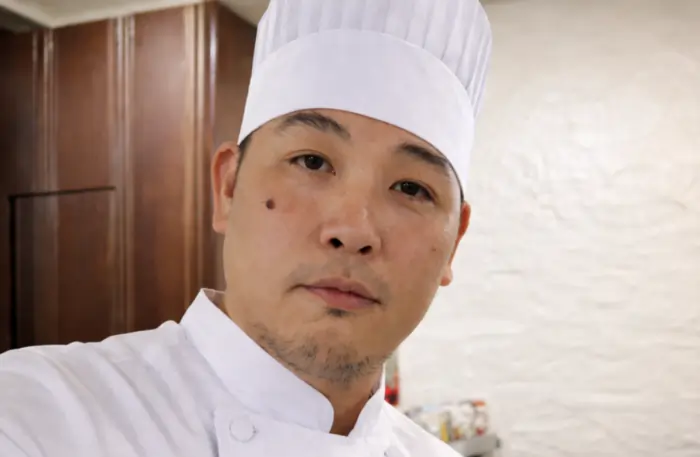
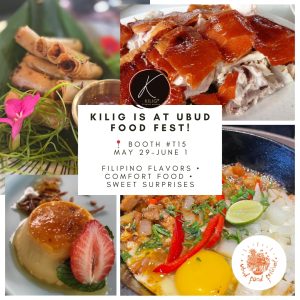
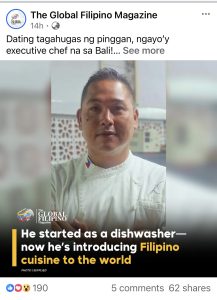
Chef Juan Gadi brings the heart of Filipino hospitality to Ubud, Bali. As an Executive Chef and consultant, he specializes in creating intimate, curated dining experiences that tell a story through every dish. Whether leading the kitchen at Kilig Filipino Warung or hosting a private villa dinner, Chef Juan’s approach is defined by warmth, modern technique, and a commitment to culinary excellence.