Heritage Dishes Every Filipino Must Definitely Know Key Takeaways
Filipino cuisine is a vibrant tapestry woven from indigenous traditions, centuries of trade, and colonial influences.
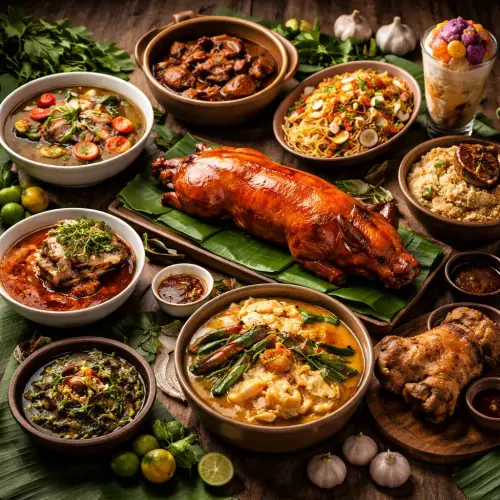
- Heritage Dishes Every Filipino Must Definitely Know include icons like adobo, sinigang, and lechon, each carrying centuries of cultural memory.
- These dishes reveal the fusion of Malay, Chinese, Spanish, and American influences that define Filipino culinary heritage .
- Preserving these recipes is vital for passing down family traditions and maintaining a connection to regional roots across the diaspora.
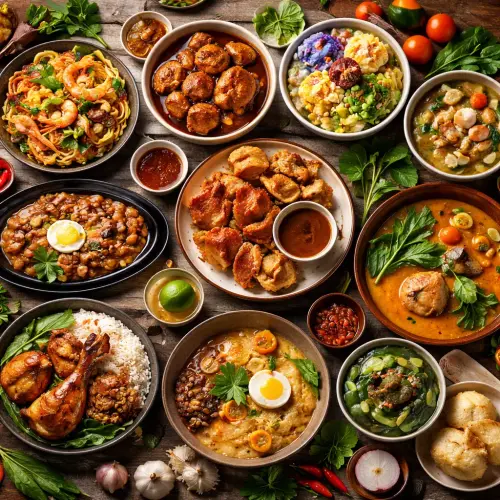
Why Understanding Filipino Heritage Dishes Matters Today
For food historians, culinary students, and OFWs reconnecting with their roots, exploring Filipino heritage dishes is more than a gastronomic exercise. It is an act of cultural preservation. Each dish tells a story of adaptation—how communities used local ingredients, borrowed techniques from traders, and transformed foreign concepts into something uniquely Filipino. From the fiery vinegar-based stews of Luzon to the coconut-rich curries of Mindanao, these meals represent a living archive of history. For a related guide, see 12 Filipino Dishes That Connect Two Great Island Cultures.
In an era where global fast food threatens local traditions, knowing and cooking these classics becomes a quiet act of resistance. The Philippine culinary scene, both at home and abroad, is experiencing a renaissance. Chefs and home cooks alike are rediscovering heirloom recipes, and this renewed interest makes it the perfect time to learn what makes these dishes truly iconic.
The Role of Geography and Trade in Shaping Classics
The Philippines’ archipelagic nature created distinct regional cuisines. The arrival of Chinese traders brought soy sauce and noodles. Spanish colonization introduced tomatoes, garlic, and longganisa. American influence added canned goods and processed meats. Yet, each influence was indigenized, producing what we now recognize as Filipino cultural classics.
10 Timeless Heritage Dishes You Need to Know
Below is a curated list of ten dishes that every Filipino, food researcher, or cultural traveler should understand. They are not just recipes; they are narratives of Filipino ingenuity and communal spirit.
1. Adobo: The Unofficial National Dish
No list of iconic Filipino traditional foods is complete without adobo. At its core, it is meat (usually chicken or pork) braised in vinegar, soy sauce, garlic, bay leaves, and peppercorns. The cooking technique—a method of preservation using vinegar—predates Spanish colonization, making it a pure Filipino culinary heritage dish. Every family has its secret ratio, making adobo a deeply personal expression of home. For a related guide, see 15 Filipino Meals That Celebrate Rich Heritage for Bali.
Cultural Significance: Adobo represents the Filipino value of pagtitipid (thrift) because it uses simple pantry staples. It also embodies adaptation; cooks have created dry, saucy, or even coconut milk versions (Adobo sa Gata). Its ability to taste better the next day makes it a staple for baon (packed lunches) and family gatherings.
2. Sinigang: The Sour Comfort Soup
Sinigang is a tamarind-based soup that showcases the Filipino love for sour flavors. Typically made with pork, shrimp, or fish, and loaded with vegetables like kangkong, radish, and okra, it is the ultimate comfort food for rainy days.
Historical Roots: The use of souring agents (tamarind, guava, kamias) is deeply indigenous. Sinigang reflects the pre-colonial practice of cooking with fresh, foraged ingredients. Today, it remains a test of a cook’s ability to balance sourness, saltiness, and umami—a skill passed down through generations.
3. Lechon: The Centerpiece of Celebration
Lechon, a whole roasted pig, is the undisputed king of Filipino feasts. Its crispy skin and tender, flavorful meat make it a requirement for birthdays, fiestas, and Christmas. While roasting whole animals is a practice found across many cultures, the Filipino version—especially from Cebu—is considered world-class.
Cultural Connection: Lechon is more than food; it is a symbol of abundance and community. Preparing it requires a village, from the butcher to the spit-turner. Sharing lechon reinforces bayanihan (communal unity), a core Filipino value.
4. Kare-Kare: The Rich Peanut Stew
Kare-kare is a thick stew made from oxtail, tripe, and vegetables, thickened with ground peanuts and annatto seeds for color. It is typically served with bagoong (fermented shrimp paste).
Influences and Identity: Its origins are debated—some trace it to the Royal Indian dish kari, while others point to Pampanga’s culinary creativity. Regardless, kare-kare demonstrates how Filipino cuisine historical influences from India and Southeast Asia were localized. The dish’s labor-intensive preparation shows the importance of slow cooking in heritage kitchens.
5. Pancit: The Noodle of Long Life
Pancit (noodles) arrived with Chinese traders and was instantly Filipinized. Pancit Canton (stir-fried egg noodles), Pancit Malabon (thick rice noodles with seafood), and Pancit Palabok (noodles in orange shrimp sauce) are just a few regional variations.
Symbolism: In Filipino culture, noodles represent longevity. Pancit is always present at birthday parties, New Year’s celebrations, and family reunions. It is a dish that bridges generations, often taught from grandmother to grandchild.
6. Lumpiang Sariwa: The Fresh Spring Roll
Unlike its fried cousin (lumpiang shanghai), Lumpiang Sariwa is a fresh spring roll filled with sautéed vegetables, sometimes pork or shrimp, wrapped in a soft crepe, and drizzled with a sweet peanut-garlic sauce. It is a healthier, more sophisticated representation of Filipino cuisine.
Why It Is a Classic: This dish highlights the freshness of local vegetables and the Filipino mastery of sauces. It is often served during special luncheons and demonstrates the delicate side of Filipino heritage dishes beyond the heavy stews.
7. Sisig: The Sizzling Culinary Innovation
Originating from Pampanga, sisig is made from chopped pig’s face and ears, seasoned with calamansi, chili, and onion, and served on a sizzling plate with an egg on top. It was originally a way to use every part of the animal, reflecting the Filipino ethos of walang sayang (no waste).
Modern Relevance: Sisig has evolved from a humble pulutan (bar snack) to an internationally recognized dish. It represents the innovative spirit of Filipino cuisine—transforming offcuts into a beloved classic. Many restaurants now offer chicken, tuna, or tofu versions.
8. Bicol Express: The Spicy Coconut Dream
Named after the train from Manila to Bicol, this dish is a spicy stew of pork, shrimp paste, and long green chilies cooked in rich coconut milk. It is a testament to the Bicol region’s love for heat and coconut.
Regional Identity: Bicol Express showcases how Filipino cultural classics are deeply regional. The use of gata (coconut milk) is a hallmark of Southern Luzon cooking. The dish’s heat level varies by cook, but its creamy, spicy profile is unmistakable.
9. Laing: The Dried Taro Leaf Delicacy
Laing is a Bicolano dish made from dried taro leaves cooked in coconut milk, chili, and shrimp paste. The leaves are rolled and simmered until they become tender and absorb the rich, spicy sauce.
Preservation Technique: This dish highlights a traditional method of preserving vegetables by drying them. It is a perfect example of resourcefulness—using ingredients that are abundant in the region. Laing is a must-try for those studying Filipino cuisine historical influences from the pre-colonial era.
10. Halo-Halo: The Iconic Dessert
Halo-halo (meaning “mix-mix”) is a shaved ice dessert topped with sweetened beans, fruits, leche flan, ube ice cream, and evaporated milk. It is the ultimate tropical refreshment.
Cultural Melting Pot: Halo-halo is a metaphor for the Philippines itself—a mix of influences (Japanese shaved ice, Spanish custard, local root crops) that comes together harmoniously. It is a dessert that brings families together during summer, and its endless customization makes it a personal favorite for many.
How These Dishes Reflect Filipino History and Identity
The Heritage Dishes Every Filipino Must Definitely Know collectively illustrate a culture rooted in family, community, and adaptation. These Filipino heritage dishes are not simply food; they are tangible links to ancestors who farmed the land, fished the seas, and cooked over open fires. They tell stories of Spanish friars introducing new ingredients, Chinese merchants teaching noodle-making, and American colonialism popularizing canned goods. Yet, the Filipino palate—always prioritizing sour, salty, and savory—remained distinctly unchanged.
Preserving Heritage in a Globalized World
For younger Filipinos and diaspora communities, cooking these dishes is an act of Filipino culinary heritage preservation. Social media has become a powerful tool, with home cooks and bloggers sharing family recipes online. Restaurants abroad now serve authentic versions, helping second-generation Filipinos connect with a homeland they may have never visited. This ensures that these iconic Filipino traditional foods will continue to evolve yet remain anchored in history.
| Dish | Key Ingredient | Primary Influence | Typical Occasion |
|---|---|---|---|
| Adobo | Vinegar, Soy Sauce | Indigenous + Chinese | Daily meals |
| Sinigang | Tamarind | Indigenous | Family dinners |
| Lechon | Whole Pig | Spanish + Indigenous | Fiestas, Christmas |
| Kare-Kare | Peanuts | Indian + Southeast Asian | Special occasions |
| Pancit | Noodles | Chinese | Birthdays, reunions |
| Sisig | Pig’s face | Indigenous innovation | Pulutan (bar snack) |
Practical Tips for Exploring These Classics
Whether you are a food blogger, a travel writer, or a restaurant owner, engaging with these dishes authentically requires more than just tasting. Here are practical steps to deepen your understanding:
Learn the Cooking Techniques
Master the basic methods: braising (adobo), souring (sinigang), roasting (lechon), and noodle stir-frying (pancit). Many cooking schools in Manila and Cebu offer heritage cuisine workshops.
Source Authentic Ingredients
Visit local wet markets or specialty stores. Use fresh tamarind for sinigang instead of powdered mixes. Seek out bagoong from the Ilocos region for a more authentic taste.
Document Family Recipes
If you have older relatives, ask for their recipes and write them down. These oral traditions are vanishing; capturing them preserves Filipino cultural classics for future generations.
Useful Resources
- Nolisoli.ph – A Philippine publication that frequently explores heritage food, regional cuisine, and food history.
- Pepper.ph – A recipe resource featuring authentic Filipino dishes, including step-by-step guides for heritage recipes.
Frequently Asked Questions About Heritage Dishes Every Filipino Must Definitely Know
What are heritage Filipino dishes everyone should know?
Everyone should know adobo, sinigang, lechon, kare-kare, pancit, lumpiang sariwa, sisig, Bicol Express, laing, and halo-halo. These are considered the foundation of Filipino heritage dishes.
Which Filipino foods are considered cultural classics?
Cultural classics include adobo, sinigang, lechon, kare-kare, pancit, sisig, Bicol Express, and halo-halo. They are deeply embedded in family traditions and national celebrations.
Why are heritage dishes important in Filipino cuisine?
Heritage dishes preserve indigenous cooking methods, regional ingredients, and historical narratives. They serve as edible archives that connect modern Filipinos to their ancestors and cultural roots.
What are the most iconic Filipino traditional foods ?
The most iconic are adobo (the national dish), sinigang (sour soup), lechon (roasted pig), and pancit (noodles). These are recognized both locally and globally as iconic Filipino traditional foods.
How do Filipino heritage dishes reflect culture?
They reflect values like bayanihan (community), pagtitipid (thrift), and walang sayang (no waste). The use of sour, salty, and savory flavors mirrors the Filipino palate developed over centuries of trade and colonization.
What meals represent Filipino history and identity?
Adobo (indigenous preservation), sinigang (pre-colonial sourness), lechon (Spanish influence), and pancit (Chinese trade) represent different layers of Philippine history.
Which Filipino dishes are passed down through generations?
Most heritage dishes are passed down, but adobo, pancit, kare-kare, and sinigang are the most commonly taught from mother to child, often without written recipes.
Why is Filipino traditional food culturally significant?
It is a marker of identity. Sharing traditional food during fiestas, holidays, and family gatherings reinforces social bonds and a shared sense of belonging.
How do heritage recipes preserve Filipino culture?
By using indigenous ingredients and techniques, these recipes keep pre-colonial and regional traditions alive. They offer a direct link to the past in an increasingly homogenized food world.
What are must-know Filipino classic dishes?
The must-know classics are adobo, sinigang, lechon, kare-kare, pancit, sisig, Bicol Express, lumpiang sariwa, laing, and halo-halo.
How does Filipino cuisine show historical influences?
It shows Chinese influence through pancit, Spanish through lechon and longganisa, American through canned goods and burgers, and Malay through coconut-based dishes like Bicol Express. Each influence was adapted to local tastes.
What foods define Filipino culinary heritage ?
Adobo, sinigang, lechon, kare-kare, pancit, and halohalo are definitive examples. They embody the principles of Filipino culinary heritage—balance of flavors, resourcefulness, and communal eating.
Why do Filipinos value traditional recipes?
Because these recipes are tied to memory—of home, of family, of childhood. They provide comfort and a sense of identity, especially for OFWs and diaspora communities.
What are examples of national Filipino dishes?
Adobo is often called the unofficial national dish. Lechon, sinigang, and pancit are also widely considered national dishes due to their popularity across the archipelago.
How do heritage foods connect Filipino families?
They are central to family gatherings, from Sunday lunches to Christmas feasts. Cooking these dishes together teaches younger generations about their heritage and strengthens family bonds.
Is adobo the same across all regions?
No. There are many regional variations: Adobong Puti (white adobo, no soy sauce), Adobo sa Gata (with coconut milk), and Adobong Manok at Pusit (chicken and squid). Each region adds its local touch.
What makes lechon different from other roasted pigs?
Filipino lechon is distinguished by its thin, crunchy skin achieved through continuous basting and a specific roasting process. Cebu lechon is especially famous for being well-seasoned inside the cavity with lemongrass and spices.
Can I find authentic heritage dishes outside the Philippines?
Yes, many Filipino restaurants in the US, Canada, Europe, and the Middle East serve authentic versions. Seek out eateries run by Filipino families for the most genuine preparations.
Are these dishes difficult to cook at home?
Some (like lechon) require special equipment, but many (adobo, sinigang, pancit) are easy for beginners. Focus on technique and sourcing good ingredients.
How can I support the preservation of Filipino heritage food?
Cook and share these recipes, support local Filipino restaurants, document family recipes, and follow heritage food advocates on social media. Every meal shared is a step toward preservation.
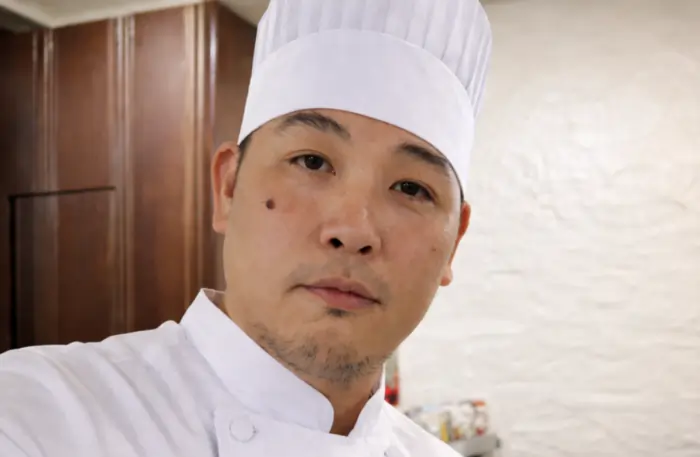
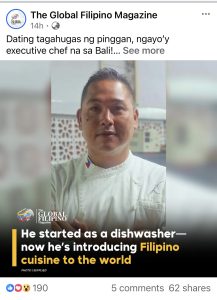
Chef Juan Gadi brings the heart of Filipino hospitality to Ubud, Bali. As an Executive Chef and consultant, he specializes in creating intimate, curated dining experiences that tell a story through every dish. Whether leading the kitchen at Kilig Filipino Warung or hosting a private villa dinner, Chef Juan’s approach is defined by warmth, modern technique, and a commitment to culinary excellence.