Traditional Foods That Define True Filipino Key Takeaways
Filipino cuisine is more than sustenance—it is a living archive of history, family, and community.
- Each dish tells a story of regional diversity and shared heritage, from adobo’s ubiquitous vinegar braise to sinigang’s sour comfort.
- Understanding these foods helps us see how food reflects Filipino identity—through communal dining (salu-salo), resourcefulness (using every part of the ingredient), and the centrality of rice.
- These traditional foods are not just recipes; they are cultural symbols that connect generations, especially for OFWs and diaspora communities preserving their roots.
What Traditional Foods Define Filipino Identity and Why They Matter
To understand what traditional foods define Filipino identity, you have to look beyond ingredients and cooking methods. Filipino dishes are deeply tied to the country’s geography—an archipelago of over 7,000 islands—and its history of trade, colonization, and resilience. Food in the Philippines is almost never eaten alone. The concept of salu-salo (communal eating) and kamayan (eating with hands) turns every meal into an act of connection.
These dishes are also markers of regional diversity. What defines a traditional foods that define true Filipino identity in Luzon may differ slightly in Visayas or Mindanao. Yet, across all regions, certain dishes have become national symbols because they reflect core Filipino values: family first, resourcefulness, hospitality, and the celebration of life’s simple joys.
As culinary students studying Southeast Asian cuisine or food historians know, these plates are not static. They evolve but remain anchors of memory, especially for younger Filipinos learning cultural roots and diaspora communities preserving identity abroad.
Which Filipino Dishes Represent National Culture? A Look at the 10 Most Iconic
Here are ten dishes that clearly answer the question: Which Filipino dishes represent national culture? Each one has a distinct story and a unique place in the Filipino heart and kitchen.
1. Adobo: The National Dish of Shared Heritage
Adobo is often the first answer when people ask, What are examples of iconic Filipino foods? This dish—meat (usually chicken or pork) braised in vinegar, soy sauce, garlic, bay leaves, and black pepper—is a masterclass in preservation. The vinegar, a nod to pre-colonial cooking techniques, allowed food to last in the tropical heat without refrigeration.
How does food reflect Filipino identity? In adobo, you see the Filipino genius for adaptation. Every family has its own version: some add coconut milk (adobo sa gata), others use oregano or liver spread. This regional and household variation is a hallmark of Filipino cooking—there is no single “correct” recipe, only the one your mother or grandmother made.
The dish also mirrors Spanish influence through the name (adobar meaning to marinate), but the technique is purely indigenous. Adobo is a daily comfort food, a party centerpiece, and a travel essential for OFWs who bring bottles of it abroad. It is, without question, one of the traditional foods that define true Filipino life.
2. Sinigang: The Sour Soul Food
Sinigang is the taste of a Filipino childhood—a clear, sour broth made with tamarind (or other souring agents like guava, kamias, or calamansi) and loaded with vegetables like kangkong (water spinach), radish, eggplant, and string beans. You can use pork, beef, shrimp, or fish.
When considering what dishes symbolize Filipino heritage, sinigang stands out because it embodies the Filipino preference for bold, sour flavors—a taste that many non-Filipinos find uniquely challenging and addictive. It is usually eaten with steamed rice and fish sauce (patis) on the side.
Sinigang is also a dish of resourcefulness. The souring agent depends on what is available regionally. In the Bicol region, they use santol. In the Visayas, batuan fruit is common. This shows how Filipino dishes reflect regional diversity while remaining unmistakably Filipino.
3. Lechon: The Centerpiece of Celebration
No feast is complete without lechon—a whole pig slowly roasted over charcoal until the skin is crackling crisp and the meat is tender. The preparation is a spectacle and a communal effort, often involving entire neighborhoods.
Why are traditional Filipino foods important? Lechon is a prime example. It marks milestones: baptisms, weddings, fiestas, Christmas. It is a symbol of abundance, generosity, and Filipino hospitality. The best-known version hails from Cebu, where the pig is stuffed with lemongrass, garlic, and spices, creating layers of flavor.
For food historians, lechon reveals influences from Spanish roasting techniques adapted to local tastes. The liver-based dipping sauce (sarsa) is a sweet-savory counterpoint to the rich meat. Lechon is more than food—it is a statement of community joy.
4. Kare-Kare: Oxtail Stew in Earthy Peanut Sauce
Kare-kare is a rich, thick stew made from oxtail (or tripe, pork hocks) cooked in a creamy peanut sauce, colored with annatto seeds, and served with a side of fermented shrimp paste (bagoong). The contrast between the nutty, mild stew and the salty, pungent bagoong is a classic Filipino flavor pairing.
Why is Filipino cuisine tied to identity and history? Kare-kare shows how food can be a bridge between indigenous and Chinese influences. The peanut base is thought to have been introduced by Chinese traders, while the use of bagoong is purely native. The dish is a slow-cooked labor of love, often served during special occasions and family reunions.
It also highlights how Filipino foods show cultural values—particularly patience and hospitality. Preparing kare-kare takes hours, but sharing it with loved ones makes the effort worthwhile.
5. Sisig: The Sizzling Icon of Kapampangan Grit
Originating from Pampanga, the culinary capital of the Philippines, sisig is a chopped, sizzling dish made from pig’s face (maskara) and liver, seasoned with calamansi, chili, and onions. It is often topped with a raw egg that cooks on the hot plate.
How do traditional meals connect Filipinos? Sisig is a perfect example of transformation. It started as a way to use every part of the pig—a reflection of Filipino resourcefulness—and became a national bar food and a symbol of Kapampangan creativity. Today, you find sisig variations using chicken, tofu, or seafood.
The dish is deeply tied to identity. It is served in carinderias (eateries) and high-end restaurants alike, crossing social classes. For OFWs, the sound and smell of sizzling sisig instantly evoke home.
6. Bicol Express: The Fiery Taste of Bicol Region
Named after the train that traveled between Manila and Bicol, this dish is a spicy coconut milk-based stew of pork, shrimp paste (bagoong), and plenty of siling labuyo (bird’s eye chili). It is creamy, salty, and searingly hot.
What foods are considered culturally significant in the Philippines? Bicol Express is culturally significant because it showcases the region’s love for coconut and chili. The Bicol region is known for its coconut-heavy cuisine, and this dish is a testament to how geography shapes taste. It also shows the Filipino embrace of heat—not as a challenge, but as a source of flavor.
For culinary students, Bicol Express is a perfect case study in how Filipino dishes reflect regional diversity and the adaptability of Filipino home cooks.
7. Pancit: Noodles for Long Life and Celebration
Pancit (noodles) is a family of dishes brought by Chinese traders and fully embraced by Filipinos for every festive occasion. Pancit bihon (thin rice noodles), pancit canton (thick egg noodles), and pancit malabon (with seafood and a thick sauce) are just a few versions.
What meals best represent Filipino heritage? Pancit is a must at birthday parties—the long noodles symbolize long life. It is also a fast, one-pan meal that feeds many, embodying the Filipino value of sharing.
The dish is a powerful example of how food reflects Filipino identity through adaptability. Pancit absorbs the flavors of whatever vegetables, meat, or seafood are available, resulting in countless regional variations. Each plate is a story of migration, trade, and celebration.
8. Lumpia: The Crispy Roll of Festivity
Lumpia are fresh or fried spring rolls filled with a savory mix of ground meat, vegetables, and sometimes shrimp. Lumpiang Shanghai (the crispy, fried version) is the most popular party finger food in the Philippines.
Why do Filipinos value traditional cuisine? Lumpia is perfect for gatherings because it is easy to share, can be made in large batches, and is loved by children and adults alike. The process of wrapping lumpia is often a family affair—a chance to bond while working together.
Lumpia also highlights Chinese influence in Filipino food, yet it has been completely indigenized. The sweet chili dipping sauce or vinegar-garlic dip is distinctly Filipino. It is a dish that has traveled with the diaspora, becoming a symbol of Filipino potlucks worldwide.
9. Halo-Halo: The Dessert of Summer and Memory
Halo-halo (meaning “mix-mix”) is a shaved ice dessert layered with sweetened beans, coconut strips, sago, leche flan, ube (purple yam) ice cream, and various jellies, all topped with evaporated milk and a scoop of purple yam jam. You mix everything together before eating.
How does food preserve Filipino culture? Halo-halo is a masterful blend of indigenous ingredients (ube, macapuno, sago) and colonial influences (leche flan from Spain, ice from Americans). It is the taste of hot afternoons, family trips to the market, and long conversations with friends.
The dish is a sensory explosion—crunchy, creamy, cold, and sweet. It perfectly answers the question: What are classic Filipino identity dishes? Halo-halo is chaotic, colorful, and sweetly complex, much like the Filipino culture itself.
10. Bibingka and Puto Bumbong: The Christmas Morning Pair
Bibingka is a rice cake baked in a clay pot lined with banana leaves, topped with salted egg, cheese, grated coconut, and butter. Puto bumbong is a purple, tube-shaped rice cake made from a special variety of glutinous rice (pirurutong), steamed in bamboo tubes, and served with grated coconut and brown sugar.
Why are traditional Filipino foods important? These two treats are inseparable from the Filipino Christmas tradition. You find them being sold outside churches after the dawn masses (Simbang Gabi). The smell of banana leaves, the warmth of the bibingka, and the unique color of puto bumbong signal the most wonderful time of the year for Filipinos everywhere.
They represent how traditional foods that define true Filipino identity are woven into the rhythm of the year—marking seasons, celebrations, and faith.
| Dish | Key Flavor | Occasion | Regional Variation |
|---|---|---|---|
| Adobo | Salty-sour | Daily, special occasions | Adobo sa gata (Bicol) |
| Sinigang | Sour-savory | Daily comfort food | Sinigang sa miso (Iloilo) |
| Lechon | Rich, crispy | Fiestas, celebrations | Cebu lechon (stuffed) |
| Kare-Kare | Nutty, savory | Family gatherings | With crispy pork hock |
| Sisig | Sizzling, citrusy | Bar food, merienda | Sisig kapampangan (original) |
| Bicol Express | Spicy, coconut | Daily | Regional chili variations |
| Pancit | Savory, saucy | Birthdays, gatherings | Pancit Malabon (seafood) |
| Lumpia | Crispy, savory-sweet | Parties, snacks | Lumpiang sariwa (fresh) |
| Halo-Halo | Sweet, cold, mixed | Summer, dessert | With ube ice cream (Batangas) |
| Bibingka | Warm, cheesy | Christmas | Bibingka kanin (rice flour) |
Why Filipinos Value Traditional Cuisine for Cultural Preservation
Why do Filipinos value traditional cuisine? The answer goes beyond nutrition. Traditional foods are vessels of memory. They connect Filipinos to their grandparents, their hometowns, and their childhoods. For younger Filipinos learning cultural roots, cooking adobo or making halo-halo is a tangible link to a heritage that might feel distant in a globalized world.
For the diaspora, these dishes are anchors of identity. An OFW in Dubai or a second-generation Filipino-American in California will crave sinigang on a rainy day—not just for the taste, but for the feeling of home it brings. This is how food preserves Filipino culture: by being portable, shareable, and deeply emotional. For a related guide, see 12 Filipino Recipes That Feel Right at Home in Bali.
Moreover, the communal nature of Filipino meals—the dulot tradition of offering food to visitors, the kuwentuhan (storytelling) that happens around the table—reinforces why traditional Filipino foods are important. They are tools for building relationships, for teaching the next generation, and for celebrating the Filipino spirit of bayanihan (community cooperation).
Useful Resources
For deeper exploration of Filipino cuisine and its role in identity, these resources are highly recommended:
- CNN Travel: How Filipino Food Reflects Identity and History — An award-winning article that dives into the cultural significance of dishes like adobo and sinigang.
- National Geographic: Why Filipino Food Is the Next Big Thing — A modern look at the global rise of Filipino cuisine and its roots in tradition.
Frequently Asked Questions About Traditional Foods That Define True Filipino
What traditional foods define Filipino identity most strongly?
Adobo, sinigang, and lechon are the most commonly cited answers. Each represents different aspects of Filipino culture: ingenuity, love for bold flavors, and celebration.
Which Filipino dishes represent national culture ?
Adobo is often called the unofficial national dish, followed by sinigang, lechon, and pancit. These dishes are served across all regions and social classes.
How does food reflect Filipino identity ?
Food reflects Filipino identity through communal dining, resourcefulness, and hospitality. Dishes like kare-kare and sisig show how cooking transforms simple ingredients into celebrations.
Why are traditional Filipino foods important for culture?
They preserve history, strengthen family bonds, and provide a sense of belonging. Traditional foods are passed down through generations, carrying stories and traditions.
What dishes symbolize Filipino heritage and values?
Lechon symbolizes generosity and festivity. Sinigang represents resourcefulness and the Filipino palate. Pancit symbolizes long life and community.
How do Filipino foods show cultural values like family?
Filipino dishes are almost always served family-style. Cooking together and sharing meals reinforce family bonds and the value of pagsasalu-salo (sharing food).
What are classic Filipino identity dishes that every Filipino knows?
Adobo, sinigang, lechon, kare-kare, sisig, pancit, lumpia, halo-halo, and bibingka are universally recognized across the archipelago.
Why is Filipino cuisine so closely tied to identity and history?
Filipino cuisine combines indigenous, Chinese, Spanish, and American influences, mirroring the country’s complex history. Each dish is a historical document on a plate.
How do traditional meals connect Filipinos living abroad?
For OFWs and diaspora communities, recreating traditional dishes at home is a way to maintain ties to their homeland and pass culture to their children.
What foods are considered culturally significant in the Philippines ?
All the dishes in this article—adobo, sinigang, lechon, kare-kare, sisig, Bicol Express, pancit, lumpia, halo-halo, bibingka—are culturally core.
How do Filipino dishes reflect regional diversity ?
Each region adapts base recipes using local ingredients. For example, sinigang may use tamarind, guava, or kamias depending on the area.
What are examples of iconic Filipino foods that tourists must try?
Tourists are often recommended adobo, lechon, sisig, halo-halo, and pancit as must-try dishes that capture the essence of Filipino cuisine.
Why do Filipinos value traditional cuisine instead of modern food?
Traditional cuisine carries emotional and historical weight. It is tied to childhood, family, and national pride, making it irreplaceable despite modern trends.
How does food preserve Filipino culture across generations?
Recipes are passed down orally and in practice. Cooking traditional meals together becomes a way to teach younger generations about their roots.
What meals best represent Filipino heritage for special occasions?
Lechon for fiestas, pancit for birthdays, bibingka for Christmas, and halo-halo for summer gatherings are meals deeply tied to specific celebrations.
Is adobo really the national dish of the Philippines?
While not officially declared, adobo is widely considered the unofficial national dish due to its ubiquity and historical roots.
Can you find these traditional dishes in Western countries?
Yes, Filipino restaurants and grocery stores have spread globally, especially in the US, Canada, Australia, and the Middle East, making these dishes accessible to the diaspora.
How did Spanish colonization affect Filipino cuisine?
Spanish colonization introduced ingredients like olive oil, cheese, and techniques such as braising and roasting, which blended with indigenous cooking to create dishes like adobo and lechon.
What is the role of rice in Filipino identity?
Rice is the central starch of every meal. It is so important that the word kain (eat) is almost synonymous with eating rice. No meal is complete without it.
How can I learn to cook authentic Filipino traditional dishes?
Start with adobo and sinigang, which are forgiving for beginners. Watch Filipino home cooking videos, ask older relatives for their recipes, and practice the balance of salty, sour, and sweet. For a related guide, see 8 Filipino Flavors That Make Bali More Special.
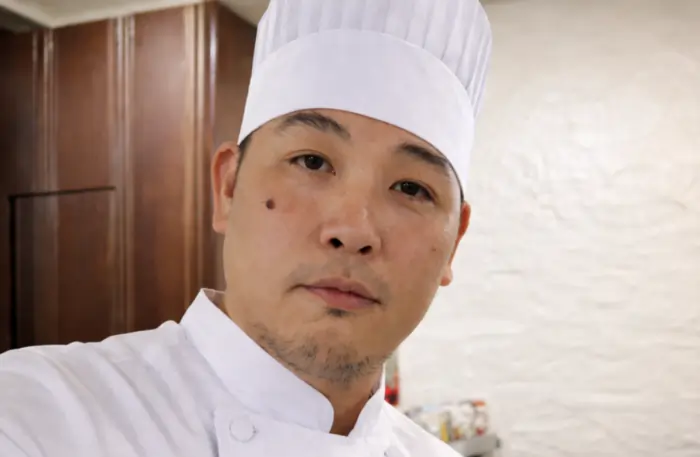
Chef Juan Gadi brings the heart of Filipino hospitality to Ubud, Bali. As an Executive Chef and consultant, he specializes in creating intimate, curated dining experiences that tell a story through every dish. Whether leading the kitchen at Kilig Filipino Warung or hosting a private villa dinner, Chef Juan’s approach is defined by warmth, modern technique, and a commitment to culinary excellence.