Filipino Flavors That Make Bali More Special Key Takeaways
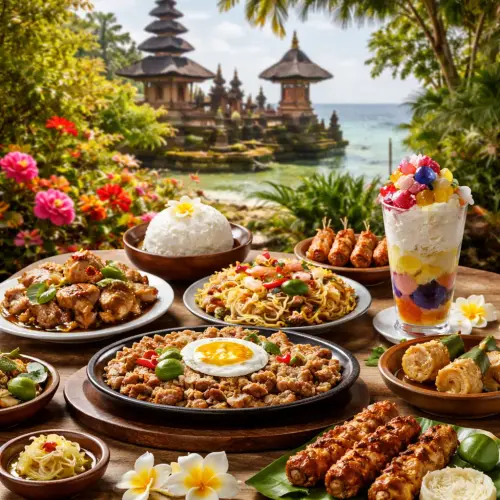
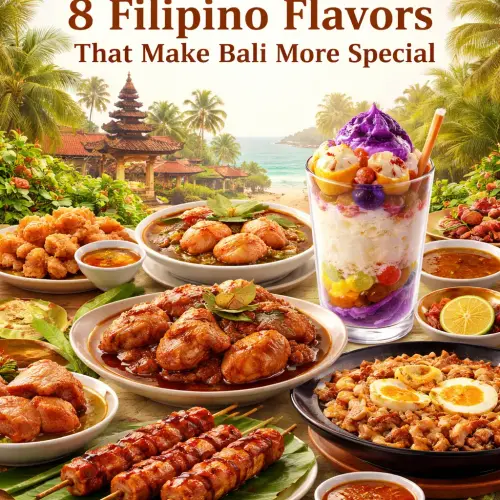
Filipino cuisine has quietly found a devoted following in Bali, blending the island’s tropical ingredients with the deep, savory comfort of homegrown Filipino cooking.
- Filipino Flavors That Make Bali More Special center on savory, sour, smoky, and sweet profiles that complement Bali’s fresh local produce and laid-back dining culture.
- Each flavor represents a story of resilience, hospitality, and the Filipino value of salu-salo (shared eating), making every meal a celebration.
- Whether you’re a homesick OFW or a traveler craving bold new tastes, these eight dishes are must-tries in Bali’s hidden Filipino food spots.
Why Filipino Flavors That Make Bali More Special Matter to Travelers
Bali’s international culinary scene is famous for its diversity, but there’s something uniquely grounding about finding a plate of adobo in Ubud or halo-halo near Seminyak’s beaches. For Filipino travelers, it’s a taste of home wrapped in the island’s warmth. For others, it’s an invitation to discover a cuisine that balances boldness with subtlety — often described as the underdog of Southeast Asian food. For a related guide, see 15 Top Reasons to Visit Kilig Bali Filipino Warung in Ubud, Bali.
The rise of Filipino cuisine in Bali mirrors a global trend: people are seeking comfort food Filipino Bali that tells a story. These are dishes born from resourcefulness — using vinegar, soy sauce, and garlic to preserve food in tropical heat, or blending coconut milk with vegetables for a creamy, earthy stew. In Bali, where many restaurants prioritize fresh, local sourcing, Filipino chefs and home cooks have adapted their recipes to highlight island ingredients while staying true to the soul of the cuisine. For a related guide, see Discover Kilig Bali: Authentic Filipino Comfort Food in Ubud.
Whether you’re a food lover exploring Asian cuisine or an OFW looking for familiar tastes, these eight profiles offer a roadmap for eating your way through Bali.
The Emotional Pull of Filipino Comfort Food Abroad
Ask any Filipino why they miss adobo sinigang sisig Bali finds, and they’ll talk about memories: the aroma of garlic and vinegar simmering on a Sunday afternoon, the tangy broth that cures a cold, the sizzling plate shared among friends over a bottle of beer. Filipino food culture is deeply communal — every dish is designed to be shared, dipped in, and talked about. That sense of connection becomes even more powerful when you’re far from home.
The answer to Why are Filipino flavors popular among travelers in Bali? lies in this emotional pull. Travelers don’t just eat to fill their stomachs; they eat to feel something. And Filipino cuisine in Bali delivers that feeling of being welcomed into a family’s kitchen.
1. Adobo — The Savory Soul of the Philippines
Adobo is arguably the most recognizable Filipino flavor — and the answer to How does adobo represent Filipino flavors? is simple: it embodies the Filipino knack for balancing salt, acidity, and richness. Marinated meat (usually chicken or pork) slow-cooked in vinegar, soy sauce, garlic, bay leaves, and black peppercorns until tender and deeply flavored.
In Bali, many pop-up Filipino kitchens serve adobo with a tropical twist, sometimes adding coconut milk (adobo sa gata) to echo the island’s affinity for creamy curries. The result is a dish that feels both familiar and excitingly new.
Traveler testimonial: “After three weeks of nasi goreng and mie ayam, a plate of adobo rice was exactly what I needed. The soy-vinegar sauce brought me back to my lola’s kitchen in Manila.” — Maria, OFW based in Dubai
Filipino Flavors That Make Bali More Special often start with adobo because it’s a gateway dish — approachable for non-Filipinos yet deeply nostalgic for those who grew up with it.
Why Adobo Works So Well in Bali
Bali’s warm, humid climate is perfect for the kind of slow simmering that adobo requires. Local markets offer high-quality free-range chicken and heritage pork, which take on the vinegar-soy marinade beautifully. Many travelers ask What makes Filipino cuisine unique and comforting? — adobo answers with its simplicity: a few pantry staples, one pot, and a lot of patience. It’s the original set-it-and-forget-it meal, perfect for lazy afternoons in a Bali villa.
2. Sinigang — The Sour Warmth That Heals
Sinigang is the sour soup that cuts through Bali’s tropical heat with a bright, tangy punch. Tamarind gives this dish its signature mouth-puckering flavor, along with tomatoes, onions, and a variety of vegetables like kangkong (water spinach), radish, and okra. Pork sinigang (sinigang na baboy) is most common, but shrimp and fish versions are equally beloved.
To the question Why is sinigang known for its signature taste?, the answer is the tamarind’s ability to wake up the palate. In Bali, where many dishes lean sweet from coconut and palm sugar, sinigang offers a welcome sour contrast. It’s also the ultimate comfort food Filipino Bali seekers crave when they’re feeling under the weather or homesick.
In Bali, restaurants often serve sinigang with a side of patis (fish sauce) and siling labuyo (bird’s eye chili), letting diners adjust the heat and saltiness to their liking.
3. Inasal and Barbecue — Smoky, Sweet, and Savory
Inasal is the Filipino grilled chicken from Bacolod, marinated in annatto oil, ginger, lemongrass, and coconut vinegar, then grilled over hot coals until charred and juicy. It’s often served with a side of garlic rice and sinamak (spiced vinegar), making it a complete meal.
The question What Filipino dishes are famous for smoky and savory flavors? leads straight to inasal and the broader category of Filipino barbecue — skewered pork or chicken basted with a sweet soy-garlic glaze. In Bali’s evening food markets, the smell of grilled meat mingled with the salty sea breeze is pure magic.
Filipino barbecue in Bali stands out because it’s caramelized yet savory, sweet but not cloying — a balance that keeps travelers coming back for more.
4. Sisig — The Sizzling Fiery Favorite
Sisig has exploded in popularity across Asia, and Bali is no exception. This Kapampangan dish of chopped pork face, ears, and jowl, seasoned with calamansi, chili, and onion, is served sizzling on a hot plate often topped with a raw egg. The combination of crispy, fatty, tangy, and spicy flavors makes sisig an unforgettable experience.
For those asking What makes sisig a favorite Filipino dish?, it’s the texture contrast — crunchy bits against soft, rendered fat — and the way it pairs perfectly with cold beer. In Bali, sisig has become a staple at Filipino-themed sports bars and casual eateries, especially in areas like Kuta and Legian where expat communities gather.
Filipino Flavors That Make Bali More Special often includes sisig because it’s a dish that commands attention. It’s loud, messy, and incredibly satisfying.
5. Kare-Kare — The Creamy Nut Stew
Kare-kare is a thick, rich stew made with oxtail, tripe, or vegetables, simmered in a peanut-based sauce often flavored with annatto. It’s typically served with bagoong (shrimp paste) on the side, creating a salty-sweet balance that’s uniquely Filipino.
What ingredients define authentic Filipino cuisine? — kare-kare highlights peanuts, annatto, and bagoong, three ingredients that rarely appear together in other cuisines. In Bali, the abundance of fresh peanuts means local kare-kare versions taste exceptionally nutty and creamy. It’s a favorite among those who want a milder, earthier option after days of spicy Indonesian food.
6. Silog Meals — The Garlic Rice Breakfast
Silog is a portmanteau of sinangag (garlic fried rice) and itlog (egg), forming the foundation of the classic Filipino breakfast combo: tapsilog (tapa + silog), longsilog (longganisa + silog), tosilog (tocino + silog), and more. Served all day, these meals are cheap, filling, and packed with flavor.
For the question How do silog meals reflect Filipino breakfast traditions?, the answer is that Filipinos believe in starting the day with a heavy meal. Silog embodies that philosophy, combining salty cured meat, oily rice, and a runny egg that ties everything together. In Bali, halal-friendly versions use chicken tocino or beef tapa, ensuring the dish appeals to a wider audience.
Silog meals Bali are particularly popular among surfers and backpackers who need sustainable energy for a day of adventure. It’s no surprise that many Bali cafés now list silog combos on their all-day breakfast menus.
7. Halo-Halo — The Ultimate Filipino Dessert
Halo-halo (meaning “mix-mix”) is a shaved ice dessert layered with sweet beans, coconut strips, sago, gulaman (jelly), leche flan, ube ice cream, and sometimes corn or ice cream, drizzled with evaporated milk. It’s the answer to Why is halo-halo a popular Filipino dessert? — because it’s a customizable riot of textures and temperatures.
In Bali’s tropical climate, Filipino desserts Bali like halo-halo offer instant refreshment. Many Bali dessert spots have embraced halo-halo, often adding local tropical fruits like mango, jackfruit, or dragon fruit to the mix. It’s a dessert that invites sharing — friends gather around a tall glass and take turns digging in.
8. Lechon and Crispy Pata — The Ultimate Indulgence
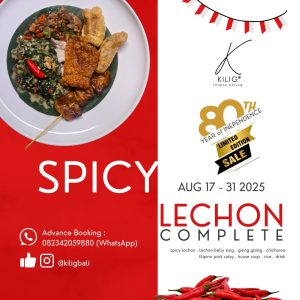
Lechon — slow-roasted whole pig with crispy skin and tender meat — is the centerpiece of Filipino celebrations. In Bali, lechon has found a home at festive gatherings, especially in villas and private dining events. For travelers looking for a special meal, crispy pata (deep-fried pork leg) offers a more portable version of that crispy, savory bliss.
The question How does Filipino hospitality connect with food traditions? could not be answered better than by lechon. It’s a dish meant to be shared with a crowd, signaling generosity and abundance. In Bali, expat communities often host “lechon Sundays” where Filipinos and locals alike gather to enjoy this spectacular dish.
Filipino Flavors That Make Bali More Special culminate in this celebration of communal joy.
How Filipino Food Culture Enhances Travel Experiences in Bali
Beyond individual dishes, the question Why do Filipinos value comfort food abroad? touches on something deeper. For many Filipino travelers, eating at a Filipino restaurant in Bali is about more than sustenance — it’s about reconnecting with identity in a foreign land. The act of sitting down to a silog breakfast or a sizzling sisig dinner is a small act of self-care.
Meanwhile, for tourists from other countries, Filipino food culture travel offers a fresh perspective on Southeast Asian flavors. The emphasis on sour, salty, and umami — distinct from the sweet-spicy profile of Thai or the herbal richness of Indonesian food — gives visitors a new culinary vocabulary.
Practical Tips for Finding Filipino Food in Bali
- Kuta and Legian: Several casual eateries serve silog and sisig, popular with the Filipino expat community.
- Ubud: Health-conscious versions of adobo and sinigang appear at farm-to-table restaurants, often using organic local produce.
- Sanur and Seminyak: Food trucks and pop-up events regularly feature Filipino flavors, especially on weekends.
- Home delivery: Platforms like GrabFood and GoFood list several hidden Filipino kitchens that deliver across southern Bali.
If you’re planning a trip, consider asking locals in Facebook groups like “Bali Filipino Community” for the latest recommendations. Many spots are family-run and not always listed on major travel sites.
Useful Resources
For more on the cultural significance of Filipino cuisine, read this essay from the Spot.ph Guide to Filipino Food for Foreigners, which breaks down the origins of adobo, sinigang, and more.
For a deep dive into how diaspora communities preserve food traditions abroad, the GMA News feature on Filipino food in Bali offers interviews with chefs and entrepreneurs keeping these flavors alive.
Frequently Asked Questions About Filipino Flavors That Make Bali More Special
Conclusion: Let Filipino Flavors Guide Your Bali Journey
Whether you’re wandering through Ubud’s rice paddies, surfing at Bingin Beach, or lounging by a pool in Seminyak, the Filipino Flavors That Make Bali More Special are never far away. Each dish — from the tangy lift of sinigang to the sizzling fire of sisig — carries a story of home, resilience, and joy shared across the table.
Next time you’re in Bali, seek out those tucked-away Filipino kitchens. Order an extra order of sisig. Share a halo-halo with a stranger. That’s how you taste the real magic of the island — one Filipino flavor at a time.
Call to action: Have you tried Filipino food in Bali? Share your favorite find in the comments below, or tag us in your next adobo adventure. Kain tayo! (Let’s eat!)
Frequently Asked Questions About Filipino Flavors That Make Bali More Special
What are 8 Filipino flavors that make Bali more special ?
The eight Filipino flavors are adobo (savory-sour vinegar-soy sauce), sinigang (tamarind-based sour soup), inasal and barbecue (smoky grilled meats), sisig (chopped pork with chili and calamansi), kare-kare (peanut-based stew), silog (garlic rice + egg breakfast combos), halo-halo (shaved ice dessert with beans and ube), and lechon or crispy pata (crispy, heavily seasoned pork). Together they offer a full spectrum of comforting, bold tastes.
Why are Filipino flavors popular among travelers in Bali?
Filipino flavors are popular because they provide a sense of homey familiarity for OFWs and expats, while introducing Indonesian and international visitors to unique taste profiles like sour (sinigang), nutty (kare-kare), and sizzling citrusy-spicy (sisig). They also pair well with Bali’s tropical ingredients and laid-back dining scene.
What makes Filipino cuisine unique and comforting?
Filipino cuisine is unique for its bold contrasts — sour, salty, sweet, and umami in the same meal — and its heavy reliance on vinegar, soy sauce, garlic, and fermented shrimp paste. It’s comforting because most dishes are slow-cooked, shared family-style, and evoke strong memories of home and hospitality.
How does adobo represent Filipino flavors?
Adobo represents Filipino flavors through its core technique of braising meat in vinegar and soy sauce with garlic and bay leaves. It’s a perfect example of resourcefulness (preserving food in tropical heat) and balance (salty-sour-savory). It’s simple, hearty, and endlessly adaptable — much like the Filipino spirit.
Why is sinigang known for its signature taste?
Sinigang is known for its signature sour taste derived from tamarind (or other souring agents like kamias or green mango). The sourness is bright and appetizing, balanced with savory pork or shrimp and fresh vegetables. It’s a one-pot soup that’s both refreshing and filling, making it a staple for rainy days and homesick stomachs.
What Filipino dishes are famous for smoky and savory flavors?
Inasal (grilled chicken marinated in annatto and ginger) and Filipino-style barbecue (sweet-savory skewers) are the most famous smoky dishes. Lechon, with its crackling roasted skin, also offers a deep, fire-cooked flavor. These dishes are often grilled over charcoal, giving them a distinct char that complements their savory marinades.
How do Filipino desserts stand out in Bali?
Filipino desserts stand out because they’re often cold, creamy, and multi-textured — halo-halo is the prime example with its layers of shaved ice, sweet beans, jellies, and ice cream. Ube (purple yam) desserts add a visually striking natural color and nutty flavor. They offer a lighter, tropical-friendly finish after heavy meals.
What ingredients define authentic Filipino cuisine?
Authentic Filipino cuisine relies heavily on vinegar (cane vinegar, coconut vinegar), soy sauce, garlic, onions, ginger, patis (fish sauce), bagoong (shrimp paste), calamansi, annatto, and coconut milk. Rice is the universal base. These ingredients create the savory-sour-umami-sweet profiles that characterize most Filipino dishes.
Why do Filipinos value comfort food abroad?
Filipinos value comfort food abroad because it serves as an emotional anchor — a taste of home that alleviates loneliness and nostalgia. Many OFWs and expats consider shared meals as acts of love; finding adobo or sinigang in a foreign city recreates the warmth of family gatherings and strengthens community ties.
How does Filipino food culture enhance travel experiences?
Filipino food culture enhances travel by adding a communal, storytelling element to every meal. The custom of salu-salo (eating together) means that food is always shared, encouraging conversation and connection with locals. Travelers who eat Filipino dishes learn history — like how adobo’s vinegar preserved meat or how sisig was created to minimize waste — deepening their appreciation for the culture.
What are the most recognizable Filipino flavor combinations?
The most recognizable combinations include savory-sour (adobo), sour-spicy (sinigang or kinilaw), salty-sweet (tocino or lechon sauce), and nutty-savory (kare-kare with bagoong). Many dishes balance strong flavors with neutral rice, creating what some call a “saw-saw” eating experience — dipping food into condiments for layers of taste.
How do silog meals reflect Filipino breakfast traditions?
Silog meals reflect the Filipino tradition of a heavy, savory breakfast meant to fuel a hard day’s work. The combination of garlic fried rice (sinangag), a fried egg (itlog), and a choice of cured meat (tapa, longganisa, tocino) or fish provides complex carbohydrates, protein, and fat. It’s affordable, customizable, and eaten at any hour of the day.
Why is halo-halo a popular Filipino dessert?
Halo-halo is popular because it’s a customizable dessert bar in a glass — every spoonful offers different textures and flavors. It’s also visually stunning with its rainbow layers, and the cold shaved ice is perfect for hot weather. The act of mixing it yourself adds a fun, interactive element that appeals to kids and adults alike.
What makes sisig a favorite Filipino dish?
Sisig is beloved for its sizzling presentation, smoky flavor, and addictive crunch from the chopped pork face and ears. The balance of tangy calamansi, spicy chili, and savory crispy meat makes it an ideal pulutan (beer snack). It’s also a zero-waste dish, reflecting Filipino ingenuity.
How does Filipino hospitality connect with food traditions?
Filipino hospitality, or nakikisama, is expressed through food. Inviting someone to eat is a gesture of friendship and respect. Dishes like lechon or kare-kare are prepared for large gatherings, and it’s common for hosts to insist guests eat until they’re full — sometimes even packing leftovers for them to take home. This generosity is the heart of Filipino food culture.
Where can I find Filipino food in Bali?
Popular areas include Kuta and Legian (expat-friendly spots with sisig and silog), Ubud (healthier adobo and sinigang using local ingredients), and Sanur (family-run carinderias). Check Facebook groups like “Bali Filipino Community” and apps like GrabFood for pop-ups and hidden kitchens across the island.
Is Filipino food in Bali halal-friendly?
Yes, many Filipino restaurants in Bali offer halal-friendly options, using chicken, beef, or seafood instead of pork. Dishes like chicken adobo, beef tapa silog, and sinigang na hipon (shrimp sinigang) are common halal versions that still deliver authentic Filipino flavor.
What Filipino dish is best for first-time tasters?
Chicken adobo is the most recommended starting point — its savory-sour profile is accessible yet distinctly Filipino. Sisig is also a great second dish if the diner enjoys bold, spicy flavors. For a vegetarian-friendly option, pinakbet (stir-fried vegetables with shrimp paste) or lumpia (spring rolls) offer a lighter introduction.
Can I cook Filipino dishes while staying at a Bali villa?
Absolutely. Bali’s local markets, like Ubud Market and Badung Market, sell all the key ingredients: vinegar, soy sauce, garlic, tamarind paste, coconut milk, and fresh pork or chicken. Simple recipes like adobo or sinigang require only one pot and basic pantry items, making them easy to prepare in a villa kitchen.
Are there Filipino dessert shops in Bali?
Yes, several dessert cafes in Seminyak and Canggu now serve halo-halo, ube cake, and leche flan. Some also offer biko (sticky rice cake) and turon (fried banana spring rolls). Many are fusion-style, adding local fruits like dragon fruit or passion fruit to the traditional recipe.
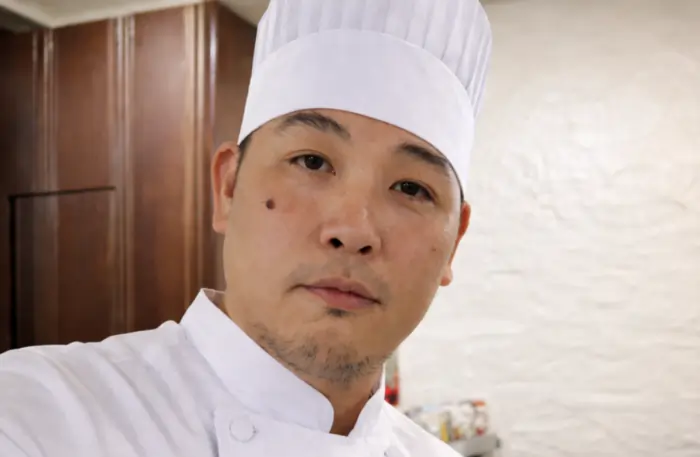
Chef Juan Gadi brings the heart of Filipino hospitality to Ubud, Bali. As an Executive Chef and consultant, he specializes in creating intimate, curated dining experiences that tell a story through every dish. Whether leading the kitchen at Kilig Filipino Warung or hosting a private villa dinner, Chef Juan’s approach is defined by warmth, modern technique, and a commitment to culinary excellence.