Traditional Pinoy Foods Loved in Tropical Bali Key Takeaways
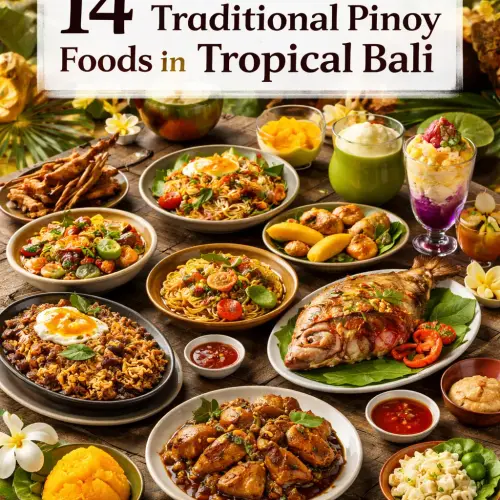
The 14 Traditional Pinoy Foods Loved in Tropical Bali represent a flavorful bridge between home and adventure for Filipino travelers, expats, and curious food lovers.
- Filipino food in Bali thrives because its savory, sour, and sweet profiles perfectly complement the hot, humid climate, offering both comfort and refreshment.
- Dishes like sinigang and bulalo are cherished as traditional Pinoy comfort foods , providing a taste of home and Filipino hospitality food culture for overseas Filipinos.
- The popularity of Filipino dishes for tropical destinations like Bali proves that Pinoy cuisine is gaining international attention for its bold, family-style flavors.
Why the 14 Traditional Pinoy Foods Loved in Tropical Bali Matter
Bali has long been a melting pot of global cuisines, but a quiet culinary revolution has been simmering beneath the surface. The Traditional Pinoy Foods Loved in Tropical Bali are more than just a menu trend; they are a testament to the Filipino hospitality food culture known as “malasakit.” For the thousands of overseas Filipinos working, vacationing, or retiring in Bali, these dishes are a direct line to childhood memories, family reunions, and the warmth of home. Meanwhile, international tourists are discovering that Filipino cuisine offers a unique umami depth rarely found in other Southeast Asian fare.
Understanding the Appeal: Filipino Food in Bali‘s Tropical Climate
The question “Why is Filipino food popular in Bali?” has a multifaceted answer. First, the climate. Filipino dishes for tropical destinations are designed for heat: they rely on vinegar-based marinades (like in adobo), sour broths (like sinigang), and refreshing desserts (like halo-halo) that cool the body and stimulate the appetite. Second, the ingredients. Pinoy cuisine unique ingredients such as calamansi, patis (fish sauce), bagoong (fermented shrimp paste), and tamarind create flavor profiles that are simultaneously bold and familiar. Lastly, the communal nature of the food aligns perfectly with Bali’s social atmosphere. Sharing a meal of sisig or kare-kare is an act of Filipino hospitality food culture that resonates with the island’s spirit of togetherness.
Exploring the 14 Traditional Pinoy Foods Loved in Tropical Bali
Below, we dive deep into each dish that has captured the hearts and stomachs of Bali’s diverse community.
1. Adobo: The National Dish That Represents Filipino Cuisine
Adobo represents Filipino cuisine in its purest form: simple ingredients transformed into complex comfort. In Bali, chicken adobo simmered in soy sauce, vinegar, garlic, bay leaves, and peppercorns is a staple at Filipino-owned eateries like Kita Bali Restaurant. Its high acidity from the vinegar makes it a natural food preservative in the tropics—a practical trait passed down from pre-refrigeration days. The dish’s versatility (you can use pork, chicken, or even squid) ensures it never gets boring.
2. Sinigang: The Quintessential Comfort Food
Perhaps no other dish answers “Why is sinigang considered a comfort food?” better than this tamarind-based soup. On a rainy afternoon in Ubud or after a long day at Seminyak Beach, a bowl of piping hot sinigang na baboy (pork sinigang) with kangkong (water spinach) and radish delivers a tangy, savory hug. Its sourness induces salivation and cools the body, making it an ideal traditional Pinoy comfort food for Bali’s humidity. Many Balinese chefs now use local tamarind and snake beans to recreate the authentic flavor.
3. Lechon Kawali: Crispy Pork Perfection
Lechon kawali—deep-fried crispy pork belly—is a dish that needs no translation. In Bali, where pork is highly consumed (unlike in neighboring Muslim-majority Indonesia), this dish has become a star. Served with a side of liver sauce or soy-vinegar dip, it satisfies the craving for crunchy, fatty indulgence. It is a favorite at group dinners and a key reason why traditional Filipino dishes are gaining traction among local foodies.
4. Sisig: The Sizzling Bar Favorite
Sisig is arguably the most export-ready of all savory Filipino meals abroad. This sizzling plate of chopped pork face, ears, and liver, seasoned with calamansi, chili, and onions, topped with a raw egg, is a sensory explosion. In Bali’s vibrant nightlife scenes (like Canggu and Kuta), sisig has found a natural home as a beer companion. Its bold, spicy, and citrusy flavors perfectly cut through the tropical heat.
5. Kare-Kare: The Rich Peanut Stew
Kare-kare is a testament to the depth of Pinoy cuisine unique ingredients. The sauce, made from ground toasted peanuts and annatto seeds (atsuete), coats oxtail, tripe, and vegetables like eggplant and string beans. It is almost always served with salty bagoong (fermented shrimp paste) on the side—a contrast that Filipino chefs in Bali have mastered. This dish introduces international diners to the concept of savory-sweet umami.
6. Pancit: The Noodle Dish for Celebrations
Filipino dishes for gatherings and celebrations almost always include pancit. Pancit canton (stir-fried egg noodles with vegetables and meat) or pancit bihon (thin rice noodles) symbolize long life and good health. In Bali, it is a common sight at Filipino community potlucks and restaurant menus. Its light, savory profile makes it a perfect lunch option for tourists exploring the island.
7. Lumpia: The Ultimate Tropical Snack
Lumpiang Shanghai (fried spring rolls) are the most popular Filipino food in Bali appetizers. Crispy, bite-sized, and filled with a mix of ground pork, carrots, and onions, they are universally appealing. They travel well (perfect for beach picnics) and pair wonderfully with sweet chili sauce. Vendors at local markets in Bali have even started making their own versions, blending Filipino techniques with local spices.
8. Tinola: The Ginger-Infused Soup for Wellness
Tinola is a light chicken soup with ginger, green papaya (or chayote), and chili leaves. It is the go-to meal for someone feeling under the weather in the Philippines, and in Bali, it serves the same purpose. Ginger is known to help with digestion and heat regulation, making tinola one of the most functional Filipino dishes for tropical destinations. It is hydrating, soothing, and never heavy.
9. Tapsilog: The Breakfast Champion
Tapsilog (cured beef tapa, fried garlic rice, and egg) is the most iconic of the “silog” meals. Overseas Filipinos in Bali wake up early on weekends to find a good tapsilog spot like Ziby’s Eatery. The salty-sweet beef, combined with the crisp rice and runny yolk, is a power breakfast that fuels a day of surfing or temple hopping. It has become a comfort food for non-Filipinos as well.
10. Bulalo: The Hearty Bone Marrow Soup
Bulalo is a clear beef shank soup with bone marrow, corn, and cabbage. While it may seem odd for a tropical destination, Bali’s cooler highland areas (like Bedugul and Kintamani) see temperatures that perfectly justify a steaming bowl of bulalo. The rich, collagen-packed broth is deeply satisfying, and overseas Filipinos miss traditional food like bulalo the most, as it evokes memories of Sunday lunches in the province.
11. Chicken Inasal: The Grilled Specialty from the Visayas
Chicken inasal—marinated in calamansi, annatto, lemongrass, and grilled over hot coals—is a celebration of smoke and citrus. Bali, with its thriving culture of beachfront grills (warungs), is the perfect venue for inasal. It is often served with sinamak (spiced vinegar) and rice. The charred skin and juicy meat are a hit among tourists who appreciate grilled savory Filipino meals abroad.
12. Laing: The Spicy Taro Leaves in Coconut Milk
Laing is a Bicolano delicacy of dried taro leaves (gabi) cooked slowly in rich coconut milk with chili, ginger, and shrimp or fish. It is a prime example of Pinoy cuisine unique ingredients and an absolute favorite in Bali, where coconut milk is abundant. The creaminess of the sauce offsets the heat of the chilies, creating a complex side dish that pairs well with plain steamed rice.
13. Arroz Caldo: The Filipino Congee
Arroz caldo is a thick rice porridge cooked with chicken, ginger, and garlic, topped with crispy fried garlic, scallions, and a squeeze of calamansi. It is the ultimate traditional Pinoy comfort food for any weather. In Bali, it is commonly sold by Filipino home-based bakers or in small cafés as a hearty breakfast or late-night snack. Its mild, soothing flavor makes it accessible to even the most cautious eater.
14. Halo-Halo: The Perfect Answer to Tropical Heat
Finally, we arrive at the dessert that defies logic: halo-halo. “How does halo-halo fit tropical weather in Bali?” It fits perfectly. A tall glass filled with shaved ice, sweetened beans, coconut strips, sago, ube ice cream, leche flan, and evaporated milk is the ultimate tropical refresher. Every spoonful is a surprise of textures and temperatures. It is now a staple at many Filipino-themed dessert bars in Bali and has even inspired local “es campur” variations.
The Role of Filipino Hospitality in Sharing These Foods
Filipino hospitality food culture is built on the principle of “salo-salo” (eating together). When a Filipino family in Bali invites neighbors over for a meal, they do not just serve one dish; they lay out a table of traditional Filipino dishes. This generosity is what makes the food so memorable to foreigners. It is not just about feeding someone; it is about sharing a part of your soul. This open-hearted approach has significantly contributed to why Filipino cuisine is gaining international attention in places like Bali.
Why Overseas Filipinos Miss Traditional Food and Why It Thrives in Bali
The longing for home is often articulated through the stomach. Overseas Filipinos miss traditional food because each dish carries a specific memory: the sound of sizzling sisig at a family reunion, the rich smell of adobo simmering on a Sunday morning, or the laughter shared over a giant bowl of bulalo during Christmas. In Bali, the growing number of Filipino restaurants and home-based chefs provides a lifeline. It allows them to preserve their identity while living abroad, and to share that identity with a welcoming international community.
Useful Resources
For more context on the global rise of Filipino cuisine, you can explore the following credible sources:
- CNN Travel: How Filipino Food is Taking Over the World – A look at the international boom of Pinoy flavors.
- NoliSol: Filipino Restaurants in Bali – A feature on specific dining spots serving traditional Filipino food in Bali.
Frequently Asked Questions About Traditional Pinoy Foods Loved in Tropical Bali
What are the 14 Traditional Pinoy Foods Loved in Tropical Bali ?
The complete list includes adobo, sinigang, lechon kawali, sisig, kare-kare, pancit, lumpia, tinola, tapsilog, bulalo, chicken inasal, laing, arroz caldo, and halo-halo. These dishes are popular among Filipinos and international food lovers in Bali.
Why is Filipino food popular in Bali?
Filipino food is popular in Bali because its flavor profile—savory, sour, and sweet—complements the tropical climate. The large expat community creates demand, while local diners appreciate the unique ingredients and communal dining style.
What are the most iconic traditional Filipino dishes ?
Adobo, sinigang, and lechon are considered the most iconic. Adobo is the unofficial national dish, sinigang is a beloved sour soup, and lechon (roasted pig) is the centerpiece of celebrations.
How does adobo represent Filipino cuisine?
Adobo represents Filipino cuisine by showcasing its foundational cooking method—braising in vinegar and soy sauce. It embodies practicality, resourcefulness, and bold flavor, making it a versatile dish that every Filipino family personalizes.
Why is sinigang considered a comfort food?
Sinigang is considered comfort food because its sour tamarind broth is warming, hydrating, and deeply soothing. It reminds many of home-cooked meals shared during rainy days or family gatherings.
What Filipino dishes are best for tropical destinations?
Dishes like lumpia, pancit, chicken inasal, and halo-halo are ideal for tropical destinations because they are light, served at room temperature or cold, and feature ingredients that refresh and energize.
How do Filipino food traditions connect families?
Filipino food traditions connect families through the practice of salo-salo (eating together). Meals are often served family-style, and cooking large batches of traditional dishes like pancit or kare-kare is a way to show love and strengthen bonds.
What ingredients make Pinoy cuisine unique?
Pinoy cuisine is unique because of ingredients like calamansi (a sour citrus), patis (fish sauce), bagoong (shrimp paste), tamarind, annatto seeds, and coconut milk. These create a distinct savory-sour profile.
Why do overseas Filipinos miss traditional food ?
Overseas Filipinos miss traditional food because it is tied to family memories, childhood experiences, and cultural identity. Recreating these dishes abroad helps them feel connected to their homeland.
What are popular Filipino dishes for gatherings and celebrations?
Lechon, pancit, kare-kare, lumpia, and halo-halo are the most popular dishes for Filipino gatherings. They are traditionally served during birthdays, fiestas, Christmas, and New Year’s Eve.
How does halo-halo fit tropical weather in Bali?
Halo-halo fits tropical Bali weather because it is a cold, shaved-ice dessert that offers instant relief from the heat. Its mix of sweet fruits, beans, and leche flan provides energy and satisfaction without feeling heavy.
What savory Filipino meals are popular abroad?
Sisig, adobo, chicken inasal, and tapsilog are the most popular savory Filipino meals abroad. They adapt well to international palates and are frequently featured in overseas Filipino restaurants.
How does Filipino hospitality influence food culture?
Filipino hospitality influences food culture by prioritizing generosity. Guests are always offered the best portions, and it is common to prepare extra food to ensure no one leaves hungry. This makes dining a warm, inclusive experience.
What are the best traditional Pinoy comfort foods ?
Arroz caldo, sinigang, bulalo, and tapsilog are the top traditional Pinoy comfort foods. They are warm, hearty, and often associated with feelings of safety and maternal care.
Why is Filipino cuisine gaining international attention?
Filipino cuisine is gaining international attention due to the global Filipino diaspora, increased media coverage, and the rise of Filipino chefs abroad. Social media has also helped platform dishes like sisig and halo-halo.
Is halal Filipino food available in Bali?
Yes, some Filipino restaurants in Bali offer halal versions of classic dishes, using chicken or beef instead of pork. It is best to ask the establishment about their halal certification.
Can I find vegetarian Filipino dishes in Bali?
Yes, dishes like lumpiang gulay (vegetable spring rolls), laing (taro leaves in coconut milk), and pinakbet (vegetable stew) are naturally vegetarian or vegan-friendly and available in Bali.
Where can I eat Filipino food in Bali ?
Popular spots include Kita Bali Restaurant in Seminyak, Ziby’s Eatery in Canggu, and various home-based chefs who sell via social media in expat communities.
Do I need a reservation to eat at Filipino restaurants in Bali?
For popular restaurants like Kita Bali, it is recommended to reserve on weekends. Smaller home-based eateries often require pre-ordering a day in advance.
Is Filipino food expensive in Bali?
Filipino food in Bali is generally affordable, with main dishes ranging from IDR 40,000 to 100,000. It is slightly pricier than local Indonesian food but considered reasonable by international standards.
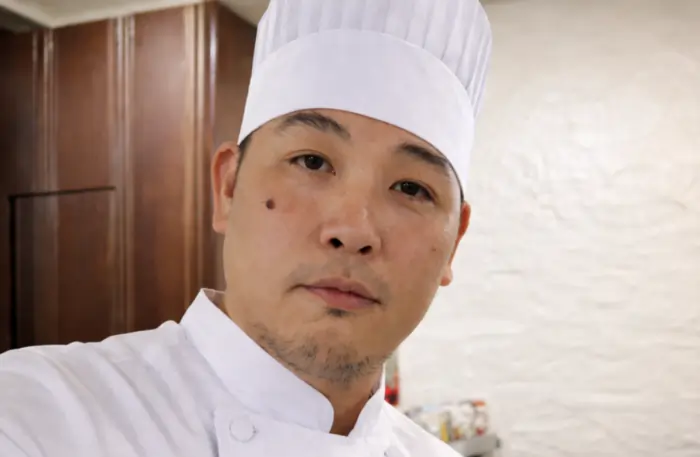
Chef Juan Gadi brings the heart of Filipino hospitality to Ubud, Bali. As an Executive Chef and consultant, he specializes in creating intimate, curated dining experiences that tell a story through every dish. Whether leading the kitchen at Kilig Filipino Warung or hosting a private villa dinner, Chef Juan’s approach is defined by warmth, modern technique, and a commitment to culinary excellence.