Filipino Foods That Truly Bring All Families Together Key Takeaways
Filipino cuisine is more than just a collection of recipes—it is the heart of family life.
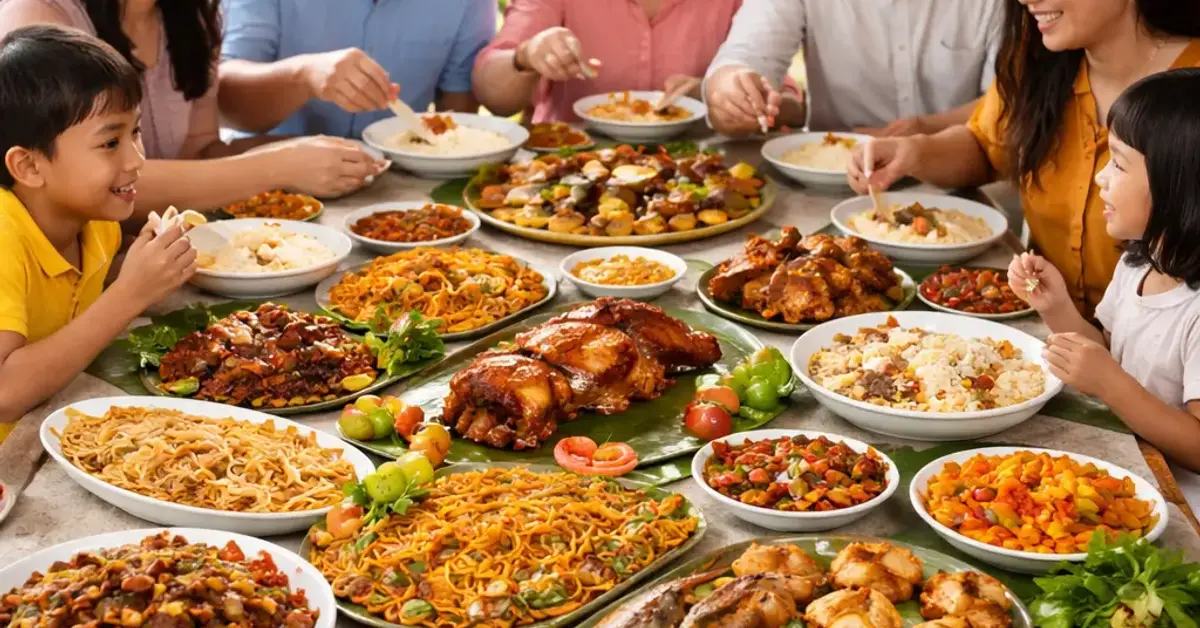
- Filipino Foods That Truly Bring All Families Together revolve around communal eating, where one pot of adobo or a giant tray of pancit is enough to feed an entire clan.
- These dishes are designed for sharing—often served on a single platter where everyone reaches in, strengthening bonds through the simple act of eating together.
- Whether it’s a grand family gathering or a quiet weekday dinner, the shared experience of preparing and enjoying these meals reinforces the deep-rooted Filipino value of pamilya (family).
What Makes Filipino Cuisine a Force for Family Unity
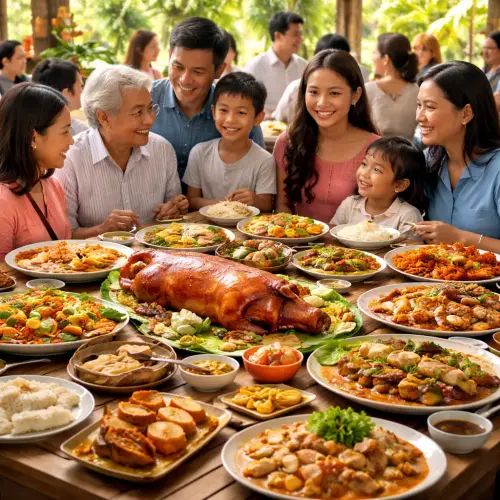
In Filipino culture, food is never just about sustenance; it is the thread that weaves families together. The concept of salu-salo (shared feast) is central to every celebration, and the dishes served are almost always made in quantities meant for a crowd. How does food strengthen Filipino family bonds? It begins in the kitchen, where multiple generations cook side-by-side, passing down techniques and secret ingredients. It continues at the table, where stories are exchanged over steaming bowls of soup and crispy fried treats. Why do Filipinos value communal eating so deeply? Because every meal is an opportunity to reconnect, to celebrate, and to remind each other that no one eats alone. For a related guide, see 12 Filipino Dishes That Connect Two Great Island Cultures.
15 Filipino Foods That Truly Bring All Families Together
Here are the essential dishes that define Filipino family gatherings. Each one answers the question, “What Filipino foods bring families together?” and showcases how Filipino cuisine promotes togetherness.
1. Lechon: The Centerpiece of Every Celebration
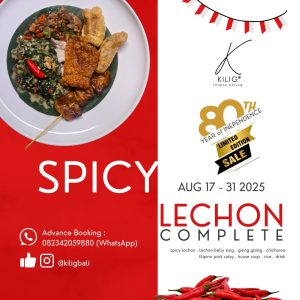
No Filipino fiesta is complete without a whole roasted pig, or lechon. It is the ultimate symbol of abundance and celebration. The crackling skin and tender meat are carved right at the table, often with the whole family gathering around to grab the first crispy pieces. Which dishes are best for Filipino family gatherings? Lechon tops the list because its sheer size demands a crowd, making it perfect for birthdays, Christmas, and town fiestas.
2. Adobo: The National Comfort Food
Every Filipino household has its own version of adobo—chicken or pork braised in soy sauce, vinegar, garlic, and bay leaves. This is the dish that Filipinos miss most when they are abroad. It is also one of the most practical traditional Filipino comfort foods because it keeps well and tastes even better the next day. How do home cooked meals connect Filipino families? A pot of adobo simmering on the stove signals that home is near. For a related guide, see 12 Filipino Recipes That Feel Right at Home in Bali.
3. Sinigang: The Sour Soup That Warms the Heart
Sinigang, a tamarind-based soup with pork, shrimp, or fish, is the ultimate rainy-day meal. Its sourness is a unique flavor profile that instantly awakens the palate. For many Filipino families, a steaming bowl of sinigang is the ultimate comfort food. It is a dish that says, “I care about you,” because of the time it takes to prepare the broth and vegetables properly.
4. Pancit: The Symbol of Long Life
Pancit (noodles) is a staple at every birthday party because the long noodles symbolize long life. Whether it’s pancit bihon, pancit canton, or pancit malabon, this dish is always served in a huge platter meant for sharing. What are common Filipino dishes for celebrations? Pancit is the answer you will hear most after lechon. It is also one of the most popular dishes for large family gatherings because it stretches to feed many.
5. Kare-Kare: The Oxtail Stew That Brings Everyone Together
Kare-kare is a rich, peanut-based stew traditionally made with oxtail and tripe, served with bagoong (fermented shrimp paste). This dish is often reserved for special Sunday lunches because of the lengthy preparation process. The act of dipping tender meat into the salty bagoong is a communal ritual that highlights how Filipino foods reflect family unity.
6. Lumpiang Shanghai: The Crispy Fried Rolls Everyone Loves
Lumpiang Shanghai, or Filipino spring rolls, are the most popular finger food at any party. Making them is a family affair—one person wraps, another fries, and everyone tastes. They are also a great example of which dishes are best for Filipino family gatherings because they are easy to eat while mingling.
7. Bicol Express: A Spicy Coconut Milk Classic
This dish from the Bicol region is made with pork, chilies, and coconut milk. Its creamy, spicy flavor is a crowd-pleaser. It represents the regional diversity of Filipino cuisine and shows how Filipino cuisine promotes togetherness even across different provinces, as families adopt each other’s regional dishes into their own repertoires.
8. Sisig: The Sizzling Appetizer That Starts Conversations
Sisig is a chopped pork dish seasoned with calamansi and chili, served on a sizzling plate. Originally from Pampanga, it has become a national favorite. It is often shared as a pulutan (snack) during beer sessions, and it is a prime example of what foods are considered family favorites in the Philippines—it is cheap, delicious, and communal.
9. Bulalo: The Beef Marrow Soup for Special Occasions
Bulalo is a clear soup made from beef shanks and bone marrow, served with vegetables. It is a favorite in cold provinces like Tagaytay and Baguio. Sharing a bowl of bulalo means taking turns scooping out the rich bone marrow—a bonding experience that directly answers how does food play a role in Filipino traditions.
10. Dinuguan: The Savory Blood Stew
Dinuguan is a savory stew made with pork blood, vinegar, and chili, often paired with puto (rice cakes). It is a divisive dish—people either love it or are scared to try it. But for those who grew up with it, dinuguan is a powerful nostalgic food that brings back memories of family fiestas and backyard gatherings.
11. Chicken Inasal: The Grilled Favorite from Bacolod
Chicken inasal is a marinated grilled chicken dish from Bacolod City. It is traditionally eaten with rice and a dipping sauce made from calamansi, soy sauce, and chili. The smoky flavor and bright color make it a festive option for any family gathering.
12. La Paz Batchoy: The Visayan Noodle Soup
Batchoy is a noodle soup from Iloilo made with pork organs, shrimp, and topped with chicharon. It is a hearty meal that is often eaten together at small eateries or at home during cooler months. It is one of the most beloved traditional Filipino comfort foods in the Visayas region. For a related guide, see 14 Traditional Pinoy Foods Loved in Tropical Bali.
13. Halo-Halo: The Dessert That Ends Every Feast
Halo-halo means “mix-mix” in Tagalog, and that is exactly what you do. This shaved ice dessert is layered with sweetened beans, fruits, jellies, leche flan, and ube ice cream. It is the ultimate shared dessert, often passed around the table as everyone digs in with their own spoon. What meals are served during Filipino holidays? Halo-halo is the perfect finish to a heavy lunch of lechon and adobo.
14. Bibingka and Puto Bumbong: Christmas Morning Favorites
These two rice cakes are synonymous with the Christmas season in the Philippines. Bibingka is baked with salted egg and cheese, while puto bumbong is steamed in bamboo tubes and served with coconut and sugar. Families gather at church after the Simbang Gabi (dawn mass) to share these warm treats, making them a crucial part of how does food strengthen Filipino family bonds during the holidays.
15. Ube Halaya: The Purple Yam Jam for Every Occasion
Ube halaya is a sweet, creamy dessert made from purple yam. It is a staple at birthdays and fiestas, often used as a filling for cakes or simply eaten straight from the jar. Its vibrant color and comforting sweetness make it a hit among children and adults alike, answering what are common Filipino dishes for celebrations with a sweet note.
The Ritual of Sharing: How Filipino Meals Strengthen Bonds
The common thread among all these dishes is the ritual of sharing. Many of them are served on one large platter, with no individual portions. This is intentional. The act of reaching across the table, taking a piece of lechon for your lola, or passing a bowl of sinigang to your cousin, is a physical manifestation of care. How does Filipino cuisine promote togetherness? It forces people to interact, to wait their turn, and to serve one another. This is why Why do Filipinos value communal eating is such an important question—because it is the very foundation of how families stay connected.
Practical Tips for Serving Filipino Family Favorites
If you want to recreate the family gatherings you remember from childhood, here is a quick guide on what dishes are best for large family gatherings based on the occasion:
| Occasion | Best Dishes to Serve | Key Feature |
|---|---|---|
| Christmas / Noche Buena | Lechon, Hamon, Queso de Bola, Puto Bumbong | Rich, heavy, and festive |
| Birthdays | Pancit, Spaghetti, Fried Chicken, Ube Cake | Symbolic (long noodles) and kid-friendly |
| Family Reunions | Adobo, Sinigang, Kare-Kare, Inasal | Cooked in bulk, feeds many |
| Fiestas (Town Celebrations) | Lechon, Dinuguan, Batchoy, Halo-Halo | Variety of textures and flavors |
| Weekday Dinner (Quick) | Adobo, Sinigang, Lumpia | Easy to prepare and reheats well |
How to Recreate the Togetherness at Home
You don’t need a grand fiesta to enjoy Filipino Foods That Truly Bring All Families Together. Even a simple meal can become a bonding moment if you follow these simple rules:
- Cook together: Assign tasks to every family member, from washing vegetables to stirring the pot.
- Use communal platters: Serve food on large plates and bowls so everyone shares from the same source.
- Remove distractions: No phones at the table. The food is the focus.
- Tell stories: Use the food as an entry point to talk about the first time you tried a dish, or the person who taught you how to cook it.
Useful Resources
For more authentic recipes and cultural insights, visit Panlasang Pinoy, a trusted source of Filipino recipes with step-by-step video guides. You can also explore The Spruce Eats’ Filipino Food Collection for in-depth articles on regional specialties and cooking techniques.
Frequently Asked Questions About Filipino Foods That Truly Bring All Families Together
What Filipino foods bring families together the most?
Lechon, adobo, pancit, and sinigang are the top dishes that consistently bring Filipino families together, whether at a grand fiesta or a simple Sunday lunch.
Which dishes are best for large Filipino family gatherings?
Lechon, kare-kare, bulalo, and batchoy are excellent choices for large groups because they are served in generous portions and are meant to be shared.
How does food strengthen Filipino family bonds ?
Food strengthens bonds through the act of cooking together, sharing from one platter, and the ritual of meals as a time to reconnect and tell stories.
Why is sharing meals important in Filipino culture ?
Sharing meals is central because it reflects the value of bayanihan (community spirit) and ensures that no one is left out, reinforcing the idea that family comes first.
What are common Filipino dishes for celebrations ?
Lechon, pancit, spaghetti, ube cake, and bibingka are common at celebrations, each carrying its own symbolic meaning like long life or good fortune.
How do Filipino foods reflect family unity ?
Filipino foods are often prepared in large quantities and served on single platters, requiring everyone to share and serve each other, which physically represents unity.
What meals are served during Filipino holidays ?
During holidays like Christmas and New Year, families serve lechon, hamon, queso de bola, puto bumbong, bibingka, and fruit salad.
Which dishes are popular in Filipino fiestas ?
Fiestas feature lechon, dinuguan, kare-kare, pancit, and various grilled meats, usually cooked in huge batches to feed the entire barrio.
How does Filipino cuisine promote togetherness ?
It promotes togetherness through the salu-salo tradition, where dishes are designed to be passed around and shared, encouraging conversation and interaction.
What foods are considered family favorites in the Philippines ?
Adobo, sinigang, lumpiang shanghai, and sisig are universally loved and are often requested by family members during gatherings and reunions.
Why do Filipinos value communal eating ?
Communal eating is valued because it mirrors the collectivist nature of Filipino society, where sharing food is an act of love and a way to maintain close family ties.
What are traditional Filipino comfort foods ?
Traditional comfort foods include arroz caldo (chicken rice porridge), champorado (chocolate rice porridge), sinigang, and adobo with lots of garlic rice.
How do home cooked meals connect Filipino families ?
Home-cooked meals are made with love and memory, often using recipes handed down through generations, which creates a deep emotional connection to home and family.
What dishes are best for large family gatherings ?
Lechon, kare-kare, bulalo, pancit, and batchoy are ideal because they are flavorful, filling, and can be scaled up easily to feed 10 to 20 people.
How does food play a role in Filipino traditions ?
Food marks every important milestone, from baptisms to weddings to funerals, and specific dishes are prepared to symbolize wishes for health, prosperity, and long life.
Is pancit always served at Filipino birthday parties?
Yes, pancit is a must-serve at birthday parties because the long noodles symbolize a long and healthy life. It is one of the most popular Filipino Foods That Truly Bring All Families Together.
Can I make Filipino food ahead of time for a gathering?
Absolutely. Adobo, kare-kare, and dinuguan actually taste better the next day because the flavors have more time to meld.
What is a good dessert for a Filipino family reunion?
Halo-halo, ube halaya, or leche flan are excellent dessert choices that are easy to share and loved by all ages.
How do I serve lechon at home if I can’t roast a whole pig?
You can buy lechon belly (boneless rolled pork belly) from a local Filipino restaurant or grocery store, which still provides the same crispy skin and tender meat in a more manageable portion.
What is the most important meal in Filipino culture?
While every meal is important, the Noche Buena (Christmas Eve dinner) and the Media Noche (New Year’s Eve midnight meal) are the most symbolic, featuring an abundance of dishes that represent hope and prosperity for the coming year.
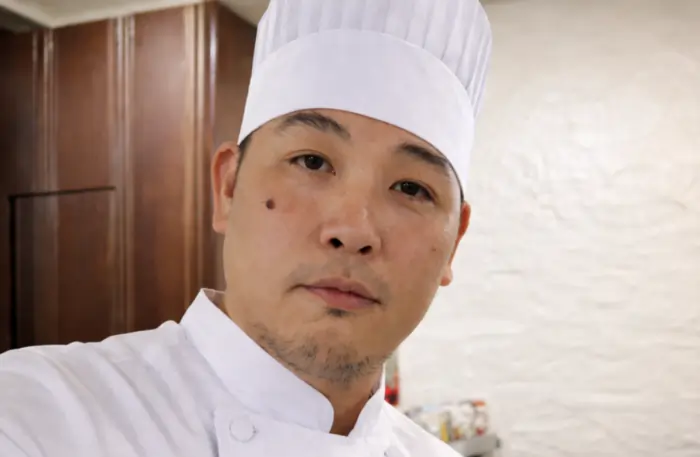
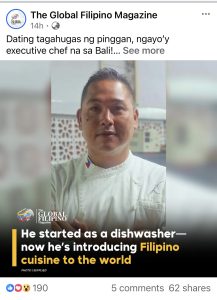
Chef Juan Gadi brings the heart of Filipino hospitality to Ubud, Bali. As an Executive Chef and consultant, he specializes in creating intimate, curated dining experiences that tell a story through every dish. Whether leading the kitchen at Kilig Filipino Warung or hosting a private villa dinner, Chef Juan’s approach is defined by warmth, modern technique, and a commitment to culinary excellence.