Filipino Comfort Foods Tourists Crave in Ubud Key Takeaways
Ubud has become a surprising hub for Filipino comfort foods tourists crave in Ubud , thanks to a wave of homesick travelers and curious foodies seeking the deep umami and tangy brightness of Filipino home cooking.
- The Filipino comfort foods tourists crave in Ubud include adobo, sinigang, lechon kawali, and kare-kare, each offering a distinct taste of home.
- Tourists are drawn to the familiar yet exotic flavors that align perfectly with Bali’s love of rice, coconut, and bold spices.
- Chef Juan Gadi’s curated dining experiences in Ubud provide an authentic taste of Filipino hospitality, making these dishes a must-try for any Southeast Asian food lover.
Why Filipino Comfort Foods Tourists Crave in Ubud Are Taking Over Bali’s Food Scene
I still remember the first time a stranger walked into Kilig Filipino Warung in Ubud. She was a Filipino nurse from Dubai, on holiday, and she nearly cried when she saw the steaming bowl of sinigang on my menu. “I’ve been craving this for two years,” she whispered. That moment solidified what I had always suspected: Filipino cuisine in Bali isn’t just a trend—it’s a lifeline for the soul. The Ubud food scene Filipino influence is growing rapidly, and it’s not just for the balikbayan crowd. International tourists, digital nomads, and even Balinese locals are falling in love with our Filipino home style cooking overseas. For a related guide, see 9 Filipino Food Traditions That Suit Bali Escapes.
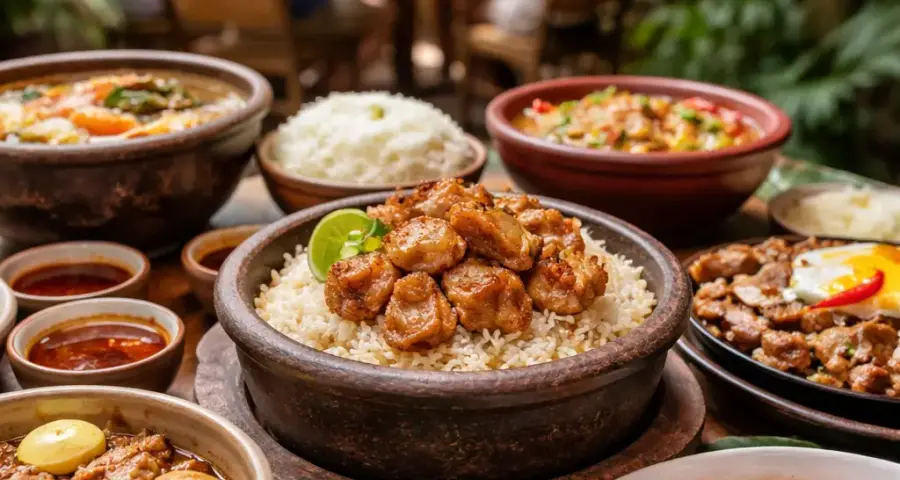
This phenomenon is part of a larger wave called comfort food tourism Southeast Asia. Travelers no longer want just the Instagrammable plate; they want the story, the warmth, and the feeling of being cared for through food. And what better cuisine to deliver that than Filipino food? It’s humble, deeply flavorful, and rooted in ASEAN food tourism traditions. Whether it’s the tangy tamarind broth of sinigang or the crispy, fatty perfection of lechon kawali, these dishes answer travel food cravings Filipino dishes satisfy like no other. For a related guide, see 10 Heritage Dishes Every Filipino Must Definitely Know.
How Chef Juan Gadi Curates Filipino Comfort Food in Ubud
When I moved from Manila to Ubud, I brought more than recipes. I brought my grandmother’s palayok, my mother’s hand-written notes on simmer times, and a deep belief that food is the shortest path to belonging. At Kilig Filipino Warung, I don’t just serve food; I tell stories. Every plate of adobo starts with the question: “Do you want the classic version or my twist with Balinese long pepper?” That personal touch is what makes Filipino comfort food in Bali Ubud a unique culinary experience.
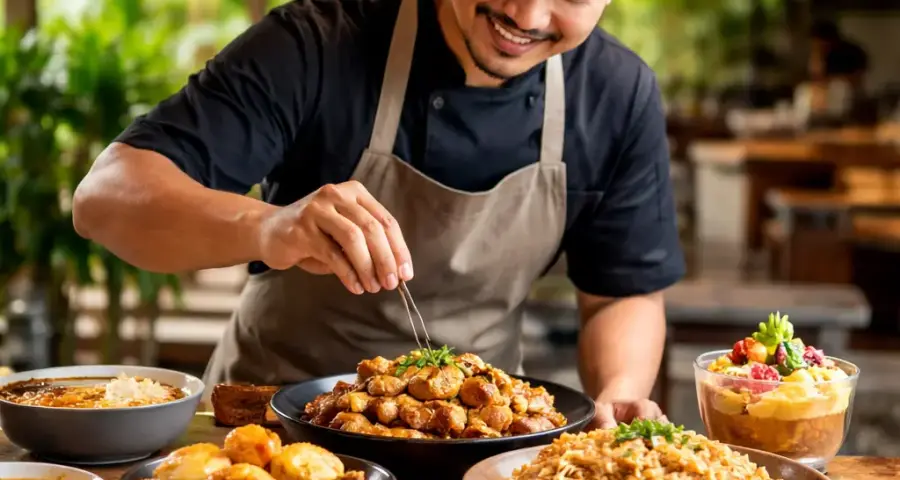
The tourists love Filipino dishes abroad because they are unfamiliar yet welcoming. They remind people of home—not just of the Philippines, but of any home where a mother cooked with love. For homesick food Filipino meals are the ultimate antidote. I’ve seen a British expat break into a smile after tasting my chicken inasal, saying it reminded him of his grandmother’s roast chicken back in Devon. That’s the magic of Filipino flavors international appeal.
The 8 Filipino Comfort Foods Tourists Crave in Ubud
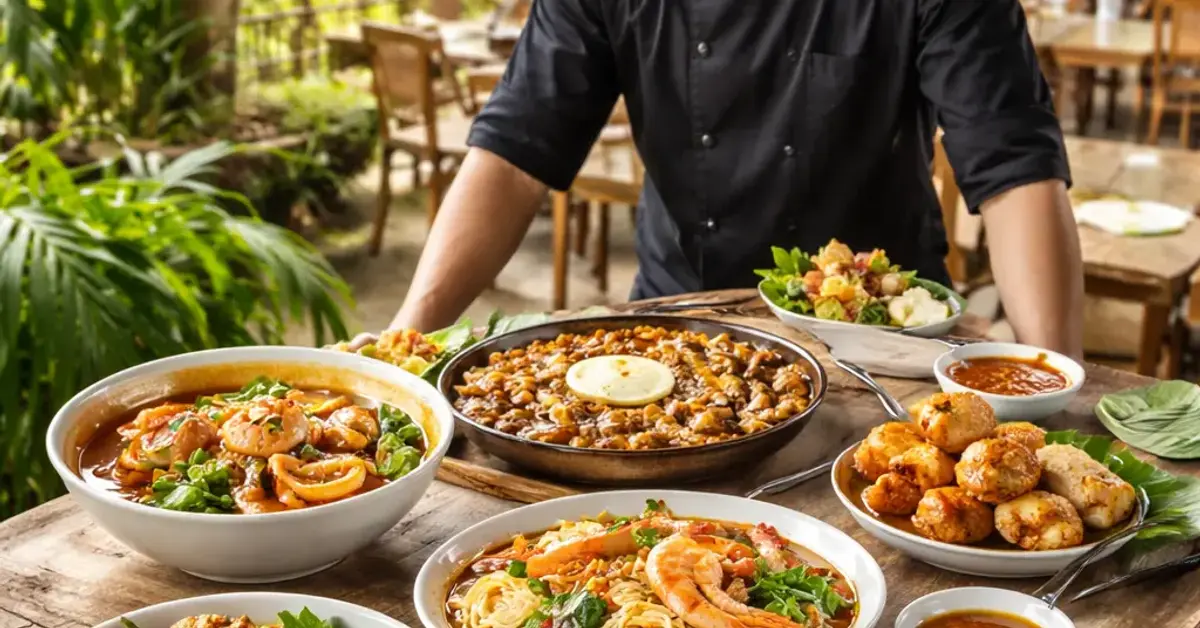
Here are the dishes that consistently win hearts at my table. Each is a testament to traditional Filipino meals overseas and why they matter in the global conversation about Filipino culinary identity travel.
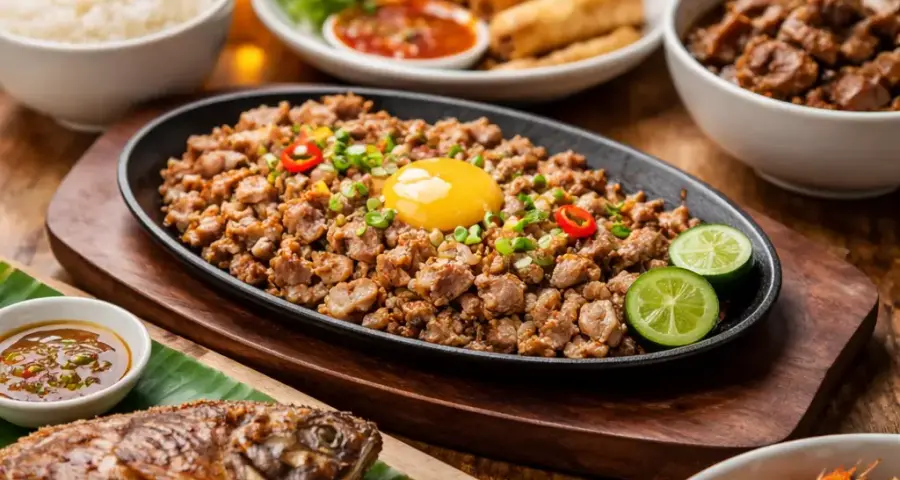
1. Adobo: The National Dish That Feels Like a Hug
Filipino adobo sinigang abroad popularity often starts with adobo. It’s the dish almost every Filipino knows how to cook. My version uses organic chicken from a farm in Bedugul, braised slowly in a mix of soy sauce, vinegar, garlic, and bay leaves. What makes it a top Filipino comfort foods tourists crave in Ubud is its simplicity. Tourists love that it’s savory, slightly tangy, and incredibly tender. I serve it with a side of atcharang papaya to cut through the richness.
2. Sinigang: The Tamarind Broth That Heals
Sinigang is, without question, the ultimate tropical comfort food Philippines Indonesia shares a soul connection with. Our version uses fresh river prawns and local kangkong (water spinach). The sourness comes from real tamarind pods, not powder. I’ve had guests tell me this soup cured their homesickness. It’s a top dish in Ubud restaurants Filipino cuisine menus because it represents island style Filipino home cooking at its most nurturing.
3. Lechon Kawali: The Crispy Pork That Stops Conversations
Lechon kawali is all about technique. I double-boil the pork belly, let it air-dry overnight, then fry it at precise temperatures. The result is a crackling so perfect it shatters. It’s one of the most popular Filipino dishes in international tourism events I cater. Tourists often compare it to Balinese babi guling, but the difference is in the seasoning. We use a simple salt-and-pepper crust that lets the pork speak for itself. Pair it with a soy-vinegar dipping sauce with minced labuyo chili, and you have island comfort food comparison at its most delicious.
4. Kare-Kare: The Oxtail Stew with a Peanut Soul
Kare-kare is a dish that surprises first-timers. It’s rich, nutty, and served with a side of bagoong (fermented shrimp paste). The contrast of creamy oxtail stew and salty bagoong is a lesson in Bali and Philippines food similarities. Both islands love depth of flavor. Tourists who try it at my villa dinners often request the recipe. It’s a deep expression of cultural food tourism Bali enthusiasts search for.
5. Chicken Inasal: The Grilled Sensation
Chicken inasal is a grilled chicken marinated in calamansi, lemongrass, ginger, and annatto oil. I grill it over coconut charcoal, which gives it a subtle sweetness. It’s a street food turned fine-casual, and it exemplifies Filipino street food overseas done right. Tourists love the charred edges and the bright, citrusy finish. It pairs beautifully with a cold bottle of Bintang beer.
6. Pancit Palabok: The Orange Noodle Bowl That Satisfies
Pancit palabok is a rice noodle dish drenched in a savory, orange shrimp sauce. I top it with crushed chicharon, boiled eggs, spring onions, and smoked fish flakes. It’s a celebration of comfort food for travelers Southeast Asia because it’s filling, colorful, and packed with umami. In Ubud, where many travelers are craving a break from nasi goreng, palabok offers a refreshing alternative.
7. Halo-Halo: The Dessert That Is an Experience
Halo-halo translates to “mix-mix,” and it’s a shaved ice dessert with sweet beans, coconut strips, sago, leche flan, ube ice cream, and more. Tourists absolutely adore the interactive nature of it. I serve mine in a tall glass with a small pitcher of evaporated milk on the side. It’s the perfect tropical finish and a sweet example of Filipino food cravings explained by texture and temperature contrast.
8. Bibingka: The Rice Cake from Christmas Morning
Bibingka is a soft, slightly chewy rice cake cooked in a clay pot lined with banana leaves. I top it with salted egg slices and grated coconut. It’s traditionally eaten after Christmas mass, but in Ubud, it’s available anytime. Tourists love it because it’s not too sweet, and the banana leaf gives it a subtle earthy aroma. It’s a beautiful piece of Filipino culinary identity travel served on a plate.
Where to Find These Filipino Comfort Foods in Ubud
If you’re wondering where can you find Filipino comfort food in Ubud, the answer is becoming easier every month. Kilig Filipino Warung on Jalan Goutama is the most dedicated spot, offering a full menu of these dishes. I also host private villa dinners for groups who want a curated experience. Many Ubud restaurants Filipino cuisine are beginning to include at least adobo or sinigang on their menus, responding to the Filipino cuisine in Bali demand.
For those who prefer cooking, I often teach Filipino home style cooking overseas through workshops. These are especially popular with digital nomads who want to recreate the flavors in their own kitchens. The cultural food experience Bali Ubud offers is truly unique because it combines Balinese hospitality with Filipino soul.
I also recommend checking out the Ubud Food Scene Filipino influence at the Ubud Night Market. While not exclusively Filipino, you can find vendors offering lumpia and turon alongside traditional Balinese fare. This fusion is a beautiful reflection of ASEAN food tourism in action.
A Chef’s Comparison: Filipino vs. Balinese Comfort Food
In my kitchen, I often think about the Bali and Philippines food similarities. Both cuisines love pork, coconut, and fermented flavors. Both use banana leaves for cooking and serving. But Filipino food leans toward sour and sweet profiles (sinigang, adobo), while Balinese food emphasizes spice and aromatics (basa gede, sambal).
When I do an island comfort food comparison for guests, I explain that Filipino food is the “hug” cuisine—it’s about long simmers and one-pot meals. Balinese food is the “party” cuisine—layered, festive, and often grilled. Tourists who love tropical comfort food Philippines Indonesia find that both satisfy a craving for warmth and generosity.
This dynamic is exactly why comfort food tourism Southeast Asia is booming. Travelers want to taste the difference between an island in the Philippines and an island in Indonesia. They want stories, not just dishes. That’s why Filipino dishes in international tourism are gaining ground—they come with a narrative of family, resilience, and joy.
Why Tourists in Bali Love Filipino Comfort Food
People often ask me, why do travelers in Bali love Filipino comfort food? The answer is simple: familiarity and discovery in one plate. For Filipinos abroad, these dishes are a direct line to home. For international tourists, they’re an accessible entry point into a rich cuisine that doesn’t rely on intimidating levels of spice or unfamiliar textures.
Filipino adobo sinigang abroad popularity is not an accident. Adobo’s soy-vinegar base is a flavor profile global palates recognize. Sinigang’s sourness is a universal sour-soup comfort. These dishes don’t need explanation—they just need a spoon. And that’s why they make perfect comfort food for travelers Southeast Asia region.
Another factor is the homesick food Filipino meals provide. The OFW community in Bali is growing, and they bring with them a craving for home. I’ve served lechon kawali to a crying engineer who told me he hadn’t tasted real pork crackling in three years. Those moments remind me that tourists love Filipino dishes abroad because they carry memory.
Useful Resources
For a deeper dive into the global rise of Filipino cuisine, I recommend reading the work of food anthropologist Doreen Fernandez, whose writings on Philippine food culture are foundational. You can also explore the ASEAN Culinary Tourism Network for more on how regional flavors are shaping travel across Southeast Asia.
- ASEAN Culinary Tourism Network – Regional food initiatives
- Spot.ph – Filipino food guides and restaurant features
Final Thoughts: The Heart of Filipino Cuisine in Ubud
As Chef Juan Gadi, I’ve seen how food can transform a trip. A bowl of sinigang can cure jet lag. A plate of lechon kawali can spark a conversation between strangers. The Filipino comfort foods tourists crave in Ubud are more than recipes—they are invitations to understand a culture that values warmth, generosity, and the simple joy of eating together. Whether you are a Filipino traveler missing home or a global foodie curious about cultural food tourism Bali, these dishes will welcome you. For a related guide, see 12 Comfort Foods That Reflect Filipino Hospitality Well.
I invite you to visit Ubud and experience the Filipino flavors international appeal firsthand. Come to Kilig, sit at my table, and let me tell you the story of adobo, sinigang, and the islands that connect us all. Because in the end, Filipino cuisine in Bali is not just about food—it’s about belonging.
Frequently Asked Questions About Filipino Comfort Foods Tourists Crave in Ubud
What Filipino comfort foods do tourists crave in Ubud?
Tourists most often crave adobo, sinigang, lechon kawali, kare-kare, chicken inasal, pancit palabok, halo-halo, and bibingka. These dishes represent the heart of Filipino home style cooking overseas and are widely available in Ubud.
Why do travelers in Bali love Filipino comfort food?
Travelers love it because it balances familiar flavors with exotic twists. The comfort food tourism Southeast Asia trend shows that dishes like adobo and sinigang offer both nostalgia and novelty. The warmth of Filipino hospitality also plays a big role.
Where can you find Filipino comfort food in Ubud?
Kilig Filipino Warung on Jalan Goutama is the primary destination. Many Ubud restaurants Filipino cuisine options are also popping up at local markets and private dining events. Chef Juan Gadi also hosts villa dinners for a more curated experience.
What makes Filipino comfort food popular among tourists?
The Filipino flavors international appeal comes from the balance of sour, salty, and umami. The food is also very accessible—no extreme spice, just deep taste. Tourists feel like they’re eating a meal made with love, not just technique.
How does Filipino comfort food compare to Balinese dishes?
Filipino food is more sour and one-pot based, while Balinese food is spicy and layered with pastes. The island comfort food comparison shows both use coconut and pork, but the flavor profiles are distinct yet complementary.
What are the most common Filipino dishes enjoyed abroad?
Adobo, sinigang, lechon kawali, and lumpia are the most common. They are part of the Filipino dishes abroad popularity wave that has reached cities from Dubai to New York to Bali.
Why do homesick travelers prefer Filipino comfort food?
Because food is memory. Homesick food Filipino meals are directly tied to family gatherings and childhood. A single spoonful of sinigang can transport someone back to their grandmother’s kitchen in Manila.
What Filipino meals are best for tourists in Indonesia?
Lechon kawali and chicken inasal are great for those who love grilled food. Sinigang is perfect for rainy Ubud afternoons. These traditional Filipino meals overseas are versatile and easy to enjoy in Bali’s tropical climate.
How does Filipino cuisine satisfy international travelers?
It satisfies through deep flavor profiles like the tang of sinigang and the savory richness of kare-kare. The travel food cravings Filipino dishes address are both physical (hunger) and emotional (comfort).
What are must try Filipino comfort foods in Ubud?
Adobo and sinigang are non-negotiables. Lechon kawali and halo-halo are also must-tries. These dishes define the Filipino comfort foods tourists crave in Ubud experience.
Is Filipino food available in Ubud markets?
Yes, some vendors at the Ubud Night Market offer turon and lumpia. The growing Ubud food scene Filipino influence means you can find Filipino snacks alongside Balinese fare.
Can I learn to cook Filipino food in Ubud?
Absolutely. Chef Juan Gadi offers cooking workshops that focus on Filipino home style cooking overseas. These classes teach adobo, sinigang, and even dessert making.
Is Filipino food spicy?
Not inherently. Filipino cuisine is more about sour and savory notes. However, many dishes are served with vinegar and chili dips for those who want Filipino street food overseas heat.
What is the most popular Filipino dish in Ubud?
Adobo is the most requested. It’s a dish that requires no explanation and delivers on every promise of comfort food tourism Southeast Asia.
Are Filipino dishes expensive in Ubud?
No, they are generally affordable. Kilig Filipino Warung offers generous portions at reasonable prices, making Filipino cuisine in Bali accessible to backpackers and luxury travelers alike.
Do Balinese people enjoy Filipino food?
Yes, many Balinese locals are curious and become regulars. They find the Bali and Philippines food similarities fascinating and enjoy the new flavors.
Can I order Filipino food for a private event in Ubud?
Yes, Chef Juan Gadi specializes in private villa dinners. These events offer a personalized menu with dishes like kare-kare and bibingka, perfect for groups.
What drink pairs best with Filipino comfort food?
Bintang beer is a classic. For a non-alcoholic option, fresh calamansi juice or coconut water works beautifully. These drinks complement the tropical comfort food Philippines Indonesia experience.
Is there a vegetarian Filipino option in Ubud?
Yes, dishes like pinakbet (vegetable stew) and adobong sitaw (string beans in adobo) are vegetarian-friendly. These are part of the growing Filipino dishes in international tourism offerings.
Why is Filipino food considered comfort food for travelers?
Because it’s soulful, affordable, and instantly gratifying. The comfort food for travelers Southeast Asia trend shows that dishes like sinigang and adobo offer a warm, familiar hug after a long day of exploring.
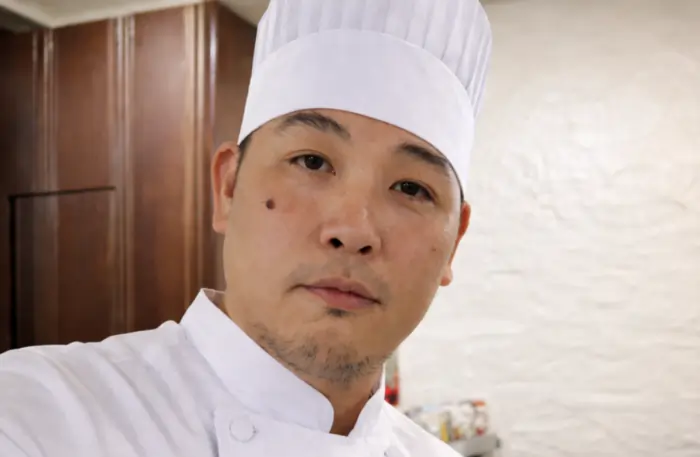
Chef Juan Gadi brings the heart of Filipino hospitality to Ubud, Bali. As an Executive Chef and consultant, he specializes in creating intimate, curated dining experiences that tell a story through every dish. Whether leading the kitchen at Kilig Filipino Warung or hosting a private villa dinner, Chef Juan’s approach is defined by warmth, modern technique, and a commitment to culinary excellence.