Cultural Foods That Keep Every Filipino Root So Alive Key Takeaways
Filipino cuisine is more than sustenance — it is a living archive of history, family, and resilience.
- Adobo reflects adaptability and resourcefulness, with countless regional variations.
- Lechon symbolizes celebration and communal feasting across all Filipino occasions.
- Kakanin like bibingka and puto bumbong connect Filipinos to colonial history and Christmas traditions.
What Makes These Cultural Foods That Keep Every Filipino Root So Alive So Essential
Think of the smell of vinegar and garlic simmering on a Sunday morning. Or the sight of a whole lechon on a spit during a barangay fiesta. These aren’t just meals. They are triggers for memory, belonging, and identity. For every Filipino—whether in Manila, Dubai, or San Francisco—these dishes are anchors to home.
Cultural Filipino foods that preserve heritage do not require a passport to travel. They cross oceans in balikbayan boxes and family recipes scribbled on yellowed paper. They show up on holiday tables and in small carinderias where the owner knows your name. This article dives deep into 8 such dishes and explains exactly why they matter.
How Filipino Dishes Reflect Cultural Identity Across Regions
The Philippines is an archipelago of over 7,000 islands, and each region has its spin on classic dishes. Yet certain staples transcend geography. These are the dishes that show up at birthdays, Christmas Noche Buena, and fiestas. They keep traditions alive through shared cooking methods, ingredients, and rituals.
1. Adobo: The Unofficial National Dish
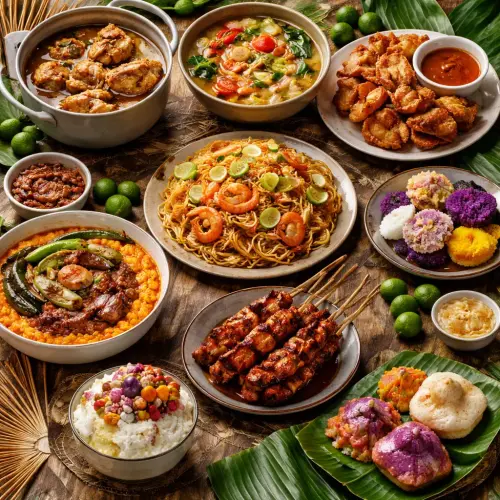
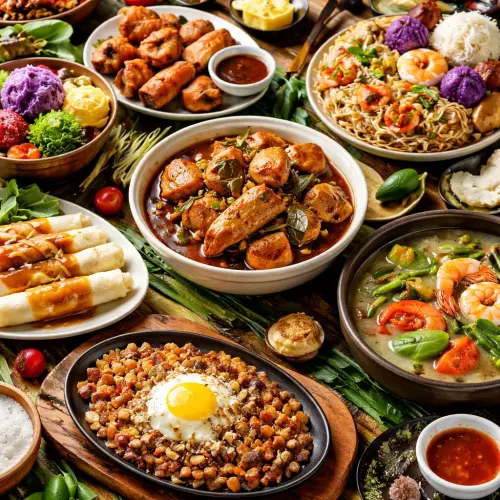
Adobo is perhaps the most recognizable of all iconic Filipino cultural dishes. Its beauty lies in its simplicity: meat (chicken, pork, or both), soy sauce, vinegar, garlic, bay leaves, and peppercorns. But do not mistake simplicity for blandness. The slow simmer transforms these base ingredients into something deeply savory and tangy.
Every family has an adobo recipe passed down from grandparents. Some add coconut milk. Others include hard-boiled eggs or potatoes. This flexibility is why adobo remains one of the top cultural Filipino foods that preserve heritage. It adapts without losing its core.
2. Lechon: The Centerpiece of Celebration
Lechon (roasted suckling pig) is inseparable from Filipino festivities. A lechon on the table signals abundance and hospitality. Its crispy skin and tender meat are the result of hours of slow roasting over charcoal. This dish unmistakably represents Filipino heritage and roots.
In places like Cebu, lechon is famous for its herby, garlicky stuffing. In Luzon, it is often served with lechon sauce made from liver and breadcrumbs. No matter the variation, the ceremony around lechon—the slicing, the cheering, the sharing—proves why cultural foods are important in Filipino identity.
3. Sinigang: Sour Comfort in a Bowl
Sinigang is a tamarind-based soup often loaded with pork, shrimp, or fish and vegetables like kangkong, radish, and okra. The sourness awakens the palate and comforts the soul, especially on rainy days. It is one of those meals considered cultural symbols in the Philippines that every household prepares with local produce.
The variations are endless: sinigang na baboy (pork), sinigang na hipon (shrimp), or even sinigang na bangus (milkfish). Each version carries the same emotional weight. It is a dish that connects generations because grandmothers teach grandchildren how to balance the sourness with fish sauce.
4. Kare-Kare: Oxtail in Peanut Sauce
Kare-kare is comfort in a thick, nutty sauce, often served with bagoong (fermented shrimp paste). Made from oxtail, tripe, and vegetables like eggplant and string beans, it is a labor of love. The stew is thickened with ground toasted rice, giving it a unique texture.
This dish is a powerful example of how traditional foods preserve Filipino values like patience and hospitality. Preparing kare-kare takes time. Serving it to guests shows respect. It is one of the top heritage Filipino dishes because its recipe has remained largely unchanged for centuries.
5. Pancit: Noodles for Long Life
No Filipino birthday party is complete without pancit. The long noodles symbolize long life. Whether it is pancit bihon (thin rice noodles), pancit canton (egg noodles), or pancit palabok (thick noodles in shrimp sauce), the message is the same: good wishes for longevity.
Pancit is also practical. It stretches to feed a crowd, making it perfect for fiestas and family gatherings. This is how Filipino foods strengthen cultural identity—through everyday acts of caring and sharing. It is a classic among dishes deeply rooted in Filipino tradition.
6. Lumpia: Crispy Rolls That Bring Everyone Together
Lumpia is the Filipino version of spring rolls, and it comes in two forms: fresh (lumpiang sariwa) and fried (lumpiang shanghai). The fried version is a staple at parties and was popularized as a festive snack. Its crunchy exterior and savory filling—usually ground pork, carrots, and onions—make it irresistible.
Making lumpia is often a family activity. Everyone gathers around to wrap rolls, chat, and laugh. That communal act is why lumpia is one of the cultural foods that keep every Filipino root so alive. It strengthens bonds even as it fills stomachs.
7. Kakanin: Rice Cakes Rooted in Tradition
Kakanin is an umbrella term for traditional Filipino rice cakes. Think bibingka (rice cake cooked in clay pots lined with banana leaves), puto bumbong (purple sticky rice steamed in bamboo tubes), and suman (sticky rice wrapped in coconut leaves). These treats are especially popular during Christmas and town fiestas.
Kakanin reflects pre-colonial Filipino ingenuity, transforming staple ingredients like glutinous rice, coconut milk, and sugar into festive delights. They are cultural Filipino foods that preserve heritage by maintaining ancient cooking techniques. For many Filipinos who value traditional cuisine, kakanin is nostalgia wrapped in a banana leaf. For a related guide, see 8 Filipino Flavors That Make Bali More Special.
8. Halo-Halo: A Dessert That Mirrors Filipino Diversity
Halo-halo means “mix-mix,” and that is exactly what it is: a shaved ice dessert layered with sweetened beans, coconut strips, jackfruit, leche flan, ube ice cream, and pinipig (crisped rice). Topped with milk and sugar, it is the ultimate tropical refreshment.
This colorful chaos is a metaphor for Filipino culture itself—many influences blended into one harmonious whole. Halo-halo is one of the dishes that represent Filipino heritage and roots because it celebrates diversity while remaining unmistakably Filipino. It connects generations through shared memories of hot afternoons and family outings. For a related guide, see 10 Filipino Comfort Foods That You Must Try While in Bali.
How Filipino Food Keeps Traditions Alive in Everyday Life
The connection between food and identity does not stop at Sunday dinners. Cultural foods important in Filipino identity show up in daily routines: a warm bowl of champorado for breakfast, a merienda of turon with coffee, or a simple dinner of daing na bangus with sinangag and itlog (the famous silog combo).
These habits are passed from parent to child, silently teaching lessons about resourcefulness, gratitude, and community. When a grandmother shows her grandson how to wrap suman, she is not just making a snack. She is handing down a skill that has been practiced for centuries. That is how traditional foods preserve Filipino values.
Why Filipino Cuisine Is Tied to Cultural Pride
Pride in Filipino cuisine has grown tremendously in the past decade. Thanks to chefs like Claude Tayag, Margarita Fores, and the late Nora Daza, the world now recognizes the depth of heritage Filipino dishes. International food publications celebrate lechon, adobo, and sinigang as world-class dishes. For a related guide, see 12 Filipino Recipes That Feel Right at Home in Bali.
But true pride starts at home. When young Filipinos learn to cook their grandmother’s adobo, they reclaim a part of their identity. In diaspora communities, cooking Filipino dishes that reflect cultural identity becomes an act of preservation. It keeps children connected to roots they may have never touched.
How Food Reflects Filipino History
Every dish on this list tells a story. The use of vinegar and salt in adobo dates back to pre-colonial preservation methods. Lechon has Spanish origins but became fully Filipino. Kakanin uses indigenous rice and coconut, pointing to our Austronesian roots. Pancit and lumpia are gifts from Chinese traders. Halo-halo mirrors the multicultural tapestry of the Philippines.
Understanding this history adds layers of meaning to each bite. It is why cultural foods that keep every Filipino root so alive are more than recipes—they are archives of resilience, trade, and creativity.
Practical Ways Readers Can Honor These Cultural Foods That Keep Every Filipino Root So Alive
You do not need to be a professional chef to keep these traditions alive. Here are simple steps:
- Cook one dish from this list every month. Start with adobo or sinigang. Learn the technique, then teach it to someone younger.
- Document family recipes. Write down how your Lola makes kare-kare. Record her voice and tips. This becomes a family heirloom.
- Support local Filipino restaurants and food brands. They sustain the supply chain for authentic ingredients like bagoong, ube halaya, and banana leaves.
- Share stories on social media. Use your platform to highlight the cultural meaning behind the dishes you post. Explain why your family’s recipe matters.
- Celebrate Filipino holidays with traditional food. Prepare kakanin for Christmas, pancit for birthdays, and lechon for fiestas. Ritual reinforces identity.
Useful Resources
For deeper exploration, visit the Spot.ph reading list on Filipino food history and culture for curated articles and book recommendations. Also check the National Commission for Culture and the Arts (NCCA) page on Filipino culinary traditions for official perspectives on how food is protected as intangible cultural heritage.
Conclusion: Keep the Flame Alive, One Dish at a Time
Cultural foods that keep every Filipino root so alive are not just ingredients on a plate. They are love letters from the past, written in vinegar, coconut milk, and sticky rice. They are the warm embrace of a family meal, the pride of a fiesta feast, and the nostalgia of a hometown eatery.
As you savor your next adobo or halo-halo, remember that you are participating in a tradition that spans centuries and oceans. Share it. Teach it. Celebrate it. Because every time we cook these dishes, we keep the Filipino spirit connected, proud, and alive.
Frequently Asked Questions About Cultural Foods That Keep Every Filipino Root So Alive
What are cultural Filipino foods that preserve heritage ?
Cultural Filipino foods that preserve heritage include adobo, lechon, sinigang, kare-kare, pancit, lumpia, kakanin, and halo-halo. These dishes have been passed down through generations and embody Filipino values like family, hospitality, and resourcefulness.
Which Filipino dishes reflect cultural identity ?
Dishes that reflect cultural identity include adobo (adaptability), lechon (celebration), sinigang (comfort), pancit (longevity), and halo-halo (diversity). Each tells a story about Filipino history, geography, and community values.
How does Filipino food keep traditions alive?
Filipino food keeps traditions alive through family recipes, ritual cooking for holidays, and communal sharing. When families cook together, they pass down techniques and stories that preserve cultural memory across generations.
Why are cultural foods important in Filipino identity ?
Cultural foods are important because they anchor Filipinos to their roots. Whether at home or abroad, eating traditional dishes fosters a sense of belonging, pride, and continuity with the past.
What dishes represent Filipino heritage and roots ?
Key dishes include adobo, sinigang, lechon, kare-kare, pancit, lumpia, kakanin varieties (bibingka, puto bumbong, suman), and halo-halo. Each represents regional diversity and shared history.
How do Filipino foods connect generations ?
Through cooking and eating together, older generations teach younger ones methods, stories, and values. A weekend adobo lesson from Lola to apo creates lasting bonds and transfers culinary heritage.
What are iconic Filipino cultural dishes ?
Iconic dishes include adobo (national dish), lechon (festival staple), sinigang (sour soup), kare-kare (peanut stew), pancit (longevity noodles), lumpia (spring rolls), halo-halo (shaved ice dessert), and kakanin (rice cakes).
Why is Filipino cuisine tied to cultural pride ?
Filipino cuisine is tied to pride because it showcases the country’s resourcefulness, creativity, and hospitality. Global recognition of dishes like adobo and lechon boosts national pride and validates the culinary traditions of the Philippines.
How do traditional foods preserve Filipino values ?
Traditional foods preserve values such as bayanihan (communal spirit), pagmamano (respect), and malasakit (care). Sharing food shows generosity, while cooking methods teach patience, thrift, and love for family.
What meals are considered cultural symbols in the Philippines?
Meals considered cultural symbols include the Noche Buena feast (Christmas), kakanin for Simbang Gabi, lechon for fiestas, pancit for birthdays, and adobo for everyday family meals. These dishes mark important occasions and shared identity.
How does food reflect Filipino history?
Food reflects history through ingredients and techniques: vinegar preservation (pre-colonial), lechon and kare-kare (Spanish influence), pancit and lumpia (Chinese trade), and halo-halo (multicultural foundation). Each dish is a historical document on a plate.
What are examples of heritage Filipino dishes ?
Heritage dishes include adobo, dinuguan, kare-kare, sinigang, laing, bicol express, inihaw na liempo, tortang talong, and kakanin like bibingka and suman. These have been made for centuries using indigenous methods.
Why do Filipinos value traditional cuisine ?
Filipinos value traditional cuisine because it connects them to family memories, cultural roots, and national identity. Even overseas, cooking and eating Filipino food is a way to preserve home.
How do Filipino foods strengthen cultural identity ?
Filipino foods strengthen identity by providing shared experiences. Whether at a fiesta or a family dinner, the act of preparing and eating these dishes reinforces common values and collective pride.
What dishes are deeply rooted in Filipino tradition?
Deeply rooted dishes include adobo, sinigang, kare-kare, pancit, lumpia, lechon, kakanin like bibingka and puto bumbong, and halo-halo. Their recipes and rituals have survived centuries of change.
How can OFWs maintain cultural connection through food?
OFWs maintain connection by cooking familiar dishes, sharing meals with fellow Filipinos, passing down recipes to children, and celebrating Filipino holidays with traditional food. This keeps roots alive even far from home.
What is the most important cultural dish in the Philippines?
Adobo is often considered the most important because it is recognized as the national dish, is cooked in nearly every household, and has endless regional variations that reflect the diversity of the Philippines.
Can non-Filipinos appreciate these cultural foods?
Absolutely. Many international food lovers enjoy adobo, lechon, and halo-halo. Understanding the cultural context adds appreciation. The more people learn about the history and values behind the food, the more they respect the cuisine.
What is the best way to learn Filipino cooking?
The best way is to learn from a family member, but cookbooks by chefs like Margarita Fores or blogs like Panlasang Pinoy are excellent resources. Practice and patience are key to mastering traditional flavors.
How do social media creators help preserve Filipino food culture?
Social media creators document recipes, explain cultural significance, and showcase regional specialties. This digital archive makes Filipino food more accessible and inspires younger generations to cook and share their heritage.
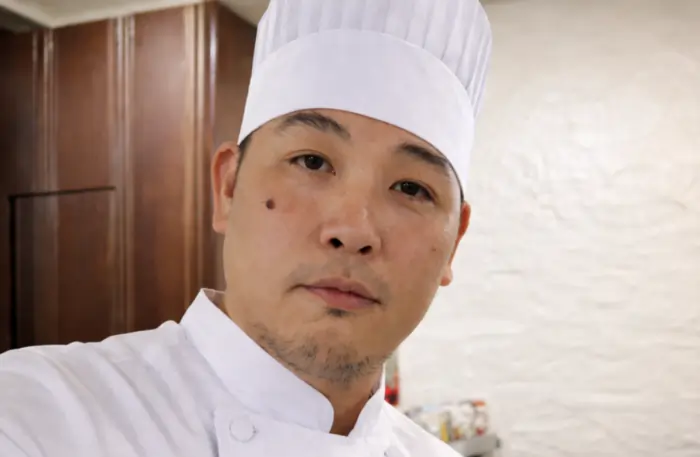
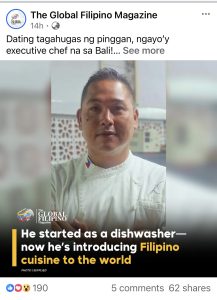
Chef Juan Gadi brings the heart of Filipino hospitality to Ubud, Bali. As an Executive Chef and consultant, he specializes in creating intimate, curated dining experiences that tell a story through every dish. Whether leading the kitchen at Kilig Filipino Warung or hosting a private villa dinner, Chef Juan’s approach is defined by warmth, modern technique, and a commitment to culinary excellence.