Filipino Recipes Based on Beautiful Family Tradition Key Takeaways
Filipino cuisine is more than just food—it is a living archive of family history, regional pride, and shared memory.
- Each recipe tells a story of heritage: from the slow-simmered adobo that varies by household to the labor-of-love kare-kare served at family reunions.
- Learn cooking tips that preserve authenticity—like toasting rice for lugaw or using fresh calamansi for sinigang —while adapting to modern kitchens.
- Discover how traditional Filipino family recipes like pancit and lumpia symbolize long life, prosperity, and the enduring bonds of family.
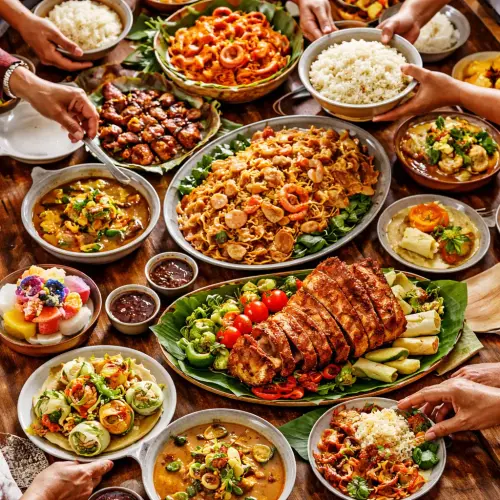
Why These 12 Heirloom Dishes Define Filipino Family Heritage
In Filipino culture, the kitchen is the heart of the home, and recipes are whispered from one generation to the next. Every traditional Filipino family recipe carries not just ingredients but also the memory of a lola’s hands, the laughter of a fiesta, and the comfort of a rainy Sunday. The 12 dishes below were chosen because they appear in almost every Filipino household—yet each family’s version is uniquely theirs. They represent Filipino cultural heritage recipes that have survived migration, modernization, and changing tastes, proving that food is the most delicious way to preserve identity. For a related guide, see 12 Filipino Recipes That Feel Right at Home in Bali.
1. Chicken Adobo: The National Dish of Every Household
A Recipe That Defines Filipino Recipes Based on Beautiful Family Tradition
Every Filipino family has its own adobo—some use more vinegar for tang, others add coconut milk for creaminess. My own lola always started by searing chicken thighs until golden, then slow-simmering them in soy sauce, cane vinegar, garlic, peppercorns, and bay leaves. She said the secret was patience: let the sauce reduce until it clings to the meat like a glossy memory. Adobo is the ultimate Filipino comfort food families turn to after a long week, served with steaming white rice and a side of fried eggplant. For a related guide, see Wedding Catering In Ubud: Filipino-Inspired Menus For Modern Bali Weddings And Elopements.
Cooking Tips for Authentic Adobo
Use a mix of chicken legs and pork belly for depth. Marinate overnight for better flavor absorption. For a darker, richer sauce, add a teaspoon of brown sugar or a dash of annatto oil. Serve with a splash of the reduced sauce and plenty of garlic slices.
2. Sinigang na Baboy: Sour Soup, Heartwarming Memories
A Tamarind-Laced Hug in a Bowl
Sinigang is the soup that Filipinos crave when they feel homesick or under the weather. My aunt makes hers with a family-grown sampalok (tamarind) base, simmered with pork ribs, taro (gabi), radish, okra, and water spinach (kangkong). The sourness is sharp but balanced by the natural sweetness of the vegetables. This is a Filipino dish for special occasions like Sunday lunch or a post-church family gathering, always served in a large batchoy bowl so everyone can dip their spoons together.
Regional Twist
In the Pampanga region, sinigang is sometimes made with guava or kamias (bilimbi) for a fruitier sour note. Try using tamarind paste if fresh pods are unavailable, but never skip the fish sauce (patis) for umami.
3. Kare-Kare: The Oxtail Stew That Takes All Day—and That’s the Point
Heirloom Filipino Dishes That Require Love and Patience
Kare-kare is the centerpiece of many noche Buena feasts and birthday dinners. The thick peanut sauce, made from toasted ground peanuts and annatto, coats tender oxtail, tripe, and vegetables like eggplant and long beans. My grandmother would start preparing it at 6 AM, pounding peanuts in a mortar while chatting with neighbors. The bagoong (fermented shrimp paste) on the side is non-negotiable—it cuts through the richness. This is one of those heirloom Filipino dishes that younger generations are learning to make, even if they’ve moved abroad.
Pro Tip for Home Cooks
Use a slow cooker or pressure cooker to save time without sacrificing tenderness. For a vegetarian version, swap oxtail for tofu and banana blossoms, and use peanut butter if you’re short on time—but the real magic comes from freshly ground peanuts.
4. Pancit Canton: Noodles for Long Life and Prosperity
Filipino Dishes for Special Occasions That Celebrate Togetherness
No birthday party is complete without pancit canton—the stir-fried egg noodles with meat, shrimp, and vegetables symbolize long life. My great-aunt Nena would serve it on a huge platter, garnishing it with sliced calamansi and chopped scallions. She always said, “Eat as much as you want, but don’t cut the noodles—break them with your chopsticks. We want long life, not short ones.” This dish is the quintessential Filipino dish for special occasions, from weddings to graduations.
Customization Ideas
Add wood ear mushrooms or liver cubes for extra texture. For a healthier twist, toss in snow peas, carrots, and cabbage. Always finish with a squeeze of calamansi to brighten the flavors.
5. Lumpiang Shanghai: The Golden Rolls That Disappear First
Filipino Comfort Food Families Rely On for Every Gathering
Crispy, bite-sized spring rolls filled with ground pork, carrots, and water chestnuts are the life of any party. My mom would set up an assembly line—she’d spoon the filling onto a lumpia wrapper, my sister would roll it tight, and I’d seal the edge with a drop of water. We’d fry them until golden and watch them vanish within minutes. This is classic Filipino comfort food families enjoy as appetizers or sides, dipped in sweet chili sauce or vinegar with garlic.
Make Ahead Tip
You can freeze uncooked lumpia for up to three months. Fry directly from frozen, adding a few extra minutes to cooking time. For a twist, try using ground chicken or tofu.
6. Leche Flan: The Silky Caramel Custard That Ends Every Celebration
A Sweet Conclusion to Filipino Cultural Heritage Recipes
Leche flan is the dessert that makes every Filipino gathering official. My lola’s recipe used only egg yolks, condensed milk, and evaporated milk, steamed in a llanera (oval tin) over low heat. The caramel—made from sugar and a bit of water—was poured into the mold first, creating a golden syrup that pools on the plate when you invert the custard. It is one of the most treasured Filipino cultural heritage recipes, often made for Christmas, New Year, and family fiestas.
Common Mistake to Avoid
Do not over-steam: a slow, gentle heat prevents bubbles. Strain the egg mixture through a sieve before pouring to remove any egg white bits. Let it cool completely before unmolding—warm leche flan breaks easily.
7. Arroz Caldo: The Warm Hug for Rainy Days
What Are Traditional Filipino Family Recipes That Heal
Arroz caldo is a creamy rice porridge flavored with ginger, chicken, and toasted garlic. My father would make it whenever we had a cold—he’d grate fresh ginger, sauté it with garlic, add rice and broth, then simmer until the grains broke down into comfort. A drizzle of calamansi and a sprinkle of fried garlic on top made everything better. This is one of the simplest traditional Filipino family recipes, yet it carries generations of care and healing.
Authentic Serving Suggestions
Top with boiled eggs, chopped scallions, and crispy fried tofu or chicken skin. For extra depth, use chicken broth made from bones and add a dash of fish sauce.
8. Bistek Tagalog: Beefsteak with a Soy-Calamansi Kiss
Home-Cooked Meals That Speak of Love and Patience
Bistek Tagalog, or beefsteak, is made from thinly sliced beef marinated in soy sauce and calamansi, then pan-fried and topped with caramelized onions. My mother would pound the beef with a rolling pin to tenderize it, a technique she learned from her own mother. The marinade—equal parts soy sauce and calamansi—is the touchstone of this dish. It is a beloved Filipino recipe based on beautiful family tradition, served with steamed rice and a side of fried garlic bits.
Quick Weeknight Hack
Use pre-sliced “beef for bistek” from the supermarket, or ask your butcher to slice sirloin or top round very thin. Marinate for at least 30 minutes—if you can, let it sit overnight for maximum tenderness.
9. Ginataang Manok: Chicken in Creamy Coconut Milk
How Filipino Recipes Reflect Family Traditions in the Bicol Region
This dish from the Bicol region combines chicken with coconut milk (gata), ginger, and long green chilies. My friend’s family adds malunggay (Moringa) leaves for a nutritious boost. The coconut milk is simmered slowly until it separates into oil and curds, creating a rich, spicy sauce that clings to every bite. It is a perfect example of how Filipino recipes reflect family traditions tied to local ingredients and cooking methods passed down from mothers to daughters.
Spice Control
Use two or three siling haba or jalapeños for mild heat. For a bolder kick, slit chilies lengthwise and leave the seeds in. Serve with bagoong or patis on the side.
10. Tortang Talong: Eggplant Omelette That Makes Vegetables Fun
Easy Traditional Filipino Recipes for Home Cooking
Tortang talong starts with grilling a whole eggplant until the skin blackens, then peeling it and flattening the flesh with a fork. Dip it in beaten eggs and fry until golden on both sides. My uncle used to make this for breakfast, often with a side of banana ketchup. It is one of the most accessible easy traditional Filipino recipes for home cooking, requiring only a few ingredients and ten minutes of effort.
Protein Boost
Add ground pork or flaked tuna to the egg mixture for extra heartiness. Top with shredded cheese for a modern twist.
11. Puto Cheese: Soft Rice Cakes for Afternoon Merienda
Filipino Dishes Linked to Celebrations and Heritage
Puto is a steamed rice cake that appears at fiestas, birthdays, and even Sunday church bazaars. My aunt would prepare the batter from rice flour, sugar, and baking powder, then add a cube of salty cheddar cheese on top before steaming. The contrast between the soft, airy cake and the sharp cheese is divine. These little cakes are Filipino dishes linked to celebrations and heritage, often served as merienda (afternoon snack) with coffee or tsokolate (hot chocolate).
Steaming Success
Line your steamer baskets with cheesecloth or banana leaves for easy removal. Never lift the lid during steaming to avoid collapsing the batter. For a colorful version, add a drop of ube extract to the batter.
12. Bibingka Galapong: Classic Rice Cake for Christmas Morning
The Ultimate Heirloom Filipino Dish for Holiday Gatherings
Bibingka made from galapong (soaked and ground rice) is a Christmas staple. My neighbor would bake it in clay pots lined with banana leaves, topping it with salted duck eggs (itlog na pula), grated coconut, and butter. The slightly charred edges and soft center, paired with a cup of salabat (ginger tea), defined our Christmas mornings. This recipe is the crown jewel of 12 Filipino recipes based on beautiful family tradition—a dish that embodies the warmth of family, faith, and festivity.
Modern Adaptation
If you don’t have a clay pot, use a round cake pan lined with banana leaves. Bake at 375°F until the top is golden and a toothpick comes out clean. Sprinkle with sugar and grated cheese before serving.
Useful Resources
To deepen your understanding of Filipino food heritage, explore these trusted sources:
- Migrationology: The Ultimate Guide to Filipino Food – history, regional dishes, and recipes
- Sunset Magazine: Filipino Family Recipes from Lola’s Kitchen – modern takes on traditional dishes
These 12 Filipino recipes based on beautiful family tradition are more than just instructions for cooking—they are stories waiting to be told at your dining table. Whether you are recreating your grandmother’s adobo or trying bibingka for the first time, every dish connects you to a rich heritage of love, resilience, and shared joy. So gather your family, set the table, and let these recipes remind you that the best tradition of all is the one you share with the people you love.
Frequently Asked Questions About Filipino Recipes Based on Beautiful Family Tradition
What are traditional Filipino family recipes ?
Traditional Filipino family recipes include adobo, sinigang, kare-kare, pancit, lumpia, and leche flan. These dishes are passed down through oral instruction and handwritten notes, with each household adding its own twist based on regional availability and personal taste.
Which Filipino dishes are commonly passed down through generations?
Adobo, sinigang, kare-kare, leche flan, and bibingka are among the most commonly inherited dishes. They appear in family cookbooks, lola’s recipe notebooks, and even in social media groups dedicated to keeping these traditions alive.
How do Filipino recipes reflect family traditions?
Filipino recipes reflect traditions through their use of regional ingredients, cooking techniques learned from elders, and the specific occasions they are prepared for. Every dish carries a story—whether it’s the adobo from a grandmother in Batangas or the sinigang from a family in Iloilo.
What are the most popular heirloom Filipino dishes ?
The most popular heirloom Filipino dishes include chicken adobo, kare-kare, pancit canton, lumpiang shanghai, and leche flan. These are served at majority of family gatherings and are often the first dishes that younger generations learn to cook.
Why is food important in Filipino family culture?
Food is central to Filipino family culture because it is a way to express love, hospitality, and togetherness. Shared meals are considered sacred moments to reconnect, tell stories, and pass down values—often humorously referred to as “love language” through cooking.
How are Filipino recipes preserved across generations?
Recipes are preserved through oral tradition, handwritten notebooks, social media groups, and family videos. Many Filipino families also document recipes on platforms like Facebook cooking groups or YouTube channels dedicated to heirloom cooking.
What meals represent Filipino family gatherings?
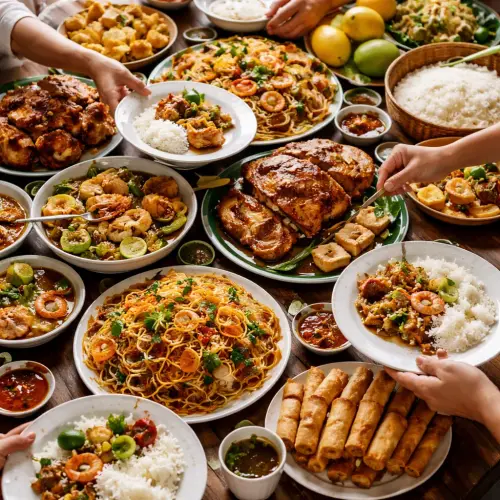
Lechon (roasted pig), pancit, lumpia, adobo, and various stews represent Filipino family gatherings. These dishes are often laid out in a dulang or long table and shared by everyone using spoons and plates.
Which Filipino dishes are cooked for special occasions?
For special occasions such as birthdays, baptisms, and fiestas, families cook pancit canton (long life), kare-kare (rich stew for Noche Buena), leche flan (sweet ending), and bibingka (Christmas tradition). These dishes carry symbolic meanings tied to abundance and celebration.
How does Filipino cuisine reflect cultural heritage?
Filipino cuisine reflects heritage by blending indigenous, Chinese, Malay, Spanish, and American influences into uniquely adapted dishes. It showcases the resourcefulness of Filipinos—using every part of an ingredient and making the most of what is locally available.
What are easy traditional Filipino recipes for home cooking?
Easy traditional Filipino recipes include tortang talong (eggplant omelette), sinangag (garlic fried rice), adobo (simple stew), ginataang kalabasa (squash in coconut milk), and pan de sal (bread rolls). These require limited ingredients and basic kitchen skills.
What dishes are considered Filipino comfort food in families?
Filipino comfort food includes arroz caldo (rice porridge), sinigang (sour soup), adobo, macaroni sopas (creamy macaroni soup), and champorado (chocolate rice porridge). These are often made during rain, illness, or homesickness.
How do family traditions influence Filipino cooking?
Family traditions dictate which spices are preferred, how long a dish is simmered, and what side dishes are served. For example, one family might swear by vinegar-heavy adobo while another uses equal parts soy sauce and garlic.
What are classic Filipino recipes with cultural meaning?
Classic recipes with deep meaning include pancit (long life), lumpia (prosperity), leche flan (celebration), bibingka (Christmas), and arroz caldo (healing). Each dish carries a story or belief tied to the Filipino way of life.
Why do Filipino families value shared meals?
Shared meals are valued because they are the primary way families bond. Eating together is seen as a sign of unity, respect, and gratitude. Many Filipino households will not start a meal until everyone is seated.
What Filipino dishes are linked to celebrations and heritage?
Pancit (birthday), kare-kare (Christmas), lumpia (any celebration), leche flan (fiestas), and bibingka (Christmas) are directly linked to celebrations. Their preparation is often a communal activity involving multiple family members.
How can OFWs recreate these dishes abroad?
OFWs can recreate authentic flavors by sourcing key ingredients like vinegar, fish sauce, and dried tamarind from Asian groceries, or ordering online. Substitutions like lemon for calamansi or peanut butter for ground peanuts work well in a pinch.
Are Filipino recipes suitable for beginners?
Yes, many Filipino recipes are beginner-friendly because they rely on basic techniques like boiling, simmering, frying, and steaming. Recipes such as adobo, tortang talong, and sinangag require minimal cooking experience.
What kitchen tools are essential for cooking Filipino dishes?
Essential tools include a rice cooker, large wok or frying pan, steamer baskets, mortar and pestle for pounding spices, and clay pots (palayok) for authentic stews like bulalo and sinigang.
Can Filipino recipes be made vegetarian?
Many Filipino recipes can be made vegetarian by replacing meat with tofu, mushrooms, eggplant, or jackfruit. For example, ginataang gulay (vegetables in coconut milk) and tortang talong are naturally vegetarian or easily adapted.
What is the most important ingredient in Filipino cooking?
Garlic is arguably the most important—it forms the base of most dishes, from adobo to sinangag. Other essentials include soy sauce, vinegar, fish sauce (patis), calamansi, and rice—the staple of every meal.
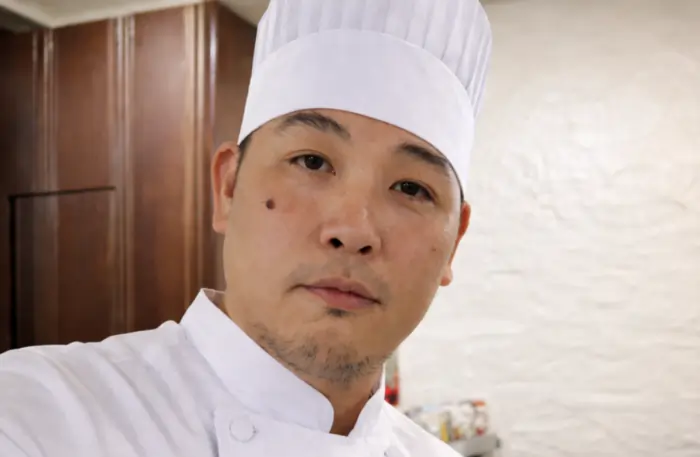
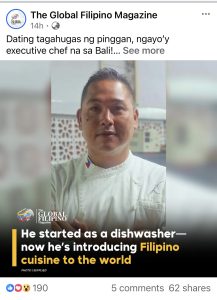
Chef Juan Gadi brings the heart of Filipino hospitality to Ubud, Bali. As an Executive Chef and consultant, he specializes in creating intimate, curated dining experiences that tell a story through every dish. Whether leading the kitchen at Kilig Filipino Warung or hosting a private villa dinner, Chef Juan’s approach is defined by warmth, modern technique, and a commitment to culinary excellence.