

Simple Dining Moments That Feel Surprisingly Magical Key Takeaways
These are the unplanned, quiet meals that linger in memory — a solo breakfast bathed in morning light, a street food discovery on a foreign corner, or a shared sunset picnic that feels like a scene from a film.
- simple dining moments that feel surprisingly magical often involve sensory richness, emotional connection, or a break from routine.
- Small details — lighting, conversation, setting — can transform an ordinary meal into a lasting memory.
- These experiences are accessible to everyone; you don’t need a fancy restaurant or a special occasion.

What Makes Simple Dining Moments Feel Surprisingly Magical?
We often think magic requires elaborate planning — a reservation at a Michelin-starred restaurant, a candlelit table with dozens of courses, or a destination wedding feast. Yet the most unforgettable simple meals often arrive unannounced. They slip into our lives without fanfare: a bowl of noodles shared after midnight, a quiet breakfast moment before the world wakes up, or a piece of fruit eaten on a hillside as the sky turns gold. For a related guide, see 7 Warm Shared Meals: Emotional Comfort Found in Filipino Dining.
Emotional food psychology explains why these moments stick. The brain encodes experiences more deeply when multiple senses are engaged — the warmth of a bowl in your hands, the laughter of a friend, the scent of spices in the air. Add a touch of novelty or intimacy, and the meal becomes an experiential food memory that feels precious years later.
Below, we explore eight specific simple dining moments that feel surprisingly magical. For each, you’ll learn what makes it special and how to recreate it yourself.
1. A Quiet Breakfast Alone — The Magic of Breakfast Dining Memories
There’s a unique stillness to early mornings. When you sit down with a steaming cup of coffee and a plate of warm toast, no phone buzzing, no rush — the world feels kind. This is one of the most accessible intimate food experiences you can give yourself.
Why It Feels Special
Solitude magnifies flavor. Without distraction, you taste the nuttiness of the bread, the brightness of the berries, the richness of butter melting into each bite. Small moment appreciation grows naturally when you aren’t multitasking. The morning light streaming through a window adds a visual softness that makes everything feel like a photograph.
How to Recreate the Magic
- Choose a spot with good natural light — a kitchen window, a balcony, or a café corner.
- Prepare something simple but intentional: fresh fruit, good bread, a properly brewed tea or coffee.
- Leave your phone in another room. Give yourself 20 minutes of uninterrupted presence.
- Notice the sensory details: the warmth of the mug, the sound of birds outside, the first sip.
2. A Shared Sunset Picnic — Sunset Dining Experiences That Etch into Memory
There is a reason sunset dinners appear in so many romantic films. The changing light, the cooling air, the shared awareness that the moment is fleeting — all of this amplifies connection. A simple picnic with cheese, bread, and fruit becomes a meaningful shared meal when the sky is on fire.
Why It Feels Special
The atmosphere and dining mood collaborate perfectly. As the sun drops, colors shift from gold to pink to deep indigo. The romantic dining atmosphere emerges naturally — no candles needed. Eating outdoors also brings a sense of freedom and adventure, even if you’re only twenty minutes from home.
How to Recreate the Magic
- Find a spot with an open western view: a park bench, a hillside, a rooftop, or even a large window at home.
- Pack portable, easy-to-eat foods: crusty bread, soft cheese, dried fruit, olives, chocolate.
- Arrive 30 minutes before sunset to settle in and watch the full transition.
- Focus on conversation or comfortable silence — both work beautifully.
3. Street Food Discovery While Traveling — Street Food Experiences That Define a Place
Some of the strongest travel food memories come from a random stall or cart. You’re walking through a narrow alley in Bangkok, a bustling market in Mexico City, or a rainy night in Tokyo. The smell of grilled meat or fresh herbs pulls you in. You point, you smile, you receive a paper plate of something you’ve never tasted. It’s electric.
Why It Feels Special
Cultural food moments like these are unmediated. There’s no menu translation, no polished service — just a local cook sharing their craft. The novelty and authenticity combine to create a sensory food experience that is raw and real. The risk of the unknown (Will I like it? Is it safe?) adds a tiny thrill that sharpens the memory.
How to Recreate the Magic
- When traveling, seek out busy local markets or food streets. Trust the lines.
- Try one thing you can’t identify. Ask the vendor to recommend their favorite.
- Eat standing up or on a nearby curb — the lack of formality adds to the charm.
- Back home, visit an authentic ethnic neighborhood and eat at a no-frills spot.
4. A Cozy Dinner at Home with Candles — Intimate Dining Moments
Not every magical meal requires leaving the house. In fact, some of the most cozy dining experiences happen right in your own kitchen or living room. When you dim the lights, light a few candles, and put on soft music, even takeout pizza can feel like a special occasion.
Why It Feels Special
Home is where you are most yourself. There is no pretense, no awkward small talk with strangers. The intimate dining moments unfold naturally when you’re in a space that feels safe and warm. Lighting and dining mood play a huge role: candles reduce harsh shadows and soften faces, making everyone look and feel more relaxed.
How to Recreate the Magic
- Set the table properly — even for takeout. Use cloth napkins, real plates, and a centerpiece.
- Light two or three candles (unscented, so they don’t compete with the food).
- Create a playlist of instrumental or acoustic music at low volume.
- Cook together if you have company — the act of preparing food can be part of the experience.
5. A Spontaneous Date at a Neighborhood Spot — Relationship Dining Experiences
Some of the most relationship dining experiences are born from spontaneity. You’re hungry, you’re together, and you wander into an unassuming spot around the corner. There’s no reservation, no expectation. The conversation flows, the food is surprisingly good, and you both feel like you’ve discovered a secret.
Why It Feels Special
Emotional dining experiences thrive on surprise. When you aren’t trying to impress, you can be fully present. The lack of pressure opens space for laughter, vulnerability, and genuine connection. Sharing simple meals bonding in a low-stakes setting often leads to deeper conversations than a formal dinner ever could.
How to Recreate the Magic
- Next time you’re hungry together, resist the urge to check reviews. Walk into a place that looks cozy.
- Offer to order for each other — choose something the other person might not pick.
- Ask the server what they personally love on the menu.
- Stay curious about each other. Let the meal be a backdrop, not the main event.
6. A Family Gathering Around a Simple Meal — Meaningful Shared Meals
Think back to your childhood: the dinners that felt most special weren’t the ones with fancy dishes. They were the ones where everyone actually sat down together. A big pot of soup, a pile of warm bread, a simple salad — but the table was full, the voices overlapped, and laughter bounced off the walls.
Why It Feels Special
Shared dining experiences around simple food create a sense of belonging. The food and emotion connection here is about abundance — not of ingredients, but of presence. Everyone contributes something, even if it’s just their appetite. Emotional food psychology calls this the “social facilitation effect” — we eat more, enjoy more, and remember more when we’re with people we love.
How to Recreate the Magic
- Cook one hearty, flexible dish — stew, curry, pasta, tacos — that everyone can customize.
- Set a rule: no phones at the table. Make eye contact.
- Share one highlight from your day before the meal begins.
- Keep the menu small and forgiving. The point is togetherness, not culinary perfection.
7. Solo Dinner with a Good Book — Lifestyle Dining Moments
Sometimes the best company is a well-written page. A solo dinner with a book is a quiet rebellion against the pressure to always be social. It is a lifestyle dining moment that celebrates self-sufficiency and pleasure. You eat what you crave, at your own pace, with no need to make conversation.
Why It Feels Special
This is one of the purest forms of simple meal appreciation. Without distraction, you tune into the rhythm of eating and reading. The meal becomes a ritual of self-care. The sensory details — the crack of a spine, the warmth of a bowl, the taste of each bite — merge into a sensory dining experience that is completely your own.
How to Recreate the Magic
- Choose a book that matches the mood: something light and transportive, not heavy or work-related.
- Prepare a meal that is easy to eat one-handed: soup in a mug, pasta, a grain bowl, tacos.
- Light a candle or put on a diffuser with a calming scent like lavender or sandalwood.
- Set a timer for 45 minutes. Let yourself sink into the pages without guilt.
8. Late-Night Snack with a Close Friend — Everyday Food Magic
The clock has passed midnight. You’re both tired but not ready to say goodbye. You open the fridge, find leftovers, cheese, maybe some pickles. You slice bread, pour glasses of water or wine, and sit on the kitchen floor or a couch. The conversation gets real. This is everyday food magic at its best.
Why It Feels Special
Late-night snacks bypass all formality. There is no table setting, no plan, no pretense. The hospitality and food emotion here is effortless — you are sharing not just food, but vulnerability. These unforgettable dining moments often become inside jokes or cherished stories because they are so genuinely human.
How to Recreate the Magic
- Keep a small stash of “emergency” sharing food: good crackers, aged cheese, olives, dark chocolate.
- Invite a friend to stay a little longer after dinner. Let the conversation drift.
- Don’t overthink the food. Leftovers or simple snacks are perfect — the focus is the connection.
- Embrace imperfection. Eat with your hands. Laugh. Spill a little. It’s part of the memory.
How to Recognize and Cultivate Experiential Food Memories in Daily Life
After reading these eight scenarios, you might notice a pattern: the magic rarely comes from the food alone. It comes from the convergence of atmosphere, emotion, and relationship. Atmosphere and dining mood act as the stage. Relationship dining experiences provide the script. And the food itself becomes the prop that anchors the memory.
Practical Tips for Creating More Magical Meals
- Slow down. The fastest path to a memorable meal is eating without rushing. Put your fork down between bites.
- Engage your senses. Notice the color of the dish, the texture of the bread, the sound of sizzling or pouring.
- Change your setting. Eating on the floor, on a balcony, or even on a blanket in the living room shifts your perspective.
- Remove screens. The biggest killer of magic is a phone on the table. Create a tech-free zone for 30 minutes.
- Cook with intention. Even a simple scrambled egg can feel special if you whisk it with care, add fresh herbs, and serve it on a warm plate.
The Psychology Behind Food and Emotion Connection
Neuroscience tells us that our brains store memories more vividly when they are linked to multiple sensory inputs — taste, smell, touch, sight, and hearing. This is why sensory dining experiences feel so potent. The smell of garlic sizzling in olive oil can instantly transport you to a summer kitchen a decade ago.
Emotional eating experiences also benefit from what psychologists call “peak-end theory” — we remember the most intense moment of an experience and how it ended. A shared laugh at the end of a meal can color the entire memory, making it feel warmer than it actually was. This is why simple dining moments that feel surprisingly magical often end with a hug, a smile, or a moment of quiet gratitude.
Useful Resources
For a deeper dive into the science of food memories and emotional dining, check out these credible sources:
- Psychology Today — The Psychological Power of Food Memories
- National Geographic — How Food Helps You Connect with Culture
Frequently Asked Questions About simple dining moments that feel surprisingly magical
What are simple dining moments that feel magical?
Simple dining moments that feel magical are unplanned, low-pressure meals that become emotionally significant due to sensory richness, atmosphere, or meaningful connection — like a quiet breakfast alone or a shared street food discovery while traveling. For a related guide, see How Dining Experiences Become Lasting Travel Memories.
Why do small meals feel special?
Small meals feel special because they strip away distraction and pretense. Without elaborate presentation or rushed schedules, you can focus on taste, texture, and the company you’re with, which deepens appreciation and memory.
How does atmosphere turn simple dinners into memorable experiences?
Atmosphere sets the emotional tone. Soft lighting, natural views, comfortable seating, and ambient sounds all signal to your brain that this moment is worth paying attention to, making the meal feel more significant.
Why do everyday food moments feel emotional?
Everyday food moments feel emotional because they are often linked to belonging, comfort, and routine. A familiar dish can evoke nostalgia, while a shared meal with a loved one can reinforce feelings of safety and connection.
Why do shared meals create magical feelings?
Shared meals create magical feelings because eating together releases oxytocin and strengthens social bonds. The act of sharing food is a primal signal of trust and cooperation, making the experience feel meaningful. For a related guide, see 10 Reasons Shared Meals Feel More Meaningful.
How does lighting affect dining mood?
Lighting dramatically affects dining mood. Warm, dim light (like candles or soft lamps) relaxes the nervous system and encourages intimacy, while harsh fluorescent light can make a meal feel rushed or unappealing.
What role does conversation play in dining experiences?
Conversation transforms a meal from a biological necessity into a relational event. Deep or playful talk creates emotional anchors that make the food itself more memorable, as the brain links taste with social reward.
Why do sunset meals feel magical?
Sunset meals feel magical because the changing light creates a naturally romantic atmosphere, and the timed nature of the event adds a sense of shared urgency. The beauty of the setting makes even simple food feel special.
How do people create special moments with simple food?
People create special moments with simple food by being intentional about setting, presence, and gratitude. Lighting a candle, turning off phones, plating thoughtfully, and savoring each bite can elevate even a bowl of soup.
What sensory details make dining feel unforgettable?
Unforgettable dining often involves multiple senses: the sight of a beautifully plated dish, the sound of sizzling or laughter, the smell of fresh herbs, the texture of warm bread, and the taste of something perfectly balanced.
Why do travel meals feel more emotional?
Travel meals feel more emotional because they combine novelty with cultural immersion. Eating in an unfamiliar place engages your full attention, and the context — a new city, a friendly stranger, a unique flavor — creates vivid memories.
How does hospitality turn simple dining into something special?
Hospitality turns simple dining into something special by making you feel seen and cared for. A warm greeting, a thoughtful recommendation, or a small unexpected gesture can transform a basic meal into a meaningful exchange.
What makes breakfast or street food feel magical?
Breakfast and street food feel magical because they are often informal, fresh, and tied to specific times or places. Breakfast represents a fresh start; street food offers authenticity and a direct connection to local culture.
How do relationships influence dining memories?
Relationships influence dining memories by providing emotional context. A meal shared with a loved one is encoded with feelings of affection, trust, and intimacy, which makes the food itself a symbol of that bond.
Why do simple moments become lasting food memories?
Simple moments become lasting food memories because they are often unguarded and authentic. Without performance or pressure, the emotional and sensory details imprint deeply in the brain, creating nostalgia that lasts years.
Can I create magical dining moments at home?
Absolutely. You can create magical dining moments at home by adjusting lighting, removing distractions, cooking with intention, and sharing the experience with someone you care about — even if that someone is yourself.
What is the easiest magical dining moment to start with?
The easiest magical dining moment to start with is a solo breakfast in good light. It requires no planning, no guest, and no special ingredients — just presence and a willingness to slow down and savor.
Should I plan magical dining experiences or let them happen naturally?
A mix of both works best. Some planning — like setting the table or choosing a picnic spot — helps create the conditions for magic. But the most memorable moments often arrive when you let go of expectations and embrace spontaneity.
What if I eat alone most of the time?
Eating alone can be deeply magical. Solo meals allow you to focus fully on the sensory experience and your own thoughts. Treat yourself with the same care you would offer a guest, and you will find richness in the solitude.
How do I remember these moments better?
To remember magical dining moments better, pause for 10 seconds before eating to notice the scene. Write a quick note in your phone or journal. Taking a single photo (not a dozen) can also help anchor the memory without pulling you out of the experience.
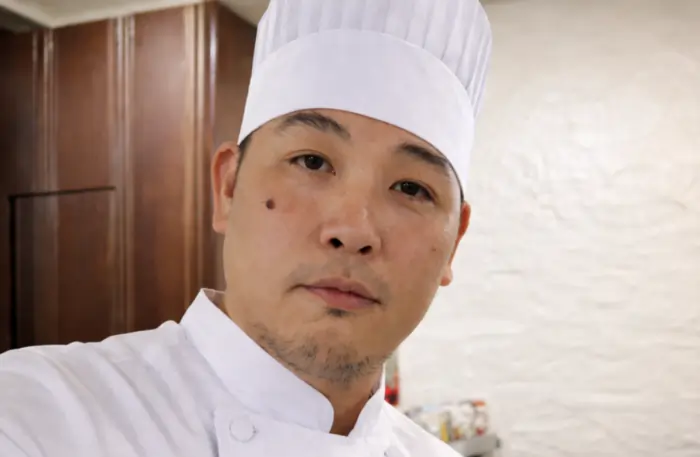
Chef Juan Gadi brings the heart of Filipino hospitality to Ubud, Bali. As an Executive Chef and consultant, he specializes in creating intimate, curated dining experiences that tell a story through every dish. Whether leading the kitchen at Kilig Filipino Warung or hosting a private villa dinner, Chef Juan’s approach is defined by warmth, modern technique, and a commitment to culinary excellence.