
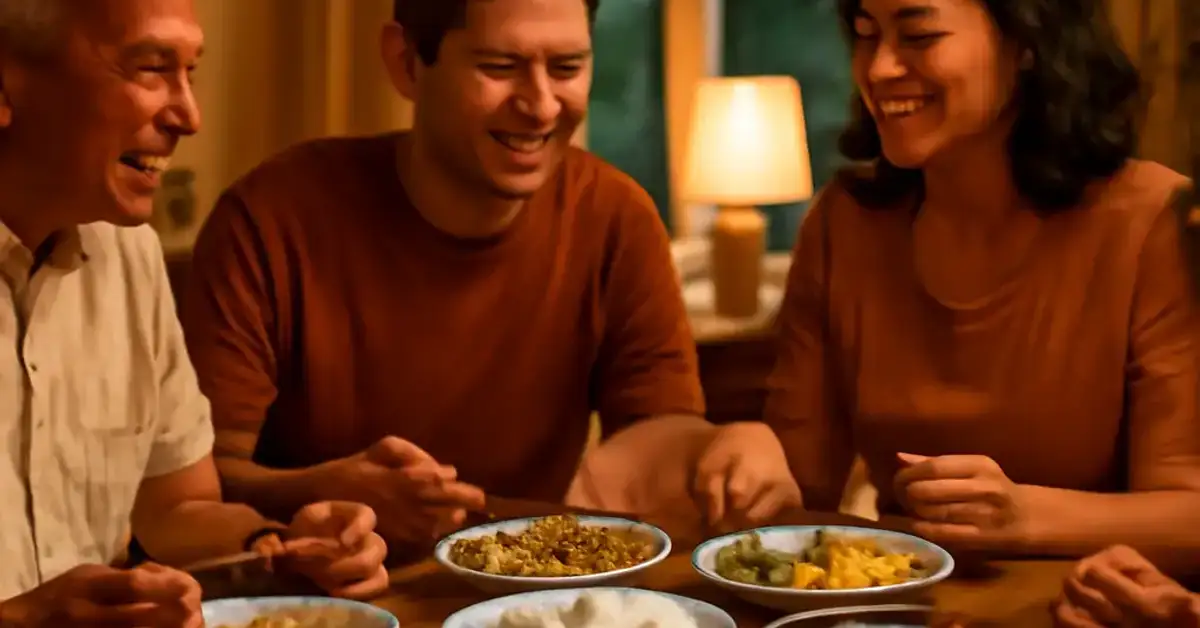
Beauty of Slow Evenings and Shared Dining Key Takeaways
The beauty of slow evenings and shared dining lies not just in the food, but in the space it creates for genuine human connection, mindfulness, and emotional presence.
- Slow dining encourages mindfulness, helping you savor flavors and appreciate atmosphere without the rush of modern life.
- Shared meals strengthen relationships by fostering deeper conversation and emotional bonding, especially in relaxed evening settings.
- Cultural traditions worldwide, from Filipino family-style feasts to Bali sunset dinners, prove that dining together is a universal language of love.
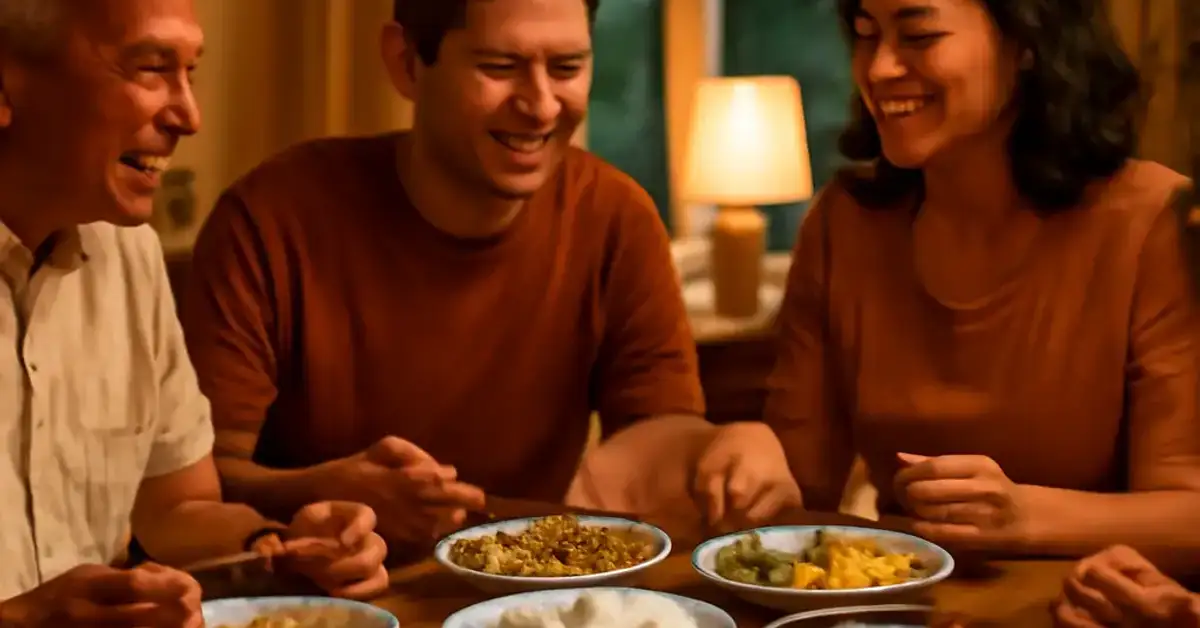
What Makes Slow Evenings and Shared Dining So Special?
There is a quiet magic that settles over a table when the sun dips below the horizon. The world outside softens, the light shifts to amber, and suddenly the simple act of eating becomes something more. The beauty of slow evenings and shared dining is that it invites us to pause—to set aside our phones, our to-do lists, and our constant sense of urgency. It is in these unhurried moments that we truly taste our food, hear the laughter of our companions, and feel the warmth of being present.
As Chef Juan Gadi, I have spent years crafting intimate dining experiences in Ubud, Bali, where the evening air carries the scent of frangipani and the clatter of serving spoons. I have seen how a simple meal of Adobo or Sinigang, shared around a bamboo table, can dissolve barriers and spark stories. This article explores why slow evenings matter, how they transform relationships, and how you can bring this enriching practice into your own life. For a related guide, see The Warm Feeling Behind Intimate Bali Gatherings.
The Quiet Revolution of Slow Dining Experience
In a world that glorifies speed and efficiency, choosing a slow dining experience is a quiet act of rebellion. When you sit down for an unhurried evening meal, you are consciously stepping away from the grind of productivity. The focus shifts from “getting it done” to “being here now.”
What Defines a Slow Dining Experience
A slow dinner is not about the clock; it is about intention. Dishes arrive in waves. Conversations meander. There is no rush to clear plates or move to the next activity. The beauty of slow evenings and shared dining is that it honors the rhythm of human interaction. In my own kitchen at Kilig Filipino Warung, I often watch guests lean in closer as the meal progresses—their shoulders drop, their smiles widen, and the noise of the outside fades.
Why Pace Matters for Digestion and Joy
Scientific research confirms what we intuitively know: eating slowly improves digestion, reduces overeating, and heightens the pleasure of food. When we chew thoroughly and pause between bites, our bodies produce more digestive enzymes and signal fullness more accurately. But beyond biology, a slow pace allows us to taste the umami of a perfectly braised pork belly or the bright acidity of a tamarind broth—nuances we miss when we eat on autopilot.
How Shared Meals Culture Strengthens Relationships
There is a reason every culture has a tradition of gathering around food. The shared meals culture is one of the oldest and most powerful tools for social bonding. When people eat together, they mirror each other’s movements, share vulnerability, and build trust. The beauty of slow evenings and shared dining is that it amplifies these effects by removing distractions and extending the time for connection.
The Psychology of the Communal Table
Social bonding food is not just a concept—it is a biochemical reality. Sharing a meal triggers the release of oxytocin, the “bonding hormone,” which increases feelings of closeness and cooperation. In the Philippines, the tradition of family style meals embodies this perfectly. Dishes like Pancit, Adobo, and Sinigang are placed in the center of the table, and everyone reaches in, passing plates and serving one another. This simple act of sharing food creates a sense of belonging.
Deepening Conversation Through Unhurried Time
When dinner lasts two hours instead of twenty minutes, there is room for real conversation to unfold. You move beyond “how was your day” to stories, memories, and dreams. The evening light, the clink of glasses, and the shared sensory experience of a meal create a safe container for emotional intimacy. That is why meaningful meals are often remembered for years—not for the recipe, but for the people around the table. For a related guide, see Why Meaningful Conversations Happen Around Food.
Mindful Eating Evenings: A Path to Presence
The practice of mindfulness is often associated with meditation, but it can be wonderfully grounded in food. Creating mindful eating evenings means engaging all your senses: the sight of caramelized onions, the scent of lemongrass, the texture of a perfectly grilled fish. The beauty of slow evenings and shared dining is that it naturally encourages this kind of awareness.
How to Host a Mindful Dinner at Home
Start by setting the scene. Dim the lights, light a candle, and perhaps play soft instrumental music. Serve food in courses rather than all at once. Encourage guests to describe what they taste or smell. You might begin with a simple moment of gratitude—a pause to acknowledge the hands that grew, harvested, or prepared the meal. In my villa dinners in Bali, I often begin by thanking the farmers and the ocean that provided the ingredients. This small ritual instantly shifts the energy.
The Role of Atmosphere in Emotional Dining Experience
An emotional dining experience is shaped as much by environment as by flavor. Soft lighting, comfortable seating, and an open view of the sky all signal to your nervous system that it is safe to relax. In Bali, evening dining often takes place in open-air pavilions where the breeze carries the scent of frangipani and the sound of crickets. This tranquil setting allows diners to drop their defenses and fully engage with the moment and each other.
Global Cultural Dining Traditions That Celebrate Slowness
Every corner of the world has rituals that embody the beauty of slow evenings and shared dining. These traditions remind us that food is not fuel—it is ceremony.
Filipino Kamayan: Eating with Hands, Sharing with Heart
In the Philippines, Kamayan (meaning “by hand”) is a communal feast where food is spread across banana leaves and eaten without utensils. There is no rush, no formality—just hands reaching, laughing, and eating together. Dishes like Adobo, Sinigang, and Pancit are eaten in a spirit of joy and abundance. This is cultural dining traditions at their most heartfelt, where the act of sharing food becomes an act of love.
Mediterranean Mezze and Italian Slow Food
From Greek mezze platters to Italian multi-course Sunday lunches, slow dining is woven into the fabric of Mediterranean culture. Meals are long, lively, and punctuated by conversation. The Slow Food movement, which began in Italy in the 1980s, explicitly champions the right to enjoy food unhurriedly, in the company of others. These traditions align beautifully with the beauty of slow evenings and shared dining that I cultivate in my kitchen.
Why Bali Evening Dining Is a Model for Connection
Bali, the Island of the Gods, has perfected the art of evening dining. The combination of tropical climate, open-air settings, and a culture that values hospitality makes it an ideal destination for slow, shared meals. The beauty of slow evenings and shared dining is particularly vivid here, where the transition from day to night is a sensory event in itself.
Sunset Dinners Bali: A Ritual of Gratitude
Sunset dinners Bali are more than photo opportunities—they are a daily invitation to pause. As the sky ignites in shades of orange and pink, diners gather on terraces, beaches, and rice-terrace restaurants to witness the day’s end. In my private villa dinners, I time the courses so that the main dish arrives as the last light fades. The result is a meal that feels like a meditation. Guests often tell me they have not felt so present in years.
How Open-Air Spaces Enhance Relaxation
Dining in open-air settings, surrounded by nature, lowers cortisol levels and boosts mood. Bali evening dining often takes place without walls, where the line between indoors and outdoors blurs. This design encourages a slower pace because there is no artificial barrier between you and the natural rhythm of the evening. The beauty of slow evenings and shared dining thrives in such spaces.
The Role of Hospitality and Food Culture in Slow Dining
Great hospitality is not about fancy linens or expensive silverware. It is about making people feel seen, welcomed, and cared for. The hospitality and food culture of a place shapes how diners experience a meal.
Filipino Hospitality: “Maasahan” (Reliability) and Warmth
In Filipino culture, hospitality is a core value. Guests are treated as family, and there is always enough food to share. This spirit of generosity transforms a simple dinner into a relaxing dinner experience where diners feel free to linger, ask for seconds, and share their own stories. As a Filipino chef in Bali, I bring this ethos to every table I serve.
How Chefs Can Design for Connection
Chefs and hosts can intentionally design menus and seating to encourage connection. Family-style platters, shared appetizers, and interactive dishes (like hot pots or DIY spring rolls) all invite diners to participate and communicate. The beauty of slow evenings and shared dining is co-created by the host and the guests—it is a dance of generosity and receptivity.
Food and Relationships: Why Cooking Together Matters
Slow evenings are not only about eating together but also about preparing food together. The act of cooking with others is a profound form of bonding. Food and relationships are deeply intertwined; preparing a meal for someone is an act of care, and cooking side by side builds collaboration and trust.
Simple Rituals That Build Connection
Even something as simple as chopping herbs together, stirring a pot, or setting the table can become a ritual of connection. In my cooking classes in Ubud, I see couples and families rediscover the joy of working together without screens. The beauty of slow evenings and shared dining begins in the kitchen, long before the first bite.
Healing Through Shared Meals
Shared meals have been used therapeutically to help people process grief, celebrate milestones, and rebuild estranged relationships. The structure of a meal—beginning, middle, end—provides a sense of safety and containment. When we eat together slowly, we give ourselves permission to be vulnerable. That is the true emotional dining experience.
How Slow Living Affects Happiness and Well-Being
The slow living movement is not a trend; it is a recognition that our constant acceleration is costing us our health and happiness. Wellness lifestyle dining is a natural extension of slow living, where every meal is an opportunity to nourish body and soul.
The Research Behind Slow Evenings
Studies show that people who eat dinner with others at a leisurely pace report higher levels of happiness, lower stress, and greater life satisfaction. The beauty of slow evenings and shared dining is that it creates a container for these beneficial effects to unfold. When you slow down, you give your nervous system a chance to reset.
Practical Steps to Incorporate Slow Dining Into Daily Life
You do not need to live in Bali to embrace slow dining. Start small: designate one evening a week as a “slow dinner night.” Turn off devices, light a candle, and prepare a meal that takes time to cook and eat. Invite someone you love. Notice how the conversation deepens. Over time, this practice will become a cherished ritual. The beauty of slow evenings and shared dining is accessible to anyone willing to make space for it.
Frequently Asked Questions About Beauty of Slow Evenings and Shared Dining
Useful Resources
To deepen your understanding of slow dining and mindful eating, explore these trusted sources:
- Slow Food International – Learn about the global movement that champions local, sustainable, and unhurried dining.
- Mindful.org: Mindful Eating Guide – Practical tips and research on how eating with awareness improves health and happiness.
Conclusion: A Call to Gather Slowly
The beauty of slow evenings and shared dining is a gift we can give ourselves every day. It does not require a villa in Bali or a chef’s training; it requires only intention. By slowing down and sharing meals with those we care about, we create space for the emotions, stories, and connections that nourish us far beyond the last bite. Whether you are a food lover, a traveler, or simply someone seeking more meaning in your daily life, I invite you to sit down, take a deep breath, and savor the evening ahead. In doing so, you may just discover that the most enduring recipe for happiness is already on your table. For a related guide, see 8 Bali Dining Moments That Feel Truly Special.
Frequently Asked Questions About Beauty of Slow Evenings and Shared Dining
What makes slow evenings special?
Slow evenings create a calm, unhurried environment where you can be fully present. The softer light, quieter sounds, and lack of urgency allow for deeper connection, reflection, and appreciation of simple pleasures like good food and company.
Why do people enjoy shared dining experiences?
Shared dining strengthens social bonds, fosters trust, and creates a sense of belonging. Eating together triggers the release of oxytocin, the bonding hormone, and provides a natural structure for conversation and emotional intimacy.
How does slow living affect happiness?
Slow living reduces stress, improves mindfulness, and increases gratitude. By prioritizing quality over speed, people report higher life satisfaction, better relationships, and a greater sense of control over their time and choices.
What is the psychology behind relaxing dinners?
Relaxing dinners lower cortisol levels, stimulate the parasympathetic nervous system, and encourage mindful eating. The combination of soft lighting, shared food, and extended time creates a safe space for emotional openness and bonding.
Why are evening meals more meaningful?
Evenings naturally signal transition and rest. The calmer atmosphere and the tradition of gathering after the day’s work make dinner a time for reflection, gratitude, and deeper connection with loved ones.
How does shared food improve relationships?
Sharing food fosters cooperation, trust, and reciprocity. It provides opportunities for care and generosity, and the shared sensory experience creates lasting positive memories that strengthen emotional bonds.
What makes dining at a slow pace enjoyable?
Slow dining allows you to fully taste and appreciate food, notice subtle flavors, and engage in richer conversation. It turns eating from a functional activity into a pleasurable, multi-sensory experience that nourishes body and soul.
How do cultural traditions influence evening meals?
Cultural traditions often dictate the structure, timing, and rituals of evening meals. From Filipino Kamayan to Italian Sunday lunches, these traditions emphasize communal eating, gratitude, and unhurried enjoyment, reinforcing social bonds.
Why do people prefer unhurried dining experiences?
Unhurried dining reduces stress, allows for authentic conversation, and deepens appreciation for food and company. It aligns with the human need for connection and rest, offering a refuge from the fast pace of modern life.
How does atmosphere affect slow dinners?
Atmosphere sets the emotional tone. Soft lighting, comfortable seating, and natural surroundings signal safety and relaxation, making it easier for diners to slow down, open up, and enjoy the moment fully.
What role does conversation play in shared dining?
Conversation is the heart of shared dining. It turns a meal into an exchange of stories, ideas, and emotions. Extended conversation deepens relationships and makes the dining experience memorable and meaningful.
Why are sunset and evening meals popular in travel?
Sunset and evening meals offer a sensory spectacle—beautiful light, cooling temperatures, and a natural cue to relax. Travelers seek these experiences for the combination of stunning scenery, romantic ambiance, and cultural immersion.
How does food create emotional connection?
Food is deeply tied to memory, culture, and care. Sharing a lovingly prepared meal communicates affection and creates shared experiences that become emotional anchors. The flavors and aromas are often tied to feelings of love and belonging.
What makes simple dinners feel beautiful?
Simplicity allows the quality of ingredients, the company, and the atmosphere to shine. A simple dinner prepared with intention and shared without distraction feels beautiful because it is authentic, unhurried, and focused on what truly matters.
How does slowing down improve social bonding?
Slowing down gives people time to listen, respond, and connect on a deeper level. It removes the pressure to rush through topics and allows for vulnerability, humor, and emotional intimacy to emerge naturally.
What are the benefits of family style meals ?
Family style meals promote sharing, cooperation, and conversation. Everyone serves themselves and each other, creating a sense of equality and community. This style naturally encourages a slower, more mindful pace of eating.
Can slow dining help with stress management?
Yes. Slow dining activates the parasympathetic nervous system, which counteracts the stress response. The ritual of sitting, breathing, and eating mindfully lowers cortisol levels and promotes a sense of calm and well-being.
How do I start practicing slow dining at home?
Start by designating one evening a week as a slow dinner. Turn off screens, set a relaxed table, and prepare a meal that takes time to cook and eat. Invite good company and let the conversation guide the pace of the meal.
What is the link between slow dining and mindfulness?
Slow dining is a form of mindfulness in action. By paying attention to the taste, texture, and aroma of food, as well as the presence of others, you train your mind to stay in the moment, reducing anxiety and increasing enjoyment.
Why should travelers seek slow dining experiences?
Travelers who choose slow dining experiences gain a deeper connection to local culture, ingredients, and traditions. These meals become highlights of the journey, offering authentic memories that far outlast any rushed tourist meal.
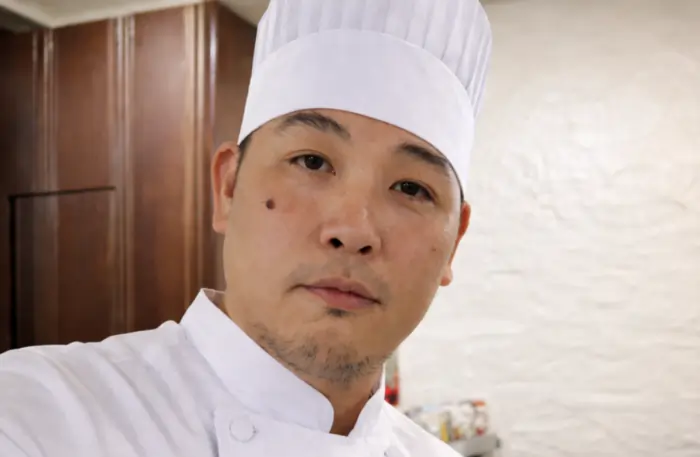
Chef Juan Gadi brings the heart of Filipino hospitality to Ubud, Bali. As an Executive Chef and consultant, he specializes in creating intimate, curated dining experiences that tell a story through every dish. Whether leading the kitchen at Kilig Filipino Warung or hosting a private villa dinner, Chef Juan’s approach is defined by warmth, modern technique, and a commitment to culinary excellence.