

Warm Feeling Behind Intimate Bali Gatherings Key Takeaways
The Warm Feeling Behind Intimate Bali Gatherings stems from a perfect blend of tropical ambiance, genuine hospitality, and shared culinary experiences.
- Bali intimate gatherings thrive on low pressure, allowing travelers and locals to connect authentically over slow meals and meaningful conversation.
- Shared dishes like Adobo, Sinigang, and Pancit — rooted in Southeast Asian food culture — become catalysts for bonding, turning strangers into friends.
- Bali’s hospitality culture and emphasis on spiritual balance make guests feel welcomed, valued, and deeply present.

What Makes Bali Intimate Gatherings So Warm and Special
When I first moved to Ubud to open Kilig Filipino Warung, I quickly realized that Bali’s magic isn’t found in crowded beach clubs or festival stages. It lives in the quiet moments — a group of six friends sharing Pancit on a candlelit terrace, the clink of glasses as the sun drops behind the rice paddies, the laughter of digital nomad community Bali members who just met but already feel like family. For a related guide, see 7 Warm Shared Meals: Emotional Comfort Found in Filipino Dining.
The Warm Feeling Behind Intimate Bali Gatherings starts with the island’s relaxed rhythm. Unlike packed events where you fight for the bartender’s attention, small gatherings here give you permission to slow down. You hear the frogs start their evening chorus; you taste every layer of the Adobo. That unhurried pace is the foundation of social connection Bali style. For a related guide, see Why Sunset Dinners Feel Magical in Bali.
Bali’s natural environment does the heavy lifting. Open-air villas, garden nooks, and beachfront tables blur the line between indoor and outdoor. Without walls, barriers fall too. This is why small group travel experiences in Bali feel more intimate than anywhere else — the setting itself whispers “you can relax.”
How Bali Culture Influences Social Events and Emotional Warmth
Hospitality culture Bali is woven into daily life. The Balinese concept of Tri Hita Karana — harmony between people, nature, and the divine — shapes every interaction. When you host a dinner here, you’re not just feeding people; you’re creating a sacred space for connection.
More Than a Plate of Food
I’ve watched it happen dozens of times at my warung. A table of strangers orders a family-style Boodle Fight — banana leaves piled with Southeast Asian food culture staples — and within an hour they’re sharing travel stories and phone numbers. Food becomes the bridge. That’s communal dining Asia at its best.
This warmth isn’t accidental. Bali’s culture teaches that offering food and shelter is a spiritual duty. So when you attend a villa dinner or a beachfront gathering, the host genuinely wants you to feel at home. That sincerity — not scripted hospitality — creates emotional travel experiences you remember for years.
Why Shared Meals Strengthen Connections in Bali
There’s a reason shared meals culture is central to Bali intimate gatherings. Eating together triggers mirror neurons and releases oxytocin — the bonding hormone. But in Bali, the act goes deeper.
Comfort Dishes That Bring People Together
Menus at intimate Bali dinners often feature dishes like Adobo, Sinigang, Pancit, and other Southeast Asian food culture classics. These aren’t just tasty; they carry stories. Sinigang’s tamarind broth reminds Filipinos of home; Pancit symbolizes long life. Sharing these dishes invites guests into a personal narrative, creating meaningful travel moments.
I always advise hosts to include one interactive dish — a DIY spring roll station or a bubbling hot pot. Guests get hands-on, and those shared actions build cultural bonding travel experiences. By the time coffee arrives, they’ve already co-created a memory.
How Atmosphere Creates Emotional Connection in Bali Social Gatherings
Sunset gatherings Bali are popular for good reason. The golden light softens faces, the ocean breeze carries conversation, and the sound of waves provides a natural soundtrack. These sensory elements lower defenses and encourage presence.
Designing the Perfect Setting
For villa dinners, I layer lighting: candles on the table, string lights overhead, a fire pit nearby. The goal is to make everyone look and feel good. Tropical dining experiences work best when the environment supports intimacy — not too bright, not too dark.
I’ve also learned that music matters deeply. A live acoustic guitarist or a curated Balinese gamelan playlist at low volume sets a tone of calm. Guests naturally lean in, speak softer, listen better. That’s when Bali lifestyle experiences transform into emotional anchors.
Why Digital Nomads and Travelers Bond During Small Group Experiences
Digital nomad community Bali is famous — Canggu co-working spaces, Ubud yoga retreats, Seminyak cafes. But the real bonding happens after laptops close. Small group dinners, cooking classes, and sunset gatherings become the glue.
Repeated Shared Experiences Build Trust
Nomads often attend multiple gatherings — a Saturday beach barbecue, a Thursday potluck, a Sunday brunch. With each repeat, relationships deepen. Travel community bonding accelerates when you see the same faces in beautiful, low-stakes settings.
I’ve seen friendships form over our Kilig lunch counter. A solo traveler sits next to a remote worker; they discover they’re both from Vancouver; next week they’re exploring Ubud together. That’s the power of social connection Bali — the environment invites interaction, and the food seals it.
How to Create Your Own Intimate Bali Gathering
Whether you’re a Bali traveler wanting to host friends or a hospitality professional planning an event, here are practical steps inspired by my experience as Chef Juan Gadi at Kilig Filipino Warung.
Choose the Right Setting
Look for venues with natural airflow, good lighting, and a view — rice fields, ocean, or a lush garden. Avoid places with loud music or heavy foot traffic. The goal is small group travel experiences where conversation can flow.
Craft a Menu That Tells a Story
Build your menu around Southeast Asian food culture dishes that encourage sharing. Family-style servings of Adobo, Sinigang, and Pancit work beautifully. Add one hands-on element — a rolling station for fresh spring rolls or a communal grill. This creates cultural bonding travel through participation.
Time It for Magic Hour
Sunset gatherings Bali are unmatched. Start 45 minutes before sunset so guests arrive in daylight, enjoy the full transition, and stay into the evening. The natural light show becomes part of the experience, amplifying that Warm Feeling Behind Intimate Bali Gatherings.
Why These Gatherings Become Lasting Memories
The Warm Feeling Behind Intimate Bali Gatherings isn’t just about the food or the location. It’s about emotional connection, presence, and shared human experience. When a group of people sits down together — no phones, no rush — they create a micro-community, if only for a few hours.
Guests leave with more than a full stomach. They carry a sense of belonging. That’s why meaningful travel moments in Bali often involve a small group, a shared dish, and a heartfelt conversation. And as a chef who has hosted hundreds of these dinners, I can tell you: the warmth is real, repeatable, and deeply rewarding.
Useful Resources
For more on Bali’s unique hospitality culture, visit Bali Spirit’s guide to Balinese traditions.
To explore the role of shared meals in social bonding, check out World Food Travel’s piece on communal dining.
Frequently Asked Questions About Warm Feeling Behind Intimate Bali Gatherings
What makes intimate Bali gatherings feel warm and special?
The combination of Bali’s relaxed tropical environment, genuine hospitality culture, and shared meals creates an atmosphere where people feel safe to open up and connect emotionally.
Why do people love small gatherings in Bali?
Small gatherings offer low-pressure socializing, deeper conversations, and a chance to experience Bali’s beauty without the noise of large events, making every interaction feel meaningful.
How does Bali culture influence social events?
Bali’s Tri Hita Karana philosophy — harmony with people, nature, and the divine — encourages genuine hospitality, spiritual balance, and a welcoming spirit that permeates every gathering.
What creates emotional warmth in travel gatherings?
Emotional warmth comes from a combination of sensory elements — soft lighting, natural sounds, comforting food — and genuine human interaction, which Bali’s intimate settings naturally foster.
Why are intimate dinners more meaningful than large events?
Intimate dinners allow for sustained eye contact, deeper conversations, and shared vulnerability, which large events dilute. The small group size transforms strangers into friends by the end of the meal.
How do shared meals strengthen connections in Bali?
Family-style dishes like Adobo and Pancit encourage reaching, passing, and serving — simple gestures that build trust and cooperation. The act of eating together releases bonding hormones and creates shared memory.
What role does atmosphere play in Bali social gatherings?
Atmosphere is everything in Bali. Open-air settings, ocean breezes, and natural lighting reduce stress and encourage presence, making guests more receptive to connection and emotional closeness.
Why do travelers bond during small group experiences?
Small groups remove anonymity. Travelers share stories, discover common interests, and support each other in unfamiliar settings. Repeat gatherings build trust and turn chance encounters into lasting friendships.
How does food enhance Bali gatherings?
Food is the centerpiece of shared meals culture in Bali. Dishes like Sinigang and Pancit carry cultural stories, and interactive elements like DIY stations invite participation, turning eating into a shared activity.
What makes tropical destinations ideal for intimate events?
Tropical climates allow for seamless indoor-outdoor flow, use of natural materials, and stunning backdrops like sunsets and gardens — all of which enhance sensory pleasure and emotional connection.
How do cultural experiences shape social bonding in Bali?
Participating in Bali’s traditions — from offerings to temple visits — gives guests a shared context. This cultural immersion deepens conversations and creates a sense of discovery that strengthens bonds.
Why are sunset gatherings popular in Bali?
Bali’s sunsets are among the world’s most spectacular. The golden hour lighting flatters everyone, and the transition from day to night creates a natural rhythm for conversation, reflection, and connection.
How do digital nomads experience community in Bali?
Digital nomads in Bali gravitate toward co-working spaces and then extend connections into shared meals, beach outings, and villa gatherings. The digital nomad community Bali scene is built on repeated, authentic social interactions.
What makes Bali gatherings emotionally memorable?
Emotional memorability comes from the combination of a stunning setting, sincere hospitality, shared food, and the absence of digital distractions. Guests leave with a feeling of having been truly seen and welcomed.
How does hospitality create warmth in social events?
Bali’s hospitality culture emphasizes personalized attention, anticipation of needs, and genuine warmth. When hosts treat guests as honored family members rather than customers, the entire tone of the gathering shifts toward intimacy.
Can introverts enjoy intimate Bali gatherings?
Absolutely. Small group sizes and low-pressure environments are ideal for introverts. They can participate at their own pace, listen more than talk, and still feel deeply included in the social connection Bali experience.
What is the best time of year for intimate gatherings in Bali?
April to October offers dry season — perfect for outdoor dinners. However, Bali’s tropical climate makes gatherings possible year-round; just have a covered area for potential rain.
How do I find intimate gathering venues in Bali?
Look for boutique villas, rice terrace warungs, or beachfront hotels that offer private dining. Many venues in Ubud, Seminyak, and Canggu specialize in tropical dining experiences for small groups.
What dishes work best for family-style Bali dinners?
Adobo, Sinigang, Pancit, and fresh spring rolls are excellent choices. They represent Southeast Asian food culture and are easy to share. A Boodle Fight or hot pot adds interactive fun that sparks conversation.
How can I replicate Bali’s intimate atmosphere at home?
Use low lighting, natural materials like bamboo and rattan, and tropical flowers. Create a slow-paced menu with shared dishes. Play traditional Balinese music at low volume. The goal is to mimic Bali’s unhurried, open-hearted energy.
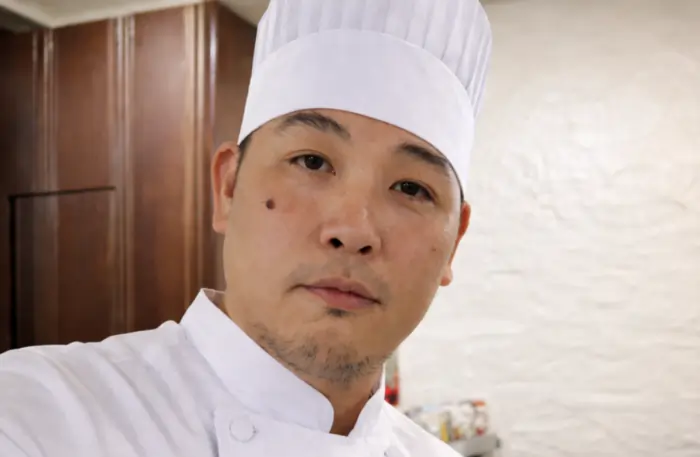
Chef Juan Gadi brings the heart of Filipino hospitality to Ubud, Bali. As an Executive Chef and consultant, he specializes in creating intimate, curated dining experiences that tell a story through every dish. Whether leading the kitchen at Kilig Filipino Warung or hosting a private villa dinner, Chef Juan’s approach is defined by warmth, modern technique, and a commitment to culinary excellence.