
How Food Creates Deeper Human Connections Key Takeaways
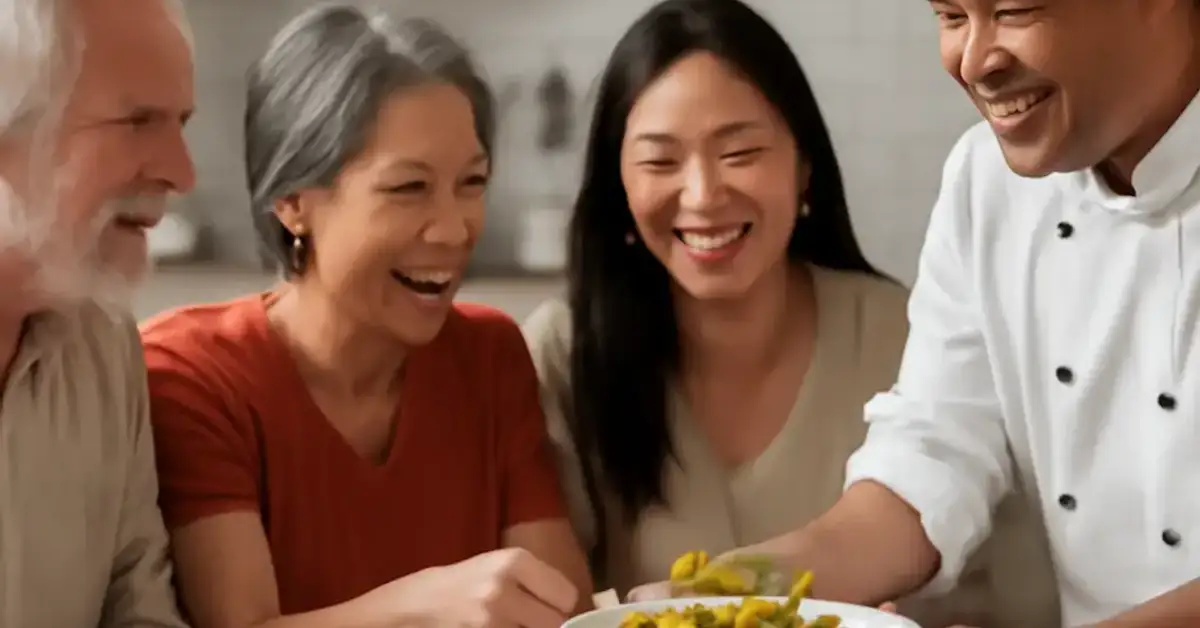
How food creates deeper human connections is a question that sits at the heart of every shared meal, every family dinner, and every celebratory feast.
- How food creates deeper human connections is rooted in biology and psychology, as shared meals trigger trust-building hormones and open communication.
- Social connection through food is amplified by cultural traditions, such as Filipino-style kamayan feasts, which emphasize togetherness and shared experience.
- The act of sharing food symbolizes care and generosity, reinforcing food and relationships across family, friendship, and even hospitality settings.
Why How Food Creates Deeper Human Connections Matters for Everyone
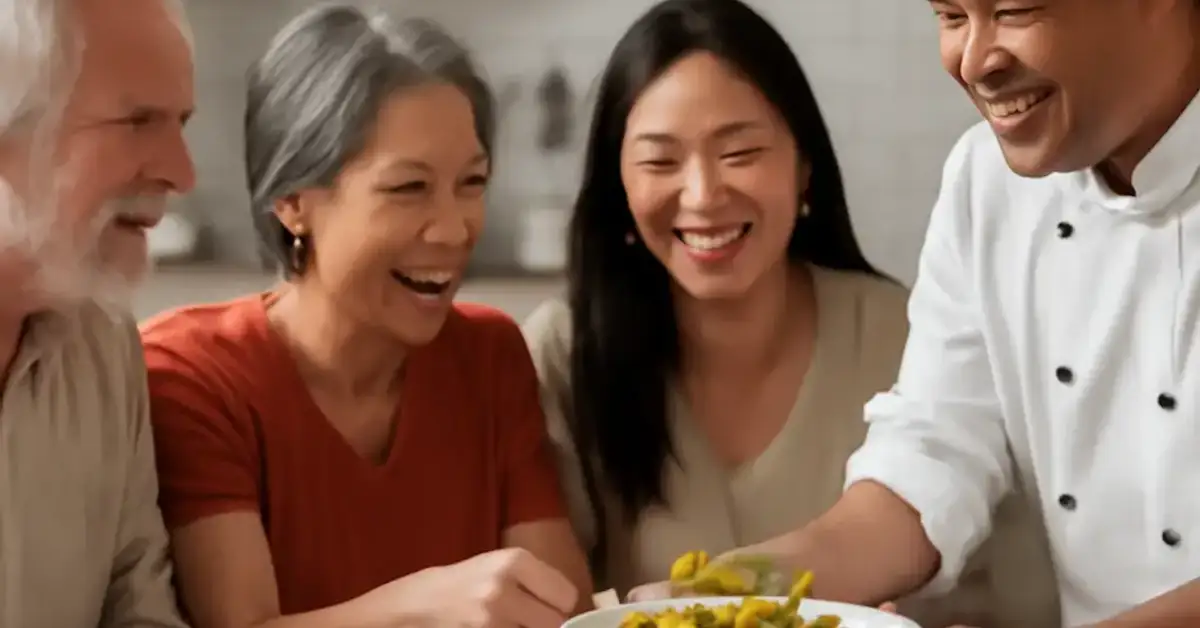
Every day, we make choices about what to eat, where to eat, and who to eat with. But have you ever paused to consider how food creates deeper human connections in these seemingly ordinary moments? As an executive chef specializing in Filipino hospitality in Ubud, Bali, I’ve witnessed firsthand how a thoughtfully prepared meal can transform strangers into friends and turn a simple dinner into an unforgettable memory. The connection we forge over food is not accidental; it is deeply wired into our biology, our psychology, and our cultural DNA. For a related guide, see Filipino Food Traditions: 7 Essential Customs Every Traveler Must Know.
For psychology readers, the act of shared dining is a rich field of study. For food lovers and couples, it is a daily practice of intimacy. For hospitality professionals like myself, it is the very foundation of our craft. Whether you are a family gathering around a table, a travel blogger seeking authentic experiences, or a wellness audience searching for meaningful connection, understanding the power of shared meals can enrich your life in profound ways. This article explores the science, the traditions, and the personal stories that reveal why eating together is one of the most meaningful things we can do.
The Biology of the Shared Table: How Food Creates Human Connection Through Chemistry
Before a single word is spoken, our bodies are already preparing for connection. The simple act of sitting down to eat with others triggers a cascade of biological processes that promote bonding. Dining together psychology reveals that when we share a meal, our brains release oxytocin, often called the “love hormone” or “cuddle chemical.” This neurotransmitter is associated with trust, empathy, and social bonding. It is the same chemical released when a mother gazes at her newborn or when lovers embrace. At the dinner table, oxytocin lowers our defenses and makes us more open to food and communication.
Beyond oxytocin, the ritual of eating in a group synchronizes our rhythms. We unconsciously mimic each other’s chewing pace, we mirror body language, and we establish a shared rhythm that fosters a sense of unity. This is human connection psychology in action: our brains interpret this synchronization as a signal that we are safe and among allies. For couples, this is why a romantic dinner can rekindle feelings of closeness. For families, it is why the nightly family meals importance cannot be overstated—it is a daily reset button for connection.
The Role of Dopamine and Anticipation
Another key player in how food creates deeper human connections is dopamine. The anticipation of a delicious meal—especially one shared with loved ones—releases this pleasure chemical, heightening our positive emotions. When the meal is paired with good company, the brain creates a strong association between the people at the table and the feeling of reward. This is why emotional eating experiences are not always negative; in a social context, they can be profoundly healing and relationship-affirming.
How Shared Meals Bonding Builds Trust and Openness
There is a reason why business deals are often sealed over lunch and why first dates frequently involve dinner. Shared meals bonding works because eating together creates a state of vulnerability and reciprocity. When we accept food from someone, we are symbolically saying, “I trust that you have my best interests at heart.” This is particularly powerful in hospitality culture, where the host offers nourishment as a gesture of goodwill. In my own kitchen at Kilig Filipino Warung, I see this dynamic every day. Guests arrive as customers, but after sharing a plate of Adobo or a bowl of Sinigang, they leave as friends.
This dynamic is also at the core of relationship building activities. Cooking and eating together requires cooperation, communication, and a willingness to be present. Whether it is a couple preparing a complex recipe or a group of friends assembling a communal dining benefits spread like a Filipino boodle fight, the process of working side-by-side fosters a unique kind of intimacy. The kitchen becomes a safe space for conversation, laughter, and even conflict resolution.
Why Do Shared Meals Strengthen Relationships? A Look at Communication
When we ask, why do shared meals strengthen relationships?, the answer often lies in the quality of communication they enable. Unlike a movie theater or a concert, a dinner table is a place of active engagement. The act of eating together naturally encourages conversation. The food itself becomes a conversation starter: “How did you make this sauce?” or “This reminds me of my grandmother’s cooking.” These small exchanges build bridges. Food and relationships thrive on such moments of shared discovery and memory-making.
Cultural Food Traditions: The Filipino Perspective on Togetherness
Cultural food traditions around the world emphasize the communal aspect of dining, but few do it with the same warmth and inclusivity as Filipino food culture. In the Philippines, meals are rarely a solitary activity. The concept of salu-salo, or communal feasting, is central to family life and social gatherings. Dishes like Adobo, Sinigang, and Pancit are not just food; they are symbols of care and hospitality. A pot of Adobo simmering on the stove means that guests are welcome, that family is gathering, and that stories will be shared.
As a chef who brings Filipino hospitality to Ubud, Bali, I have found that the act of presenting a traditional Filipino meal to both locals and international guests is a powerful way to share my culture. When guests eat Pancit, a noodle dish symbolizing long life, they are not just tasting a flavor; they are participating in a wish for longevity and happiness. This is food sharing meaning at its deepest level. Filipino food culture teaches us that every meal is an opportunity to say, “You matter to me.”
The Kamayan Tradition: Eating with Hands, Connecting with Hearts
One of the most profound examples of how food creates deeper human connections in Filipino culture is kamayan, or eating with hands. This tradition strips away the barriers of utensils and plates, forcing everyone to share from a communal spread of rice, grilled meats, fresh vegetables, and dipping sauces. There is an undeniable intimacy in touching the same food, in feeling the warmth of the rice between your fingers, and in laughing together as you struggle to scoop up a piece of lechon. Social bonding meals like these are visceral, memorable, and deeply human.
The Hospitality Connection: How Welcoming Others with Food Fosters Deeper Bonds
Hospitality culture is the art of making someone feel at home, and food is its most powerful tool. Whether you are hosting a private villa dinner in Bali or simply inviting a neighbor over for coffee, the act of preparing and sharing food signals that you value the relationship. In my experience as a private chef and consultant, I have seen how a carefully curated dining experience can transform a group of strangers into a cohesive unit. The key is intentionality. Every dish tells a story, every ingredient is chosen with care, and the presentation shows that you have thought about your guests’ experience.
This principle extends beyond the home. In the world of travel bloggers and digital nomads, finding a home-cooked meal can be a lifeline to connection. When I host travelers at Kilig, I often hear them say that the meal felt like being invited into a family home. That is the magic of how food creates deeper human connections through hospitality. It breaks down walls and creates a shared space of vulnerability and gratitude.
Emotional Eating Experiences: How Food Becomes a Vessel for Memory and Storytelling
Some of the most powerful emotional eating experiences are tied to memory. The smell of a certain spice can transport us back to our childhood kitchen. The taste of a particular dish can evoke the warmth of a long-gone loved one. This is why food is such a potent medium for storytelling. When we share a meal, we are often sharing a part of our personal history. “This is how my mother made it,” we say, or “I learned this recipe while traveling through Vietnam.” These stories create layers of meaning around the food, making the meal more than just fuel.
For relationship writers and storytelling creators, this is rich territory. The dinner table is a stage where family sagas unfold, where new love stories begin, and where friendships are cemented. Food and communication become intertwined; the meal itself is a narrative. Whether it is a Thanksgiving turkey or a simple bowl of rice and beans, every dish carries a story. By sharing these stories, we share ourselves.
What Makes Meals More Meaningful Than Just Eating? Practical Steps for Intentional Dining
If you are wondering what makes meals more meaningful than just eating, the answer lies in intention. A meaningful meal is not about the complexity of the recipe or the price of the ingredients. It is about the context and the company. Here are three practical ways to transform ordinary meals into profound bonding experiences:
- Cook together: Involve everyone in the preparation. Assign tasks, share techniques, and make the kitchen a collaborative space. This turns cooking from a chore into a relationship building activity.
- Eat without distractions: Put away phones, turn off the television, and focus on the people at the table. Social connection through food thrives on presence, not multitasking.
- Share stories: Ask questions about the food. Where did this recipe come from? What does this dish remind you of? Cultural food traditions are kept alive through such storytelling.
How Does Food Build Trust Between People? The Vulnerability of Eating Together
To answer how does food build trust between people, we must look at the act of eating as a vulnerable act. When we eat, we are in a state of openness. We are taking something into our bodies, trusting that it is safe and nourishing. Doing this in the presence of others creates a powerful bond. This is why breaking bread together has been a symbol of peace and alliance for millennia. In many cultures, to share a meal with someone is to declare a truce or a friendship. As a chef, I take this trust very seriously. Every dish I prepare is an invitation to connect, to feel safe, and to be present.
Useful Resources
To further explore the psychology and cultural significance of shared meals, I recommend the following resources:
- Psychology Today: The Social Psychology of Eating – A deep dive into how dining together affects our behavior and relationships.
- BBC Travel: The Philippines’ Most Social Meal – A look at Filipino kamayan feasts and their role in community bonding.
In my years as a chef, from the kitchens of Ubud to private villas across Bali, I have learned that the most memorable meals are not the most technically perfect or the most expensive. They are the ones shared with intention, with warmth, and with an open heart. How food creates deeper human connections is a question that can be answered in a thousand different ways, but the core truth remains the same: when we share food, we share life. So the next time you sit down at a table, look beyond the plate. Look at the people beside you. That is where the real nutrition lies.
Frequently Asked Questions About How Food Creates Deeper Human Connections
How does food create human connection?
Food creates human connection by triggering biological and psychological bonding mechanisms. When we share a meal, our brains release oxytocin, which promotes trust and empathy. The act of eating together also encourages conversation, cooperation, and a sense of shared vulnerability, all of which deepen emotional ties.
Why do shared meals strengthen relationships?
Shared meals strengthen relationships because they create a structured opportunity for communication and presence. Sitting down together without distractions allows individuals to listen, share, and connect. The ritual of the meal itself becomes a reliable anchor for building and maintaining bonds over time.
What is the psychology behind eating together?
The psychology behind eating together involves concepts of social facilitation, emotional contagion, and the release of bonding hormones. Eating in a group lowers stress hormones and increases feelings of belonging. It also synchronizes behavior, which fosters a sense of unity and cooperation.
How does food build trust between people?
Food builds trust by creating a safe space for vulnerability. Accepting food from someone implies trust in their intentions and care for your well-being. This reciprocal act of giving and receiving nourishment strengthens the social contract between individuals, laying a foundation for deeper trust.
Why is dining together important in culture?
Dining together is important in culture because it reinforces shared values, traditions, and social structures. Communal meals are central to celebrations, religious observances, and family life. They serve as a medium for passing down recipes, stories, and customs from one generation to the next.
How does food influence social bonding?
Food influences social bonding by acting as a universal language of care and generosity. Preparing a meal for someone shows effort and thoughtfulness. Eating together creates positive shared experiences that strengthen the emotional connections within a group, from families to teams to entire communities.
What role does hospitality play in human connection?
Hospitality plays a crucial role in human connection by making guests feel valued and included. The act of offering food and drink is a primary expression of welcome across cultures. When done with sincerity, hospitality transforms a transaction into a relationship, creating lasting memories and bonds.
Why do families eat together?
Families eat together because it provides a consistent routine for connection and communication. Family meals are associated with better emotional well-being in children, stronger parent-child relationships, and a sense of identity. They are a daily practice of showing up for one another.
How does sharing food affect emotions?
Sharing food affects emotions by creating feelings of happiness, gratitude, and belonging. The act of giving and receiving food triggers positive emotional responses, including the release of dopamine and oxytocin. These emotional experiences make shared meals memorable and meaningful. For a related guide, see The Feeling of Sharing Food With Someone Special.
What makes meals more meaningful than just eating?
Meals become more meaningful than just eating when they involve intention, storytelling, and emotional presence. A meal shared with loved ones, prepared with care, and eaten without distractions becomes a ritual of connection. The context and company elevate the act of eating into a profound shared experience.
How does culture shape food relationships?
Culture shapes food relationships by dictating what is eaten, how it is prepared, and the social rules around sharing. In some cultures, communal dishes are the norm, fostering interdependence. In others, individual plates reflect independence. These practices influence how people bond over food in their daily lives.
Why do people feel closer after sharing meals?
People feel closer after sharing meals because the experience satisfies both physical hunger and emotional needs. The combination of shared vulnerability, positive interaction, and biological bonding agents like oxytocin creates a sense of intimacy and trust that lasts well after the meal is over.
How does food encourage communication?
Food encourages communication by providing natural conversation starters and a relaxed atmosphere. Talking about flavors, recipes, and food memories breaks the ice. The shared activity of eating also creates a comfortable silence that allows for deeper, more reflective conversation to emerge.
What foods are associated with bonding?
Foods associated with bonding are often those that are shared, such as large platters, dips, stews, and family-style dishes. In Filipino culture, Adobo, Sinigang, and Pancit are classic bonding foods. Globally, dishes like hot pot, fondue, paella, and barbecue are designed for communal eating and togetherness.
How do shared dining experiences improve relationships?
Shared dining experiences improve relationships by creating a context of cooperation, attention, and shared pleasure. Couples who cook and eat together report higher relationship satisfaction. Groups that share a meal are more likely to cooperate afterward. The ritual of the meal reinforces the social fabric.
What is the significance of sharing meals in Filipino culture?
In Filipino culture, sharing meals is a profound expression of family and community. Traditions like salu-salo and kamayan emphasize togetherness. Dishes are designed to be shared, and the act of offering food is synonymous with offering love and respect. It is a culture where hospitality is a core value.
Can a shared meal help repair a broken relationship?
A shared meal can help repair a broken relationship by providing a neutral, low-pressure environment for reconnection. The act of breaking bread together signals a willingness to reconcile. The calming effects of eating and the presence of dopamine and oxytocin can help soften anger and open the door to forgiveness.
What scientific studies support the idea that food creates connection?
Multiple studies support this idea. Research from the University of Oxford found that people who eat together more frequently report higher levels of happiness and social connection. Studies on oxytocin show its release during communal eating. Psychology research also confirms that shared meals increase cooperation and trust in group settings.
How can introverts use food to build connections?
Introverts can use food to build connections by hosting small, intimate meals or inviting one or two friends for a cooking activity. The structured nature of a meal—preparing, eating, cleaning—provides natural pauses and a shared focus that takes pressure off constant conversation. Food acts as a bridge.
What is the connection between food and love?
The connection between food and love is ancient and universal. Preparing a meal for someone is an act of care, sacrifice, and attention. Receiving food from someone can feel like receiving love itself. This is why homemade food often tastes better than restaurant food—it is seasoned with affection.
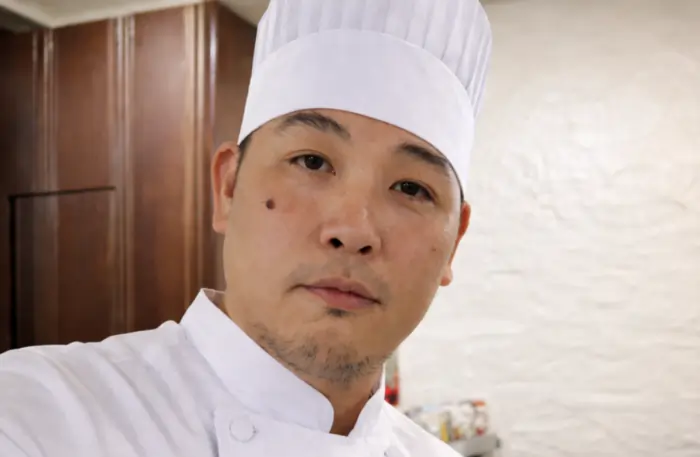
Chef Juan Gadi brings the heart of Filipino hospitality to Ubud, Bali. As an Executive Chef and consultant, he specializes in creating intimate, curated dining experiences that tell a story through every dish. Whether leading the kitchen at Kilig Filipino Warung or hosting a private villa dinner, Chef Juan’s approach is defined by warmth, modern technique, and a commitment to culinary excellence.