How Fine Dining Creates Memorable Guest Experiences Key Takeaways
Fine dining creates memorable guest experiences by combining exceptional cuisine, personalized service, elegant ambiance, and emotional connection into one immersive experience.
- How fine dining creates memorable guest experiences relies on the harmony of five sensory pillars: taste, sight, sound, touch, and scent—each orchestrated with intention.
- Modern fine dining emphasizes storytelling, chef-curated meals, and unique settings that leave lasting impressions long after the meal ends.
- Whether you are a restaurant owner, culinary traveler, or celebration planner, understanding these principles helps you design or choose experiences that truly resonate.
What Makes Fine Dining Memorable — The Five Sensory Pillars
Fine dining creates memorable guest experiences by engaging all five senses in a carefully choreographed sequence. Unlike casual dining, where efficiency often trumps emotion, luxury dining prioritizes emotional resonance. The moment a guest steps through the door, the luxury restaurant atmosphere envelops them—soft lighting, curated music, the subtle scent of fresh herbs or aged wood. Each sensory cue signals that something extraordinary is about to happen.
Chef Juan Gadi, Executive Chef at Kilig Filipino Warung in Ubud, Bali, explains: “When I design a private villa dinner, I think about how the light hits the table, how the breeze carries the aroma of the next course, and how the texture of the plate feels in the guest’s hands. Every sense is a chance to create an unforgettable moment.” For a related guide, see Why Intimate Dining Feels More Meaningful in Bali.
Research from the Journal of Culinary Science and Technology confirms that multisensory dining increases perceived value and emotional recall. Guests remember not just what they ate, but how they felt—and that emotional imprint is what transforms a meal into a memorable celebration.
The Role of Taste in Fine Dining
Taste is the obvious centerpiece, but gourmet dining elevates it through contrast, temperature play, and unexpected pairings. A single dish might layer sweet, sour, salty, bitter, and umami to create a symphony on the palate. Chef curated meals often include amuse-bouches that surprise the guest, preparing their palate for the narrative to come.
Visual Presentation as a Storytelling Tool
Restaurant storytelling begins with the eye. A plate that resembles a garden, a forest floor, or an abstract painting tells a story before the first bite. Elegant dining ambiance extends to the plate itself—every garnish, sauce smear, and edible flower is intentional. Studies in Psychology and Marketing show that visually appealing food increases taste ratings by up to 30%.
How Personalized Hospitality Transforms the Fine Dining Experience
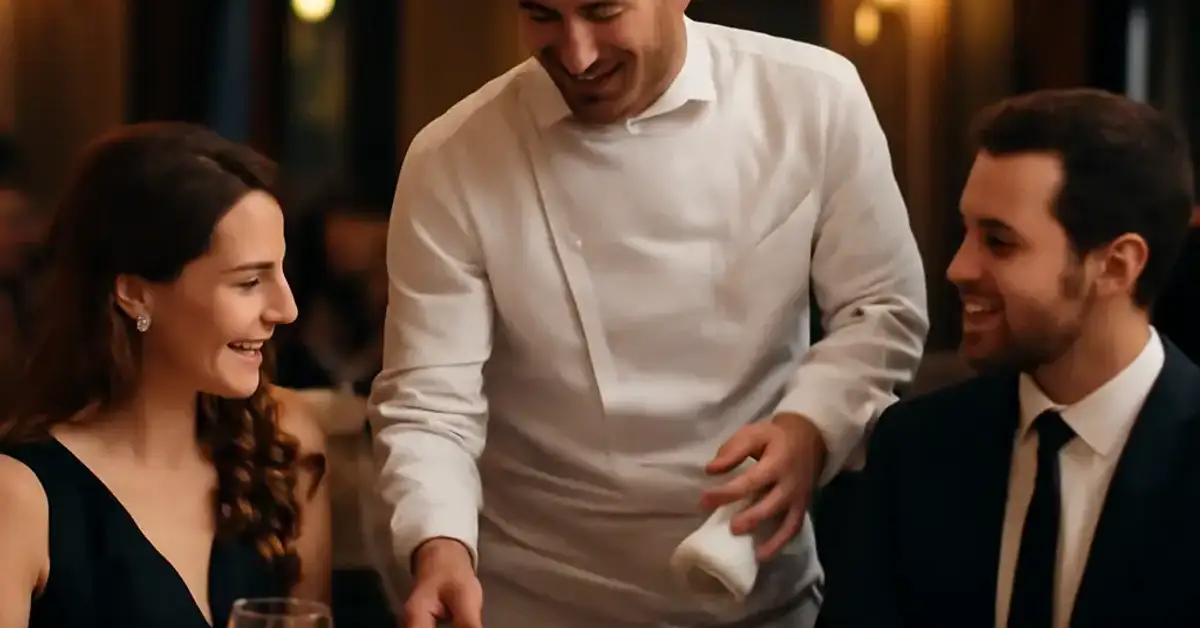
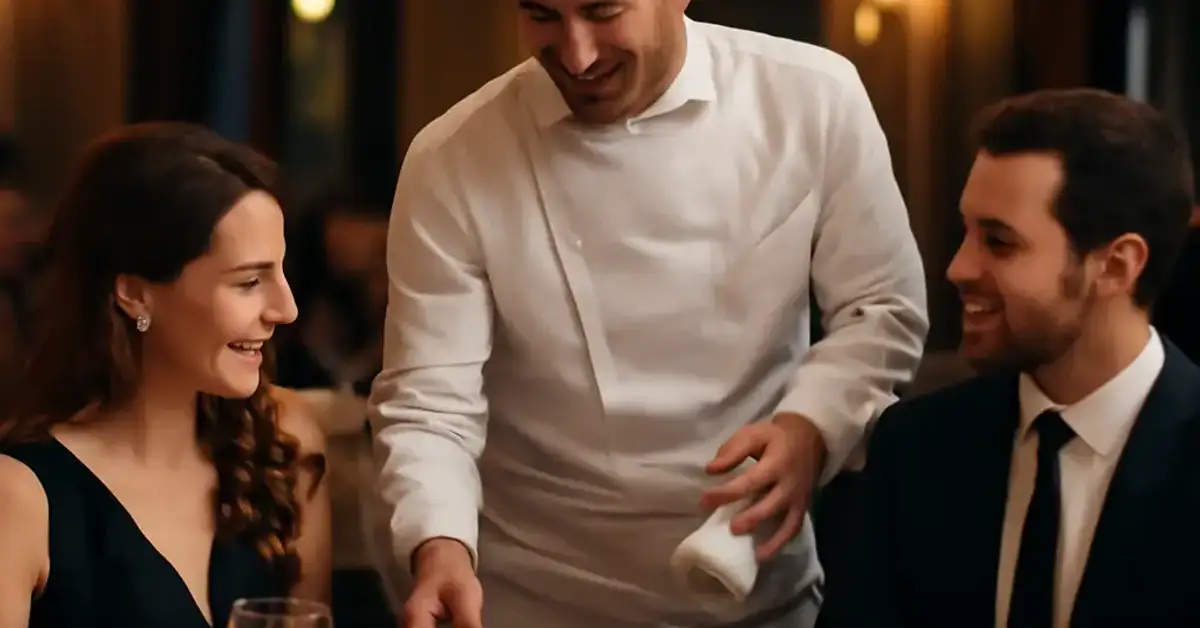
If the food is the melody, then personalized hospitality is the harmony that makes the song unforgettable. In fine dining, service is not transactional—it is anticipatory. The best servers notice the guest’s preferences before they are spoken, remember a previous visit’s wine choice, and adjust pacing based on body language.
Chef Juan emphasizes this philosophy in his work: “Filipino hospitality is about making guests feel like family. In luxury dining, that warmth becomes the foundation for premium guest service. When a guest feels truly seen and cared for, they don’t just enjoy the meal—they remember the person who served it.” For a related guide, see Private Chef For Bali Villas: How Chef Juan Gadi Turns Your Stay Into A Restaurant-Quality Experience.
Private dining experiences take personalization even further. Whether it’s a villa dinner for two or a chef’s table behind the kitchen, these settings allow for custom menus, dietary adaptations, and direct interaction with the chef. This intimacy fosters emotional connection and transforms the meal into a shared journey. For a related guide, see Why Private Villa Dining Creates Unforgettable Memories.
How Does Personalized Service Impact Dining?
Personalized service increases guest satisfaction scores by an average of 20% according to industry benchmarks tracked by luxury hospitality training firms. When a server remembers your name, asks about your day, and recommends a dish based on your mood, the act of dining becomes relational rather than functional. This relational layer is what makes fine dining memorable and why regulars return not just for the food, but for the relationship.
Why Ambiance Is Important in Restaurants — Designing Atmosphere for Impact
Elegant dining ambiance is not decoration—it is a psychological trigger. Lighting, acoustics, scent, and spatial layout work together to alter mood and perception. A room with dim lighting and plush seating signals relaxation and romance. A bright, open kitchen suggests transparency and energy. The right ambiance can make a $50 dish feel worth $150, simply by shaping expectation.
Luxury restaurant atmosphere is often designed by specialists who understand the psychology of space. Warm tones and soft textiles encourage lingering. Hard surfaces create energy but can overwhelm conversation. The balance is delicate, and getting it wrong can undermine even the best cuisine.
What creates a great restaurant atmosphere? According to Chef Juan, it begins with intention. “Every table, every chair, every piece of art should serve the story of the evening. In Ubud, I draw from the natural surroundings—the sound of rain on palm leaves, the scent of frangipani—to create an atmosphere that feels both luxurious and deeply authentic.”
Table Settings as Part of the Ambiance
Crystal stemware, heavy linen napkins, and polished flatware are not just functional—they are part of the elegant dining ambiance. The weight of a fork, the clarity of a glass, and the way light refracts through a wine decanter all contribute to the sense of occasion. These details signal to the guest that this is a special event, worthy of their full presence.
How Chefs Create Unforgettable Meals — The Art of Storytelling on a Plate
Chef curated meals are the heart of the fine dining experience. Unlike a standard menu where dishes are independent, a curated tasting menu tells a narrative. It might follow the seasons, explore a single ingredient’s journey from farm to table, or reflect the chef’s cultural heritage.
Chef Juan’s approach at Kilig Filipino Warung is a perfect example. “Every dish I create tells a story about the Philippines—the ingredients, the techniques, the memories of my grandmother’s kitchen. When guests taste my sinigang foam or lechon belly, they aren’t just eating; they are experiencing my homeland. That is restaurant storytelling at its most honest.”
To create unforgettable dining moments, chefs focus on three elements:
- Surprise — An unexpected ingredient or technique that delights.
- Balance — Harmonies of flavor, texture, and temperature.
- Meaning — A personal or cultural story that gives the dish depth.
How do chefs create unforgettable meals? It comes down to intention. Every element—from the cut of a vegetable to the temperature of the plate—is deliberate. The best chefs treat each plate as a canvas, and each meal as a once-in-a-lifetime performance.
Can Fine Dining Strengthen Relationships? The Social Power of Luxury Meals
Absolutely. Romantic dining is one of the most obvious examples—a candlelit dinner with a tasting menu and wine pairing creates a setting that encourages deep conversation and connection. But beyond romance, how does fine dining improve guest experiences in a social context? By creating a shared, elevated moment that becomes a bonding reference point.
Business dinners held in private dining experiences build trust and loyalty. Family celebrations become memorable celebrations precisely because the environment is designed to make everyone feel special. When people break bread in a space that honors them, relationships deepen naturally.
Chef Juan often hosts private villa dinners for couples celebrating anniversaries or proposals. “I see it every time—the way they look at each other after a particularly moving course. Food becomes the medium for something larger: gratitude, love, joy. That is why fine dining creates memorable guest experiences that extend far beyond the table.”
Why Do People Enjoy Luxury Dining?
Beyond the food, luxury dining experiences offer a sense of occasion and escape. In a fast-paced world, sitting down for a three-hour tasting menu forces presence. It is a gift of time and attention. People enjoy luxury dining because it makes them feel important, seen, and transported—even if only for an evening.
Why Do Travelers Seek Fine Dining Experiences? Culinary Tourism and Cultural Connection
Culinary experiences have become a primary motivator for travel. According to the World Food Travel Association, 53% of travelers choose destinations based on food offerings. Travelers seek fine dining experiences because they want to taste the culture, history, and soul of a place through its cuisine.
Chef Juan’s work in Ubud attracts guests from around the world who want more than a meal—they want a story. “Travelers come to Bali looking for authenticity. When I serve a Filipino dessert made with local Balinese coconut and palm sugar, I’m creating a bridge between two cultures. That culinary experience becomes a souvenir they carry home.”
Upscale dining trends now emphasize place-based storytelling—menus that change with the local harvest, foraged ingredients, and collaborations with local artisans. For travelers, these elements provide a sense of discovery and connection that mass-market dining cannot replicate.
What Trends Are Shaping Modern Fine Dining?
The world of fine dining is evolving. Upscale dining trends in 2025 lean toward intimacy, sustainability, and personalization. Guests increasingly want:
- Private dining experiences — Villa dinners, chef’s tables, and underground supper clubs.
- Chef curated meals that adapt to dietary needs without sacrificing creativity.
- Restaurant storytelling that honors cultural roots and local ingredients.
- Gourmet dining that is also environmentally responsible—zero waste, farm-to-table, and ethical sourcing.
- Luxury hospitality that feels warm, not stiff—service that is attentive but not intrusive.
- Memorable celebrations that integrate technology, such as interactive projection mapping or personalized menu cards.
Chef Juan believes the future lies in authenticity. “Guests today can spot pretense a mile away. The most successful fine dining experiences are those that are genuine—where the service is real, the story is honest, and the hospitality comes from the heart.”
How to Create or Choose a Fine Dining Experience That Leaves a Lasting Impression
Whether you are a restaurant owner designing a new concept or a guest booking a special evening, understanding how fine dining creates memorable guest experiences helps you make intentional choices. Here are actionable insights:
For Restaurant Owners and Hospitality Businesses
- Invest in training your team on personalized hospitality—teach them to read a table, remember names, and anticipate needs.
- Design your ambiance carefully. Every element—from the color of the walls to the weight of the flatware—should support the story you want to tell.
- Build relationships with local purveyors to create chef curated meals that change with the season and reflect your region.
- Offer private dining spaces for celebrations and business meetings. These generate higher per-guest revenue and deeper loyalty.
For Guests, Travelers, and Celebration Planners
- Research the chef before booking. A chef with a clear philosophy—like Chef Juan’s Filipino heritage—will deliver a more meaningful meal.
- Communicate openly about dietary needs and preferences. The best restaurants use that information to create something bespoke.
- Choose settings that match the occasion: romantic dining for anniversaries, chef’s tables for food lovers, private rooms for family gatherings.
- Be present during the meal. Put away phones, engage with the story behind each dish, and savor the moment.
Useful Resources
Learn more about the art of fine dining experience and luxury hospitality from these trusted sources:
- World Food Travel Association — Explore research on culinary tourism, traveler behavior, and destination dining trends.
- James Beard Foundation — Discover award-winning chefs and insights into sustainable, creative gourmet dining.
Frequently Asked Questions About How Fine Dining Creates Memorable Guest Experiences
What makes fine dining memorable?
Fine dining becomes memorable when it engages all five senses, tells a story through the menu, and makes guests feel personally valued through attentive hospitality and a distinctive atmosphere.
How does fine dining improve guest experiences?
Fine dining improves guest experiences by elevating every detail—from the quality of ingredients to the pacing of service—creating an immersive journey that feels exclusive and thoughtfully orchestrated.
Why do people enjoy luxury dining?
People enjoy luxury dining because it offers a sense of occasion, escape from routine, and the feeling of being deeply cared for. It combines culinary artistry with emotional connection.
What creates a great restaurant atmosphere?
A great restaurant atmosphere is created through intentional lighting, acoustics, scent, spatial layout, and decor that align with the dining concept and make guests feel comfortable and special.
How does personalized service impact dining?
Personalized service transforms dining from a transaction into a relationship. When staff remember preferences and anticipate needs, guests feel valued, increasing satisfaction and loyalty.
Why is ambiance important in restaurants?
Ambiance sets the emotional tone for the meal. It influences mood, perception of food quality, and the overall length of the dining experience, directly affecting guest satisfaction.
What makes fine dining different from casual dining?
Fine dining differs through higher ingredient quality, sophisticated presentation, a curated tasting format, professional service standards, and an environment designed for immersion rather than speed.
How do chefs create unforgettable meals?
Chefs create unforgettable meals by combining technical precision with storytelling, using seasonal ingredients, contrasting textures and temperatures, and surprising guests with unexpected elements.
Can fine dining strengthen relationships?
Yes. Shared luxury dining experiences foster deeper conversation, create lasting memories, and signal care and effort, which can strengthen romantic, familial, and business relationships.
Why do travelers seek fine dining experiences?
Travelers seek fine dining to taste the culture and history of a destination, connect with local chefs, and create memorable experiences that go beyond typical sightseeing.
How does presentation affect dining satisfaction?
Visual presentation primes the brain for taste. Beautifully plated food increases anticipation and perceived value, often making the dish taste better according to sensory science studies.
What role does hospitality play in luxury dining?
Hospitality is the emotional backbone of luxury dining. Warm, anticipatory service makes guests feel welcomed and respected, turning a meal into a cherished memory.
Why do guests value private dining experiences ?
Private dining offers exclusivity, customization, and intimacy. Guests appreciate the ability to tailor the menu, setting, and pace to their celebration or group, making the event feel truly personal.
How does fine dining influence celebrations?
Fine dining elevates celebrations by providing an extraordinary setting where every detail—from the champagne toast to the bespoke dessert—reinforces the significance of the occasion.
What trends are shaping modern fine dining?
Modern fine dining trends include private dining, chef-curated storytelling menus, sustainability, hyper-local sourcing, and warm yet professional service that prioritizes authenticity over formality.
Is fine dining only for special occasions?
While fine dining is often associated with celebrations, many guests now visit for the sheer pleasure of culinary discovery, making it a regular part of their lifestyle, not just a once-a-year event.
How do I choose the right fine dining restaurant?
Look for restaurants with a clear culinary philosophy, chef-driven menus, strong online reviews mentioning service and ambiance, and a setting that matches the tone of your occasion.
What should I wear to a fine dining restaurant?
Most fine dining restaurants require smart casual to formal attire. Check the dress code online or call ahead—dressing appropriately shows respect and enhances your own experience.
How does fine dining create emotional connections?
Emotional connections are created through storytelling, personalized service, and sensory immersion. A dish that evokes a childhood memory or a server who remembers your name builds lasting bonds.
What is the future of fine dining?
The future of fine dining lies in authenticity, sustainability, and intimacy—experiences that feel personal and meaningful, not just exclusive or expensive. Chef-driven, culturally rooted concepts will thrive.
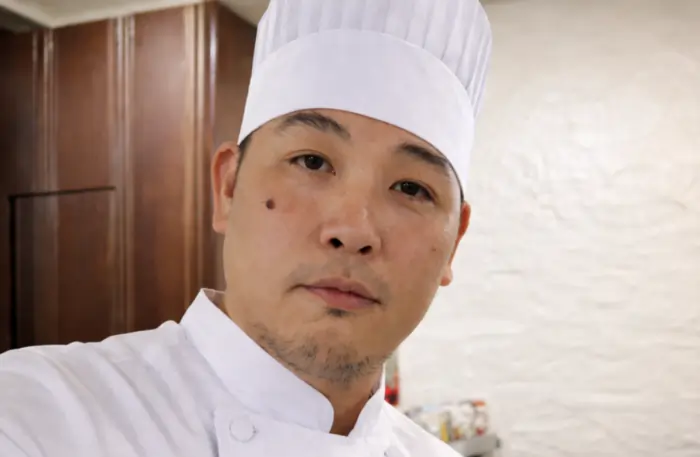
Chef Juan Gadi brings the heart of Filipino hospitality to Ubud, Bali. As an Executive Chef and consultant, he specializes in creating intimate, curated dining experiences that tell a story through every dish. Whether leading the kitchen at Kilig Filipino Warung or hosting a private villa dinner, Chef Juan’s approach is defined by warmth, modern technique, and a commitment to culinary excellence.