

How Hospitality Shapes Emotional Guest Experiences Key Takeaways
Every interaction in a hotel, restaurant, or tour is a chance to build an emotional guest experience that lingers long after checkout.
- How hospitality shapes emotional guest experiences begins with understanding the guest’s emotional journey — from anticipation to post-stay reflection.
- Guest experience psychology reveals that emotions, not features, are the primary driver of satisfaction and repeat bookings.
- Practical strategies for emotional hospitality design can be applied across hotels, restaurants, and tourism businesses of any size.

Why How Hospitality Shapes Emotional Guest Experiences Matters Today
The modern traveler is not just buying a room or a meal — they are buying a feeling. Guest experience psychology shows that emotional memories are stored more vividly than factual ones. A guest may forget the thread count of their sheets, but they will remember how the front desk made them feel after a long flight. This is why how hospitality shapes emotional guest experiences has become the defining differentiator in a crowded market. For a related guide, see How Dining Experiences Become Lasting Travel Memories.
Think about the last truly memorable service you received. Chances are, it was not the speed of the check-in or the accuracy of the order — it was a moment of genuine care. A concierge who remembered your name. A chef who asked about your dietary preferences and then surprised you with a dish that honored your heritage. These meaningful service interactions are the building blocks of loyalty.
The Psychology Behind Emotional Service Design
According to customer satisfaction psychology, emotions influence decision-making far more than logic. When a guest feels valued, understood, and cared for, their customer service hospitality experience triggers a release of oxytocin and dopamine — the bonding and reward chemicals. This biological response is what transforms a one-time visitor into a loyal advocate. Service quality and emotions are inseparable; you cannot achieve excellence in one without nurturing the other.
1. Sensory Guest Experience Design: The First Emotional Touchpoint
How hospitality shapes emotional guest experiences often begins before a word is spoken. Sensory guest experience design uses sight, sound, smell, touch, and taste to set the emotional tone. A lobby with a signature scent, curated lighting, and ambient music tells the guest: You have arrived somewhere special.
Chef Juan Gadi applies this principle at Kilig Filipino Warung in Ubud, Bali. The moment guests walk in, they are greeted by the earthy aroma of smoked coconut husks — a scent that evokes the Philippine countryside. This hospitality atmosphere design instantly transports diners, reducing anxiety and opening them to a deeper emotional journey. The lesson for hoteliers and restaurateurs: your environment is your first emotional employee.
Practical Steps for Sensory Guest Experience Design
- Sound: Choose a playlist that matches your brand personality — energetic for a beachside café, calm for a spa resort.
- Scent: Invest in a signature fragrance that is diffused in common areas. Essential oils like lemongrass (calming) or cinnamon (welcoming) work well.
- Touch: Use textures that convey comfort — soft linens, warm wood, polished stone. Every surface should invite touch.
- Taste: Offer a small welcome treat or amuse-bouche that reflects local ingredients. A single bite can set a positive emotional anchor.
2. Personalized Service Impact: The Heart of Emotional Connection
Personalized service impact is the single highest-ROI investment in how hospitality shapes emotional guest experiences. Generic hospitality is forgettable; personalized hospitality is unforgettable. When a guest receives a recommendation for a book they love, a dish spiced exactly to their preference, or a room with a view they mentioned in a pre-arrival email, they feel seen.
In Chef Juan’s private villa dining experiences, personalization goes beyond dietary restrictions. He learns the guest’s travel story — why they are in Bali, what they miss from home, what they hope to discover. Then he crafts a tasting menu that weaves those threads into each course. One guest from Manila mentioned her grandmother’s adobo; Chef Juan re-created that memory with a fermented black garlic twist, sparking tears of joy at the table. That is the power of personalized hospitality service. For a related guide, see 8 Cozy Dining Experiences Couples Always Remember.
How to Implement Personalized Service Impact in Your Business
Start with a simple pre-arrival questionnaire. Ask about dietary needs, allergies, and one personal preference — favorite music, a recent hobby, a dream destination. Train your team to note these details in a CRM and act on them. Even small gestures, like leaving a handwritten note referencing the guest’s favorite quote, amplify guest satisfaction experience.
3. Cultural Hospitality Traditions: Authenticity as an Emotional Anchor
Travelers today crave authenticity. Cultural hospitality traditions — whether the Japanese concept of omotenashi, the Filipino pakikisama, or the Bedouin tradition of offering coffee — provide a deep emotional framework for service. These traditions are not just rituals; they are expressions of community and respect that resonate on a primal level.
Chef Juan’s Filipino heritage infuses every aspect of his work. The cultural hospitality he practices includes warm greetings, genuine smiles, and a willingness to share the story behind each ingredient. When guests arrive at a dinner, they are not just served; they are treated as family. This emotional connection in tourism transforms a transactional meal into a shared cultural experience. For hospitality professionals, studying and honoring local traditions — and then adapting them to your setting — creates a powerful emotional bridge.
4. Hospitality Storytelling Techniques: Weaving Emotion Through Narrative
Stories are the currency of emotion. Hospitality storytelling techniques allow you to turn a simple stay or meal into a narrative that guests will retell for years. Every dish, every room, every decor choice has a story. The key is to share it — not in a scripted way, but as a natural part of the service.
At Chef Juan’s dinners, storytelling is integral. Before each dish, he explains the origin of the ingredient — the heirloom rice from a remote Ifugao terrace, the wild honey gathered by indigenous farmers. He connects the food to the land, the people, and the history. This hospitality storytelling does not just inform; it creates a sense of wonder and gratitude. Guests leave not only full but also enriched.
Tips for Effective Hospitality Storytelling
- Focus on one hero ingredient or element per experience.
- Include a human element — the farmer, the artisan, the family recipe.
- Keep it concise; a 30-second story is more powerful than a five-minute lecture.
- Invite interaction: ask guests if they have a similar memory or tradition.
5. Service Excellence Experiences: The Everyday Magic
Service excellence experiences are not reserved for luxury hotels. They can happen at a roadside warung or a budget hostel, provided the team is trained in emotional service design. The difference between adequate service and excellent service is anticipation. An excellent server notices the guest is cold and brings a shawl before being asked. An excellent front desk agent has the Wi-Fi password written down before the guest can request it.
This level of care builds hospitality and customer loyalty. According to a study by Harvard Business Review, customers who had the best emotional experiences spent 140% more and were far more likely to recommend the brand. Every small act of service excellence is a deposit in the emotional bank account.
6. Guest Engagement Strategies: Beyond the Transaction
Guest engagement strategies keep the emotional connection alive long after the guest leaves. A post-stay email that is not a generic survey but a personal thank-you from the staff member who served them. A social media comment that shares a behind-the-scenes look at how their favorite dish is made. These touchpoints reinforce the positive memory and invite the guest back.
Chef Juan maintains engagement by sharing guest photos (with permission) on his Instagram with a story note. When a guest comments, he replies not with a generic response but with a detail from their dinner — “Remember that calamansi gel? We have a new variation using passion fruit.” This guest relationship building turns one-time visitors into a community of advocates.
7. Experiential Hospitality: The Future of Emotional Travel
Experiential hospitality is the movement from “stay” to “experience.” It is about designing moments that guests cannot get anywhere else — a cooking class with a local grandmother, a sunset dinner on a rice terrace, a spa treatment using indigenous herbs. The tourism hospitality experience is no longer about the destination alone; it is about the feelings the destination evokes.
For industry professionals, this means shifting from a product mindset (rooms, meals, tours) to an experience mindset. Every touchpoint should answer: How will this make the guest feel? Emotional branding hospitality — consistently delivering a specific emotional promise (calm, excitement, belonging) — is what builds iconic brands like Four Seasons, Airbnb, or Kilig Filipino Warung.
Useful Resources
For further reading on guest experience psychology and sensory design, explore these resources:
- Harvard Business Review — The New Science of Customer Emotions – research on how emotional connection drives customer loyalty.
- Cornell University School of Hotel Administration – academic insights into service quality, hospitality design, and guest psychology.
Frequently Asked Questions About How Hospitality Shapes Emotional Guest Experiences
What is an emotional guest experience?
An emotional guest experience is a service encounter that triggers a strong, positive emotional response — joy, belonging, gratitude, surprise — creating a lasting memory that goes beyond functional satisfaction.
How does how hospitality shapes emotional guest experiences differ from regular service?
Regular service focuses on efficiency and accuracy. Understanding how hospitality shapes emotional guest experiences means designing every interaction to evoke a specific feeling, resulting in deeper engagement and loyalty.
Why is guest experience psychology important for hotels?
Guest experience psychology explains how emotions affect perception and memory. Hotels that apply this science can anticipate guest needs, reduce friction, and create positive associations that lead to repeat bookings.
What is emotional hospitality design ?
Emotional hospitality design is the intentional use of space, sensory cues, service rituals, and staff training to create a specific emotional journey for guests. It combines interior design, psychology, and service culture.
How can small hotels improve customer service hospitality on a budget?
Small hotels can improve customer service hospitality by training staff in active listening, personalizing welcome notes, offering locally sourced treats, and remembering returning guests’ preferences. These low-cost actions have high emotional impact.
What role does tourism hospitality experience play in destination marketing?
A positive tourism hospitality experience becomes the most powerful marketing asset. Guests share emotional stories on social media and review sites, influencing others’ travel decisions far more than ads.
How do I measure personalized service impact ?
Measure personalized service impact through guest satisfaction scores (GSS), Net Promoter Score (NPS), repeat booking rate, and qualitative feedback that mentions specific personalized touches.
What are cultural hospitality traditions that improve guest experience?
Examples include the Japanese omotenashi (selfless hospitality), Filipino pakikisama (harmonious relationships), Thai sanuk (fun service), and Middle Eastern coffee rituals. Integrating these traditions adds authenticity and emotional depth.
How does emotional branding hospitality affect pricing?
Strong emotional branding hospitality allows businesses to command premium pricing because guests are paying for a feeling, not just a product. Emotional value often justifies higher rates than functional value alone.
Can sensory guest experience design work in a casual café?
Absolutely. A casual café can use sensory guest experience design through the aroma of fresh coffee, a curated playlist, warm lighting, comfortable seating, and a small complimentary tasting sample. Every sense matters, regardless of price point.
What are memorable dining experiences made of?
Memorable dining experiences combine excellent food with emotional touches — a story behind the dish, a personal greeting from the chef, a surprise course, or a farewell gift. The emotion amplifies the flavor.
What is the link between service quality and emotions ?
Service quality is perceived subjectively through emotions. Even a small mistake can be forgiven if the emotional recovery is genuine. Conversely, flawless service without warmth can feel cold. Service quality and emotions are intertwined.
How do I build hospitality and customer loyalty through emotions?
Build hospitality and customer loyalty by consistently delivering positive emotional peaks (surprise upgrades, personalized gestures, genuine conversations) and by maintaining connection through follow-up communication that reinforces the emotional memory.
What is travel experience psychology ?
Travel experience psychology studies how travelers form memories and attachments to places and services. It emphasizes the role of novelty, social connection, and sensory richness in creating lasting emotional impressions.
What are the best guest engagement strategies for resorts?
Top guest engagement strategies include pre-arrival personalization, in-stay surprise moments, post-stay thank-you messages with guest photos, loyalty programs that reward emotional connection, and user-generated content campaigns.
How important is hospitality atmosphere design ?
Hospitality atmosphere design sets the emotional stage. A well-designed atmosphere lowers stress, increases openness, and primes guests for positive interactions. It is the silent partner in every service encounter.
How do I create emotional connection in tourism ?
Create emotional connection in tourism by designing experiences that involve local communities, personal stories, hands-on activities, and moments of surprise. Make the traveler a participant, not just a spectator.
What are meaningful service interactions ?
Meaningful service interactions are moments where a staff member goes beyond a script to connect with a guest on a human level — listening, sharing, and showing genuine care. They are the heart of emotional hospitality.
How can I apply hospitality storytelling techniques at check-in?
At check-in, share a one-sentence story about the hotel’s name or a local legend. For example: “Our name comes from a 100-year-old banyan tree that local children believe grants wishes. Your room overlooks it.” This creates immediate emotional context.
What are the top hospitality industry trends related to emotion?
Top trends include AI-driven personalization with a human touch, wellness-focused design, immersive local experiences, sustainability as an emotional value, and the rise of experiential hospitality over transactional stays.
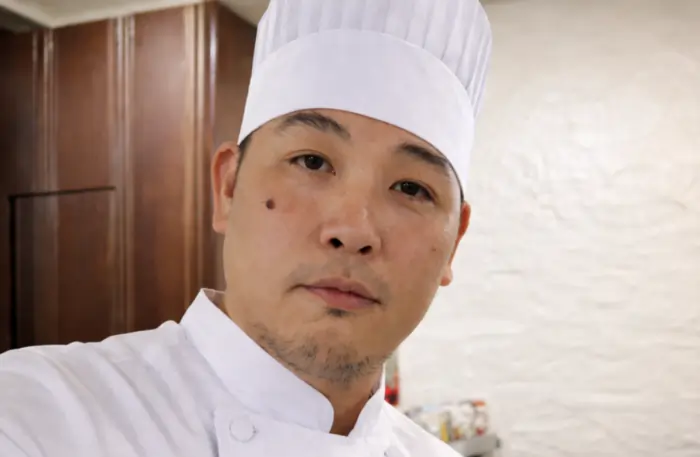
Chef Juan Gadi brings the heart of Filipino hospitality to Ubud, Bali. As an Executive Chef and consultant, he specializes in creating intimate, curated dining experiences that tell a story through every dish. Whether leading the kitchen at Kilig Filipino Warung or hosting a private villa dinner, Chef Juan’s approach is defined by warmth, modern technique, and a commitment to culinary excellence.