Filipino Dishes That Connect Two Great Island Cultures Key Takeaways
The culinary traditions of the Philippines and the island cultures of Indonesia and Bali are bound together by centuries of trade, migration, and a shared tropical environment.
- Filipino Dishes That Connect Two Great Island Cultures are built on a foundation of rice, coconut, seafood, and bold fermented flavors — the same cornerstones found in Balinese and Indonesian kitchens.
- Key shared cooking techniques include grilling over live coals, slow-simmering in coconut milk, and the use of vinegar and tamarind for souring agents — all of which appear in dishes on both sides of the Celebes Sea.
- Understanding these dishes offers a window into how island nations preserve heritage through food while embracing outside influences from China, Spain, and the Middle East.
Why the Philippines, Indonesia, and Bali Share a Culinary Language
To understand Filipino Dishes That Connect Two Great Island Cultures, you first have to look at a map. The Philippines and Indonesia are neighbors in the vast Malay Archipelago, separated by the Sulu and Celebes Seas but connected by ocean currents that have carried people, spices, and ideas for millennia. Before colonial borders were drawn, traders from Sumatra, Java, and the Visayas exchanged goods and recipes freely. Today, when you eat a dish from Bali or a classic Filipino comfort food, you taste that shared history. For a related guide, see 12 Filipino Recipes That Feel Right at Home in Bali.
A Shared Pantry: Coconut, Rice, and Seafood
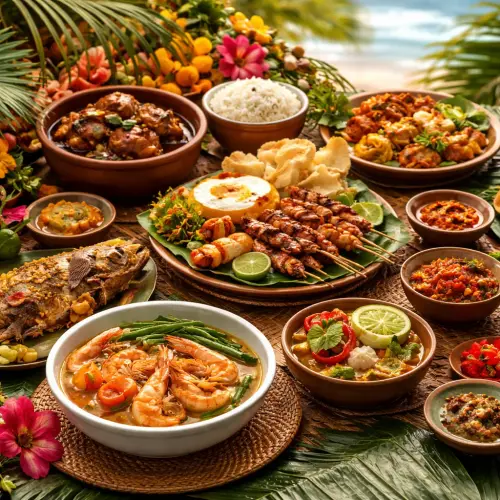
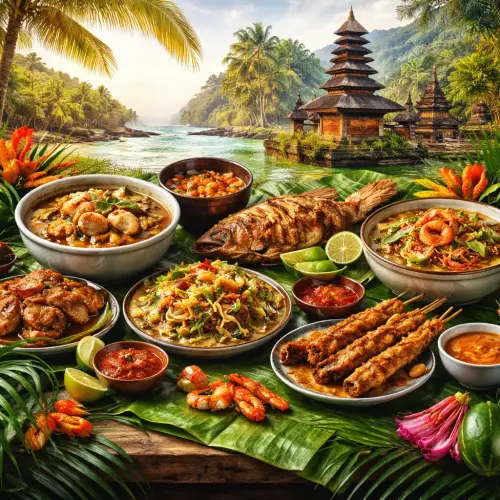
The most obvious link between Filipino and Indonesian cuisines is the ingredient list. Both cultures rely heavily on coconut milk, called gata in the Philippines and santan in Indonesia. Rice is the centerpiece of nearly every meal, often served steamed or ground into snacks. Seafood — fish, shrimp, squid, and shellfish — is abundant and treated simply so its natural sweetness shines. This common pantry makes it easy for travelers from Manila to feel at home eating in a Balinese warung.
The Spice Connection
Spice routes shaped both cuisines. Filipino dishes with Malay influence often include ginger, turmeric, lemongrass, and chili — a flavor profile that closely mirrors Balinese base genep (mixed spice paste). In the Philippines, this combination shows up in dishes like tinola and chicken inasal, while in Indonesia it forms the backbone of rendang and sate lilit.
12 Filipino Dishes That Connect Two Great Island Cultures
Here is the essential list of 12 Filipino dishes connecting cultures across the archipelago. Each dish tells a story of migration, adaptation, and shared island life.
1. Adobo — The Sour-Savory Link Across the Seas
How does adobo reflect shared Southeast Asian flavors? Adobo is the unofficial national dish of the Philippines, but its core technique — braising meat in vinegar, salt, and garlic — is unmistakably Southeast Asian. Across Indonesia, you find similar preparations like ayam kecap (chicken simmered in sweet soy sauce) and semur (beef stewed in kecap manis). Both use vinegar or soy sauce as a preservative, a necessity in tropical climates before refrigeration. The adobo you eat in Manila would feel familiar to a Balinese cook, who also relies on sour and salty elements to balance rich meats.
2. Sinigang — Tamarind Sour Soup Meets Indonesian Sayur Asem
Sinigang is a sour soup made with tamarind, tomatoes, and vegetables, typically paired with pork, shrimp, or fish. Its direct counterpart in Indonesia is sayur asem, a tamarind-based vegetable soup often served with a side of fried fish. Both dishes are served piping hot, designed to warm the stomach on rainy days or to restore energy after a long day in the humid heat. The sourness is not just a flavor preference — it is a practical way to cut through the richness of coconut-based dishes and fatty meats.
3. Pancit — Noodles That Tell a Migration Story
How does pancit show Chinese influence in Filipino food? Pancit derives from Hokkien Chinese pian i sit (convenient food), and the Philippines has dozens of regional variations — pancit bihon, pancit canton, pancit palabok. In Indonesia, similar noodle dishes like mie goreng (fried noodles) and bihun goreng (fried rice vermicelli) follow the same concept: stir-fried noodles tossed with vegetables, meat, and soy sauce. Both cuisines adopted Chinese noodle-making techniques as early as the 10th century, then adapted them with local ingredients like calamansi, shrimp paste, and kecap manis.
4. Lumpia — Spring Rolls with Balinese Equivalents
Lumpia is the Filipino version of spring rolls, filled with vegetables or meat and served fresh or fried. In Bali and across Indonesia, you find lumpia as well, often filled with bamboo shoots, chicken, and shrimp, served with sweet chili sauce. The similarity is not coincidental: the name comes from Hokkien Chinese lun pia. Both Filipino and Indonesian lumpia are crisp, portable snacks that appear at celebrations and street stalls alike. The filling changes by island — fresh coconut in Bali, bean sprouts in Manila — but the concept remains the same.
5. Sisig — Sizzling Pork with Balinese Babi Kecap
Sisig is a Filipino invention made from chopped pig face and liver, seasoned with calamansi, onions, and chili, served sizzling on a hot plate. While not identical, its closest Indonesian cousin is babi kecap, a Balinese dish of pork belly slow-cooked in sweet soy sauce, garlic, and chilies. Both dishes celebrate pork with intense, savory-sweet flavors and are often shared as pulutan (beer food) with friends. In predominantly Hindu Bali, pork is central to celebratory meals — just as it is in many parts of the Philippines. For a related guide, see Missing Home? Kilig Bali in Ubud Serves the Filipino Flavors You Love.
6. Kare-Kare — Oxtail Stew with Peanut Sauce
Kare-kare is a rich Filipino stew of oxtail and tripe in a creamy peanut sauce, often served with bagoong (fermented shrimp paste). The peanut-based sauce is reminiscent of Indonesian gado-gado and satay sauces, which also rely on ground peanuts, coconut milk, and palm sugar. What ingredients connect Filipino and Indonesian cuisine? Peanuts are a prime example. Introduced from the Americas via the Spanish galleon trade, peanuts became a staple in both cuisines, used to thicken and flavor savory dishes.
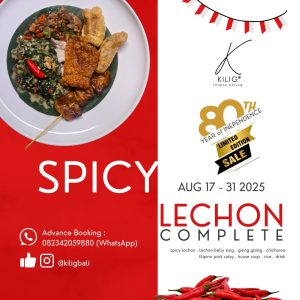
7. Lechon — Whole Roasted Pig, a Celebratory Centerpiece
Lechon is the centerpiece of every Filipino fiesta: a whole pig slowly roasted over coals until the skin is crackling crisp. In Bali, babi guling (suckling pig) is prepared with a similar reverence, stuffed with turmeric, lemongrass, and chili before being spit-roasted. The technique is nearly identical, and both cultures serve lechon with a dipping sauce — liver-based sauce in the Philippines, spiced sambal in Bali. This dish is perhaps the strongest statement of shared island heritage: the pig is more than food; it is a symbol of abundance and community.
8. Tinola — Ginger Chicken Soup with Indonesian Soto Ayam
Tinola is a light Filipino soup of chicken, ginger, green papaya, and chili leaves. Its Indonesian counterpart is soto ayam, a turmeric-spiced chicken soup served with vermicelli and boiled egg. Both are considered comfort foods, served when someone is ill or when the weather turns cool. The common thread is ginger, which is used generously in both versions to warm the body and aid digestion — a practical choice in tropical climates where root vegetables and fresh herbs grow abundantly.
9. Chicken Inasal — Grilled Chicken with a Balinese Twist
Chicken inasal, a specialty of Bacolod in the Philippines, is marinated in a mixture of calamansi, lemongrass, garlic, and annatto oil, then grilled over hot coals. In Bali, ayam betutu is chicken marinated in a rich paste of turmeric, ginger, galangal, and chilies, then roasted or steamed. Both dishes use a multi-step process: marinate, then cook slowly to develop deep flavor. The result is juicy, smoky chicken that tastes of the tropics. Filipino and Indonesian cuisine similarities are most apparent in grilled dishes like these, where the fire and the marinade do the work.
10. Laing — Taro Leaves in Coconut Milk
Laing is a Bicolano dish of dried taro leaves simmered in coconut milk with chili, shrimp paste, and ginger. It is the Filipino version of gulai daun pakis or sayur lodeh found in Indonesia and Bali — leafy greens cooked in spiced coconut milk until the sauce reduces and thickens. The technique of wilting leaves in coconut cream is common across the archipelago. Laing is a powerful example of how Filipino dishes with Malay influence preserve ancient cooking methods: no meat required, just coconut and leaves.
11. Arroz Caldo — Congee with Southeast Asian Variations
Arroz caldo is a Filipino rice porridge cooked with chicken, ginger, and fish sauce, topped with fried garlic and egg. It is similar to bubur ayam in Indonesia, a chicken congee served with crispy shallots, soy sauce, and sambal. Both are breakfast foods or late-night snacks, designed to be warming and filling without being heavy. The Chinese influence is clear in both versions, but the local seasonings — fish sauce in the Philippines, kecap manis in Indonesia — make each unique.
12. Halo-Halo — A Dessert That Mirrors Indonesian Es Campur
Halo-halo is a Filipino shaved ice dessert with sweetened beans, coconut strips, jackfruit, leche flan, and ube ice cream. Its Indonesian twin is es campur, a bowl of shaved ice topped with coconut, jelly, tapioca pearls, sweet corn, and condensed milk. Both are served in tall glasses and eaten by mixing everything together with a spoon. They are the perfect tropical desserts — cold, sweet, and endlessly customizable. The presence of similar ingredients, like jackfruit and coconut, is no accident: these fruits grow throughout the archipelago and are celebrated in desserts across cultures.
How Tropical Climates and Island Lifestyles Shape Shared Traditions
How do tropical climates influence Filipino cooking? The answer is practical: heat and humidity dictate what grows, how food is preserved, and when people eat. Both Filipino and Indonesian cuisines lean heavily on sour and salty flavors because vinegar and salt were the only reliable preservatives before refrigeration. Meals are often prepared in the cool of the early morning, then eaten at room temperature or reheated later. The same logic applies in Bali, where food is cooked fresh daily and rarely kept overnight. Why is rice important in island food cultures? Rice is the staple because it stores well, fills the stomach, and pairs with almost anything. In both the Philippines and Indonesia, rice is not just a side dish — it is the foundation of the meal, the plate around which everything else is arranged.
Useful Resources
For a deeper dive into the history and anthropology of food in the Malay Archipelago, explore these resources:
- Britannica: Filipino Cuisine — An overview of the influences and key dishes of Filipino cooking.
- TasteAtlas: Most Popular Dishes in Bali — A curated list of Balinese dishes with descriptions and cultural context.
Frequently Asked Questions About Filipino Dishes That Connect Two Great Island Cultures
What are 12 Filipino dishes that connect two great island cultures ?
The 12 dishes are adobo, sinigang, pancit, lumpia, sisig, kare-kare, lechon, tinola, chicken inasal, laing, arroz caldo, and halo-halo. Each has a counterpart or direct influence in Indonesian and Balinese cuisine.
How is Filipino cuisine similar to Indonesian and Balinese food?
Both cuisines rely on rice, coconut milk, seafood, and souring agents like tamarind and vinegar. They share cooking methods such as grilling, braising, and slow-cooking in coconut milk, and they both use a similar set of aromatics: ginger, turmeric, lemongrass, and chili.
What dishes show cultural links between Philippines and Bali?
Lechon and babi guling (roasted pig), chicken inasal and ayam betutu (spiced grilled chicken), and laing and sayur lodeh (vegetables in coconut milk) are clear examples. The similarities in preparation and ingredients point to shared Malay heritage.
Why do island nations share similar food traditions?
Island nations share similar food traditions because they face the same environmental conditions: tropical climate, abundant seafood, and limited land for agriculture. Historical trade routes also allowed ingredients and techniques to circulate across the archipelago.
What are the most popular Filipino dishes internationally?
Adobo, lumpia, sinigang, and lechon are among the most recognized Filipino dishes globally. They have gained popularity through Filipino restaurants, travel blogs, and social media food content.
How does adobo reflect shared Southeast Asian flavors?
Adobo relies on vinegar, soy sauce, garlic, and bay leaves — a combination that mirrors the sour-savory balance found in Indonesian dishes like semur and ayam kecap. This style of braising meat in an acidic medium is common throughout the region.
What ingredients connect Filipino and Indonesian cuisine?
Key shared ingredients include coconut milk, tamarind, ginger, turmeric, lemongrass, peanuts, shrimp paste, and rice. These form the backbone of many iconic dishes in both cuisines.
Why is rice important in island food cultures?
Rice is important because it is a high-yield, storable crop that thrives in tropical climates. It serves as a neutral base for strong-flavored dishes and is deeply embedded in cultural rituals, from daily meals to religious offerings.
How do tropical climates influence Filipino cooking?
The hot and humid climate encourages the use of sour and salty preservatives like vinegar and fish sauce. It also makes heavy spicing practical, as spices like ginger and chili have antimicrobial properties that help keep food safe.
What Filipino dishes are influenced by Malay culture?
Dishes like laing, sinigang, kare-kare, and tinola show strong Malay influence through their use of coconut milk, souring agents, and aromatics. These dishes are direct descendants of pre-colonial cooking methods brought by early Malay settlers.
How does pancit show Chinese influence in Filipino food?
Pancit is derived from Hokkien Chinese noodle preparations. The use of wheat or rice noodles, stir-frying, and soy-based sauces all trace back to Chinese traders who settled in the Philippines centuries ago.
What makes Filipino cuisine globally appealing?
Its appeal lies in its bold, balanced flavors: salty, sour, sweet, and savory all in one meal. The food is also highly adaptable to local ingredients, making it easy for chefs abroad to recreate and innovate.
How does food connect island communities culturally?
Food is central to hospitality, celebrations, and daily life. Sharing a meal is a way to strengthen social bonds. In both the Philippines and Indonesia, communal eating — from boodle fights to nasi campur spreads — reinforces community identity.
What are traditional Filipino dishes with shared Asian roots?
Adobo, sinigang, and laing have roots in indigenous Malay cooking. Pancit and lumpia show Chinese influence, while kare-kare reflects a fusion of indigenous and Spanish techniques. These dishes are part of a larger pan-Asian culinary conversation.
Why is Filipino food considered diverse and multicultural?
Because its history includes Malay, Chinese, Spanish, American, and indigenous influences, all adapted to local ingredients. The result is a cuisine that feels both familiar and unique to anyone exploring Southeast Asian flavors.
What is the best way to try these 12 dishes in Bali?
Look for Filipino restaurants in popular areas like Seminyak, Ubud, and Canggu. Many Balinese and Filipino chefs also collaborate in fusion pop-ups and cooking classes that highlight cross-cultural dishes.
Can I find adobo in Bali?
Yes, several Filipino-owned restaurants and food stalls in Bali serve adobo, often with a Balinese twist using local kecap manis or sambal. It is worth seeking out for an authentic taste of home.
Are there any Filipino-Balinese fusion dishes to try?
Yes, some creative chefs serve dishes like adobo-style babi guling, sinigang with Balinese herbs, or halo-halo infused with pandan and palm sugar. These fusions are becoming popular in upscale dining and food festivals.
What is the easiest Filipino dish to cook at home for beginners?
Adobo is the easiest. You need only pork or chicken, vinegar, soy sauce, garlic, and pepper. Simmer everything for 30 minutes, and you have a dish that tastes like it came from a Filipino kitchen.
How do I find authentic ingredients for Filipino cooking in Bali?
You can find tamarind, calamansi, bagoong, and Filipino soy sauce at specialty Asian grocery stores in Denpasar, Kuta, and Sanur. Online shops also deliver to most areas in Bali.
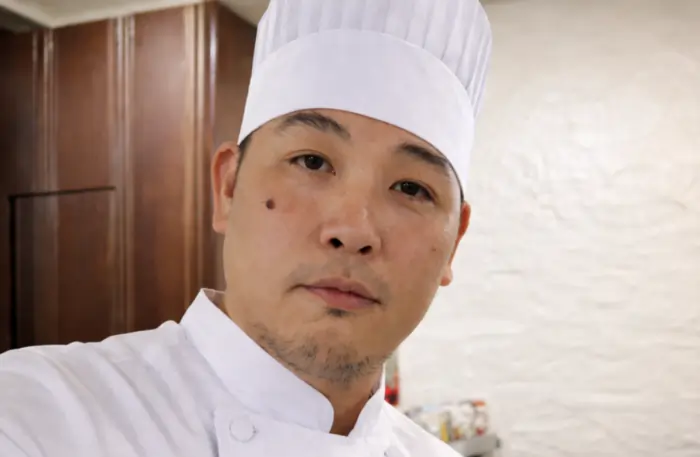
Chef Juan Gadi brings the heart of Filipino hospitality to Ubud, Bali. As an Executive Chef and consultant, he specializes in creating intimate, curated dining experiences that tell a story through every dish. Whether leading the kitchen at Kilig Filipino Warung or hosting a private villa dinner, Chef Juan’s approach is defined by warmth, modern technique, and a commitment to culinary excellence.