Pinoy Dishes That Feel Like Home Anywhere You Travel Key Takeaways
There’s a reason a bowl of sinigang or a plate of adobo can stop time for a Filipino abroad.
- Pinoy Dishes That Feel Like Home Anywhere You Travel evoke powerful nostalgia because they are tied to family routines, celebrations, and the distinct flavors of home.
- Filipino comfort food abroad often relies on simple, pantry-friendly ingredients that are easy to recreate overseas, making them a lifeline for OFWs.
- These dishes are a living heritage—each bite reinforces cultural identity, bridges distance, and tells a story of resilience and shared memories.
Why Pinoy Dishes That Feel Like Home Anywhere You Travel Matter for OFWs and Travelers
Food is the quickest route to memory. For millions of Filipinos living and working abroad, a familiar scent wafting from a kitchen can instantly transport them back to a bustling kapitbahayan or a quiet dinner with Lola. The Pinoy dishes that feel like home anywhere you travel are characterized by their bold, savory-sour profiles, generous portions, and the communal spirit in which they are shared. Whether you’re an OFW in Dubai, a student in New York, or a traveler in Tokyo, these ten dishes offer a taste of familiarity in unfamiliar places. For a related guide, see Missing Home? Kilig Bali in Ubud Serves the Filipino Flavors You Love.
This list goes beyond just ingredients. It explores the emotional weight each dish carries—how a simple tuyo with garlic rice can be a symbol of resilience, or how a pot of bulalo becomes a gathering point for homesick kababayans. Let’s dive into the flavors that define Filipino comfort food abroad.
1. Adobo: The National Dish That Travels Anywhere
It’s impossible to talk about Pinoy dishes that feel like home anywhere you travel without starting with adobo. This dish is the ultimate shape-shifter of Filipino cuisine—every family has its own version, with variations in soy sauce, vinegar, garlic, bay leaves, and peppercorns. The beauty of adobo is its forgiving nature; you can adjust it with what’s available in any country.
Why It Feels Like Home Abroad
Adobo’s ingredients are almost universally accessible, which is why OFWs often consider it their go-to comfort meal. The intense umami from soy sauce and the sharp tang of vinegar create a taste that is distinctly Filipino yet easy to replicate using local substitutes. It’s one of the most popular Filipino comfort foods abroad because it freezes well and tastes even better the next day—a true workhorse for busy workers.
Emotional Connection
The act of marinating meat overnight is a ritual that mirrors the patience and love of a mother cooking for her family. When an OFW pulls out a container of adobo from the freezer, it’s not just food—it’s a hug from across the ocean.
2. Sinigang: The Sour Soup That Heals
Sinigang is the quintessential rainy-day dish, but its appeal stretches far beyond weather. This tamarind-based soup, loaded with vegetables and your choice of pork, beef, shrimp, or fish, is the definition of Filipino home cooking. The sourness is what makes it unforgettable—it jolts the palate and settles the soul.
Why It Feels Like Home Abroad
Many OFWs carry packets of sinigang mix in their luggage. A quick simmer of vegetables and protein in water with that magic mix produces a bowl of soup that smells exactly like Mom’s kitchen. It’s one of the dishes that remind Filipinos of home because it’s often associated with family meals during the rainy season or when someone is feeling under the weather.
Emotional Connection
Sinigang’s sourness is a metaphor for life abroad—sometimes sharp, but always balanced by the sweetness of memories and the richness of hope. Each spoonful is a reminder that even in a cold apartment in London or a dry city in Saudi Arabia, you can still taste the Philippines.
3. Lechon Kawali: The Crunchy Celebration
Lechon kawali—deep-fried pork belly cut into golden, crackling chunks—is a dish that brings parties and simple weekday dinners together. While the whole roasted lechon is reserved for grand occasions, lechon kawali is the accessible cousin that delivers the same crispy joy without needing a spit.
Why It Feels Like Home Abroad
This dish is a staple of Filipino comfort food abroad because it’s relatively easy to make with basic ingredients, and the crunch is universally celebrated. It’s the dish that Filipinos bring to potlucks and international gatherings—and it always disappears first. The sight of those golden cubes practically screams “home.”
Emotional Connection
Eating lechon kawali reminds Filipinos of noisy family reunions, where a single platter is passed around and everyone fights for the crispy parts. It’s a dish that embodies the Filipino value of salu-salo (shared feast) and the joy of eating with your hands.
4. Chicken Inasal: The Grilled Flavor of Bacolod
If you’ve ever walked through a night market in Bacolod or Iloilo, you’ve smelled chicken inasal before you’ve seen it. This marinated grilled chicken is a symphony of tangy, garlicky, and slightly sweet flavors, achieved with a blend of calamansi, ginger, lemongrass, and annatto oil.
Why It Feels Like Home Abroad
Chicken inasal is one of the dishes that represent Filipino home cooking in many regionally specific ways. OFWs from Negros and Panay often swear by their family’s inasal marinade, and it’s a dish they crave intensely because it’s tied to specific memories of street food and volcanic landscapes.
Emotional Connection
The smoky char marks on the chicken, the vibrant orange hue from annatto, and the dipping sauce of sinamak (spiced vinegar) all combine to create a sensory time machine. A single bite can bring back the sound of sizzling grills, laughter of friends, and the view of a setting sun over the sea.
5. Kare-Kare: The Peanut Stew of Family Gatherings
Kare-kare is a thick, savory stew made with oxtail, tripe, or pork knuckles, cooked in a rich peanut sauce and paired with bagoong (fermented shrimp paste). It’s a dish that demands patience—the slow simmering of meat, the careful toasting of peanuts, and the ceremonial dipping into salty bagoong.
Why It Feels Like Home Abroad
Among Pinoy dishes that feel like home anywhere you travel, kare-kare holds a special place because it is often the centerpiece of family lunches and fiestas. Recreating it abroad can be challenging due to the need for oxtail and authentic bagoong, but many OFWs find substitutes or bring dried bagoong in their balikbayan boxes.
Emotional Connection
The act of making kare-kare from scratch is a labor of love. It reminds Filipinos of their grandmothers who would grind peanuts by hand and stir the pot for hours. The combination of creamy peanut sauce and fermented shrimp paste mirrors life abroad—a mix of sweet and savory, familiar and strange, comforting and challenging.
6. Tocino: Sweet Garlicky Breakfast at Any Hour
Tocino is the sweet cured pork that forms the backbone of a classic Filipino breakfast: tosinog (tocino, sinangag, itlog). The sweetness comes from curing the meat in sugar, salt, and garlic, often with a touch of pineapple juice or food coloring that gives it that signature reddish-pink hue.
Why It Feels Like Home Abroad
Tocino is one of the most accessible Filipino comfort foods abroad because the ingredients for the curing process are easy to find anywhere. Many OFWs prepare a large batch and keep it frozen, ready to fry up on lazy Sunday mornings or after a long shift. The combination of sweet, savory, and garlicky notes is instantly recognizable.
Emotional Connection
Breakfast in the Philippines is not just the first meal of the day—it’s a ritual. The sound of tocino sizzling in a pan, the smell of garlic rice being tossed in a wok, and the sight of a fried egg with a runny yolk—all of these sensory cues bring back memories of waking up in a family home, surrounded by love and the promise of a new day.
7. Pancit Canton: Noodles for Long Life and Every Occasion
Pancit canton is the Filipino stir-fried noodle dish loaded with vegetables, meat, and sometimes seafood. It is a symbol of longevity and prosperity, traditionally served at birthdays and fiestas. The noodles are tossed in a savory sauce with soy sauce, oyster sauce, and calamansi.
Why It Feels Like Home Abroad
No celebration is complete without a platter of pancit. Among Pinoy dishes that feel like home anywhere you travel, pancit canton is a staple because it is endlessly customizable—you can use whatever vegetables and protein are available in your host country. It’s a dish that says, “We are celebrating, even if we are far away.”
Emotional Connection
For OFWs, serving pancit at a small birthday party in a cramped dormitory is an act of defiance against loneliness. The long noodles symbolize a long life, but also the long miles that separate them from their loved ones. Each strand is a thread connecting them to their roots.
8. Lumpiang Shanghai: The Party Roll That Brings Everyone Together
Lumpiang Shanghai—crispy spring rolls filled with seasoned ground pork, wrapped tightly and deep-fried—is the undisputed star of Filipino gatherings. These golden cylinders are often served with a sweet and sour dipping sauce and are responsible for the “dirty dozen” habit: you can never eat just a dozen.
Why It Feels Like Home Abroad
This dish is a crowd-pleaser non-Filipinos love as much as Filipinos. It’s a perfect introduction to Filipino comfort food abroad because it’s familiar (spring rolls are eaten worldwide) yet distinctly Filipino in its seasoning and dipping sauce. OFWs often make large batches and share them with coworkers, using the rolls as an icebreaker and a cultural bridge.
Emotional Connection
Making lumpiang Shanghai is often a group activity. Friends gather around a table, each person wrapping rolls while chatting and laughing. The act of rolling and frying becomes a form of community—a way to recreate the warmth of extended family even in a foreign land.
9. Bulalo: The Bone Marrow Soup of Longing
Bulalo is a clear soup made from beef shank and bone marrow, simmered for hours with corn on the cob, cabbage, and green beans. The broth is rich and beefy, and the marrow is the prized treasure that requires careful extraction with a spoon or a slurp.
Why It Feels Like Home Abroad
Bulalo is the ultimate Filipino comfort food abroad for cold climates. OFWs in Canada, Japan, or Europe often crave bulalo during winter months. Finding beef shanks is easy everywhere, though the specific cut with marrow might require a trip to a local Asian market. The slow simmering process fills the house with an aroma that is pure home.
Emotional Connection
Bulalo is a dish that asks you to slow down. You can’t rush it. For OFWs who are always working, raising children in a new country, or adjusting to a different pace of life, waiting for the broth to develop its full flavor is a form of self-care. It’s a dish that says, “Take a moment. You are enough.”
10. Halo-Halo: The Dessert That Defies Homesickness
Halo-halo (meaning “mix-mix”) is a shaved ice dessert layered with sweetened beans, jellies, coconut strips, leche flan, ube ice cream, and a drizzle of evaporated milk. It’s colorful, chaotic, and deeply satisfying—much like the Filipino spirit itself.
Why It Feels Like Home Abroad
Halo-halo is arguably the most visually recognizable Pinoy dishes that feel like home anywhere you travel. While the traditional components require some sourcing (ube halaya, macapuno, langka), many OFWs have found ways to recreate a simplified version using local ice cream and canned goods. It’s a dessert that requires no cooking, just assembly and the willingness to mix everything together.
Emotional Connection
The act of mixing halo-halo—digging down from the top to scrape up all the hidden treasures—mirrors the Filipino experience abroad. On the surface, you see one thing (the ice), but underneath there is a rich tapestry of ingredients. It’s a dish that teaches patience and rewards curiosity. For many, a cold bowl of halo-halo on a hot day is the closest they can get to queuing at a sari-sari store in Manila.
Useful Resources
Want to dive deeper into Filipino culinary heritage? Check out these trusted sources.
- Pepper.ph – A vibrant Filipino food blog with authentic recipes and travel stories.
- Filipino Food Recipes – A comprehensive guide to classic and regional Filipino dishes with step-by-step instructions.
Frequently Asked Questions About Pinoy Dishes That Feel Like Home Anywhere You Travel
What Pinoy dishes feel like home anywhere you travel?
The most iconic Pinoy dishes that feel like home anywhere you travel include adobo, sinigang, lechon kawali, chicken inasal, kare-kare, tocino, pancit canton, lumpiang Shanghai, bulalo, and halo-halo. Each dish carries strong nostalgic ties to family and Filipino hospitality. For a related guide, see 10 Filipino Comfort Foods That You Must Try While in Bali.
Which Filipino foods are considered comfort food abroad?
Popular Filipino comfort foods abroad include adobo, sinigang, pancit, and lumpiang Shanghai. These dishes are simple to prepare, use accessible ingredients, and evoke warmth and familiarity.
Why do Filipino dishes bring nostalgia?
Filipino dishes nostalgia stems from strong sensory associations—smells of garlic, soy sauce, and banana leaves remind Filipinos of childhood, family meals, and special occasions, creating an emotional anchor.
What foods remind Filipinos of home?
Foods that remind Filipinos of home include sinigang, adobo, tuyo (dried fish) with garlic rice, and any dish that was a staple at their family table. Even a simple plate of tocino can evoke powerful memories.
How does Filipino cuisine create emotional connection?
Filipino cuisine creates emotional connection through shared meals, sense of salu-salo (communal dining), and the strong ties between a dish and a caregiver who prepared it. The flavors are encoded with love and memory.
What are common Filipino comfort foods overseas?
Common Filipino comfort foods overseas include adobo (easy to make anywhere), sinigang (packets help), pancit (customizable), and lumpiang Shanghai (great for sharing). These dishes travel well and bring a sense of home.
Which dishes represent Filipino home cooking ?
Dishes that represent Filipino home cooking are those that are simple, hearty, and made with love: adobo, sinigang, kare-kare, and pancit. They rely on family secrets and often include leftover innovation.
Why is Filipino food important for identity?
Filipino food is a tangible marker of cultural identity. For OFWs and diaspora, cooking and eating these dishes is a way to maintain connection to their roots and pass traditions to the next generation.
What meals do OFWs miss most?
The meals OFWs miss most include adobo, sinigang, and their mother’s version of any dish. Breakfast favorites like tosinog and tapsilog are also deeply missed because they represent slow Sunday mornings.
How do Filipino dishes reflect family and tradition?
Filipino dishes reflect family and tradition through recipes passed down verbally, communal cooking, and the importance of sharing food. Dishes like kare-kare and pancit are tied to celebrations and ancestral customs.
What foods are easy to find abroad for Filipinos?
Adobo ingredients (soy sauce, vinegar, garlic) are widely available. Sinigang mix is sold in Asian stores worldwide. Pancit noodles and coconut milk for kare-kare are also relatively easy to source.
Which Pinoy dishes are universally loved?
Pinoy dishes that are universally loved include lumpiang Shanghai (often compared to spring rolls), adobo (a global favorite), and halo-halo (a fun dessert). They appeal across cultures.
How does food connect Filipinos to home?
Food connects Filipinos to home through smell, taste, and memory. A single bite of adobo or a spoonful of sinigang can bring back memories of family, hometown, and the feeling of being cared for.
What are classic Filipino dishes for comfort eating?
Classic Filipino dishes for comfort eating are adobo (savory), sinigang (sour soup), bulalo (hearty beef soup), and any fried food like lechon kawali. They are rich, satisfying, and emotional.
Why is Filipino cuisine emotionally significant?
Filipino cuisine is emotionally significant because it is tied to family, love, and a sense of belonging. It’s not just food; it’s a symbol of resilience, sacrifice, and the enduring bonds between loved ones separated by distance.
Can Filipinos abroad recreate Filipino dishes easily?
Yes, many Pinoy dishes that feel like home anywhere you travel are simple to recreate with basic cooking skills and local ingredients. Packets and dried goods from Asian stores also help bridge the gap.
Is adobo the most missed Filipino dish?
Adobo is often cited as the most missed Filipino dish because it is a daily staple and carries strong emotional ties. Its accessibility abroad makes it the first dish most OFWs learn to cook.
How do Filipino restaurants abroad preserve authenticity?
Many Filipino restaurants abroad import key ingredients like bagoong, ube, and sinigang mix. Others adapt recipes using local produce while maintaining the core flavor profiles that define Filipino comfort food abroad.
What is the emotional impact of sharing Filipino food with non-Filipinos?
Sharing Filipino food with non-Filipinos reinforces cultural pride and creates a bridge for understanding. It allows OFWs to express their identity and homesickness while introducing others to the richness of their heritage.
Do younger Filipinos abroad still crave traditional dishes?
Yes, second-generation Filipinos often crave traditional dishes as a way to connect with their heritage. Learning to cook lola’s sinigang or adobo helps them feel closer to their roots even while living in a different culture.
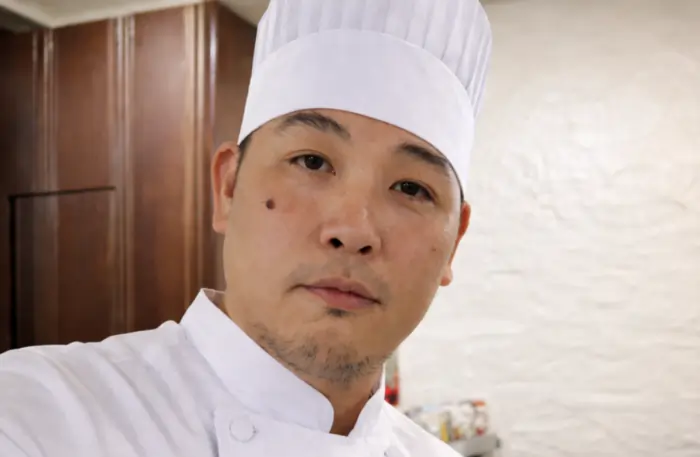
Chef Juan Gadi brings the heart of Filipino hospitality to Ubud, Bali. As an Executive Chef and consultant, he specializes in creating intimate, curated dining experiences that tell a story through every dish. Whether leading the kitchen at Kilig Filipino Warung or hosting a private villa dinner, Chef Juan’s approach is defined by warmth, modern technique, and a commitment to culinary excellence.