Filipino and Balinese Food Similarities Key Takeaways
The culinary traditions of the Philippines and Bali share a deep, often overlooked connection rooted in geography, trade history, and a love for bold, tropical flavors.
- Filipino and Balinese food similarities center on staple ingredients like coconut, rice, fresh seafood, and a harmony of sweet, salty, sour, and spicy flavors.
- Both cuisines emphasize communal dining, slow-cooked stews, and the use of traditional grilling methods that have been passed down for generations.
- Understanding these connections helps travelers navigate menus with confidence and discover authentic meals that bridge two beloved island cultures.
What Connects Filipino and Balinese Food Similarities at the Table
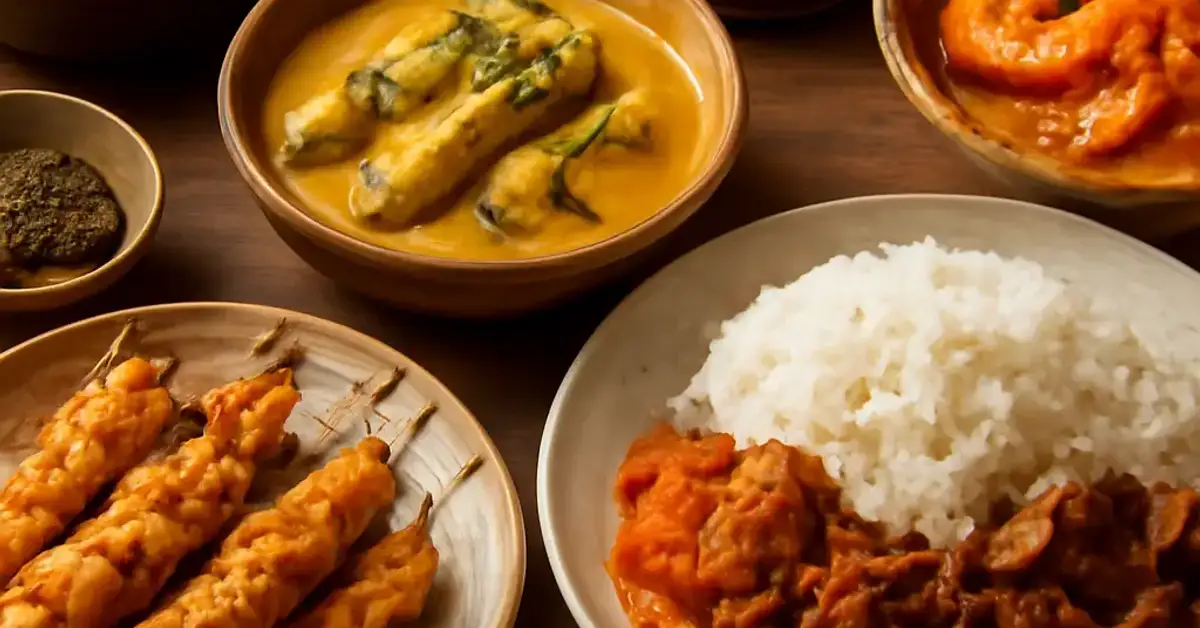
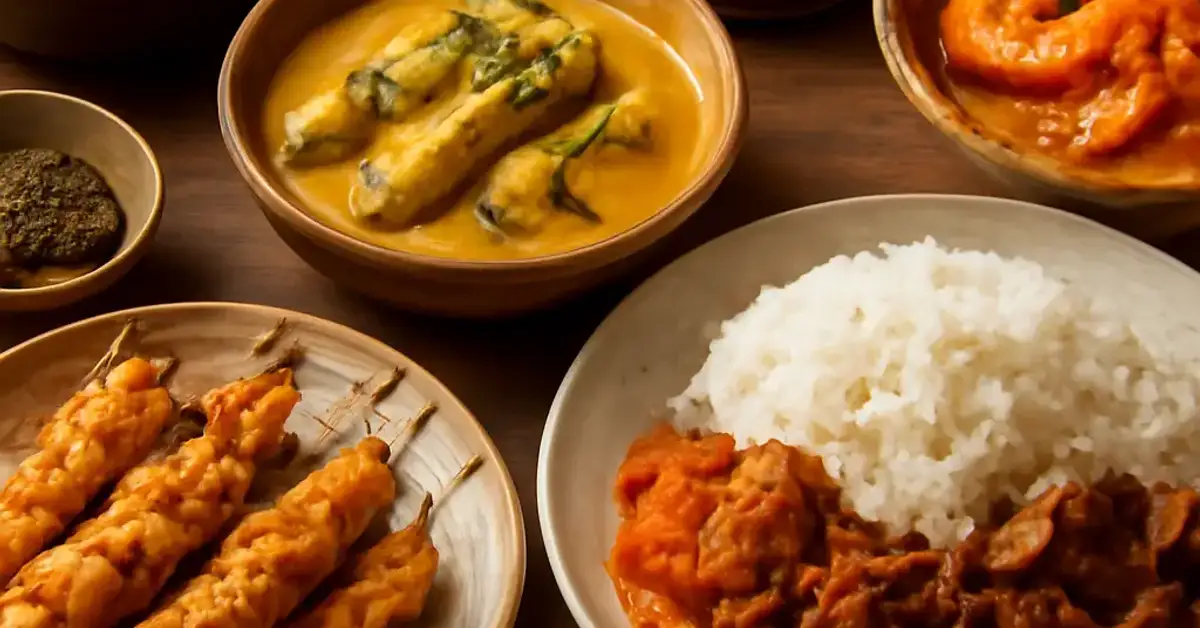
When you sit down to a meal in Manila or Ubud, the experience may feel surprisingly familiar. Both culinary worlds celebrate fresh ingredients, vibrant colors, and layers of flavor that wake up the palate. Filipino cuisine and Balinese cuisine are not identical, but they share a foundation that reflects centuries of trade, migration, and a mutual love for tropical island dishes. The Filipino and Balinese food similarities become even more evident when you look at the way families cook, the ingredients they reach for, and the stories behind each dish. For a related guide, see 10 Filipino Food Experiences Travelers Love in Bali.
As part of the broader Southeast Asian food tapestry, both cuisines have absorbed influences from Chinese, Indian, Malay, and Spanish traders. Yet they have retained a distinct island character. Indonesian food culture and Filipino food traditions both place rice at the center of the meal, surround it with small dishes of meat, fish, or vegetables, and use a generous hand with aromatics like garlic, shallots, ginger, and turmeric. This article explores ten key similarities that will deepen your appreciation for both kitchens.
1. Rice as the Unshakable Foundation
No meal in the Philippines or Bali feels complete without a mound of steamed rice. In both cultures, rice is more than a side dish—it is the soul of the meal. Rice based Asian cuisines rely on this grain to balance bold flavors, and both Filipino and Balinese cooks treat rice with reverence. In the Philippines, sinangag (garlic fried rice) is a breakfast staple, while Bali’s nasi campur presents rice surrounded by small portions of meats, vegetables, and sambal.
The connection goes deeper than consumption. Traditional Filipino and Balinese recipes both use leftover rice creatively, turning it into snacks or fried dishes. Rice terraces in the Cordilleras mirror those in Bali’s Tegallalang region, showing how both cultures have cultivated this grain for millennia. For travelers, the shared rice culture means you will always find a comforting bowl of grains to accompany every savory bite.
2. Coconut Milk in Savory and Sweet Dishes
One of the most unmistakable shared Filipino and Balinese ingredients is coconut milk. Known as gata in the Philippines and santan in Indonesia, it enriches curries, stews, and desserts. Filipino laing (taro leaves in coconut milk) and Balinese be celeng base manis (pork in sweet coconut sauce) both showcase the creamy richness that coconut based dishes bring to the table.
This ingredient is not used sparingly. In both kitchens, coconut milk is simmered slowly to meld flavors, and it often appears alongside turmeric, lemongrass, and chili. The tropical abundance of coconuts on both archipelagos makes this a logical and delicious commonality. Whether you are sipping buko juice in the Philippines or es kelapa muda in Bali, the coconut is a thread that weaves through every part of the culinary experience.
3. A Shared Love for Grilled Seafood
As island nations, both the Philippines and Bali have an intimate relationship with the sea. Filipino Balinese seafood dishes are often grilled over open charcoal, seasoned simply with salt, calamansi (or lime), and sometimes a brush of soy sauce or sweet soy (kecap manis). Filipino inihaw na isda and Balinese ikan bakar are nearly identical in spirit: fresh catch, smoky char, and a dipping sauce that cuts through the richness.
The experience of eating grilled seafood by the beach is a hallmark of island inspired cooking traditions. Markets in both countries display the morning’s catch on ice, and locals argue over the best ways to prepare tuna, snapper, squid, and shrimp. For tourists, ordering grilled fish with a side of rice and a sour dipping sauce is one of the simplest ways to taste the ocean.
4. The Ubiquitous Presence of Sambal and Sawsawan
Condiments define a cuisine as much as main ingredients. In Bali, sambal—a fiery chili paste—accompanies almost every dish. In the Philippines, the equivalent is sawsawan, a dipping sauce made from vinegar, soy sauce, calamansi, and chili. Both are built on vinegar, salt, and heat, and both allow each diner to customize the spice level of their meal.
This shared approach to condiments reveals a deeper cultural food similarities in Southeast Asia: the belief that food should be balanced, interactive, and personal. A bowl of rice, a protein, and a small dish of sambal or sawsawan—this is the essence of everyday eating in both islands. For visitors, learning to make a simple sambal or sawsawan is a quick way to bring the taste of the tropics home.
5. Slow-Cooked Stews with Aromatic Spices
Both cuisines excel at braised, slow-cooked dishes that develop deep umami over hours. Filipino adobo (soy-vinegar braised meat) and Balinese babi guling (suckling pig) or ayam betutu (spiced chicken wrapped in banana leaves) rely on Balinese spices and Filipino spices like garlic, ginger, turmeric, lemongrass, and peppercorns. The slow cooking renders meat tender and infuses every fiber with flavor.
These dishes are often reserved for celebrations or Sunday family meals. The Filipino and Indonesian culinary traditions of cooking low and slow reflects a patience and respect for ingredients that is harder to find in fast-paced urban kitchens. Travelers who seek out baboy litson in the Philippines or bebek betutu in Bali are tasting centuries of culinary wisdom.
6. Banana Leaves as a Traditional Wrapping and Serving Tool
Walk through a market in the Philippines or Bali, and you will see food wrapped in banana leaves. In the Philippines, suman (rice cakes) and bibingka (rice cakes) are steamed in banana leaves. In Bali, lawar and sayur urap are sometimes served on banana leaves. The leaf imparts a subtle earthiness and a gentle fragrance that no plate can replicate.
This practice is a clear example of traditional island cooking. Banana leaves are sustainable, biodegradable, and culturally significant. Using them connects modern cooking to ancient traditions. For food content creators and travel bloggers, photographing a dish served on a banana leaf adds an authentic, visual narrative that resonates with audiences seeking authentic Filipino and Balinese meals.
7. Sour and Savory Soup Traditions
Soup is comfort food in both countries. The Philippines has sinigang, a sour tamarind-based soup with pork, shrimp, or fish and vegetables. Bali has soto ayam (turmeric chicken soup) and sayur bening (clear vegetable soup). While the souring agents differ—tamarind in the Philippines, lime or asam (tamarind) in Bali—the result is a bright, brothy dish that cleanses the palate.
These soups are often eaten with rice and a fried or grilled protein. They are also considered wholesome, everyday meals that families prepare without fuss. The Southeast Asian cuisine comparisons often highlight soups as a point of divergence, but the underlying principle of balancing sour, salty, and savory is strikingly similar.
8. Fermented Shrimp Paste as a Flavor Bomb
Both cuisines rely on a pungent, savory paste made from fermented shrimp. In the Philippines, it is bagoong; in Bali, it is terasi (or trassi). These pastes are used sparingly to add depth to stir-fries, soups, and dipping sauces. Bagoong appears in kare-kare (oxtail stew) and as a dip for green mangoes, while terasi is a key component of sambal and vegetable dishes like sayur lodeh.
For the uninitiated, the smell can be challenging, but the flavor is irreplaceable. This ingredient is a defining characteristic of Indonesian food culture and Filipino cuisine, and it underscores the regions’ shared history of coastal living and fermentation techniques. Food tourists willing to try bagoong or terasi will unlock a deeper level of authentic Southeast Asian recipes.
9. Sweets That Celebrate Rice and Coconut
Desserts in both islands lean heavily on glutinous rice, coconut, and palm sugar. Filipino biko (sticky rice cake in coconut caramel) and Balinese bubur injin (black rice pudding with coconut milk) are nearly identical in spirit. Both are sweet, creamy, and often served at room temperature. Other shared treats include rice flour dumplings in coconut milk—turon in the Philippines and klepon in Bali.
These desserts are not afterthoughts; they are central to festive occasions and daily merienda (snack time). For travelers with a sweet tooth, exploring fusion of Filipino and Balinese flavors in sweets is a joyful way to understand the regions’ love for natural sweetness over refined sugar.
10. Family-Style Dining and Shared Plates
The final, perhaps most important, similarity is the way food is eaten. In both the Philippines and Bali, meals are communal. Large platters of rice, several vegetable and meat dishes, and dipping sauces are placed in the center of the table, and everyone shares. This Asian tropical dining experiences style encourages conversation, generosity, and a slower pace of eating.
Bali’s nasi campur and the Philippines’ boodle fight (a military-inspired feast of rice and viands spread on banana leaves) both celebrate abundance and togetherness. For resort guests and restaurant enthusiasts, participating in a shared meal is often the highlight of a culinary trip. It is a reminder that food is not just fuel; it is a bridge between people and cultures.
Useful Resources
To deepen your understanding of Filipino and Balinese food similarities and explore authentic recipes, consider these credible sources:
- Good Food: A Guide to Balinese Cuisine – An excellent overview of Balinese ingredients and iconic dishes for travelers.
- Pepper.ph – A comprehensive resource for traditional Filipino recipes, ingredient guides, and culinary history.
Conclusion
Filipino and Balinese food similarities run deeper than a shared appreciation for rice and coconut. They reflect a common way of life shaped by tropical abundance, ocean proximity, and a communal spirit that turns every meal into a celebration. For food travelers, culinary enthusiasts, and anyone planning a trip to Southeast Asia, understanding these parallels enriches the dining experience. Whether you are savoring a plate of adobo in Manila or a feast of babi guling in Ubud, you are tasting the same ancient story: that of islands that fed their people well, with creativity and care. Let this guide be your passport to the shared table of the Philippines and Bali. For a related guide, see 9 Filipino Food Traditions That Suit Bali Escapes.
Frequently Asked Questions About Filipino and Balinese Food Similarities
What are the similarities between Filipino and Balinese food?
Both cuisines rely on rice, coconut milk, fresh seafood, and a balance of sweet, sour, salty, and spicy flavors. They also share cooking techniques like grilling, slow braising, and the use of banana leaves for wrapping and serving.
Why do Filipino and Balinese cuisines taste similar?
Geographic proximity, shared Austronesian heritage, and centuries of trade routes have led to overlapping ingredients such as coconut, turmeric, ginger, and fermented shrimp paste. Both island cultures also emphasize fresh, local produce.
Which ingredients are common in Filipino and Balinese dishes?
Key shared ingredients include rice, coconut milk, shrimp paste (bagoong/terasi), tamarind, lemongrass, garlic, shallots, ginger, turmeric, chilies, and a variety of fresh seafood.
How are Filipino and Balinese cooking styles connected?
Both cuisines use grilling over charcoal, slow braising in coconut milk, steaming in banana leaves, and stir-frying. The emphasis on hands-on, communal preparation is another strong parallel.
What makes Filipino and Balinese food culturally related?
They share roots in Austronesian migration, a tropical climate that dictates what grows, and a history of trade with China, India, and the Middle East. The centrality of rice in rituals and daily life is a unifying cultural element.
Are Filipino and Balinese cuisines influenced by Southeast Asian traditions?
Absolutely. Both belong to the broader Southeast Asian food family, which features rice, fermented condiments, tropical fruits, and a delicate balance of flavors. They share DNA with Thai, Vietnamese, and Malaysian cooking.
Which Filipino dishes resemble Balinese meals?
Filipino adobo resembles Balinese be celeng base manis (pork in sweet soy sauce), and Filipino sinigang is akin to Balinese soto ayam in its sour warmth. Grilled fish and satay-like skewers also cross over.
Why do tourists enjoy both Filipino and Balinese cuisine?
Tourists appreciate the bold, fresh flavors, the abundance of seafood, and the affordability of street food. The communal dining style also makes meals more social and memorable.
How does rice culture connect Filipino and Balinese food?
Rice is the centerpiece of every meal in both cultures. It is grown in terraced paddies, used in sweet and savory dishes, and treated with deep respect. The ritual of eating rice three times a day is universal.
What spices are shared by Filipino and Balinese cooking?
Common spices and aromatics include turmeric, ginger, lemongrass, galangal, garlic, shallots, and chili. Both cuisines also use peppercorns, coriander seeds, and cumin in certain preparations.
Are seafood dishes important in Filipino and Balinese cuisine?
Yes. Living on islands, both cultures have a strong seafood tradition. Grilled fish, shrimp, squid, and shellfish are daily staples, often served with sour dipping sauces and steamed rice.
What cooking techniques are common in Filipino and Balinese food?
Grilling over charcoal, steaming in banana leaves, slow braising in coconut milk, stir-frying, and deep frying are all common. The use of a mortar and pestle for spice pastes is also shared.
How do Filipino and Balinese food traditions compare?
Both traditions emphasize fresh, local ingredients, family-style serving, and a balance of flavors. The main difference lies in the intensity of spice: Balinese food tends to be hotter, while Filipino food leans more sour.
Why are tropical flavors important in Filipino and Balinese dishes?
The tropical climate yields abundant fruits like mango, coconut, banana, and citrus, which naturally find their way into both savory and sweet dishes. These ingredients provide freshness and acidity that balance rich meats.
What makes Filipino and Balinese dining experiences unique?
The combination of hands-on eating, communal sharing, vibrant colors, and the use of natural serving vessels like banana leaves creates a sensory experience that is both rustic and celebratory.
Can I find Filipino food in Bali or Balinese food in the Philippines?
Yes, especially in tourist hubs like Ubud and Cebu. A growing number of restaurants and food festivals feature cross-cultural dishes, making it easier to explore both cuisines without leaving one island.
What is a must-try dish that shows Filipino and Balinese food similarities ?
Grilled fish with a side of rice and a chili-vinegar dip is the simplest and most direct comparison. You can find this in almost any coastal market in both countries.
How do Filipino and Balinese street food compare?
Both offer skewered meats, fried snacks, and fresh fruit shakes. Balinese street food tends to be spicier, while Filipino street food often features sweet and sour profiles.
What role does pork play in Filipino and Balinese cuisine?
Pork is beloved in both cuisines, especially in festive dishes like lechon (Philippines) and babi guling (Bali). Both cultures have expert ways of roasting and spicing pork.
Are there any vegetarian or vegan similarities?
Yes. Vegetable curries in coconut milk (Filipino ginataang gulay and Balinese sayur lodeh) and salads with fermented paste dressings are common in both, though non-vegan shrimp paste is often used.
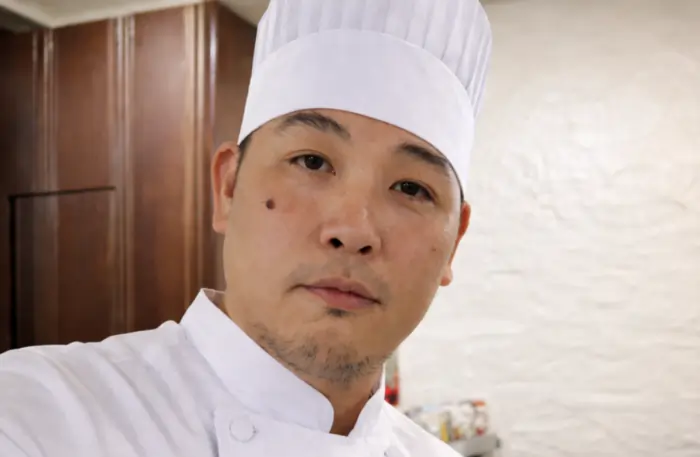
Chef Juan Gadi brings the heart of Filipino hospitality to Ubud, Bali. As an Executive Chef and consultant, he specializes in creating intimate, curated dining experiences that tell a story through every dish. Whether leading the kitchen at Kilig Filipino Warung or hosting a private villa dinner, Chef Juan’s approach is defined by warmth, modern technique, and a commitment to culinary excellence.