
Filipino Dishes That Match Bali’s Tropical Vibes Key Takeaways
Filipino cuisine shares a deep culinary DNA with Bali’s tropical food culture — coconut milk, fresh seafood, sour notes, and grilled flavors define both island traditions.
- Filipino Dishes That Match Bali’s Tropical Vibes center on coconut, lime, chili, and seafood — ingredients that thrive in hot climates.
- Many dishes mirror Balinese classics like lawar and sate lilit, making the transition natural for travelers.
- Light, sour, and herb-forward Filipino meals are ideal for tropical dining — refreshing, never heavy.
What Makes Filipino Dishes That Match Bali’s Tropical Vibes a Natural Fit
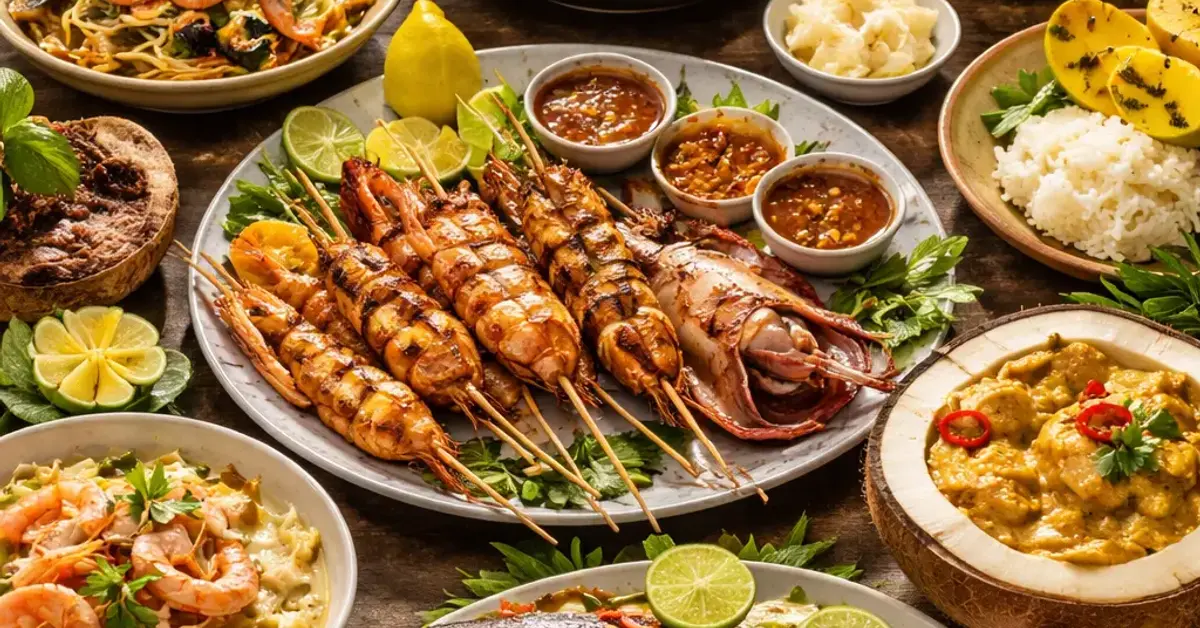
Bali and the Philippines sit on opposite edges of the Celebes Sea, but their kitchens speak the same language — coconut, chili, garlic, and fresh fish. Both islands celebrate sour broths, grilled proteins, and sticky rice. For travelers who love Balinese food, discovering Filipino Dishes That Match Bali’s Tropical Vibes feels like meeting a culinary cousin. Chef Juan Gadi, Executive Chef at Kilig Filipino Warung in Ubud, explains, “Filipino food is built for humidity. We use tamarind to cut through richness, coconut milk to cool the palate, and seafood that tastes like the ocean breeze.”
Tropical Flavor Similarities Between Bali and the Philippines
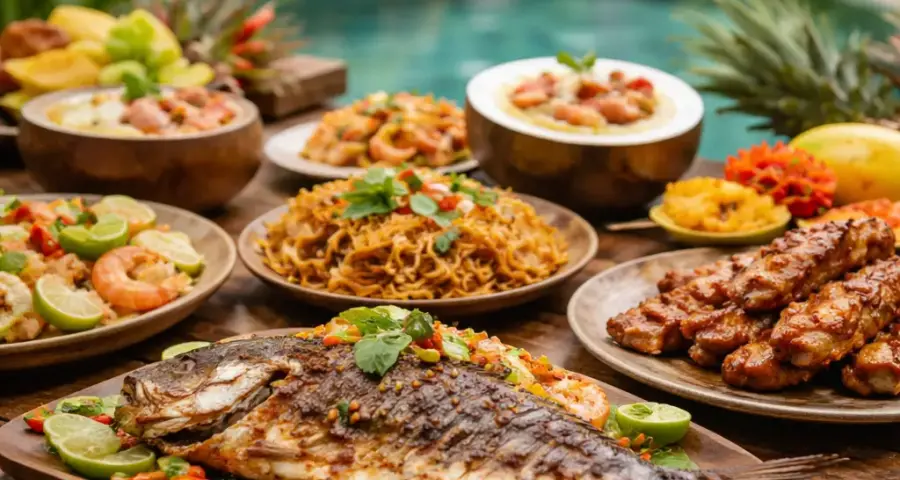
Both cuisines lean on “sour-salty-spicy” profiles. Balinese sambal matah and Filipino sawsawan both use raw shallots, chili, and lime. Grilled fish appears everywhere, from Bali’s Jimbaran Bay to the Philippines’ paluto markets. The Bali and Philippines food similarities go beyond technique — they reflect a tropical island diet Southeast Asia that prioritizes fresh, local ingredients over heavy sauces.
Why These Dishes Thrive in Hot Weather
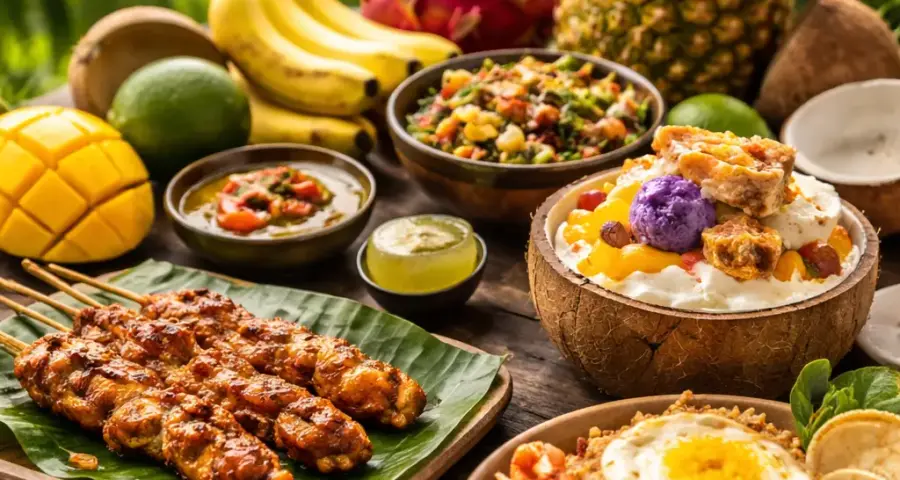
Many Filipino food for hot weather recipes are sour-broth soups, raw salads, and grilled items that don’t require long simmering. They stimulate appetite when the sun drains your energy. Think sinigang (sour tamarind soup) or kinilaw (vinegar-marinated raw fish). These are tropical climate friendly foods that hydrate and refresh. For a related guide, see 12 Filipino Recipes That Feel Right at Home in Bali.
7 Filipino Dishes That Match Bali’s Tropical Vibes: Chef Juan’s Curated List
Chef Juan Gadi brings the heart of Filipino hospitality to Ubud, Bali. As an Executive Chef and consultant, he specializes in creating intimate, curated dining experiences that tell a story through every dish. Whether leading the kitchen at Kilig Filipino Warung or hosting a private villa dinner, Chef Juan’s approach is defined by warmth, modern technique, and a commitment to culinary excellence. Below, he shares seven island style Filipino dishes that feel right at home in Bali. For a related guide, see 12 Comfort Foods That Reflect Filipino Hospitality Well.
1. Kinilaw — Filipino Ceviche with a Tropical Kick
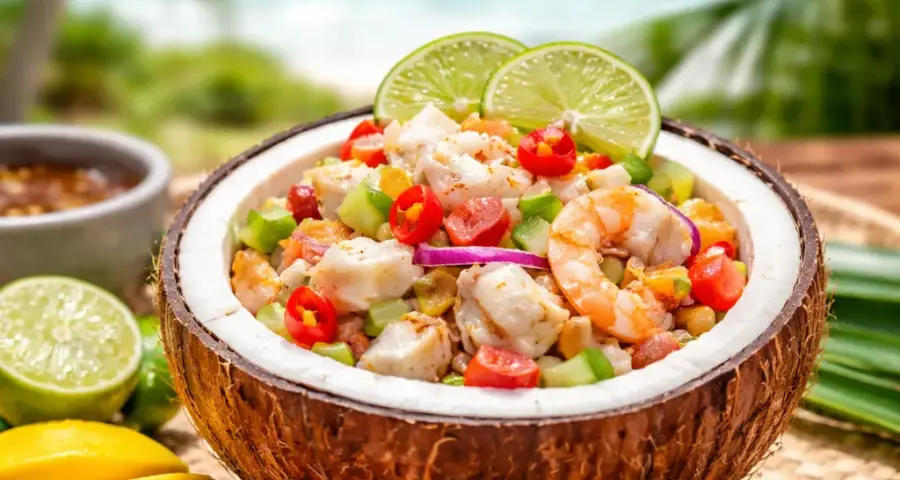
Kinilaw is the Philippines’ answer to ceviche — raw fish cured in vinegar, citrus, ginger, and chili. It echoes Bali’s popular tuna tartare and raw fish salads. Chef Juan recommends fresh tuna or snapper, marinated briefly, served with young coconut strips and chili. “It’s a perfect starter for a tropical dinner,” he says. “The acidity wakes up your palate.” This Filipino seafood dish tropical style is a must-try for seafood lovers.
2. Sinigang na Hipon — Sour Shrimp Soup
Sinigang is the ultimate comfort soup for hot climates. Tamarind gives it a bright sourness that cuts through the heat. Shrimp sinigang, with okra, kangkong (water spinach), and radish, is light yet filling. Balinese cuisine has similar sour soups using belimbing wuluh (bilimbi). Sinigang is one of the most refreshing light Filipino meals for summer. Serve it with steamed jasmine rice and a side of fish sauce with chili.
3. Lechon Kawali with Spiced Vinegar Dip (Sawsawan)
“Bali loves crispy pork,” Chef Juan laughs. Lechon kawali — deep-fried pork belly — is a staple Filipino street food tropical flavor that pairs beautifully with Balinese-style sambal matah or fresh tomato salsa. The pork is boiled until tender, then fried until crackling-golden. It’s an indulgent but crowd-pleasing tropical Filipino recipe coconut seafood pairing when served alongside grilled corn or a fresh cucumber salad.
4. Laing — Coconut Milk Taro Leaves
Laing is a rich, creamy dish of dried taro leaves simmered in coconut milk with chili and shrimp. It’s similar to Bali’s lawar kale or sayur urap. Coconut milk dishes Philippines like laing showcase the deep umami of coconut. “Laing is my go-to dish for villa dinners,” says Chef Juan. “It’s vegetarian-friendly, intensely flavorful, and pairs well with grilled seafood.” This is a prime example of Filipino coconut based dishes that travel well.
5. Inihaw na Liempo — Filipino-Style Grilled Pork Belly
Grilled pork belly marinated in soy, calamansi, garlic, and brown sugar is the Filipino answer to Bali’s babi guling. Inihaw na liempo is grilled seafood Filipino style meets island barbecue culture. The marinade caramelizes over charcoal, creating a smoky-sweet crust. Serve it with spicy vinegar and a squeeze of lime. It’s one of the most beach friendly Filipino dishes you can pack for a picnic.
6. Ginataang Gulay — Vegetables in Coconut Milk
For plant-based travelers, this dish is a revelation. Squash, string beans, okra, and pumpkin flowers simmer in spiced coconut milk with shrimp or tofu. Balinese sayur lodeh is its close relative. Ginataang gulay epitomizes refreshing island meals Southeast Asia — creamy, mildly spicy, and loaded with fiber. Chef Juan suggests adding lemongrass and galangal for a Bali-inspired twist.
7. Halo-Halo — The Ultimate Tropical Dessert
Halo-halo (“mix-mix”) is a shaved ice dessert topped with sweet beans, jackfruit, ube (purple yam) jam, leche flan, pounded sticky rice, and coconut milk. It’s the perfect antidote to a hot Balinese afternoon. “Halo-halo is a conversation starter,” says Chef Juan. “Guests love customizing it with local toppings.” This dessert is a joyful example of Filipino comfort food travel — it’s nostalgic, interactive, and refreshing.
How Filipino and Balinese Cuisines Complement Each Other in Tropical Dining
When you dine on Filipino Dishes That Match Bali’s Tropical Vibes, you’re tasting centuries of trade, migration, and shared island resources. The ASEAN culinary similarities between the two cuisines are striking: both use coconut milk as a base for curries, fresh turmeric in marinades, and souring agents to brighten dishes. For culinary tourism Philippines Bali travelers, this overlap creates an easy culinary bridge.
Balinese and Filipino Flavor Similarities at the Table
Both kitchens rely on tropical Filipino recipes coconut seafood combinations. Balinese pepes ikan (fish in banana leaf) and Filipino paksiw (fish in vinegar) both steam fish with aromatics in a sealed packet. The Balinese and Filipino flavor similarities extend to dipping sauces — sambal and sawsawan both feature chili, shallot, and citrus.
Creating a Fusion Menu for Travelers
Chef Juan often creates crossover dishes in Ubud. “I make a Balinese-style sinigang with locally grown sour fruits, or serve lechon kawali with sambal matah,” he explains. These fusions highlight the tropical diet food comparison ASEAN concept — both cuisines are light, vegetable-forward, and built for humidity.
Useful Resources
- MasterClass: Traditional Sinigang Recipe Guide — Step-by-step instructions for the classic Filipino sour soup.
- Bali Food Guide: Top Balinese Dishes to Try — A traveler’s guide to Balinese cuisine, helpful for comparing flavors.
Frequently Asked Questions About Filipino Dishes That Match Bali’s Tropical Vibes
What Filipino dishes match Bali’s tropical climate?
Kinilaw, sinigang, laing, inihaw na liempo, ginataang gulay, lechon kawali, and halo-halo all match Bali’s tropical climate by using light, sour, and coconut-based ingredients that are refreshing in heat.
Why do Filipino foods fit well in tropical destinations like Bali?
Filipino foods rely on coconut milk, citrus, vinegar, and chili — ingredients that naturally cool and hydrate the body in humidity, similar to Balinese cooking techniques.
What are the best Filipino dishes for island travel?
Grilled pork belly (inihaw na liempo), kinilaw, and sinigang are portable, easy to prepare on a beach grill, and stay fresh in warm weather.
How do Filipino flavors compare to Balinese tropical cuisine?
Both use coconut milk, turmeric, lemongrass, and chili. Filipino food leans more on vinegar and tamarind for sourness, while Balinese food uses more shrimp paste and galangal.
Which Filipino foods feel refreshing in hot weather?
Sinigang (tamarind soup), kinilaw (raw fish in vinegar), and halo-halo (shaved ice dessert) are the most refreshing Filipino dishes for hot weather.
What Filipino dishes use coconut and tropical ingredients?
Laing (taro leaves in coconut milk), ginataang gulay (vegetables in coconut milk), and bibingka (rice cake with coconut milk) are key examples.
Why are Filipino dishes popular in Southeast Asian islands?
Because they share core ingredients like coconut, fish, and sour fruits, making them familiar yet distinct to regional palates.
What are light Filipino meals for tropical climates?
Ensaladang mangga (green mango salad), lumpiang sariwa (fresh spring rolls), and tinola (ginger chicken soup) are light, vegetable-forward meals ideal for hot climates.
How does Filipino cuisine blend with Bali food culture?
Both cuisines celebrate grilled seafood, coconut-based sauces, and spicy sambal-style dips, making fusion dishes like sambal sinigang a natural crossover.
What Filipino dishes are best for travel and beach lifestyle?
Inihaw na liempo, kinilaw, and lechon kawali pack well, are easy to eat with hands, and pair perfectly with beachside beer or coconut water.
Is sinigang similar to any Balinese dish?
Sinigang shares sourness with Balinese bath berantem, a fish soup made sour with belimbing wuluh, though sinigang is more tamarind-forward.
Can I find Filipino ingredients in Bali easily?
Yes. Calamansi, coconut milk, chili, and fresh fish are abundant. You can find banana ketchup and ube in specialty stores in Ubud and Seminyak.
What is the most popular Filipino street food in Bali?
Lechon kawali, fish balls with sweet-spicy sauce, and isaw (grilled chicken intestines) are popular among Filipino expats in Bali.
How do you make Filipino dishes less heavy for tropical weather?
Reduce coconut milk quantity, increase sour agents like lime or vinegar, and serve with lots of fresh herbs like cilantro, mint, and scallions.
What is a good Filipino dessert for Bali heat?
Halo-halo is ideal — crushed ice, sweet ube, and coconut milk — but also try mais con yelo (shaved ice with sweet corn and milk).
Are there vegetarian Filipino dishes for tropical dining?
Yes. Ginataang gulay, lumpiang sariwa, adobong sitaw (green beans adobo), and ensaladang talong (grilled eggplant salad) all work perfectly.
What is the best dipping sauce for tropical Filipino food?
A sawsawan of soy, calamansi, garlic, and chili is the most versatile; it brightens any fried or grilled dish in hot weather.
Does Filipino food use a lot of chili like Balinese food?
Not always. Filipino food is mild-to-medium spicy; chili is often served on the side as a dipping sauce, unlike Bali’s heavy use of raw chili sambals.
Can I host a Filipino-themed dinner party in Bali?
Absolutely. Chef Juan Gadi regularly hosts private villa dinners in Ubud featuring a curated menu of the seven dishes above, paired with local Balinese sambals.
Where can I try authentic Filipino food in Ubud?
Visit Kilig Filipino Warung on Jalan Raya Ubud for Chef Juan’s signature dishes — a perfect introduction to this culinary crossover.
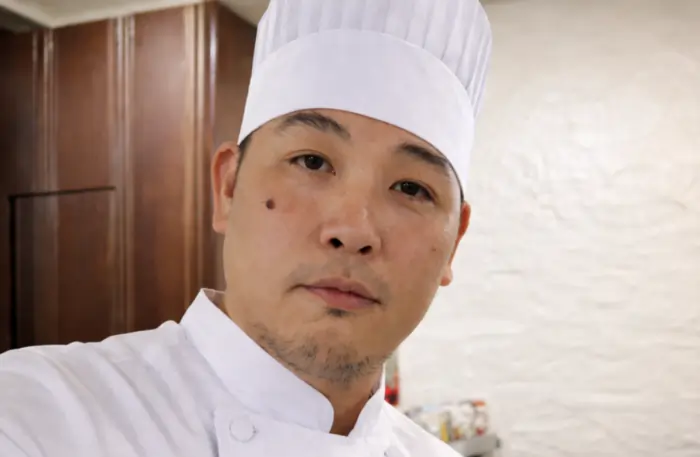
Chef Juan Gadi brings the heart of Filipino hospitality to Ubud, Bali. As an Executive Chef and consultant, he specializes in creating intimate, curated dining experiences that tell a story through every dish. Whether leading the kitchen at Kilig Filipino Warung or hosting a private villa dinner, Chef Juan’s approach is defined by warmth, modern technique, and a commitment to culinary excellence.