
Why Personalized Hospitality Matters at Every Event Key Takeaways
Personalized hospitality transforms ordinary gatherings into unforgettable experiences by making every guest feel uniquely valued.
- Why Personalized Hospitality Matters at Every Event because it shifts the focus from generic service to meaningful, one-of-a-kind interactions that resonate emotionally.
- Thoughtful event personalization — such as recognizing dietary preferences, seating arrangements, or welcome gifts — directly improves guest comfort and enjoyment.
- Modern luxury events increasingly rely on curated guest service and bespoke event experience to stand out in a competitive hospitality landscape.

What Readers Should Know About Why Personalized Hospitality Matters at Every Event
In an era where experiences outrank material possessions, why personalized hospitality matters at every event has become a defining question for event professionals. Guests no longer settle for standard treatment — they seek recognition, warmth, and a sense of belonging. When you tailor the service to individual preferences, you communicate respect and care. This is not merely a luxury trend; it is the new baseline for premium service experience across private and public events alike.
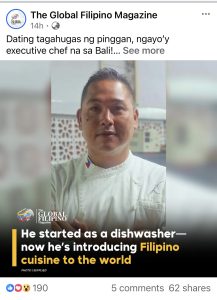
As an Executive Chef based in Ubud, Bali, I bring the heart of Filipino hospitality — a culture rooted in pakikisama (harmony) and malasakit (genuine care) — to every intimate dining experience I create. Whether I am leading the kitchen at Kilig Filipino Warung or hosting a private villa dinner, my approach centers on personalized hospitality. This article explores why this approach works, how to implement it, and what it means for your next gathering. For a related guide, see 7 Smart Ways How Personalized Catering Enhances Special Occasions in Ubud.
The Foundation of Personalized Hospitality: Emotional Connection and Attention to Detail
At its core, personalized hospitality is about recognizing the humanity in every guest. It moves beyond the transactional “how is everything?” to a deeper inquiry: “What would make this moment unforgettable for you?” This shift requires guest engagement strategies that prioritize observation, listening, and anticipation.
Why Emotional Hospitality Is the New Standard
Emotional hospitality builds a bridge between host and guest. When a planner remembers that a guest prefers sparkling water over still, or a chef adjusts a dish based on a prior conversation, the guest feels seen. This emotional resonance is what transforms a good event into a great one. For luxury event hospitality, this level of care is non-negotiable. High-net-worth individuals attend dozens of events each year; the one they remember is the one where someone paid attention.
Attention to Detail as a Service Philosophy
Details are the vocabulary of high end hospitality. A handwritten note on the pillow, a playlist that reflects the guest’s musical taste, a meal designed around a guest’s childhood memory — these touches do not happen by accident. They require a systematic approach to guest experience design that starts before the event and continues long after the last dish is served.
How Personalized Hospitality Improves Guest Experience Across All Event Types
Whether you are planning a destination wedding, a corporate summit, or an intimate family dinner, the principles of customized event service remain consistent. The scale changes, but the human need for recognition stays the same.
| Event Type | Personalization Strategy | Expected Outcome |
|---|---|---|
| Luxury Wedding | Pre-event preference form for menu, seating, and dietary needs; custom welcome gifts | Higher guest satisfaction; stronger emotional bond with the couple |
| Private Villa Dinner | Chef-led menu curation based on guest allergies, flavor profiles, and regional preferences | Intimate atmosphere; guests recall the meal as a highlight |
| Corporate Retreat | Personalized name cards, dietary icons on buffet stations, quiet zones for introverts | Better networking; reduced stress; improved team morale |
| Family Celebration | Customized kids’ menu, family photo displays, designated seating for elderly guests | Inclusive experience; all generations feel welcome |
Comparison: Standard Service vs. Personalized Hospitality
Understanding the difference between standard service and personalized hospitality is essential for setting expectations. Standard service satisfies basic needs; personalized hospitality creates delight.
Standard Service Characteristics
- Scripted greetings and uniform responses
- Fixed menu with no substitutions
- General seating arrangements based on group size
- Minimal interaction beyond service delivery
Personalized Hospitality Characteristics
- Pre-event discovery call to understand individual preferences
- Menu flexibility: dietary, cultural, and texture adaptations
- Seating that considers personalities, relationships, and accessibility
- Post-event follow-up with personalized thank-you notes
The emotional payoff from bespoke event experience far exceeds the extra effort. Guests feel respected, and they reward hosts with loyalty and referrals.
Why Personalized Hospitality Is a Key Trend in Modern Events
The rise of social media, review platforms, and experience-driven spending has propelled event personalization to the forefront of the industry. Guests now share their experiences online, and a generic event can actually harm a brand’s reputation. Meanwhile, luxury event hospitality brands compete on the depth of their personalization.
Luxury Weddings and Private Celebrations
In high-stakes celebrations like weddings, curated guest service is expected. Couples invest months — sometimes years — into planning. The final touch that sets a wedding apart is often the hospitality layer: the welcome basket with the couple’s favorite snacks, the signature cocktail named after the bride’s grandmother, or the late-night snack station tailored to the crowd’s energy.
Curated Dining Experiences in Bali and Beyond
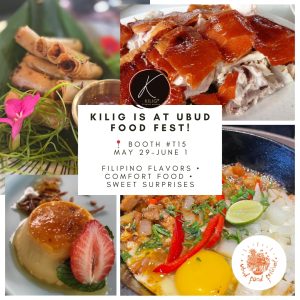
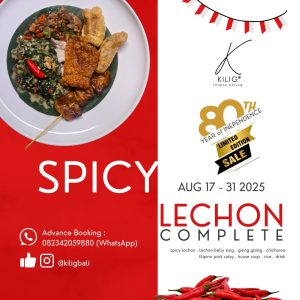
In my own practice at Kilig Filipino Warung and during private villa dinners in Ubud, I apply these principles every day. I ask guests about their favorite Filipino comfort foods, their spice tolerance, and any allergies before designing the menu. The result is a tailored guest experience that feels like a personal journey through the dish. This approach has become a hallmark of private event service in Bali’s competitive culinary scene. For a related guide, see Why Intimate Dining Feels More Meaningful in Bali.
Practical Strategies to Elevate Your Event with Personalized Hospitality
Event planners, private hosts, and hospitality managers can adopt these actionable tactics to deliver a premium service experience.
Step 1: Gather Data Early and Respectfully
Send a brief pre-event questionnaire. Ask about dietary restrictions, favorite cuisines, seating preferences, and any special occasions being celebrated. Keep it concise — three to five questions is enough.
Step 2: Design for the Senses
Guest experience design goes beyond taste. Consider lighting that complements the mood, background music that matches the cultural theme, and scent (e.g., fresh pandan or vanilla in the welcome area). Each sensory element can be personalized.
Step 3: Train Your Team in Observation
Empower servers and staff to notice small cues: a guest who pushes their water to the side may prefer iced tea; a guest who glances at the clock may need to leave soon. Train your team to act on these cues without being intrusive.
Step 4: Create Memorable Departures
The last impression is as important as the first. Personalized farewells — a gift bag with a handwritten note, a recipe card from the chef, or a photo from the event — leave guests with a lasting emotional imprint.
Useful Resources
To deepen your understanding of guest engagement strategies and event planning hospitality, explore these trusted sources:
- Forbes Business Council — The Power of Personalization in the Hospitality Industry
- EHL Hospitality Insights — Personalization in Luxury Hospitality
Why Personalized Hospitality Matters at Every Event ultimately comes down to one truth: people remember how you made them feel. Whether you are a wedding planner, a villa manager, or a private chef in Ubud, investing in personalized hospitality elevates your craft and leaves a lasting legacy of warmth.
Frequently Asked Questions About Why Personalized Hospitality Matters at Every Event
Why does personalized hospitality matter at every event?
Personalized hospitality matters because it makes each guest feel uniquely valued, creating emotional connections that lead to higher satisfaction, positive reviews, and repeat attendance. It distinguishes your event from standard experiences.
How does personalized hospitality improve guest experience?
It improves guest experience by addressing individual preferences such as dietary needs, seating comfort, and cultural touches. This attention reduces stress and increases enjoyment, making guests feel cared for.
What makes hospitality feel more personal at events?
Hospitality feels more personal when staff use guests’ names, remember past interactions, adapt the menu on the fly, and offer unexpected thoughtful gestures like a favorite dessert or a quiet corner for introverts.
Why is guest personalization important in event planning?
Guest personalization is important because it increases emotional engagement, prevents awkwardness (e.g., seating conflicts), and shows that the host invested genuine effort into the guests’ well-being.
How does tailored service affect event satisfaction?
Tailored service directly boosts satisfaction scores because guests evaluate events not just by logistics but by how they felt. A personalized experience often generates the highest praise in post-event surveys.
What role does hospitality play in memorable events?
Hospitality is the emotional backbone of memorable events. Even the most beautiful venue or delicious food can be forgotten if the service felt cold. Warm, personalized hospitality creates stories guests will retell.
How do hosts create personalized experiences for guests?
Hosts create personalized experiences by gathering information beforehand through conversations or forms, then executing thoughtful details: curated welcome gifts, customized menus, and seating that encourages meaningful connections.
Why do guests value personalized attention at events?
Guests value personalized attention because it signals respect and care. In a crowded social calendar, being truly seen and catered to feels rare and deeply appreciated.
How does customization improve event atmosphere?
Customization improves atmosphere by aligning the environment with guest preferences — lighting, music, scent, and even temperature can be adapted. This creates a harmonious setting where guests relax and engage more fully.
What makes hospitality feel warm and meaningful?
Warm and meaningful hospitality comes from authentic kindness, not scripted routines. It includes eye contact, genuine smiles, remembering a guest’s story, and going out of your way to fulfill a quiet wish.
How does service quality impact private events?
Service quality determines the emotional tone of private events. Poor service can ruin an otherwise perfect setup, while excellent service can salvage minor logistical hiccups. Personalization amplifies service quality.
Why is personalization key in luxury events?
In luxury events, guests expect exclusivity and recognition. Personalization — from monogrammed linens to a bespoke cocktail program — confirms that the event is designed for them alone, justifying premium pricing.
How do event planners design personalized guest experiences?
Event planners design personalized experiences by creating detailed guest profiles, conducting pre-event consultations, training staff in emotional intelligence, and building flexibility into every element from schedule to menu.
What are examples of personalized hospitality in events?
Examples include a chef preparing a dairy-free version of a signature dish for a lactose-intolerant guest, a welcome note referencing a shared memory, and a farewell gift aligned with each guest’s hobby.
How does emotional connection form through hospitality services?
Emotional connection forms when a guest feels that the host or staff genuinely care about their comfort and happiness. This is built through small but consistent acts of recognition, anticipation, and generosity.
Can personalized hospitality work for large-scale events?
Yes, with proper systems in place. Use digital preference forms, segment guests into smaller groups, and assign dedicated staff to each group. Even large galas can incorporate personalized welcome gifts and meal options.
What are common mistakes in personalized hospitality ?
Common mistakes include making assumptions without asking, over-personalizing to the point of awkwardness (e.g., excessive attention on one guest), and failing to document preferences for future events.
How does culture influence personalized hospitality ?
Culture shapes what feels personal. In Filipino hospitality, for example, offering extra food and insisting guests eat more is a sign of care. In Japanese omotenashi, subtle anticipation without intrusion is valued.
What technology helps deliver personalized hospitality ?
Customer relationship management (CRM) software, event management platforms with guest preference modules, and digital menu customization tools help track and execute personalized touches at scale.
What is the ROI of personalized hospitality for event hosts?
The ROI includes higher guest satisfaction scores, increased referrals, stronger brand loyalty, and the ability to charge premium rates. For private hosts, it means deeper relationships and more meaningful memories.
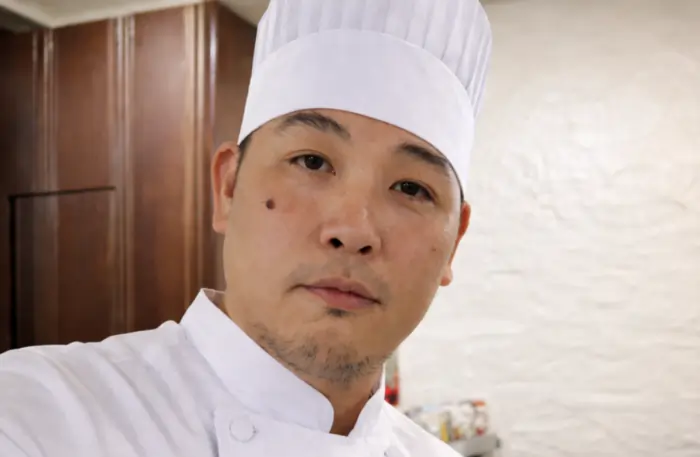
Chef Juan Gadi brings the heart of Filipino hospitality to Ubud, Bali. As an Executive Chef and consultant, he specializes in creating intimate, curated dining experiences that tell a story through every dish. Whether leading the kitchen at Kilig Filipino Warung or hosting a private villa dinner, Chef Juan’s approach is defined by warmth, modern technique, and a commitment to culinary excellence.