
Role of Food in Memorable Bali Gatherings Key Takeaways
Traditional dishes like babi guling (suckling pig), bebek betutu (slow-cooked duck), and lawar (spiced vegetable and meat salad) are not just meals; they are edible symbols of togetherness.
- Role of Food in Memorable Bali Gatherings begins with shared plates that spark conversation and belonging.
- Curated menus, local ingredients, and chef-led storytelling turn meals into emotional highlights of weddings, vacations, and private events.
- Whether through luxury dining Bali or intimate villa catering, personalized food experiences transform a gathering into a lasting memory.

Why the Role of Food in Memorable Bali Gatherings Matters More Than Ever
Bali has long been a destination where the senses come alive. The island’s rich agricultural heritage, spice-laden history, and deep spiritual connection to food make it a natural stage for gatherings that linger in the heart. Travelers, couples, and event planners increasingly seek more than just a beautiful venue—they want a sensory journey that reflects the soul of the island. This is precisely why the role of food in memorable Bali gatherings has become central to how we design celebrations, retreats, and intimate dinners.
When guests sit down to a meal crafted with intention, they are not just eating. They are participating in a ritual that has defined Balinese culture for centuries. The offering of food to gods, the communal sharing of a feast, the careful balance of flavors—all of these elements create a backdrop for human connection. In an era of digital distraction, a thoughtfully prepared dinner forces us to slow down, taste, and talk. And in Bali, that food is unforgettable.
Bali Food Experiences: A Gateway to Cultural Connection
Bali food experiences are deeply woven into the island’s social fabric. From the bustling night markets of Gianyar to the serene rice terraces of Jatiluwih, food here tells a story of community, gratitude, and balance. When you attend a gathering in Bali—whether a wedding, a birthday, or a corporate retreat—the menu is rarely an afterthought. It is a deliberate expression of hospitality and cultural pride. For a related guide, see 7 Smart Ways How Personalized Catering Enhances Special Occasions in Ubud.
Traditional dishes like babi guling (suckling pig), bebek betutu (slow-cooked duck), and lawar (spiced vegetable and meat salad) are not just meals; they are edible symbols of togetherness. For locals, preparing these dishes for a celebration is an act of love and respect. For visitors, tasting them becomes a doorway into understanding the island’s values. That is why memorable Bali gatherings almost always center around a shared meal that educates and delights in equal measure.
How Food Bridges Cultures at Bali Celebrations
Chef Juan Gadi, whose Filipino heritage enriches the kitchens of Ubud, understands this bridge intimately. He explains that when he prepares a meal for a multi-national group at a private villa, he infuses each course with stories—where the spices came from, why the rice is cooked a certain way, how the dish relates to Balinese ceremonies. This storytelling turns a dinner into a cultural exchange. Suddenly, strangers become friends, and guests leave with a deeper appreciation for the island and its people.
Luxury Dining Bali: Elevating Gatherings with Ambiance and Taste
Luxury dining Bali is not only about premium ingredients or Michelin-style plating. It is about creating an atmosphere where every detail—from the lighting and music to the placement of flowers on the table—serves the guest’s emotional journey. High-end resorts, private cliffside venues, and rice-field dining platforms have elevated the standard of what a meal can be during a celebration. For a related guide, see The Art of Curated Dining Experiences in Bali.
For honeymooners and couples, a private candlelit dinner overlooking the Ayung River transforms an evening into a cherished memory. For event planners, offering exclusive menus that feature locally sourced seafood, organic vegetables, and rare Balinese spices adds a layer of sophistication that standard catering cannot match. This is where private dining experiences shine: they allow hosts to curate not just what guests eat, but how they feel throughout the meal.
The Role of Private Dining in Creating Emotional Bonds
Why does a private dinner feel so much more meaningful than a banquet hall meal? Because intimacy invites vulnerability and openness. When a chef prepares a meal exclusively for a small group, the gesture communicates care and personal attention. Guests feel valued, which strengthens their connection to each other and to the event itself. Studies in hospitality psychology confirm that shared meals increase trust and collaboration among participants—a principle that chef curated meals leverage beautifully.
Traditional Event Dining vs. Curated Culinary Experiences: A Comparative Look
Traditional event dining in Bali often follows a buffet format—efficient and abundant, but rarely memorable. While buffets have their place, they lack the narrative arc that a multi-course, chef-guided dinner provides. The table below highlights the key differences between the two approaches.
| Aspect | Traditional Event Dining | Curated Culinary Experiences |
|---|---|---|
| Menu Design | Standardized, crowd-pleasing dishes | Seasonal, locally inspired, story-driven |
| Guest Engagement | Self-service, minimal interaction | Chef explains each course, personal interaction |
| Ambiance | General décor, limited customization | Lighting, tableware, music tailored to theme |
| Memorability | Fades quickly after the event | Becomes a highlight guests talk about for years |
| Cost Efficiency | Lower per person, higher volume | Higher per person but deeper guest satisfaction |
For luxury tourists and villa owners designing intimate events, the choice is clear: curated experiences deliver far greater emotional return. That is why Bali catering services that specialize in custom menus are in high demand among discerning hosts.
How Bali Catering Services Enhance Celebrations
Bali catering services have evolved significantly in the last decade. No longer limited to drop-off buffet trays, top-tier caterers now offer full-service event dining that includes menu consultation, ingredient sourcing, chef-led cooking, and even post-meal cleanup. Whether it’s a luxury villa catering setup for a wedding party or a pop-up dinner on a secluded black-sand beach, professional caterers handle the logistics so that hosts can focus on their guests.
For a villa owner or a vacation seeker hosting a reunion, selecting the right caterer is crucial. Look for teams that understand dietary restrictions, can source organic produce from local farms, and are willing to adapt recipes to reflect the cultural backgrounds of the guests. An expert caterer will also recommend wine or cocktail pairings that complement the Balinese palate—think fresh young coconut water, arak cocktails, or robust Indonesian coffee to end the evening.
Private Dining Experiences Bali: Tailoring Menus to Your Guest List
Private dining experiences Bali are the pinnacle of personalized hospitality. Imagine a family celebrating a milestone birthday with a seven-course dinner that weaves together Chinese, Indonesian, and Filipino influences. Chef Juan Gadi often crafts such narratives for his clients. He begins by learning about the guests: their heritage, favorite flavors, and the emotional tone they want for the evening. From there, he builds a menu that tells a story—perhaps starting with a light soup that reminds one guest of their grandmother, ending with a dessert that evokes the tropics. For a related guide, see 8 Ways Chef Curated Menus Elevate Bali Gatherings.
These bespoke touches are what separate a standard gathering from a memorable Bali gathering. Every dish becomes a conversation starter. Every bite deepens the sense of warmth and belonging.
The Social and Emotional Impact of Food During Gatherings
Food and hospitality go hand in hand in Balinese culture. The word mejaran refers to the act of sharing food with others—a practice that reinforces community bonds. When you break bread with someone, you are signaling trust and goodwill. In the context of a celebration, this ritual is amplified.
Research in social psychology demonstrates that sharing food increases interpersonal closeness and cooperation. In a wedding setting, couples who prioritize a shared dining experience often report stronger emotional connection with their guests. Similarly, corporate groups that dine family-style rather than buffet-style report higher levels of team cohesion. These findings underscore why social dining experiences are growing in popularity among event organizers in Bali.
How Does Food Connect People During Celebrations?
Food connects people by creating a common experience. When everyone at a table tastes the same complex sambal and reacts—some with delight, others with surprise—a shared moment is born. Guests who might feel shy or out of place find an easy topic of conversation: the food. For introverts, a beautifully plated dish offers a reason to compliment their neighbor. For extroverts, it provides an excuse to ask the chef for the recipe. In this way, a meal becomes a social lubricant that eases interaction and builds bonds.
Why Travelers and Event Organizers Value Culinary Experiences in Bali
When asked why they return to Bali again and again, many travelers cite the food as a primary reason. The freshness of tropical fruits, the complexity of spice pastes, the artistry of banana-leaf presentations—these culinary experiences Bali offers are unlike anywhere else. For event organizers, the island’s rich food culture provides an unparalleled opportunity to create events that feel authentic and memorable.
For honeymooners, a private dinner under the stars is often the highlight of their trip. For luxury tourists, a gourmet dining Bali experience at a high-end resort sets the tone for the entire vacation. Villa guests appreciate the convenience of exclusive dining Bali options that bring a five-star meal directly to their accommodation. And for Bali celebrations such as weddings, anniversaries, and milestone birthdays, a chef-curated menu transforms an already beautiful setting into a truly unforgettable experience.
What Makes Bali Dining Experiences Unforgettable?
It is the combination of place, ingredient, and intention. Dining in Bali often happens outdoors, with the sound of crickets orchestrating the evening. The food itself—bursting with chili, lime, coconut, and turmeric—awakens the palate in a way that comfort food cannot. But what truly makes it unforgettable is the care that goes into preparation. Whether it is a street vendor grilling corn on the cob with a smile or a private chef explaining the origin of each ingredient, the human element elevates the meal into a memory.
How Chef Curated Meals Transform Bali Events
When an event includes a chef curated meal, it signals to guests that this is no ordinary occasion. Chef Juan Gadi explains that the process begins long before the first ingredient is chopped. He reviews the guest list, dietary needs, the flow of the event, and even the time of sunset to ensure the lighting is perfect. Each course is designed to build on the last—not just in flavor, but in emotional resonance.
For example, a starter of grilled octopus with a smoky sambal might evoke the coastal roots of Bali. A main course of slow-cooked pork belly with star anise and cinnamon can pay homage to the Chinese and Indian influences that have shaped Indonesian cuisine. Dessert—perhaps a pandan panna cotta with palm sugar syrup—ends the meal on a sweet, fragrant note that lingers. These are the details that make Bali food experiences legendary among travelers who value depth and artistry over mere convenience.
Practical Tips for Hosting a Memorable Gathering in Bali
For those planning a celebration on the island, whether a wedding, a family reunion, or a milestone birthday, a few guidelines can help ensure the food leaves a lasting impression.
- Start with a consultation: Work with a chef or catering service that takes the time to understand your vision and your guests’ preferences.
- Embrace local ingredients: Bali’s produce—from mangosteen to dragon fruit to free-range chickens—offers incredible flavor. Use them.
- Plan for the setting: A hilltop villa dinner demands different food and pacing than a beach campfire. Choose your menu to match the environment.
- Consider dietary needs early: Gluten-free, vegan, and halal options are easily achievable in Bali but require advance planning.
- Incorporate a story element: Ask your chef to introduce each dish. Guests love learning the inspiration behind their meal.
- Don’t forget beverages: Pair wines, local beers, or fresh juices with each course to enhance the overall experience.
Useful Resources
To deepen your understanding of Bali’s culinary culture and catering landscape, the following resources are invaluable:
- Indonesia Tourism – Bali Culinary Guide — Official travel guide featuring traditional dishes, food festivals, and cooking classes across the island.
- Lonely Planet Bali Restaurants and Food — Curated recommendations for local warungs, high-end dining, and unique food experiences in Bali.
Frequently Asked Questions About Role of Food in Memorable Bali Gatherings
Why is food important in Bali gatherings?
Food is central because it embodies Balinese hospitality and creates a shared experience that unites guests around tradition, flavor, and emotion.
How does food create memorable experiences in Bali?
Through the use of bold local spices, storytelling by chefs, and immersive settings like rice terraces or private villas, every meal becomes a sensory high point that guests remember long after the trip ends.
What role does dining play in Bali celebrations ?
Dining acts as the anchor of the event—it sets the pace, sparks conversation, and often becomes the most photographed and talked-about part of the gathering.
Why do travelers value food experiences in Bali?
Travelers seek authenticity, and Bali’s food culture delivers it. Tasting a dish made with locally grown ingredients and prepared with traditional techniques offers a genuine connection to the island.
How does Bali cuisine enhance social gatherings?
Family-style servings, communal spices, and shared dipping sauces encourage everyone to interact. The interactive nature of Balinese dining naturally fosters conversation and laughter.
What makes Bali dining experiences unforgettable?
The combination of stunning outdoor venues, warm service, and explosive flavors creates a moment that feels both luxurious and deeply human—a rare blend that stays with you.
Why is shared dining meaningful during celebrations?
Sharing a meal is an act of trust and generosity. When guests eat together from a curated menu, they form a bond that elevates the celebration from a gathering to a community experience.
How do private dinners improve Bali gatherings?
Private dinners eliminate distractions, allow for personalized menu design, and give guests the chef’s full attention. This intimacy deepens the emotional impact of the event.
What types of food are popular in Bali events?
Satay, grilled seafood, babi guling, lawar, nasi campur, and fresh tropical fruits are perennial favorites. Modern twists on these classics are also trending among luxury caterers.
How does catering influence guest satisfaction?
Professional catering ensures consistent quality, beautiful presentation, and smooth service—all of which directly impact how guests perceive and enjoy the gathering.
Why are culinary experiences important for travelers?
Culinary experiences are often the most immersive way to learn about a place. Travelers who invest in curated meals return home with not just photos, but stories and tastes that stay alive.
How does food connect people during celebrations?
Food lowers social barriers. When everyone shares the same dish, exclaims over the same flavor, or laughs about a spicy bite, a collective memory is formed.
What makes Bali food culture unique?
Bali food culture is influenced by Hindu traditions, an abundance of tropical ingredients, and a philosophy of balance between sweet, sour, salty, and spicy. Meals are often both vibrant and healing.
How do chef curated meals enhance events?
Chef curated meals add a layer of artistry and narrative. The chef becomes a storyteller, guiding guests through flavors and traditions that would otherwise go unnoticed.
Why do luxury gatherings focus on dining experiences?
Luxury audiences value exclusivity and personalization. A dining experience that is designed specifically for their group—down to the garnish and music—reinforces the sense of being truly special.
What is the difference between event catering and private dining in Bali?
Event catering usually serves a large group with standardized menus, while private dining focuses on a small group with a custom, chef-guided experience that prioritizes quality over quantity.
Can a private chef accommodate dietary restrictions in Bali?
Absolutely. Many private chefs, including Chef Juan Gadi, specialize in adapting traditional recipes to meet gluten-free, vegan, halal, or other dietary needs without compromising flavor.
How do I choose a caterer for a Bali villa event?
Look for a caterer with experience in villa settings, strong reviews, a willingness to customize the menu, and knowledge of local sourcing. A preliminary tasting is always recommended.
What are the best venues for a private dinner in Bali?
Popular venues include villas in Ubud, cliff-side locations in Uluwatu, beachfront spots in Seminyak, and rice-terrace settings in Canggu. Each offers a unique backdrop for a memorable meal.
How far in advance should I book a private chef in Bali?
For best results, book at least three to four weeks ahead, especially during peak season. This allows the chef time to source ingredients, design the menu, and coordinate with your venue.
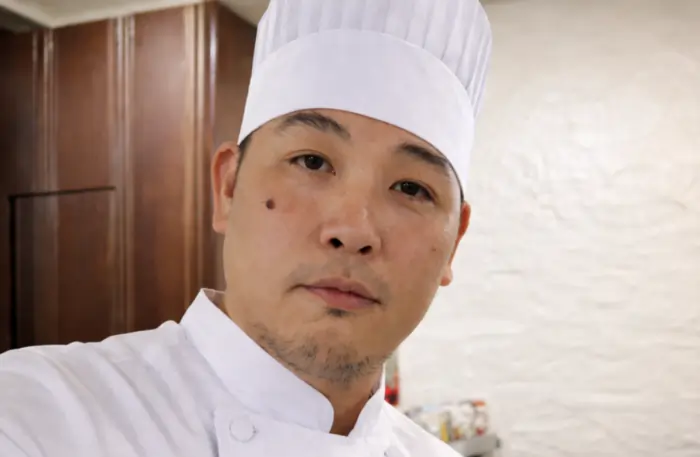
Chef Juan Gadi brings the heart of Filipino hospitality to Ubud, Bali. As an Executive Chef and consultant, he specializes in creating intimate, curated dining experiences that tell a story through every dish. Whether leading the kitchen at Kilig Filipino Warung or hosting a private villa dinner, Chef Juan’s approach is defined by warmth, modern technique, and a commitment to culinary excellence.