How Atmosphere Shapes Memorable Food Experiences Key Takeaways
The food and mood connection is well-documented: when diners feel relaxed, excited, or nostalgic, their taste buds become more sensitive and their memory encoding stronger.
- How Atmosphere Shapes Memorable Food Experiences depends on a cohesive blend of sensory elements like lighting, sound, and scent.
- Restaurant ambiance directly influences the food and mood connection , making guests more receptive to flavors and storytelling.
- Luxury dining and experiential dining design prioritize atmosphere to create emotional dining experiences that guests remember long after the last bite.
Understanding How Atmosphere Shapes Memorable Food Experiences
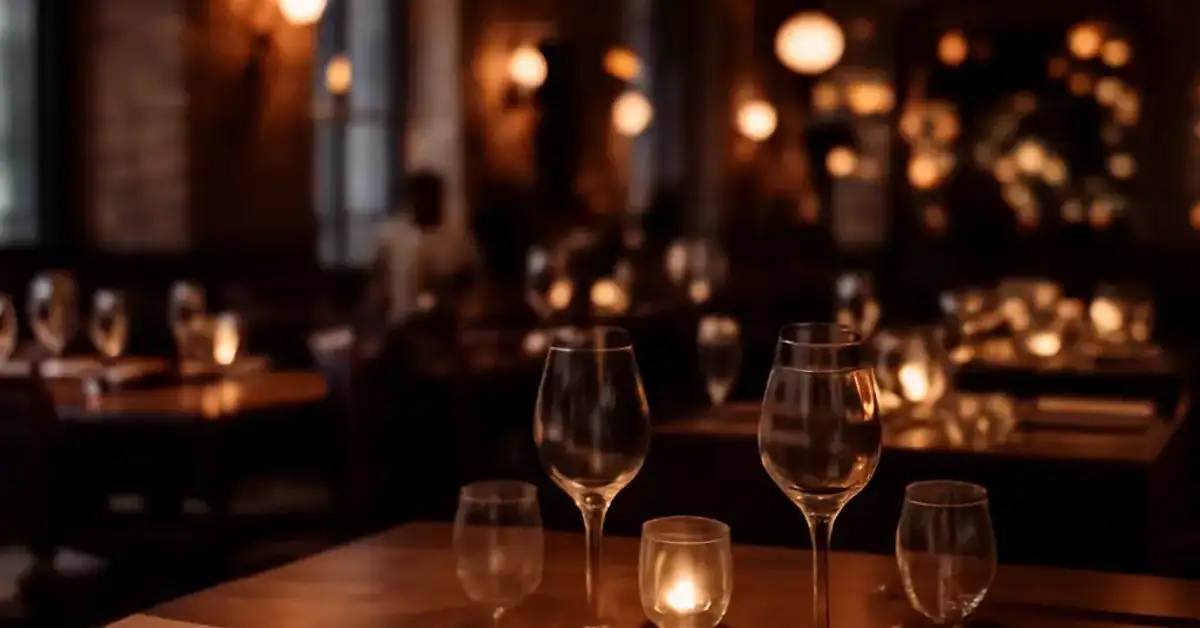
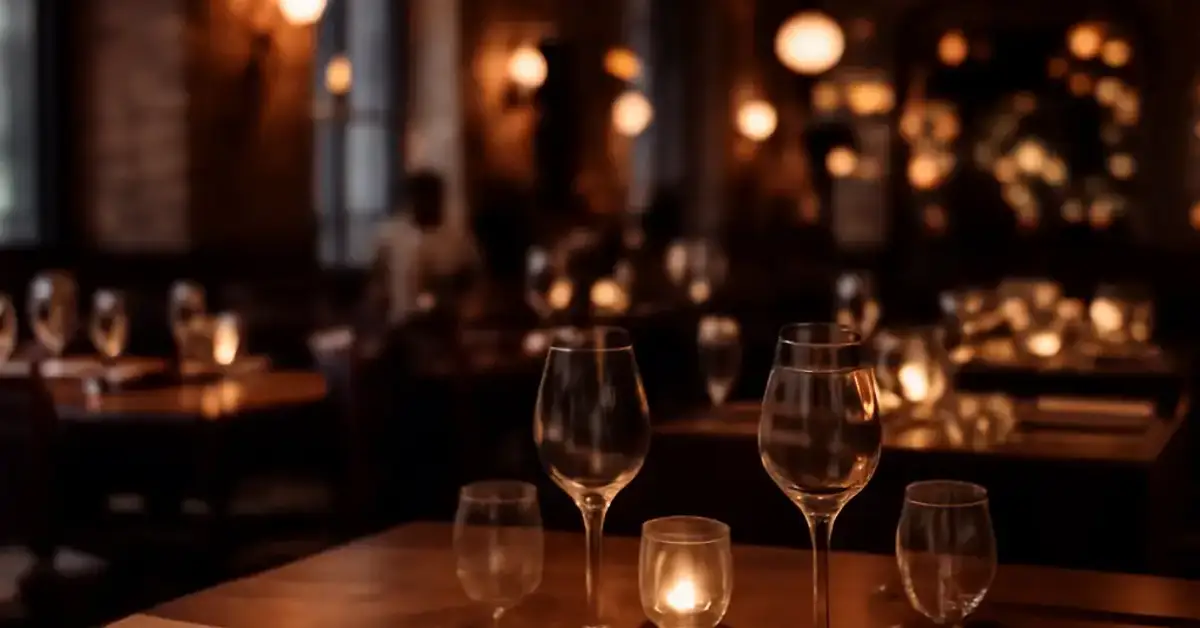
Think back to the last meal that truly stayed with you. Chances are, it wasn’t just the food itself—it was the warmth of the room, the hum of conversation at the perfect volume, the dim glow of candlelight on the tablecloth. That’s the power of dining atmosphere. Every element of the environment works together to prime your brain for pleasure, focus, and connection. For restaurant owners, chefs, and event planners, mastering how atmosphere shapes memorable food experiences is no longer optional—it’s the competitive edge that separates a forgettable dinner from a legendary one. For a related guide, see How Dining Experiences Become Lasting Travel Memories.
Why Ambiance Matters More Than You Think
Restaurant ambiance isn’t just about looking pretty. It’s a psychological tool that influences how guests perceive taste, how long they stay, how much they spend, and how likely they are to return. Research in sensory science shows that a well-designed atmosphere can make food taste saltier, sweeter, or more complex. That’s why top establishments invest heavily in culinary atmosphere design.
The Emotional Gateway to Flavor
The food and mood connection is well-documented: when diners feel relaxed, excited, or nostalgic, their taste buds become more sensitive and their memory encoding stronger. A luxury dining environment deliberately cultivates these emotional states through design, turning a meal into a sensory dining experience that feels almost theatrical. For a related guide, see The Magic of Sharing Food in Beautiful Bali Settings.
The Sensory Toolkit: Lighting, Music, Temperature, Decor, and Spatial Design
Every component of hospitality design experience contributes to the whole. Let’s break down how each element works and how you can apply them in your venue or private event.
Lighting: Setting the Emotional Tone
Soft, warm lighting signals safety and intimacy, encouraging guests to linger and connect. Harsh fluorescents trigger a stress response, making diners eat faster and leave sooner. Dimmable fixtures, candles, and accent lights on tables allow you to shift the mood from energizing at lunch to romantic at dinner. This is sensory marketing food at its most subtle—guests rarely notice the lighting, but they feel its effects deeply.
Music: The Unseen Flavor Enhancer
Music tempo and genre directly influence dining pace and taste perception. Classical or slow jazz at 60-80 BPM encourages relaxed chewing and enhances perceived richness. Upbeat tracks can make a meal feel rushed but appropriate for a casual brunch. Volume matters too—too loud, and guests strain to converse; too soft, and the room feels awkward. Many fine dining ambiance designers curate playlists that mirror the menu’s cultural origin.
Temperature: Physical Comfort Equals Mental Receptivity
A room that’s too cold makes guests huddle and rush; too warm makes them drowsy and uncomfortable. The ideal dining temperature hovers around 68-72°F (20-22°C), with slight variations depending on season and cuisine. For outdoor dining experience, patio heaters, fans, and shaded zones keep guests comfortable so they can focus on the flavors.
Decor and Texture: Visual and Tactile Storytelling
Tablecloths, flatware, wall art, and even the weight of a menu all communicate quality. Natural materials like wood and stone evoke warmth and authenticity; sleek metals and glass signal modernity and luxury. The goal is to create a world that supports the narrative of the meal. This is the essence of experiential dining design.
Spatial Design: Flow, Privacy, and Density
How tables are arranged affects the energy of the room. Tightly packed tables create buzz but reduce privacy; wider spacing allows for intimate conversation. Pathways should feel intuitive for staff and guests. Acoustic panels, curtains, and plants absorb sound, keeping the noise level pleasant. Every square foot contributes to the guest experience atmosphere.
Comparing Basic Dining Environments and Curated Immersive Spaces
A basic dining environment—neutral walls, overhead fluorescents, loud clatter from the kitchen—delivers calories but not memories. In contrast, a carefully curated space invests every detail into creating an immersive dining experience. The difference isn’t just aesthetic; it’s financial. Studies show that diners in atmospherically designed spaces rate food quality 20-30% higher and are willing to pay 15-25% more for the same dish.
| Aspect | Basic Environment | Curated Immersive Space |
|---|---|---|
| Lighting | Uniform fluorescent | Layered, dimmable, warm |
| Music | None or random radio | Curated playlist matching cuisine |
| Decor | Generic prints | Theme-consistent, tactile materials |
| Emotional impact | Minimal | Strong, memorable |
| Guest spending | Average check | 15-25% higher |
Luxury Dining, Private Events, and Travel Experiences: Where Memory Creation Rivals the Food
In luxury dining environments, the atmosphere is often the main attraction. Three-Michelin-starred restaurants like Osteria Francescana in Modena, Italy, or The French Laundry in Yountville, California, use emotional dining experience design to create a sense of occasion. Every plate is presented in a room where lighting, music, and temperature have been calibrated for that exact moment.
For private dining ambiance, hosts can personalize the space to reflect the guest of honor’s tastes—favorite colors, family photos, specific flowers. The result is an environment that feels as unique as the occasion. Wedding planners and event planners know that the ambiance often defines the event’s success more than the menu.
In the travel industry, hotels and resorts use culinary atmosphere design to differentiate their dining offerings. A cliffside dinner in Santorini, a jungle table in Bali, or a candlelit cellar in Tuscany—these experiences sell because the atmosphere is as memorable as the food. For luxury travelers, the setting is a non-negotiable part of the vacation story.
How Chefs and Designers Create Immersive Dining Atmospheres
Creating an immersive dining experience requires collaboration between chef, designer, and sometimes even a sound engineer. Here’s a look at the process.
Step 1: Define the Emotional Arc
Every meal should feel like a journey. Does it start with excitement, move to comfort, and end with delight? The atmosphere must mirror that arc—bright and lively during appetizers, softer and intimate for the main course, warm and dreamy for dessert.
Step 2: Map Sensory Touchpoints
A sensory dining experience design map lists every moment the guest interacts with the environment: entering the door, sitting down, reading the menu, waiting for food, the first bite, the interval between courses, paying the bill. Each touchpoint gets a specific atmospheric treatment.
Step 3: Prototype and Adjust
Restaurants often test lighting levels during service hours, adjusting brightness based on guest feedback and reservation size. Many high-end venues have dimmers and speakers on separate zones so they can tweak the mood for private parties or changing seasons.
Useful Resources
For a deeper look into the science of sensory dining, visit ScienceDirect’s overview of sensory marketing and the Oxford Handbook of the Psychology of Dining.
Frequently Asked Questions About How Atmosphere Shapes Memorable Food Experiences
How does atmosphere shape memorable food experiences?
Atmosphere engages multiple senses—sight, sound, touch, smell—to prime the brain for pleasure, enhance flavor perception, and encode the event as a lasting memory. A well-designed environment makes the food taste better and the occasion feel more special.
Why is ambiance important in dining experiences?
Ambiance sets the emotional tone for the meal. It influences how long guests stay, how much they enjoy their food, and how likely they are to return. A positive ambiance can increase perceived food quality and overall satisfaction.
What makes restaurant atmosphere affect taste perception?
Lighting, color, and sound influence how the brain processes taste signals. For example, warm lighting and soft music can make food seem richer and more flavorful, while harsh lighting and loud noise can dull taste sensitivity.
How do lighting and music influence food enjoyment?
Lighting affects mood and arousal levels—dim light relaxes, bright light energizes. Music tempo influences eating speed and emotional engagement. Both elements can make food seem more or less enjoyable depending on how they are used together.
Why do people remember dining atmosphere more than food itself?
Memory is tied to emotion and context. The atmosphere creates a unique sensory context that makes the experience feel distinct. People often recall the feeling of a place long before they remember specific flavors.
How does setting impact guest satisfaction in restaurants?
Setting affects comfort, perception of service, and willingness to recommend. A clean, thoughtfully designed setting signals quality and care, which increases trust and satisfaction. A neglected setting can lower satisfaction even if the food is excellent.
What role does design play in food experience?
Design orchestrates all sensory inputs—visual, auditory, tactile—to create a coherent mood. Good design makes the meal effortless and pleasurable; poor design creates friction that distracts from the food.
How do chefs and restaurants create immersive dining atmospheres?
They collaborate with designers and audio experts to map the emotional journey of the meal. They control lighting in zones, curate playlists, choose scents, and select materials that reinforce the culinary narrative.
Why is mood important in luxury dining experiences?
Luxury dining is about feeling extraordinary. A carefully managed mood—calm, exclusive, surprising—elevates the entire experience, making the high price feel justified and the memory more precious.
How does environment affect emotional dining memory?
The environment triggers emotional responses—joy, nostalgia, wonder—that help encode the event into long-term memory. Strong emotions create vivid, durable memories that guests cherish and share.
What makes outdoor dining more memorable than indoor dining?
Outdoor dining adds natural elements—fresh air, sunlight, stars, sounds of nature—that are inherently novel and calming. This novelty increases attention and emotional engagement, making the experience more distinctive and memorable.
How does sensory design improve guest experience?
Sensory design reduces cognitive load, guides attention, and creates a cohesive emotional envelope. Guests feel more comfortable, more engaged, and more satisfied when all senses are harmonized.
Why does ambiance matter in private dining events?
Private events are celebrations of relationships or milestones. Ambiance personalizes the space, signals effort and care, and makes guests feel honored. It turns a catered meal into a meaningful gathering.
How do scents and sounds affect dining experiences?
Scents trigger memories and appetite; sounds set the pace and mood. A subtle rosemary scent can evoke Mediterranean freshness, while the right background music can make guests feel relaxed and generous.
What creates a perfect atmosphere for memorable meals?
The perfect atmosphere aligns lighting, music, temperature, scent, and decor with the cuisine and the occasion. It feels intentional, not accidental, and leaves guests feeling that everything was just right.
How can small restaurants improve their atmosphere on a budget?
Focus on lighting (use dimmers and candles), control noise with rugs or plants, and choose a consistent color palette. Even small changes like changing the playlist to match the cuisine can have a big impact.
Does atmosphere affect how much guests tip?
Yes. Studies show that diners in atmospherically pleasant restaurants tip more generously because they perceive higher service quality and feel more positive emotions.
What is the most overlooked element of dining atmosphere ?
Scent is often overlooked. A musty or greasy smell can ruin a meal instantly, while a subtle signature scent—fresh bread, herbs, or a custom candle—can reinforce brand identity and comfort.
Can technology enhance dining atmosphere ?
Used wisely, yes. Projection mapping on walls, synchronized music and lighting sequences, and digital menu boards can enhance immersion without feeling gimmicky. The key is to support the human experience, not overshadow it.
How does atmosphere vary between casual and fine dining?
Casual dining atmosphere prioritizes energy, speed, and social buzz—brighter lights, louder music, communal tables. Fine dining atmosphere prioritizes intimacy, calm, and exclusivity—softer lighting, quiet music, spacious tables.
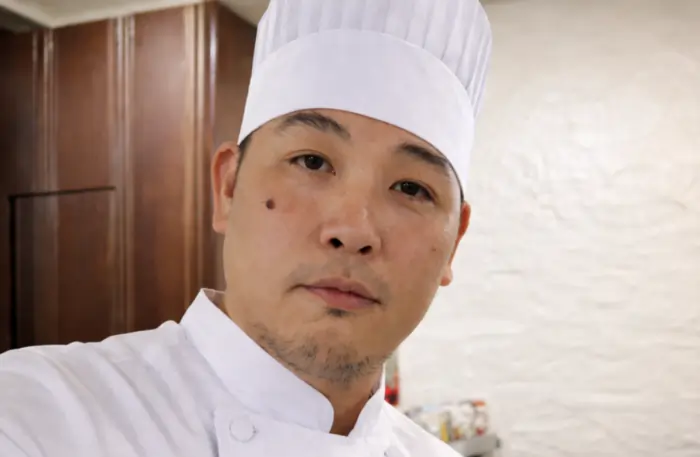
Chef Juan Gadi brings the heart of Filipino hospitality to Ubud, Bali. As an Executive Chef and consultant, he specializes in creating intimate, curated dining experiences that tell a story through every dish. Whether leading the kitchen at Kilig Filipino Warung or hosting a private villa dinner, Chef Juan’s approach is defined by warmth, modern technique, and a commitment to culinary excellence.