

Why Travelers Crave More Than Just Great Food Key Takeaways
Research from the World Food Travel Association indicates that more than 80% of travelers now consider food and drink experiences as a deciding factor in choosing a destination.
- Why travelers crave more than just great food stems from a desire for cultural connection — meals are now vehicles for storytelling, local tradition, and authenticity.
- Experiential dining travel turns a simple reservation into a highlight of the trip, often remembered longer than visiting landmarks or museums.
- From Bali’s jungle kitchens to luxury rooftop tasting menus, the travel dining experience is now a primary reason people choose destinations, book accommodations, and share their journeys.

What Readers Should Know About Why Travelers Crave More Than Just Great Food
For decades, travelers based their dining choices on convenience and hunger. A meal was fuel between activities. But the rise of culinary tourism has rewritten that rule. Now, a single dinner can define an entire vacation. The question of why travelers crave more than just great food leads directly to the heart of modern travel psychology: we are no longer satisfied with just eating — we want to feel, learn, and belong through what we eat.
Research from the World Food Travel Association indicates that more than 80% of travelers now consider food and drink experiences as a deciding factor in choosing a destination. This is not about tasting a famous dish. It is about immersive dining experiences that weave together the local landscape, the hands that prepared the meal, and the stories behind each ingredient.
Couples honeymooning in Bali, for example, rarely remember the buffet breakfast at their resort. But they do remember the night they sat on a bamboo platform overlooking rice terraces, eating a meal cooked in banana leaves, listening to the farmer explain how his family has grown the same heirloom rice for six generations. That is the difference between nourishment and a memory.
The Shift from Basic Dining to Experiential Dining Travel
Experiential dining travel is not a luxury reserved for five-star resorts. It is a mindset that any traveler can adopt — and any hospitality professional can design. The core difference lies in intention. A basic meal solves hunger. An experiential meal engages all five senses and leaves a lasting emotional imprint.
What Defines Experiential Dining?
At its simplest, experiential dining travel means the meal itself is an experience worth traveling for. Key components include:
- Storytelling: Every dish has a narrative — from the origin of the spice to the chef’s personal journey.
- Atmosphere: The setting is carefully chosen to reflect local culture, whether a candlelit cave or a bustling street market.
- Participation: Guests might harvest ingredients, watch the cooking process, or interact with locals.
- Emotional resonance: The meal triggers feelings of wonder, gratitude, surprise, or even nostalgia.
This is why restaurant experience tourism has exploded. Travelers now look for dining that offers a sense of place rather than just a plate of food. They want to sit where locals sit, eat what locals eat, and understand why it matters.
How Atmosphere and Ambiance Elevate Travel Dining Experiences
When you ask travelers what they remember most about an unforgettable meal, they rarely describe the taste first. They talk about the light, the sounds, the smell of the air, the feel of the table. Travel dining experiences are shaped by environment just as much as by cuisine. For a related guide, see How Dining Experiences Become Lasting Travel Memories.
Consider a dinner on the beaches of Uluwatu. The taste of grilled fish is certainly part of the memory, but the sound of the waves, the salt breeze, the sight of torches flickering against the dark ocean — those elements transform a meal into a sensory travel experience. The atmosphere becomes part of the flavor. For a related guide, see How Atmosphere Shapes Memorable Food Experiences.
Why Ambiance Matters More Than You Think
Neuroscience explains part of this phenomenon. The brain encodes memories more strongly when multiple senses are engaged simultaneously. A meal that combines taste, unique visual aesthetics, and emotional context creates a richer memory trace. That is why destination dining experience planners spend as much time on lighting and music as on the menu.
For luxury travel dining, this principle is taken to an art form. Private dining in a centuries-old Balinese temple, under a canopy of frangipani, with gamelan music playing softly in the distance — that is not just dinner. It is a narrative that the traveler will recount for years.
The Role of Culture in Immersive Dining Experiences
Cultural food experience is at the core of why travelers crave more than just great food. When people visit a new country, they are not just tourists — they are temporary residents of that culture. Food is the most direct and intimate way to understand a place’s history, values, and daily rhythms.
In Bali, dining is inseparable from spirituality and community. A traditional lawar dish made for a temple ceremony is not merely a recipe; it is a ritual. Tourists who participate in a Balinese cooking class learn not just how to chop spices, but why certain ingredients are considered sacred. This kind of food and culture travel creates a bridge between visitor and host that no museum exhibit can replicate.
Similarly, in Italy, a pasta-making class in a farmhouse kitchen connects travelers to grandmothers who have passed down techniques for a hundred years. In Mexico, a mezcal tasting in Oaxaca becomes a lesson in agave cultivation and indigenous tradition. These experiences turn a meal into a cultural immersion.
Emotional Storytelling and Travel Food Memories
Travel food memories are among the most enduring souvenirs a person can bring home. They are deeply personal but universally understood. A bite of sate lilit can instantly transport a traveler back to a specific evening in Sanur — the breeze, the laughter of new friends, the feeling of discovery.
Restaurants that master emotional storytelling intentionally design these triggers. The chef comes to the table to explain how the dish evolved from a grandmother’s recipe. The server shares a myth about the volcano visible through the window. The music is chosen to evoke a particular era or mood. These layers create immersive dining experiences that go beyond what is on the plate.
Why Emotional Connection Matters
Travel is ultimately about transformation. People travel to feel something new — awe, connection, serenity, joy. A meal that delivers an emotional story becomes part of that transformation. That is why experiential tourism increasingly revolves around food. It is not just about eating well; it is about feeling deeply.
Shared Meals and Social Interaction in Travel
Few things intensify a travel experience like sharing a meal with others. Restaurant experience tourism often succeeds by fostering social connections — between travelers, between locals and visitors, and within groups of friends or family.
Long communal tables, family-style service, and dining in small groups encourage conversation. In Bali, many experiential venues seat guests around a shared hearth where a chef prepares dishes while telling stories. Strangers become friends over a shared appreciation for a perfectly grilled fish or a surprising spice blend.
For couples and honeymooners, a shared meal in an unforgettable setting becomes a touchstone moment in their relationship story. For solo digital nomads, joining a food tour or a cooking class is a way to build instant community. The social dimension of travel dining experiences is often the element that separates a forgettable lunch from a trip-defining memory.
Comparing Basic Dining with Experiential Dining: A Practical Table
| Aspect | Basic Dining (Nourishment) | Experiential Dining (Memory) |
|---|---|---|
| Primary goal | Satisfy hunger quickly | Create a lasting impression |
| Atmosphere | Functional, neutral | Curated, evocative, culturally relevant |
| Menu | Standardized, familiar | Local, seasonal, story-driven |
| Service | Efficient, transactional | Personal, warm, narrative-rich |
| Social element | Minimal interaction | Intentional connection, shared moments |
| Memory retention | Low — forgotten quickly | High — recalled with emotion |
| Photogenic value | Low | High — shareable on social media |
| Price perception | Cost | Investment in an experience |
This comparison clarifies why food tourism experience is now a dominant trend. Travelers are willing to pay more for a meal that delivers emotional and cultural value. They are not just buying food; they are buying a story, a setting, and a memory.
Why Food Tourism Is a Key Part of Global Travel Trends
The global culinary tourism market is growing at over 15% annually. Destinations like Bali, Tuscany, Tokyo, and Mexico City have built entire tourism identities around food. The question of why travelers crave more than just great food is now answered by market data: food ranks among the top three motivators for choosing a vacation destination.
This trend is especially visible in Bali, where gourmet travel experience offerings range from jungle bamboo restaurants to heritage cooking schools in Ubud to multi-course tasting menus overlooking the sea. Hospitality businesses that embrace this shift see higher guest satisfaction, better reviews, and greater return visits.
For hospitality clients, event planners, and food enthusiasts, understanding this trend is essential. Designing a destination dining experience that integrates local culture, visual beauty, and emotional depth is no longer optional — it is what modern travelers expect.
How Restaurants Create Memorable Experiences for Travelers
Creating a memorable dining experience for travelers requires intention across multiple dimensions. Here are the key strategies successful venues use:
1. Develop a Strong Sense of Place
The restaurant should feel like a natural extension of its location. Use local materials, art, and architectural styles. Serve dishes that highlight regional ingredients and traditions. When diners feel the authenticity of the setting, their travel dining experiences deepen.
2. Train Staff as Storytellers
Servers and chefs who can share the story behind a dish or the history of the area add a layer of meaning to every course. This transforms a meal into a cultural food experience that educates and delights.
3. Engage All Five Senses
Think beyond taste. How does the room smell? What does the music sound like? Can diners touch the textures of the table setting? A sensory travel experience engages sight, sound, smell, touch, and taste together.
4. Facilitate Social Connection
Design spaces that encourage interaction — communal tables, open kitchens, shared platters. Host events like cooking classes or chef’s table dinners. Restaurant experience tourism thrives on moments of human connection.
5. Photograph the Journey
Travelers love to document their meals. Provide beautiful plating, interesting tableware, and good lighting. A photogenic dish that tells a story will be shared widely, amplifying the hospitality travel experience to future guests.
Useful Resources
For further reading on how food shapes modern travel, explore these resources:
- World Food Travel Association — The leading authority on food tourism research, providing data on traveler behavior and destination trends.
- Lonely Planet Bali Restaurant Guide — A curated guide to experiential dining in Bali, from warungs to fine dining.
Frequently Asked Questions About Why Travelers Crave More Than Just Great Food
Why do travelers crave more than just great food?
Travelers today seek meaningful experiences that connect them to local culture and create lasting memories. Great food is just one element of a broader experiential dining travel journey that includes atmosphere, storytelling, and social connection.
What makes dining experiences more important than taste for travelers?
Because taste alone is fleeting, while a full travel dining experience that includes ambiance, story, and emotional resonance becomes a vivid memory that travelers cherish and share for years.
How does atmosphere influence travel dining satisfaction?
Atmosphere sets the emotional tone of a meal. A stunning view, thoughtful lighting, and culturally authentic decor make diners feel immersed in the destination, elevating their overall destination dining experience.
Why do tourists seek unique food experiences instead of just good meals?
Unique food tourism experiences offer novelty, discovery, and a sense of authenticity. Travelers want to eat dishes they can’t find at home and participate in rituals that reveal local identity.
What role does culture play in travel dining experiences ?
Culture gives food its context and meaning. A cultural food experience helps travelers understand local traditions, values, and history through the intimate lens of shared meals.
How do emotional experiences shape food tourism?
Emotionally engaging meals create stronger memories. Immersive dining experiences that spark wonder, gratitude, or connection become the highlight of a trip and drive repeat visits.
Why is storytelling important in travel dining?
Stories give dishes a soul. When chefs and servers share the narrative behind a recipe or ingredient, it transforms a meal into a food and culture travel moment that feels personal and meaningful.
What makes curated dining experiences more appealing to travelers?
Curated experiences remove guesswork and deliver intentional magic. A well-designed gourmet travel experience ensures every detail — from music to plating — works together to create an unforgettable evening.
How do shared meals enhance travel experiences?
Shared meals foster connection and conversation. Whether with new friends or loved ones, dining together creates a communal sensory travel experience that strengthens bonds and deepens enjoyment.
Why do travelers remember dining settings more than dishes?
Settings engage multiple senses and create a strong contextual frame. The brain encodes where and how you ate more vividly than what you ate, making travel food memories location-driven.
How does local culture influence food expectations during travel?
Travelers arrive with anticipation for authentic local flavors. A cultural food experience that delivers on those expectations — using traditional techniques and ingredients — builds trust and satisfaction.
What makes luxury dining experiences attractive to tourists?
Luxury dining offers exclusivity, personalized service, and extraordinary settings. Luxury travel dining is attractive because it combines world-class cuisine with rare, memorable environments.
How does ambiance impact travel memories?
Ambiance creates the emotional color of a memory. A meal with soft lighting and ocean sounds will be recalled as serene, while a lively market stall meal will be remembered for its vibrant energy.
Why is experiential dining important in tourism?
Experiential dining differentiates a destination and gives travelers a reason to visit beyond landmarks. It supports local economies, celebrates culture, and creates restaurant experience tourism that drives bookings.
How do restaurants create memorable experiences for travelers?
By focusing on storytelling, authentic decor, multisensory engagement, and warm hospitality. A great hospitality travel experience makes every guest feel welcome and every meal feel like an event.
What is the difference between food tourism and regular dining?
Food tourism prioritizes the experience around the meal — culture, learning, and social interaction — while regular dining focuses on convenience and taste. Culinary tourism is intentional and experience-driven.
How can I plan an experiential dining trip to Bali?
Research local cooking classes, heritage restaurants, and community dining events. Choose venues that highlight Balinese ingredients and traditions. Book a guided food tour for deeper food and culture travel insights.
Are experiential dining experiences expensive?
They range from affordable street food tours to high-end tasting menus. The value lies in the memory and cultural insight, not the price. Experiential tourism offers options for every budget.
Why is Bali a top destination for food tourism?
Bali offers rich culinary traditions, stunning natural settings, and a hospitality culture that values warmth and ritual. It is a perfect example of how destination dining experience drives tourism growth.
What should I look for in a travel dining experience?
Look for authenticity, local ingredients, a compelling atmosphere, and opportunities to learn or connect. The best travel dining experiences leave you feeling enriched, not just full.
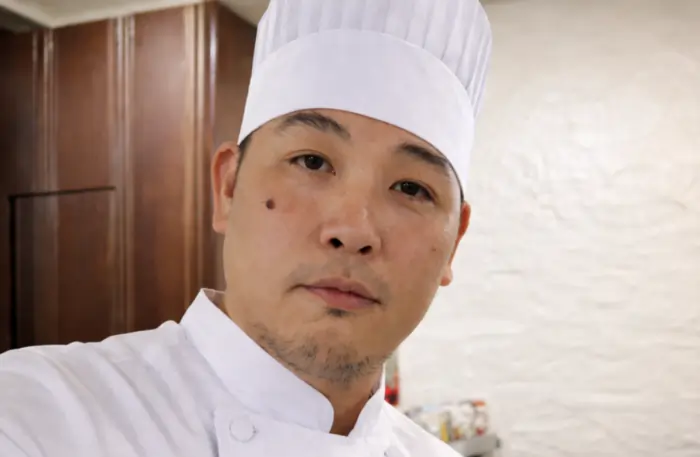
Chef Juan Gadi brings the heart of Filipino hospitality to Ubud, Bali. As an Executive Chef and consultant, he specializes in creating intimate, curated dining experiences that tell a story through every dish. Whether leading the kitchen at Kilig Filipino Warung or hosting a private villa dinner, Chef Juan’s approach is defined by warmth, modern technique, and a commitment to culinary excellence.