
Beauty of Slow Dining in Tropical Bali Key Takeaways
Slow dining in Bali is more than a meal — it is a deliberate practice that transforms eating into a meditative, sensory-rich experience.
- Beauty of Slow Dining in Tropical Bali lies in its ability to turn a simple dinner into an emotional anchor for your entire vacation.
- Private chefs and curated menus use intentional pacing to heighten flavors, encourage mindfulness, and deepen appreciation.
- Bali’s natural setting — tropical gardens, private pools, serene beaches — provides an ideal backdrop for unhurried, intimate meals.
The Beauty of Slow Dining in Tropical Bali: An Unhurried Awakening of the Senses
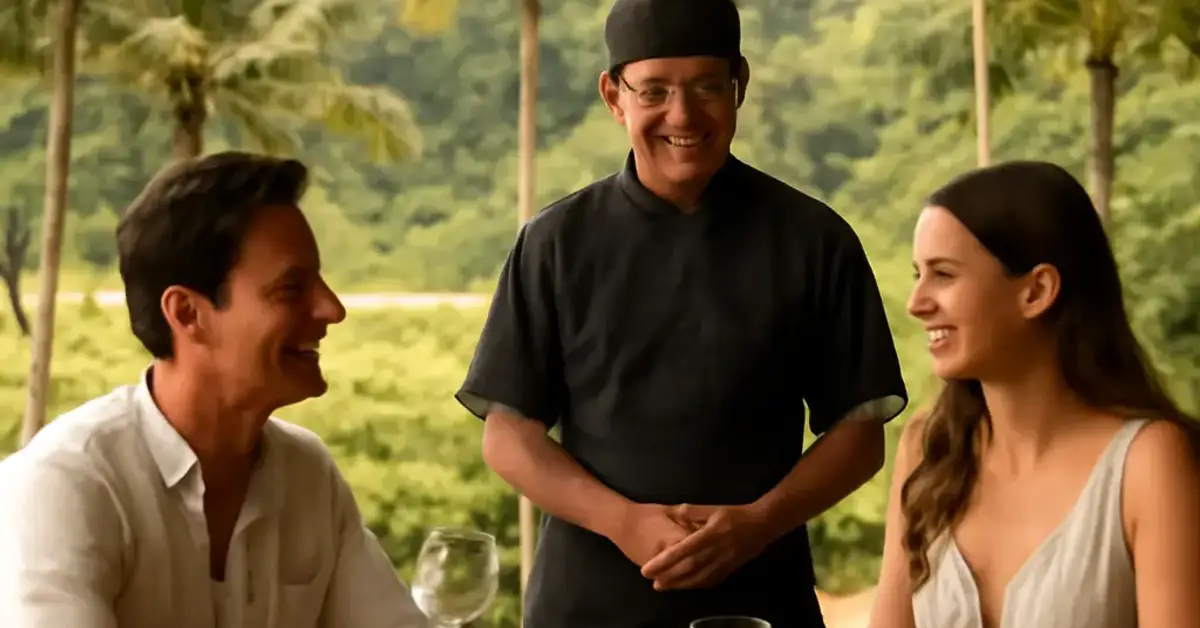
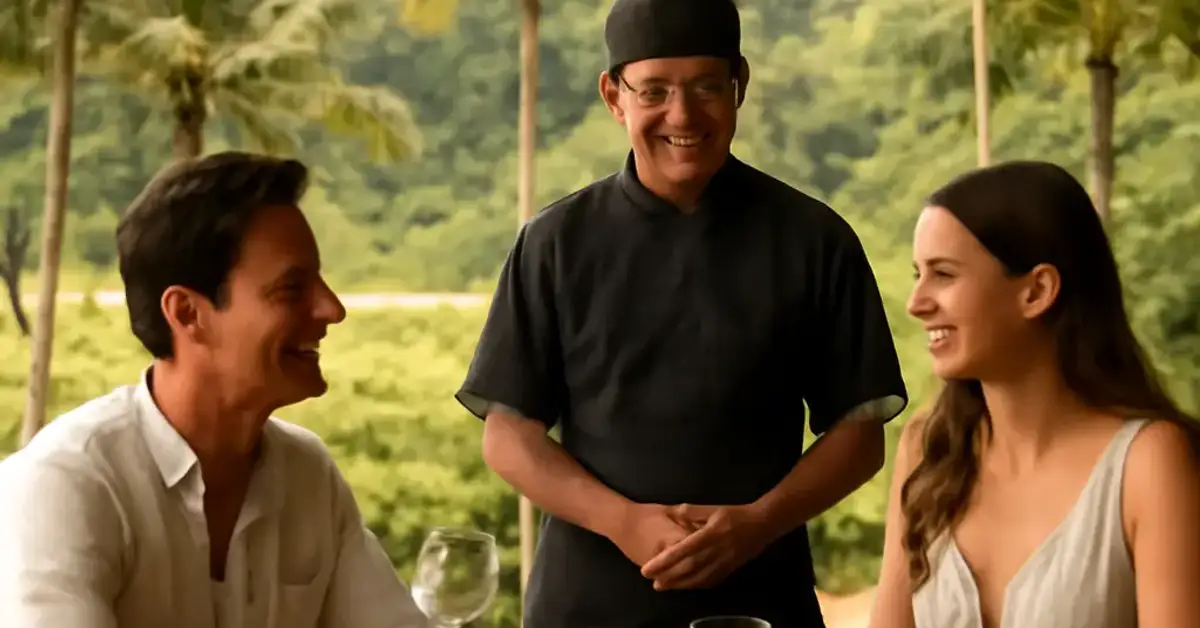
Imagine yourself seated at a candlelit table on a wooden deck overlooking the Indian Ocean. The air carries the scent of frangipani and salt. A private chef places a plate of grilled local snapper with turmeric sauce in front of you — and no one rushes you to finish. This is the beauty of slow dining in tropical Bali: an invitation to pause, taste, and feel again. Unlike the hurried meals of city life, slow dining honors the rhythm of nature and the art of presence. It is a key reason why Bali has become a sanctuary for those seeking deeper emotional connection through food.
What Makes Slow Dining in Tropical Bali So Special
Bali’s magic is not only in its temples and waterfalls — it lives in its ability to slow down time. A slow dining experience here is never accidental; it is shaped by the environment, the culture, and the deliberate choices of hosts who prioritize guest well-being over table turnover.
A Natural Stage for Mindfulness
When you eat outdoors in Bali — surrounded by swaying palms, the sound of geckos, and the soft glow of lanterns — your brain naturally shifts into a more relaxed state. This setting encourages mindful eating travel, where each bite is savored without the distraction of phones or schedules. Many luxury villas now design dining spaces specifically for this purpose: open-sided pavilions, floating platforms above lotus ponds, or intimate tables set directly on the beach.
Culture Meets Culinary Intent
Balinese hospitality is rooted in the concept of Tri Hita Karana — harmony between people, nature, and the divine. Tropical dining Bali reflects this philosophy. Meals often begin with a blessing, include locally sourced ingredients, and unfold over several hours. This cultural foundation makes slow dining feel authentic, not forced.
How Slow Dining Enhances Mindfulness and Emotional Connection
The practice of slowing down during a meal does more than fill your stomach — it fills your spirit. Research shows that when we eat without distractions, we register flavors more intensely, recognize fullness sooner, and form stronger memories of the experience. In Bali, this principle is elevated to an art form.
Pacing as a Tool for Deeper Appreciation
A private chef serving a seven-course meal does not simply deliver dishes — they orchestrate a journey. Each course arrives after a pause, allowing time for conversation, reflection, and anticipation. This intentional gap between plates transforms a dinner into a sensory dining experience. You notice the texture of heirloom tomatoes, the acidity of a passionfruit reduction, the warmth of fresh bread.
Reducing Distractions to Heighten Joy
Many luxury villa dining experiences explicitly ask guests to leave phones inside. Without screens, the meal becomes a shared ritual. Couples look into each other’s eyes. Friends laugh freely. Solo travelers journal between courses. This absence of digital noise amplifies emotional presence — a rare gift in our always-connected world.
Bali’s Enchanting Environment as a Catalyst for Slow Dining
You cannot replicate a slow dining experience in a high-rise restaurant with artificial lighting. Bali’s environment is the secret ingredient. Whether you choose a cliffside table in Uluwatu or a floating breakfast in Ubud, the landscape dictates the pace.
Private Villas and Secluded Settings
The rise of private chef dining services has made intimate, personalized meals accessible to every traveler. Your private chef arrives with fresh ingredients from local markets, prepares the meal in your villa’s kitchen, and serves each course at your leisure. You control the timing. If you want to pause for a swim between the seafood starter and the beef main, that is perfectly normal here.
The Quiet Magic of Bali’s Beaches and Rice Terraces
Dining at sunset on a quiet beach in Canggu, with no music except the waves, is a lesson in simplicity. Equally powerful is a picnic in the middle of a rice field in Sidemen — where the only sound is the breeze through the stalks. These locations naturally encourage a relaxed dining experience because they offer nothing else to do but be present.
Private Chefs and Curated Dining: The Art of Intentional Pacing
The most memorable meals in Bali are often the ones that take four hours. Behind these experiences lies a growing industry of talented chefs who specialize in curated dining experiences. They design menus not just for flavor, but for rhythm.
Storytelling Through Courses
A skilled private chef might begin with a story about the sea salt harvested from coastal villages near Denpasar, then serve a dish that features that salt. Each course builds a narrative: local culture, seasonality, personal memory. This narrative approach deepens the emotional resonance of the meal. It turns dinner into experiential dining Bali style — where every plate is a chapter.
Customization for Personal Connection
Chefs often adjust pacing based on guest cues. If a couple is deeply engaged in conversation, the chef delays the next course. If someone is particularly enthusiastic about a wine pairing, the chef offers a second taste. This flexibility is the hallmark of luxury travel dining done right — it centers the human experience, not the clock.
Slow Dining vs. Fast Dining: Emotional Impact, Enjoyment, and Memory
To understand why slow dining feels more luxurious, compare it directly with the fast dining model common in many resorts and urban restaurants.
| Element | Fast Dining | Slow Dining in Bali |
|---|---|---|
| Pacing | Rushed by waitstaff, fixed timing | Guest-controlled, unhurried |
| Atmosphere | Bright lights, background noise | Candlelight, natural sounds |
| Emotional Outcome | Efficiency, little lasting impact | Connection, relaxation, vivid memory |
| Memory Retention | Often forgettable | Recalled vividly for years |
| Mindfulness | Distracted eating | Full presence and awareness |
The difference is stark. Fast dining prioritizes transaction; slow dining experience prioritizes transformation. When you take three hours for dinner in Bali, you are not just eating — you are absorbing the place, the people, and the flavors into your being. That is why wellness dining travel increasingly centers on slow meals as a core wellness practice.
Why Slow Dining Has Become a Cornerstone of Luxury and Wellness Travel
In an era of constant notifications and packed itineraries, the ability to slow down has become the ultimate luxury. Travelers — especially high-income couples, honeymooners, and wellness tourists — now actively seek out destinations that honor unhurried time.
The Rise of the Slow Food Movement in Travel
The slow food movement travel philosophy — which started in Italy as a protest against fast food — has found a natural home in Bali. Here, the movement goes beyond anti-fast-food sentiment; it is a holistic approach that values local producers, traditional cooking methods, and communal eating. Many villas now partner with organic farms in Bedugul or fishermen in Jimbaran to source ingredients that tell a story.
Mindful Food Experience as a Wellness Offering
Wellness retreats in Ubud and Sanur include mindful eating workshops where guests learn to eat without judgment, focusing on taste and sensation rather than calories or guilt. These sessions often take place in open-air bales with views of the forest. The mindful food experience becomes a tool for emotional regulation and stress reduction — especially valuable for travelers seeking inner peace.
Intimate Dining Bali for Couples and Honeymooners
Nothing says romance like a private dinner on a villa terrace, surrounded by candles and the scent of jasmine. Intimate dining Bali experiences are designed for two: in-villa chefs, personalized menus, and zero interruptions. Couples report that these slow meals strengthen their bond because they talk more, laugh more, and remember more. For a related guide, see The Beauty of Intimate Wedding Dining in Bali.
How to Plan Your Own Slow Dining Experience in Bali
Ready to immerse yourself in the beauty of slow dining in tropical Bali? Here are practical steps to ensure your trip includes this transformative practice.
Step 1: Choose the Right Accommodation
Opt for a private villa with a dedicated dining area outdoors. Properties in Seminyak, Ubud, Jimbaran, and Canggu often offer beachfront or garden settings perfect for long meals. Book a villa that includes a private chef option.
Step 2: Communicate Your Preferences
Tell your villa manager or chef what kind of experience you want. Do you prefer seafood, vegetarian, or traditional Balinese? Do you want wine pairings, cooking demonstrations, or cultural stories between courses? The more specific you are, the more curated your meal will be.
Step 3: Leave Room in Your Schedule
Do not book anything immediately after a slow dinner. Plan to stay at the table for at least two to three hours. Allow time for coffee, dessert, and quiet conversation under the stars.
Step 4: Embrace the Local Ingredients
Ask your chef to incorporate Balinese specialties like bebek betutu (slow-cooked duck), lawar (spiced minced meat), or fresh tropical fruits. These ingredients are central to the tropical food experience and connect you directly to the land.
Common Mistakes to Avoid
- Rushing to catch a sunset — slow dining is about the whole evening, not just one moment.
- Skipping the pre-dinner cocktail or tea ritual — it sets the tone for unhurried enjoyment.
- Letting your phone interrupt — give yourself permission to disconnect fully.
Useful Resources
To plan your own slow dining journey in Bali, explore the curated experiences offered by travel forums discussing Bali slow dining, and learn about the global slow food movement from its official website at Slow Food International.
Slow dining in Bali is not a trend — it is a return to what eating has always been: a sacred, shared act of nourishment. When you slow down, you remember not just the taste of the food, but the warmth of the evening, the sound of the waves, and the feeling of being truly present. That is the enduring beauty of slow dining in tropical Bali.
Frequently Asked Questions About Beauty of Slow Dining in Tropical Bali
What makes slow dining in tropical Bali special?
The combination of Bali’s natural beauty, cultural hospitality, and personalized service creates an unhurried atmosphere that deepens emotional connection and enjoyment during meals. For a related guide, see Why Romantic Dinners Feel More Special in Bali.
Why do travelers prefer slow dining experiences in Bali?
Travelers seek slow dining in Bali to escape the fast pace of modern life, reconnect with their senses, and create lasting memories through intentional, distraction-free meals.
How does slow dining improve vacation experiences?
It transforms meals into moments of mindfulness and connection, reducing stress and increasing the emotional richness of the trip. Guests leave feeling nourished, not just fed.
What is the concept of slow dining in luxury travel?
In luxury travel, slow dining is a deliberate practice where meals are paced to allow guests to savor flavors, engage in conversation, and fully appreciate the environment without time pressure.
How does Bali’s environment enhance slow dining culture?
Bali’s open-air villas, tropical gardens, ocean views, and serene rice terraces naturally slow down the pace, making it easy for guests to relax and be present during meals.
Why is mindful eating popular in tropical destinations?
Tropical destinations like Bali offer sensory richness — sounds, scents, sights — that complement mindful eating. The environment itself encourages a slower, more attentive approach to food.
What role does atmosphere play in slow dining experiences?
Atmosphere is foundational. Candlelight, natural breezes, water features, and privacy help guests unwind, allowing the meal to become a multisensory event rather than a routine task.
How do private chefs create slow dining experiences in Bali?
Private chefs design multi-course menus with intentional pauses between servings, incorporate local storytelling, and adjust timing based on guest engagement, ensuring a personalized and unhurried flow.
Why does slow dining feel more luxurious than fast dining?
Slow dining signals that your time and enjoyment are valued above table turnover. The space between courses, the attention to detail, and the lack of pressure create a sense of abundance and care.
How does slow dining improve emotional connection during meals?
Without the distraction of phones or rush, conversation deepens. Couples and friends report feeling more present and connected, sharing stories and laughter that strengthen their bond.
What foods are best suited for slow dining experiences?
Dishes that reveal layered flavors over time — such as slow-braised meats, fresh seafood with complex spice blends, and delicate desserts — work beautifully. Balinese cuisine is ideal.
How does slow dining affect travel memories?
Slower meals create stronger, more detailed memories because they engage multiple senses and emotions. Travelers often recall specific dishes, smells, and conversations years later.
Why do couples enjoy slow dining on Bali vacations?
Couples value the intimate, uninterrupted time that slow dining affords. It feels like a shared ritual that celebrates their relationship and the beauty of the destination together.
How does time and pacing influence dining satisfaction?
Pacing allows guests to anticipate each course, digest both food and emotion, and avoid the discomfort of rushing. Satisfaction rises when the meal feels like a complete experience rather than a transaction.
What makes tropical settings ideal for slow dining experiences?
Tropical settings naturally slow you down with warm air, gentle breezes, and natural beauty. They invite you to linger, breathe, and immerse yourself in the present moment — perfect for slow dining.
How is slow dining different from regular dining in a restaurant?
Regular dining often follows a fixed timeline set by the restaurant. Slow dining in Bali is led by the guest’s mood and preferences, with no pressure to finish courses quickly or vacate the table.
Can solo travelers enjoy slow dining in Bali?
Absolutely. Solo travelers find slow dining a powerful way to practice mindfulness, journal, or simply absorb the setting. Many private chefs offer customized single-guest experiences.
What is the best time of day for a slow dining experience in Bali?
Sunset dinners are iconic, but long breakfasts on a villa terrace or midday picnics in rice fields also offer unique beauty. Choose the time that matches your preferred atmosphere.
Is slow dining expensive in Bali?
Prices vary. A private chef experience in a luxury villa can range from moderate to premium, but many affordable options exist. The value lies in the quality of the experience, not just the food.
How can I find a private chef for slow dining in Bali?
Many villa rental companies offer private chef packages. You can also search online platforms, read guest reviews, or ask your accommodation concierge for trusted recommendations.
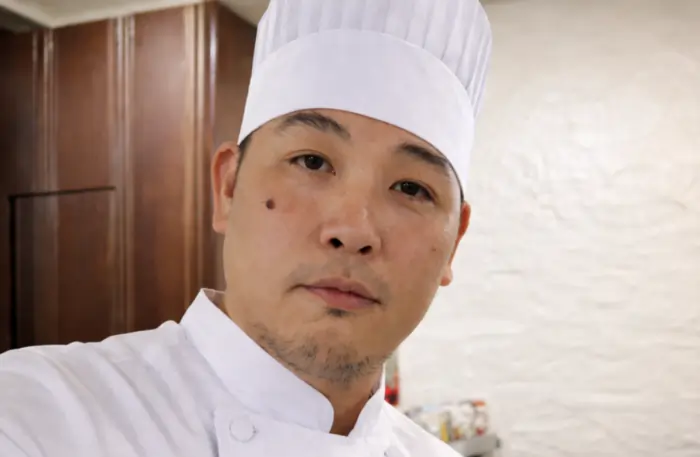
Chef Juan Gadi brings the heart of Filipino hospitality to Ubud, Bali. As an Executive Chef and consultant, he specializes in creating intimate, curated dining experiences that tell a story through every dish. Whether leading the kitchen at Kilig Filipino Warung or hosting a private villa dinner, Chef Juan’s approach is defined by warmth, modern technique, and a commitment to culinary excellence.