

Meaningful Meals Bring People Closer Together Key Takeaways
Sitting across from someone at a table, with a warm plate between you, creates an environment that encourages dialogue.
- Meaningful meals bring people closer together by creating shared emotional experiences that foster trust and empathy.
- A shared dining experience encourages unhurried conversation and storytelling, which strengthens relationships across families, friends, and communities.
- Cultural traditions and hospitality practices around food reinforce a sense of belonging, comfort, and unity.

What Makes a Meal Meaningful? The Emotional Core of Meaningful Meals Bring People Closer Together
A plate of food can feed the body, but a meaningful meal feeds the soul. The difference lies in intention, presence, and the emotional atmosphere surrounding the table. When you sit down with others and truly engage—without phones, without rushing—you transform eating into a shared dining experience that builds connection. Psychologists studying social behavior note that food and relationships are deeply intertwined; the act of sharing nourishment taps into primal feelings of safety and community.
Think about your most vivid dinner memories. Chances are, they involve laughter, a story shared, or a moment of vulnerability. That is the power of an emotional dining experience. It turns a meal into a ritual that says, “You matter.” This is why meaningful meals bring people closer together in ways that a solo lunch never can.
The Difference Between Eating and Dining
Eating is functional; dining is relational. Functional eating happens when you grab a sandwich at your desk or scarf down a bowl of cereal before a meeting. In contrast, a meaningful meal involves choice, effort, and presence. You intentionally select ingredients, set the table, and invite others to share the moment. This deliberate act signals care and respect, which is the foundation of relationship building through food.
How Shared Dining Experience Naturally Fosters Conversation and Storytelling
Sitting across from someone at a table, with a warm plate between you, creates an environment that encourages dialogue. Unlike a movie theater or a concert, a meal offers natural pauses—chewing, sipping, passing the salt—that give people space to think and respond. A social dining connection thrives in these moments because the food acts as a neutral ground. For couples, friends, or corporate teams, the question “How is the dish?” can lead to deeper topics: a memory from a trip, a family recipe, or a dream for the future. For a related guide, see Why Intimate Dining Creates More Meaningful Memories.
In many cultures, communal eating culture revolves around large platters and shared bowls. When everyone reaches into the same dish, it breaks down barriers. You cannot help but interact, laugh, and learn about each other. This is why dining together benefits extend far beyond nutrition—they build empathy and understanding.
Cultural Traditions and Hospitality: The Foundation of Family Bonding Meals
Every culture has rituals around food: the Italian Sunday sauce that simmers all day, the Japanese tea ceremony, the Balinese offerings of rice and flowers. These cultural food traditions are not just about flavor; they are about connection. When you participate in a tradition—whether hosting a holiday feast or breaking bread with strangers in a foreign home—you are part of something larger than yourself. This emotional hospitality experience says, “You belong here.”
For families, the nightly dinner table is a stage for family bonding meals. It is where children learn to listen, parents share values, and everyone checks in with each other. Studies show that families who eat together regularly have stronger communication and a greater sense of unity. The simple act of passing a bowl of pasta can become a thread that weaves a family closer.
Hospitality and Connection: The Art of Receiving
When you are a guest at someone’s table, you feel seen. The host has thought about what you might like, prepared a space for you, and given you their time. That hospitality and connection is a gift. It creates a safe emotional environment where people feel comfortable opening up. Whether you are a traveler in Bali sharing a meal with a local family or a wedding guest at a seated dinner, the feeling of welcome is universal. For a related guide, see Why Romantic Dinners Feel More Special in Bali.
Why Dining Together Creates Stronger, Lasting Memories
Neuroscience offers a clear answer: our brains encode events more deeply when multiple senses are engaged. A food and memory connection is powerful because a meal involves taste, smell, touch, sight, and sound—all wrapped in social interaction. The laughter, the clinking glasses, the aroma of garlic—these sensory cues anchor the memory. That is why you can recall a specific birthday dinner from ten years ago but forget what you ate last Tuesday.
Group dining benefits include the formation of shared memories that strengthen group identity. Work teams that dine together bond more effectively; couples who share a memorable meal recount it years later as a milestone. Social bonding meals are thus a form of relationship insurance—they deposit positive moments into your emotional bank account.
Functional Eating vs. Meaningful Meals: A Comparison
Understanding the difference can help you choose connection over convenience when it matters. Below is a comparison table highlighting the key contrasts:
| Aspect | Functional Eating | Meaningful Meal |
|---|---|---|
| Intent | Quick fuel, caloric intake | Connection, enjoyment, ritual |
| Atmosphere | Distracted (desk, car, TV) | Focused (table, conversation, no screens) |
| Duration | Under 10 minutes | 30+ minutes, unhurried |
| Social interaction | Minimal or none | Active listening, storytelling, laughter |
| Emotional outcome | Indifference or low satisfaction | Feeling of closeness, gratitude, joy |
| Memory retention | Quickly forgotten | Strong, lasting positive memory |
As the table shows, meaningful meals bring people closer together because they prioritize emotional value over efficiency. By choosing the right side of this table, you actively invest in your relationships.
Why Meals Are Considered One of the Most Powerful Social Rituals
Anthropologists consider communal eating a universal human behavior. It builds trust, empathy, and long-lasting relationships because it activates the brain’s reward system. When we share food, we release oxytocin—the “bonding hormone.” This biological response explains why social bonding meals feel so good and why we instinctively trust people we have dined with.
For hospitality professionals, event planners, and corporate teams, recognizing this principle is key. A well-structured dinner can transform a group of strangers into a cohesive team. For luxury travelers and Bali visitors, joining a local cooking class or communal dining experience is more than a bucket-list activity—it is a doorway to genuine human connection.
Practical Steps to Create More Meaningful Meals in Your Life
1. Set the Stage with Intention
Light a candle, put away phones, and choose music that invites conversation. Small efforts signal that this time matters.
2. Cook Together
Involving everyone in preparation breaks the ice. Chopping vegetables or stirring a sauce becomes a shared goal that builds teamwork before you even sit down.
3. Share Stories, Not Just Food
Ask open-ended questions: “What made you smile today?” or “What is a food memory you treasure?” These prompts turn a meal into a storytelling circle.
4. Embrace Cultural Variations
Try a new cuisine or a tradition from another culture. The novelty sparks curiosity and deepens the communal eating culture experience.
Useful Resources
For further reading on the science of food and relationships, explore these credible sources:
- Psychology Today: Food and Eating – Insights on how food choices affect mood and social bonds.
- NCBI Study on Family Meals and Adolescent Well-being – Academic research on the benefits of shared family dining.
Frequently Asked Questions About Meaningful Meals Bring People Closer Together
Frequently Asked Questions About Meaningful Meals Bring People Closer Together
How do meaningful meals bring people closer together ?
By creating a shared emotional experience where conversation, storytelling, and mutual enjoyment naturally occur, deepening trust and connection.
Why does sharing food strengthen relationships?
Sharing food activates bonding hormones like oxytocin and signals trust and generosity, reinforcing social ties.
What makes meals emotionally meaningful?
Presence, intention, and the quality of interaction—not the complexity of the dish. Laughter, vulnerability, and shared attention elevate a meal.
How does dining together improve family bonding?
Regular family meals provide a consistent space for communication, role modeling, and emotional check-ins, which strengthens the family unit.
Why are shared meals important for social connection?
They break down barriers, encourage dialogue, and create a sense of belonging that solitary eating cannot achieve.
How does conversation during meals build relationships?
Unhurried conversation allows people to share experiences, listen actively, and find common ground, which fosters empathy and understanding.
What role does food play in emotional bonding?
Food acts as a sensory anchor for positive emotions and memories, and the act of preparing or sharing food shows care and generosity.
Why do people feel closer after eating together?
The combination of shared vulnerability, sensory pleasure, and social interaction triggers neural bonding mechanisms that increase closeness.
How do cultural traditions influence meaningful meals ?
They provide structure, meaning, and a sense of continuity, making the meal feel part of something larger than the individuals involved.
What makes a dinner experience more meaningful than just eating?
Meaningful dining involves deliberate presence, conversation, and emotional engagement, while eating is simply consuming food for fuel.
How do shared meals improve friendships and family ties?
They create a routine of togetherness where memories are formed, conflicts can be softened, and affection is expressed nonverbally.
Why is food considered a universal language?
Every human eats, and sharing a meal transcends spoken language, allowing connection through taste, texture, and generosity.
How does hospitality enhance meaningful meals ?
Thoughtful hospitality makes guests feel valued and safe, which lowers defenses and opens the door to authentic connection.
What makes group dining emotionally impactful?
The collective energy of a group sharing food and stories amplifies emotions and reinforces a sense of community belonging.
How do shared meals create lasting memories?
Multiple senses are engaged simultaneously (smell, taste, sight, social interaction), which helps the brain encode the event with stronger emotional resonance.
Can a simple meal be considered meaningful?
Absolutely. A bowl of soup shared with a friend can be profoundly meaningful if both people are present, listening, and engaged.
How can introverts benefit from meaningful meals ?
Shared meals offer a structured, low-pressure environment for introverts to connect without the intensity of a loud party or activity.
What is the ideal length for a meaningful meal?
Between 45 minutes and 2 hours. Enough time to move from surface conversation to deeper topics, but not so long that people feel trapped.
Does the type of food matter for meaningful dining?
Less than the effort and presentation. Home-cooked food or a thoughtfully chosen restaurant both signal care, which is what matters most.
How can businesses use meaningful meals for team building?
Regular team lunches or dinners with no agenda foster interpersonal trust, reduce silos, and improve collaboration.
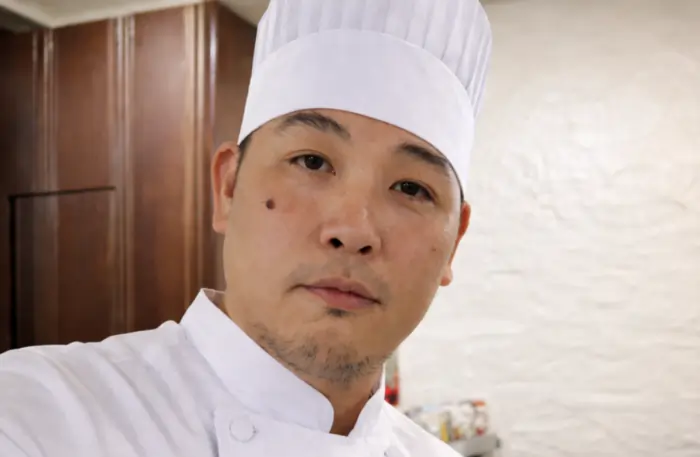
Chef Juan Gadi brings the heart of Filipino hospitality to Ubud, Bali. As an Executive Chef and consultant, he specializes in creating intimate, curated dining experiences that tell a story through every dish. Whether leading the kitchen at Kilig Filipino Warung or hosting a private villa dinner, Chef Juan’s approach is defined by warmth, modern technique, and a commitment to culinary excellence.