Filipino Food Traditions Key Takeaways
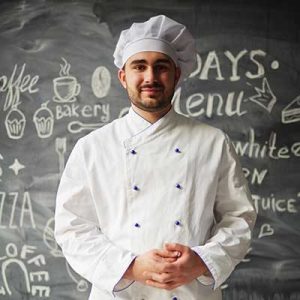
As an Executive Chef and consultant based in Ubud, Bali, I’ve dedicated my career to sharing the heart of Filipino hospitality through curated dining experiences.
- Every traveler should know that Filipino food traditions are rooted in Filipino hospitality , where no guest leaves the table hungry.
- Filipino family meals are communal events that reflect the nation’s deep value for connection and sharing.
- Fiesta food traditions and Filipino celebrations food showcase the country’s diverse Philippine culinary heritage .
Why Understanding Filipino Food Traditions Enriches Your Travel Experience
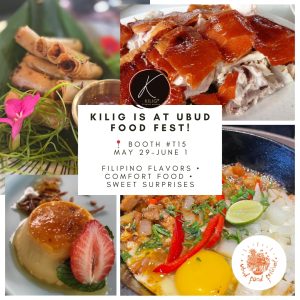
As an Executive Chef and consultant based in Ubud, Bali, I’ve dedicated my career to sharing the heart of Filipino hospitality through curated dining experiences. My name is Chef Juan Gadi, and at Kilig Filipino Warung or during a private villa dinner, I’ve seen firsthand how food dissolves barriers. For travelers, tourists, and cultural explorers, Filipino food traditions are not just about taste—they are the key to understanding a culture built on Filipino dining culture, generosity, and joy. For a related guide, see 10 Filipino Family Food Traditions Seen in Bali.
Whether you are a food blogger documenting your journey or a culinary student studying Southeast Asian food, the Philippine food customs you encounter will leave a lasting impression. From the bustling streets of Manila to the quiet provinces, each meal tells a story of Philippine culinary heritage.
1. The Golden Rule of Filipino Hospitality: Eat First, Ask Later
When you step into a Filipino home, the first thing you will hear is “Kain na tayo!” (Let’s eat!). In Filipino food traditions, this is not an invitation; it is a command wrapped in love. Filipino hospitality dictates that guests should never feel hungry, and the host will often offer food even before asking your name. For a related guide, see What is Silog? Understanding the Heart of the Kilig Bali Breakfast.
This custom might surprise first-time visitors who come from a more formal dining culture. I tell my guests at Kilig: be prepared to eat, even if you have just eaten. Saying no too many times can be seen as rejecting the host’s Filipino hospitality. Instead, accept a small portion to show respect and gratitude.
Practical Travel Tip
Always express appreciation for the food. A simple “Salamat” (thank you) goes a long way in acknowledging the warmth of the cultural dining experiences you are about to enjoy.
2. Kamayan: The Art of Eating by Hand
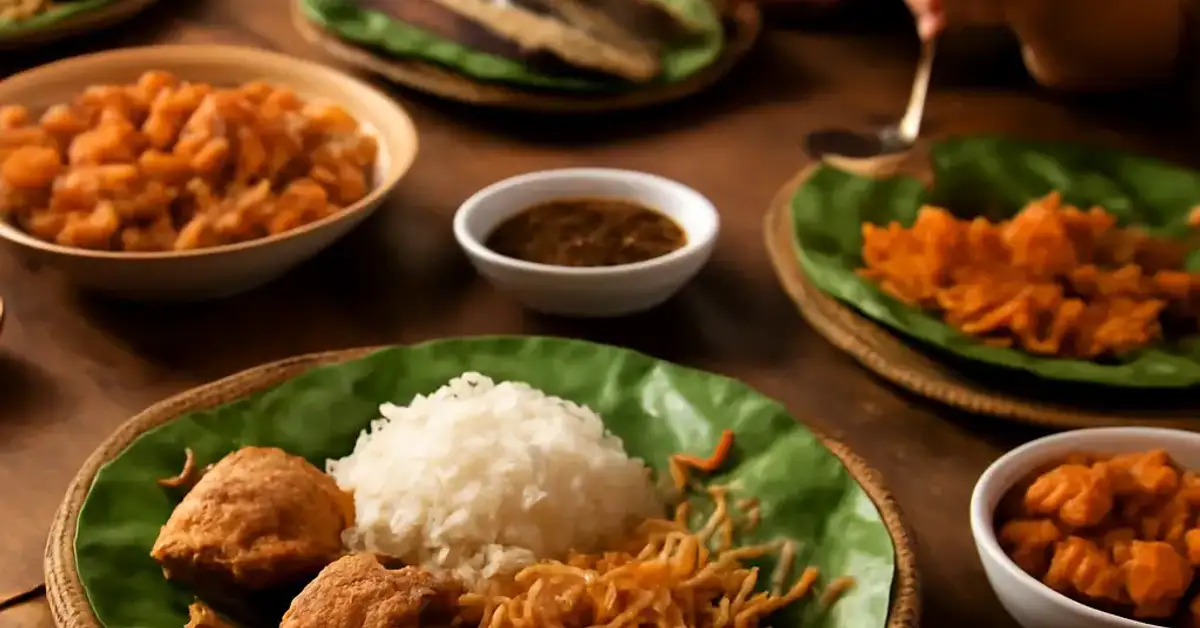
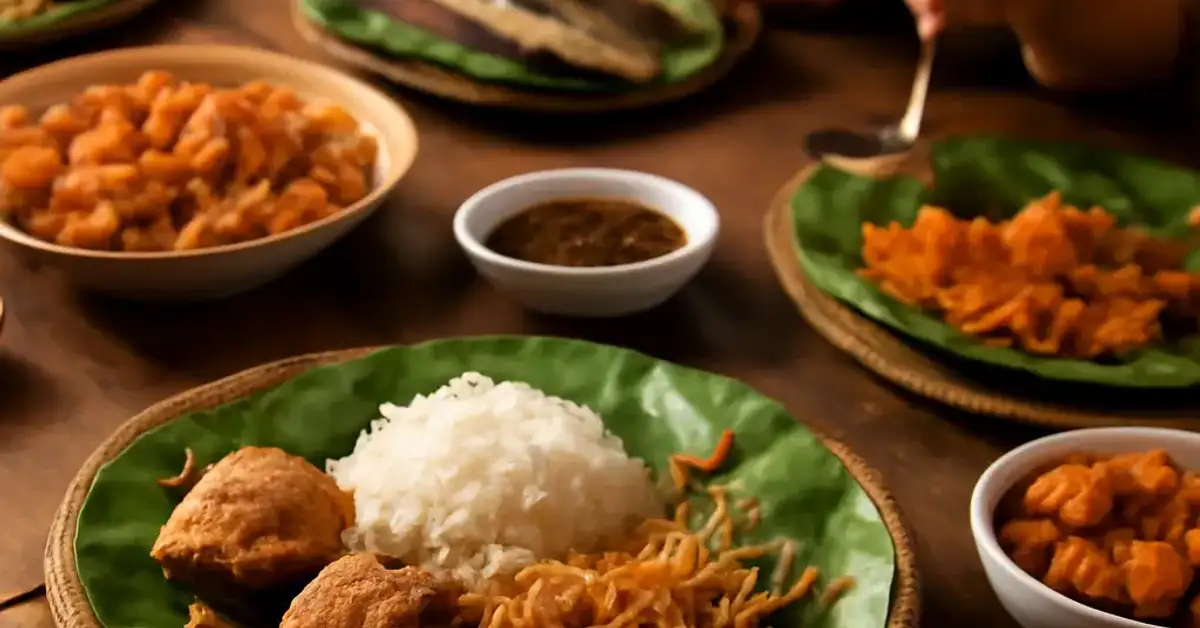
One of the most celebrated authentic Filipino traditions is kamayan, which translates to “eating with hands.” This is not just a method; it is a sensory experience that reconnects you with the food. During a communal dining Philippines setup, you will often see a long table covered in banana leaves, piled high with rice, grilled meats, fresh seafood, and vegetables.
For travelers, kamayan can feel intimidating at first. But once you get past the initial hesitation, you will find it liberating. Using your hands to mix the vinegar, soy sauce or bagoong (fermented shrimp paste) with your rice creates a perfect bite every time.
Filipino food etiquette during kamayan is simple: use only your right hand, and avoid letting your fingers touch the communal dishes. This practice is central to Filipino family meals and is a must-try for any food enthusiast.
3. The Unspoken Rules of Filipino Dining Etiquette
While the atmosphere is warm, there are subtle rules within Filipino dining culture that travelers should know. First, wait for the eldest or the host to start eating before you dig in. This is a sign of respect ingrained in Philippine food customs.
Second, if you are dining in a group setting, it is common to offer the best piece of meat to someone else before taking it for yourself. This gesture, known as “pagmamano” in a broader sense, reflects the collective mindset. Lastly, never finish every last grain on your plate; it is often a sign that you are still hungry, and the host will immediately offer more food.
As I explain to my clients in Bali, understanding Filipino food etiquette is your passport to deeper connections with locals. It shows that you value their Philippine culinary heritage as much as they do.
4. Mano Po and Pagmamano: A Blessing Before a Meal
A unique custom in Filipino food traditions is the gesture of pagmamano, where a younger person takes the hand of an elder and presses it to their forehead as a sign of respect. While this is not strictly done before every meal, it often precedes a large Filipino family meals gathering.
For travelers, this is a beautiful moment to witness during a cultural dining experiences event. You don’t have to perform it yourself, but acknowledging it with a respectful nod shows you appreciate the depth of Filipino hospitality.
5. Fiesta Food Traditions: A Feast for the Senses
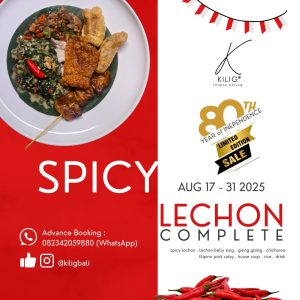
No exploration of Filipino food traditions is complete without discussing the fiesta food traditions. Every town in the Philippines holds a fiesta in honor of its patron saint, and this is when Filipino celebrations food truly shines. The table becomes a canvas for traditional Filipino cuisine—whole roasted pig (Lechon), rich stews like Kare-Kare, and noodles like Pancit (symbolizing long life).
During my travels and while hosting events, I have learned that a fiesta is the ultimate expression of food tourism Philippines. It is a public invitation for everyone to share in the abundance. If your trip coincides with a local fiesta, do not miss it. It is the purest form of communal dining Philippines you will ever experience.
Traveler’s Checklist for a Fiesta
- Bring a small gift or contribution of food.
- Expect to taste many traditional Filipino dishes you have never heard of.
- Be prepared for loud music, games, and endless food.
6. How Regional Traditions Shape Filipino Cuisine
The Philippines is an archipelago, and Philippine food customs vary drastically from Luzon to Mindanao. As a chef who explores Philippine culinary heritage, I find this diversity fascinating. In Ilocos, you’ll find bagnet (crispy fried pork) and pinakbet (vegetable stew with bagoong). In the Visayas, Lechon is king, and in Mindanao, spicy coconut-based curries and grilled tuna panga reign.
For food bloggers and food tourism enthusiasts, following regional specialties is the best way to understand the country. Each region’s Filipino dining culture reflects its history, geography, and local produce. When I consult for restaurants, I always emphasize using regional ingredients to tell a more authentic story.
7. The Social Ritual of ‘Pulutan’ and Drinking
Another tradition deeply embedded in Filipino food traditions is pulutan. These are snacks or small dishes served with alcoholic drinks, usually beer or a local spirit like Lambanog. This social ritual is at the heart of Filipino hospitality, where friends and family gather late into the night, sharing stories over crispy chicharon, sisig, and grilled isaw (chicken intestines). For a related guide, see The Ultimate Guide to Filipino Breakfast at Kilig Bali: Silog Culture Explained.
Travelers should know that pulutan sessions are incredibly social and laid-back. It is a perfect time for travelers to bond with locals. As an international visitor, joining a pulutan session is like being invited into a secret circle of authentic Filipino traditions.
Essential Dishes to Try During Pulutan
- Sisig: Sizzling minced pork face with calamansi and chili.
- Chicharon Bulaklak: Deep-fried pork ruffle fat.
- Adobong Manok (chicken adobo) in small, sharing bites.
Why Fiestas and Family Gatherings Define Filipino Food Culture
If you ask me why food is important in Filipino culture, I will tell you it is because food is the language of love. Filipino celebrations food is always abundant, even in humble homes. The act of preparing traditional Filipino cuisine for a fiesta is a communal effort—neighbors lend pots, grandmothers pass down recipes, and children help with the preparations.
For hospitality professionals and tour operators, this teaches an important lesson: the experience around the meal is more important than the meal itself. At my events in Ubud, I strive to recreate this sense of communal dining Philippines by designing tables where everyone sits together, shares, and talks.
What Food Etiquette Should Visitors Know in the Philippines?
Many travelers ask me this question before they visit. The key is to be aware and flexible. When dining in a private home, never rush. Expect the meal to last a couple of hours. The Filipino food etiquette revolves around generosity: never finish a dish if it is the only one left, and always offer to help clean up after (though the host will likely refuse).
Understanding these cultural dining experiences will make your trip unforgettable. It turns a simple meal into a bridge between cultures.
How Can Food Help Travelers Understand Filipino Culture?
Food is the fastest way to decode the Filipino psyche. The mix of sweet, sour, salty, and bitter flavors in traditional Filipino dishes mirrors the country’s complex history of trade, colonization, and resilience. When you taste a dish and see the smile on the cook’s face as you take a second serving, you understand Filipino hospitality.
As a chef, I witness this every day. Whether you are in a simple carinderia or a fine dining setting in Bali, the same rules of Filipino food traditions apply: share what you have, and welcome the stranger.
Useful Resources
For further reading on Philippine culinary heritage and its cultural significance, explore these reputable sources:
- National Commission for Culture and the Arts: Philippine Food Culture and Tradition
- Entri App: Filipino Food Culture and Dining Traditions
Conclusion: Experience the Soul of the Philippines Through Its Traditions
In my kitchen and at my events here in Ubud, I do more than just cook. I share a piece of home. Filipino food traditions are a reflection of our history, our warmth, and our unshakable sense of community. For travelers, understanding these Philippine food customs is the difference between a trip and a true cultural journey.
I invite you to book a culinary cultural dining experience with me. Whether it is a private dinner in a Balinese villa or a cooking session that dives deep into traditional Filipino cuisine, let me show you why food is the heart of the Filipino soul. Kain na tayo!
Frequently Asked Questions About Filipino food traditions
What Filipino food traditions should every traveler know?
Every traveler should know about kamayan (eating by hand), the tradition of offering food immediately upon arrival, and the communal nature of Filipino family meals. Respect for elders and never refusing a first serving are also key Philippine food customs.
Why is food important in Filipino culture?
Food is central to Filipino identity and Filipino hospitality. It is used to celebrate, to comfort, and to bond. No important occasion—birthday, fiesta, or even a simple Sunday—is complete without a shared meal, reflecting deep Filipino dining culture.
How do Filipinos traditionally share meals?
Filipinos traditionally share meals through communal dining Philippines style. Dishes are placed in the center of the table, and everyone takes portions using serving spoons or, during kamayan, by hand. This fosters a sense of community and togetherness.
What dining customs are common in the Philippines?
Common customs include waiting for the host to invite you to eat, using the right hand for kamayan, offering portions to elders first, and never leaving the table immediately after finishing. These form the core of Filipino food etiquette.
What role does hospitality play in Filipino food traditions ?
Filipino hospitality is the cornerstone of all Filipino food traditions. It ensures that a guest is always offered food, often the best parts of the meal. The host’s joy comes from seeing the guest satisfied and well-fed.
How do Filipino celebrations influence food culture?
Filipino celebrations food dictates that feasts must be abundant. During fiestas, the entire community contributes and shares. This reinforces fiesta food traditions where no one goes hungry, and everyone is welcome to partake.
What traditional Filipino dishes are served during special occasions?
Special occasions almost always feature Lechon (roasted pig), Pancit (long noodles for long life), Kare-Kare (oxtail peanut stew), Adobo, and Halo-Halo dessert. These dishes are icons of traditional Filipino cuisine.
Why is communal dining popular in the Philippines?
Communal dining Philippines is popular because it reflects the culture’s collectivist nature. It turns eating into a social activity, strengthening family and community bonds while ensuring that everyone tastes a variety of dishes.
What should travelers expect at a Filipino family meal?
Expect plenty of food, a warm atmosphere, and likely introductions to everyone present. The conversation will flow and you will be encouraged to eat more than you thought possible. It is a key cultural dining experience for any visitor.
How do regional traditions shape Filipino cuisine?
Philippine food customs vary by region. For example, the Ilocos region loves bagoong and bitter vegetables, while the Visayas prefers sour and grilled food. Mindanao uses more coconut milk and spices, enriching Philippine culinary heritage.
What food etiquette should visitors know in the Philippines?
Visitors should know to wait for the eldest to eat first, use their right hand for kamayan, and never refuse food immediately. Complimenting the meal is always appreciated as part of Filipino dining culture.
Why are fiestas important to Filipino food culture?
Fiestas are manifestations of fiesta food traditions and religious devotion. They are the primary events where Filipino celebrations food is showcased in its most generous form, strengthening community ties and cultural identity.
How does Filipino food reflect local values and heritage?
Filipino food reflects values of sharing, resilience, and creativity. The history of colonization, trade, and indigenous ingredients are all present in traditional Filipino cuisine, making each dish a story of the nation’s soul.
What unique dining experiences can travelers enjoy in the Philippines?
Travelers can enjoy a kamayan feast on the beach, a boat-side meal at Pagsanjan Falls, or a boodle fight (military-style communal meal). Each offers a different perspective on cultural dining experiences in the islands.
How can food help travelers understand Filipino culture?
By sharing in the Filipino hospitality of a meal, travelers see firsthand the generosity and warmth of the people. The act of eating together breaks down barriers and creates genuine human connections.
What is a typical breakfast in the Philippines?
A typical breakfast includes silog—a combination of sinangag (garlic fried rice) and itlog (egg), served usually with tocino (sweet cured pork), longganisa (sausage), or daing na bangus (fried milkfish).
Is it polite to use utensils during a kamayan meal?
It is not considered rude, but it is discouraged. The spirit of kamayan is to fully experience the food with your hands. Using utensils can feel like you are distancing yourself from the authentic Filipino traditions of the meal.
Are there vegetarian-friendly Filipino dishes?
Yes, though Filipino cuisine is meat-heavy, there are many vegetable dishes. Pinakbet (mixed vegetables in bagoong), Laing (taro leaves in coconut milk), and Ensaladang Talong (grilled eggplant salad) are excellent options.
How can I learn to cook Filipino food?
The best way is to join a cultural dining experience or cooking class. Many food tourism Philippines packages now include hands-on classes where you can learn to make Adobo, Lumpia, and Pancit.
What is the best way to experience Filipino food as a tourist?
Visit local carinderias (small eateries), attend a fiesta, and consider a curated dining experience like the ones I host in Ubud. This ensures you taste home-cooked Philippine culinary heritage at its best.
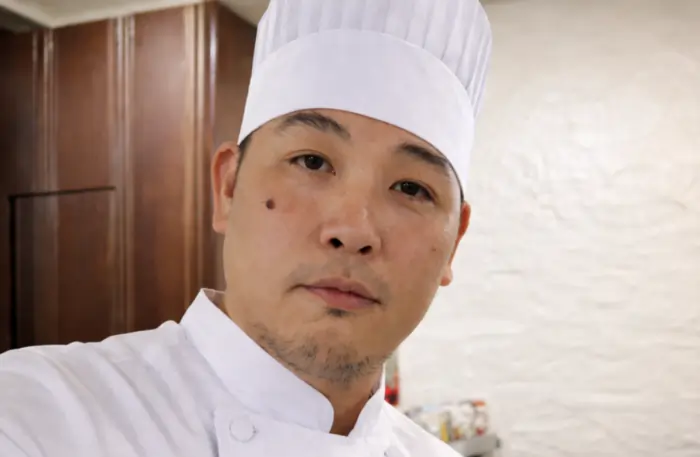
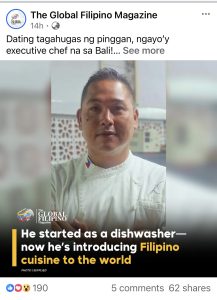
Chef Juan Gadi brings the heart of Filipino hospitality to Ubud, Bali. As an Executive Chef and consultant, he specializes in creating intimate, curated dining experiences that tell a story through every dish. Whether leading the kitchen at Kilig Filipino Warung or hosting a private villa dinner, Chef Juan’s approach is defined by warmth, modern technique, and a commitment to culinary excellence.