Filipino Family Food Traditions Seen in Bali Key Takeaways
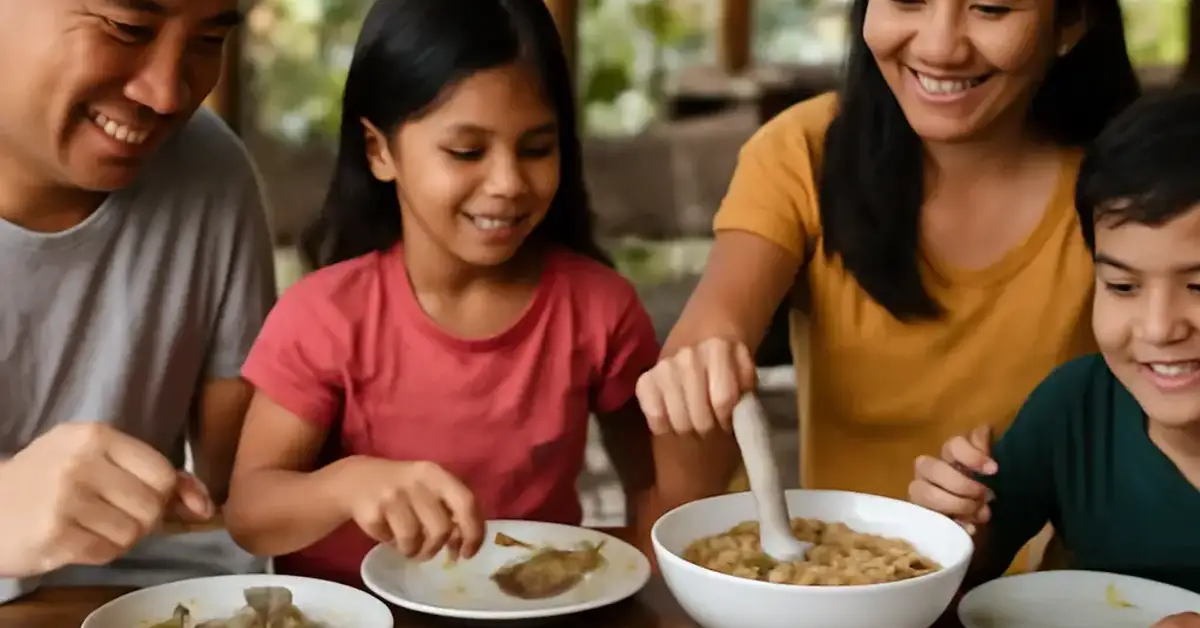
Filipino family food traditions seen in Bali go beyond mere recipes—they are living expressions of hospitality, togetherness, and cultural identity.
- Filipino family food traditions seen in Bali emphasize communal dining and emotional connection through meals.
- Shared values of hospitality and family bonding make Filipino and Balinese food cultures highly compatible.
- Adapting local ingredients while preserving traditional cooking methods strengthens cultural identity for Filipino families abroad.
What Filipino Family Food Traditions Are Seen in Bali?
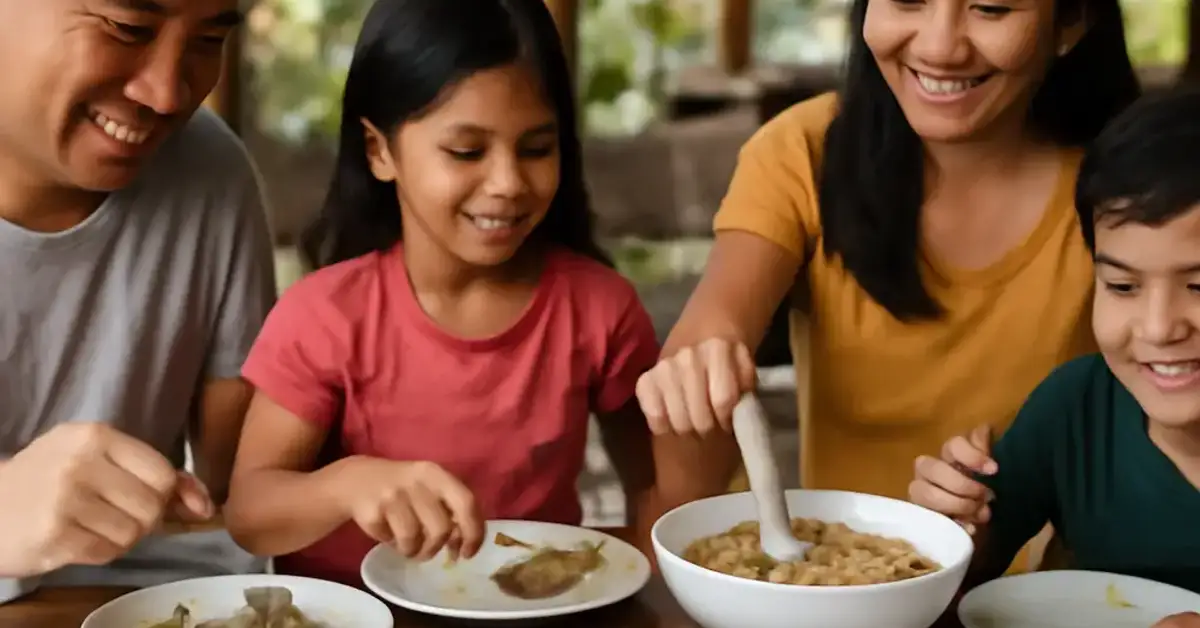
When Filipino families move to Bali, they bring more than luggage—they bring the heart of their kitchen. Filipino family food traditions seen in Bali are a beautiful blend of nostalgia and adaptation. From Sunday shared dining traditions to festive noche buena feasts, these customs find a natural home on the island. The Bali dining culture already values togetherness, so Filipino practices like communal eating Asia style fit right in. You’ll often find Filipino expat food culture thriving in home kitchens, where adobo and sinigang share table space with nasi campur and sate lilit. For a related guide, see 8 Ways Filipino Cuisine Connects Cultures in Bali.
Filipino family food traditions in Bali reflect shared Southeast Asian values of hospitality, communal eating, and strong family bonding through meals. Both cultures see food as an emotional anchor. For a Filipino mom in Ubud, cooking pancit for her child’s birthday is more than a meal—it’s a way to say “I love you” in a familiar language, even when surrounded by rice terraces and frangipani trees.
1. Kamayan Feasts: Eating with Hands Brings Families Closer
In the Philippines, a kamayan feast means eating with your hands—literally “by hand.” It’s a sensory experience where rice, grilled meat, and vegetables are spread on banana leaves, and everyone digs in together. In Bali, this tradition finds a warm welcome because Balinese family meals also often involve hand-eating, especially during ceremonies or temple feasts.
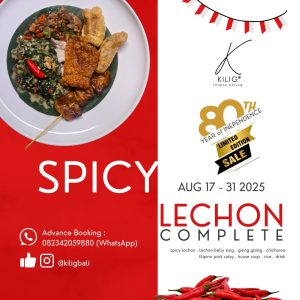
Filipino hospitality food culture shines in kamayan. The host piles the table high with lechon kawali, grilled prawns, and mango salsa. In Bali, families substitute local ingredients—like using sambal matah instead of traditional dipping sauces, or swapping bangus for freshly caught tuna. The cultural food similarities Philippines Bali become obvious: both cultures respect the hands as the most honest utensil and believe that eating together builds trust.
Why Kamayan Works in Bali Households
Bali’s household dining habits already lean toward family style meals Asia. A typical Balinese megibung tradition—where people sit in circles and share from a single platter—mirrors kamayan perfectly. Filipino families in Bali host kamayan birthdays, graduations, and Sunday lunches, often inviting Balinese neighbors who quickly adopt the style. The result? A cross-cultural exchange that strengthens bonds.
2. Rice as the Heart of Every Meal
No Filipino cooking traditions are complete without rice. It’s the foundation of breakfast, lunch, and dinner. In the Philippines, leftover rice becomes sinangag (garlic fried rice), while freshly steamed rice accompanies every ulam. In Bali, rice is also sacred. The island’s tropical island cuisine revolves around nasi—steamed, fried, or formed into tumpeng cones for ceremonies.
For Filipino families, the transition is effortless. They continue to cook jasmine rice or dinorado (a Filipino aromatic variety) at home, while also enjoying Bali’s beras merah (red rice) for health-conscious meals. The Filipino comfort food family style tradition of “rice + ulam + sabaw” (rice, main dish, and soup) remains intact. In fact, Filipino moms in Bali often teach their children to cook rice the Filipino way—washing it thoroughly until the water runs clear, then using the finger-knuckle measurement trick passed down for generations.
3. Shared Platters for Every Occasion
Shared dining traditions define Filipino family life. Whether it’s a simple weekday dinner or a grand fiesta, dishes come to the table in large platters, and everyone serves themselves from the center. This practice aligns perfectly with Bali dining culture, where nasi campur (mixed rice) is served on a single plate with small portions of multiple sides.
In Filipino households in Bali, you’ll see a platter of chicken adobo next to Balinese lawar (a spiced vegetable and coconut salad). The children learn to take only what they can finish, respecting the communal principle of “kain tayo” (let’s eat). This family style meals Asia approach teaches generosity and mindfulness—values both Filipinos and Balinese hold dear.
4. Sweet Coconut Desserts and Drinks
Coconut is a star ingredient in both cuisines. From Filipino family food traditions like buko pandan, ginataang bilo-bilo, and macapuno ice cream to Balinese kelapa muda (young coconut) drinks and dadar gulung (coconut-filled crepes), the tropical fruit is everywhere. In Bali, Filipino families make turon (banana spring rolls) with local Balinese honey instead of brown sugar, and leche flan using fresh coconut milk from the market.
These desserts are more than sweet treats—they are Filipino comfort food family style staples that evoke childhood memories. A bowl of ginataan on a rainy afternoon in Canggu instantly transports a Filipino mother back to her lola’s kitchen in Manila. Meanwhile, her Balinese neighbor might bring over klepon (glutinous rice balls with palm sugar), creating a sweet exchange of cultures.
5. Grilled Meats and Seafood on Weekends
Weekend grilling is a sacred ritual. In the Philippines, ihaw-ihaw (grilled food) includes inihaw na liempo (grilled pork belly), chicken inasal, and puso (woven coconut rice). In Bali, sate lilit (minced fish satay) and babi guling (suckling pig) reign supreme. The Southeast Asian food customs of open-fire cooking and marinating in coconut-milk-based sauces overlap beautifully.
Filipino families in Bali recreate their weekend grilling traditions using local markets like Pasar Badung or the Ubud Market. They marinate pork belly in toyo, calamansi, and garlic—just like back home—but serve it with sambal terasi and Balinese lawar on the side. The shared dining traditions continue: everyone gathers around the grill, sharing stories and laughter as the smoke rises into the tropical evening air.
6. Soup-Based Comfort Foods for Rainy Days
Filipinos love their soups—sinigang (tamarind-based), tinola (ginger-chicken), and bulalo (beef marrow). These broths are considered healing foods, especially for sick family members or cold, rainy days. Bali’s tropical climate doesn’t stop Filipino families from craving a hot bowl of soup. They simply adjust: instead of kangkong (water spinach), they use locally available bayam (amaranth leaves); instead of tamarind, they use asam jawa (tamarind paste from Java).
This adaptation is a perfect example of Filipino home cooking abroad. The cooking method remains the same—simmering the protein with aromatics, then adding vegetables and souring agents—but the ingredients reflect the local terroir. Filipino hospitality food culture ensures that a pot of soup is always shared with neighbors, especially during Bali’s monsoon season.
7. Festive Noche Buena and Media Noche Celebrations
Christmas and New Year’s Eve are major food events for Filipino families. Noche Buena (Christmas Eve dinner) features queso de bola, hamon, bibingka, and puto bumbong. Media Noche (New Year’s Eve) includes pancit for long life, rice cake for prosperity, and 12 round fruits for good luck. In Bali, Filipino expats recreate these feasts with a local twist.
They source keso de bola from specialty stores in Seminyak, bake bibingka in clay pots lined with banana leaves (available at Bali markets), and cook pancit using fresh local noodles. The Bali household dining habits embrace these celebrations because Balinese culture also values large, festive family meals. Balinese friends often join the feast, experiencing the warmth of Filipino hospitality food culture firsthand.
8. Bringing Leftover Culture to Bali
Filipino families abhor food waste. “Pag may natira, i-ulam bukas” (if there’s leftovers, it’s tomorrow’s meal) is a common saying. Leftover adobo tastes better the next day, and yesterday’s fried rice gets a new life with a fried egg on top. In Bali, this practice aligns with the local concept of “nyama” (sharing and community).
Filipino cooking traditions of reheating and repurposing fit seamlessly into Balinese home kitchens. A pot of leftover tinola might become a quick soup for lunch, or leftover grilled fish gets flaked into pancit the next day. This thriftiness is not just practical—it’s a way of respecting the food and the effort that went into preparing it.
9. Passing Down Recipes Through Oral Tradition
In Filipino kitchens, recipes are rarely written down. They are passed from mother to daughter (or son) through observation and repetition. “A little bit of this, a pinch of that” is the standard instruction. In Bali, where Filipino family food traditions seen in Bali are being kept alive, this oral tradition continues.
Filipino parents in Bali teach their children to cook kare-kare by feeling the thickness of the peanut sauce, or to know when sinigang is perfectly sour by tasting the broth. These moments become cherished memories. The children grow up understanding that food is not just fuel—it’s a love language. And as they learn Balinese dishes from their friends, they also learn the stories behind them.
10. Food as a Bridge Between Cultures
The most beautiful Filipino family food tradition seen in Bali is using food as a bridge. Filipino families host potluck dinners where neighbors bring nasi goreng and lumpia sits beside satay. They teach Balinese friends how to make Halo-halo while learning to cook bubur injin (black rice pudding).
This exchange strengthens cultural food similarities Philippines Bali. Both cultures believe that cooking for someone is an act of love. Both believe that a shared meal creates lasting bonds. For Filipino expat food culture, Bali is not just a new home—it’s a place where family traditions can grow, adapt, and thrive without losing their essence.
Useful Resources
For more on Filipino family food traditions seen in Bali, explore these resources:
- ASEAN Food Tradition: Southeast Asian Communal Dining Practices – A comprehensive look at how shared meals strengthen community across the region.
- Baligram: Family Food Traditions in Bali – Insights into how Balinese families preserve their culinary heritage while welcoming global influences.
Frequently Asked Questions About Filipino Family Food Traditions Seen in Bali
What Filipino family food traditions are seen in Bali?
Filipino family food traditions seen in Bali include kamayan feasts, shared platters, weekend grilling, sweet coconut desserts, and festive Noche Buena celebrations adapted with local ingredients.
How do Filipino family meals influence Bali dining culture ?
Filipino family meals introduce concepts like communal serving platters, kamayan style eating, and the importance of soup-based comfort foods, which resonate with Bali’s existing shared dining traditions.
What similarities exist between Filipino and Balinese family dining traditions?
Both cultures emphasize eating with hands, sharing dishes from a central platter, using rice as a staple, and viewing meals as social bonding moments. Cultural food similarities Philippines Bali are especially visible in festive gatherings.
Why are Filipino shared meals popular in Bali households?
Filipino shared meals are popular because they match Bali’s family style meals Asia philosophy and offer comforting, flavorful dishes that use familiar tropical ingredients like coconut and seafood. For a related guide, see 9 Filipino Recipes That Feel Perfect for Bali Trips.
How do Filipino food traditions adapt to Bali family lifestyle?
Filipino families substitute local vegetables, spices, and proteins while keeping traditional cooking methods. For example, they use Balinese sambal instead of Filipino dipping sauces and source banana leaves from local markets.
What Filipino comfort foods are common in Bali family gatherings?
Filipino comfort food family style favorites like chicken adobo, sinigang, pancit, lumpia, and halo-halo are commonly prepared for family gatherings in Bali.
How does Filipino hospitality appear in Bali food culture?
Filipino hospitality food culture shows in the abundance of food served during visits, the insistence on feeding guests, and the practice of sending leftovers home with visitors—an echo of Balinese nyama traditions.
What Filipino cooking styles are used in Bali family kitchens?
Filipino cooking traditions like paksiw (braising in vinegar), ihaw (grilling), and ginisa (sautéing with garlic and onions) are common in Balinese home kitchens, often using local produce.
How do Filipino family dining habits blend with Balinese traditions?
Filipino families adopt Balinese table manners like eating with the right hand and sitting on the floor during megibung, while Balinese families enjoy Filipino kamayan and pancit during shared celebrations.
What Filipino dishes are shared during family gatherings in Bali?
Filipino family food traditions seen in Bali include dishes like chicken adobo, pork sisig, kare-kare, sinigang na hipon, lumpiang sariwa, and turron often paired with Balinese nasi kuning.
Is kamayan popular among Filipino expats in Bali?
Yes, kamayan is very popular. Many Filipino expats in Bali host kamayan-themed parties at home or at beach clubs, where they serve grilled seafood, fresh fruits, and rice on banana leaves.
Can Balinese ingredients substitute Filipino ones easily?
Absolutely. Ingredients like coconut milk, calamansi (often replaced with Balinese limes), tamarind, and leafy greens are widely available, making it easy to recreate Filipino dishes in Bali.
Do Filipino families in Bali celebrate Noche Buena?
Yes, they do. Filipino families in Bali organize Noche Buena gatherings with traditional dishes like queso de bola, hamon, bibingka, and puto bumbong, often inviting Balinese friends to join.
What is the role of rice in Filipino-Balinese food traditions?
Rice is central to both cuisines. For Filipinos, it’s the base of every meal; for Balinese, it’s a sacred staple. Both cultures have unique rice preparations, like sinangag on the Filipino side and nasi kuning on the Balinese.
How do Filipino children in Bali learn food traditions?
They learn by cooking with parents and grandparents, hearing oral recipes, and participating in family gatherings. Many also learn Balinese cooking through school friends and neighborhood exchanges.
Are there Filipino food stores or markets in Bali?
Yes, specialty stores in areas like Seminyak and Canggu carry Filipino brands, including canned goods, sauces, and packaged desserts. Some traditional markets also have substitutes.
What Filipino dessert is easiest to make in Bali?
Leche flan is very easy to make in Bali because fresh eggs and coconut milk are abundant. Another simple favorite is turon (banana spring rolls) using local bananas and palm sugar.
How do Filipino and Balinese food traditions handle leftovers?
Both cultures value leftovers. Filipinos repurpose them into new meals (like leftover adobo becoming adobo fried rice), while Balinese often share or donate extra food within their community.
Can expats join Filipino family food events in Bali?
Yes, Filipino expat communities in Bali are welcoming. Many host open-invitation potlucks, kamayan nights, and holiday feasts that invite friends from all backgrounds to experience Filipino hospitality food culture.
What is the best way to experience Filipino food traditions in Bali?
Attend a community gathering hosted by Filipino families, visit a kamayan dinner event at a local restaurant, or simply befriend a Filipino neighbor—they will likely invite you to share a meal.
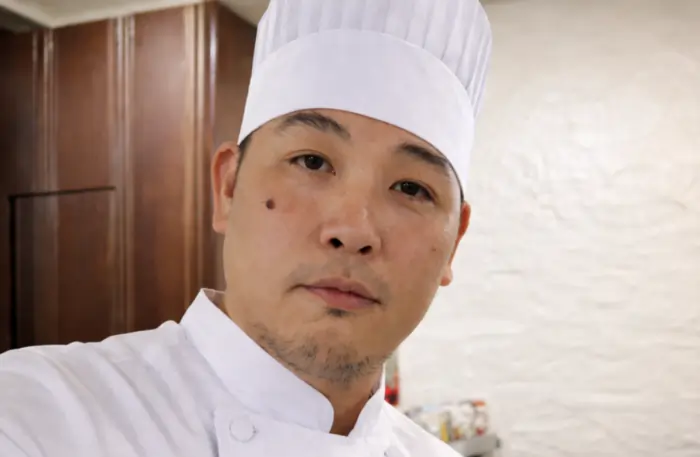
Chef Juan Gadi brings the heart of Filipino hospitality to Ubud, Bali. As an Executive Chef and consultant, he specializes in creating intimate, curated dining experiences that tell a story through every dish. Whether leading the kitchen at Kilig Filipino Warung or hosting a private villa dinner, Chef Juan’s approach is defined by warmth, modern technique, and a commitment to culinary excellence.