Filipino Culinary Traditions That Shine in Bali Key Takeaways
Bali has become a surprising second home for Filipino food culture, where the warmth of Filipino hospitality meets the island’s tropical rhythm.
- Filipino Culinary Traditions That Shine in Bali include kamayan feasts, sizzling sisig, and family-style dining that mirrors Bali’s own communal food culture.
- Shared ingredients like coconut, seafood, and tropical fruits make Filipino cuisine and Balinese food similarities easy to appreciate.
- Travelers can find these traditions at dedicated Filipino warungs, private dining events, and fusion restaurants across Ubud, Seminyak, and Sanur.
What Makes Filipino Culinary Traditions Shine in Bali’s Dining Scene
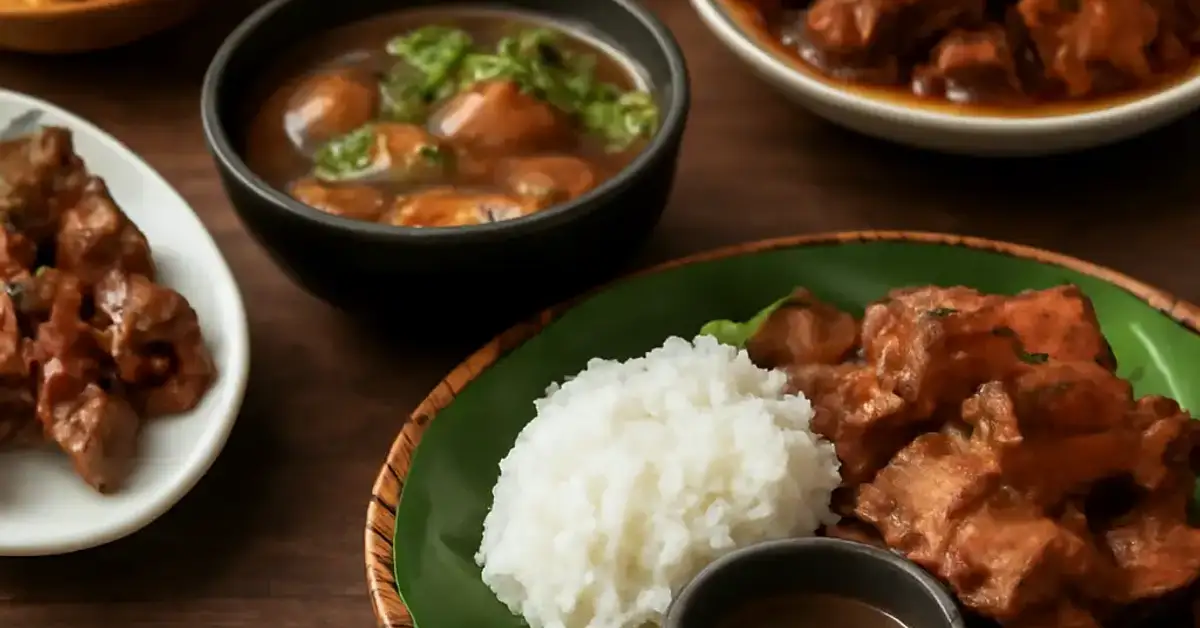
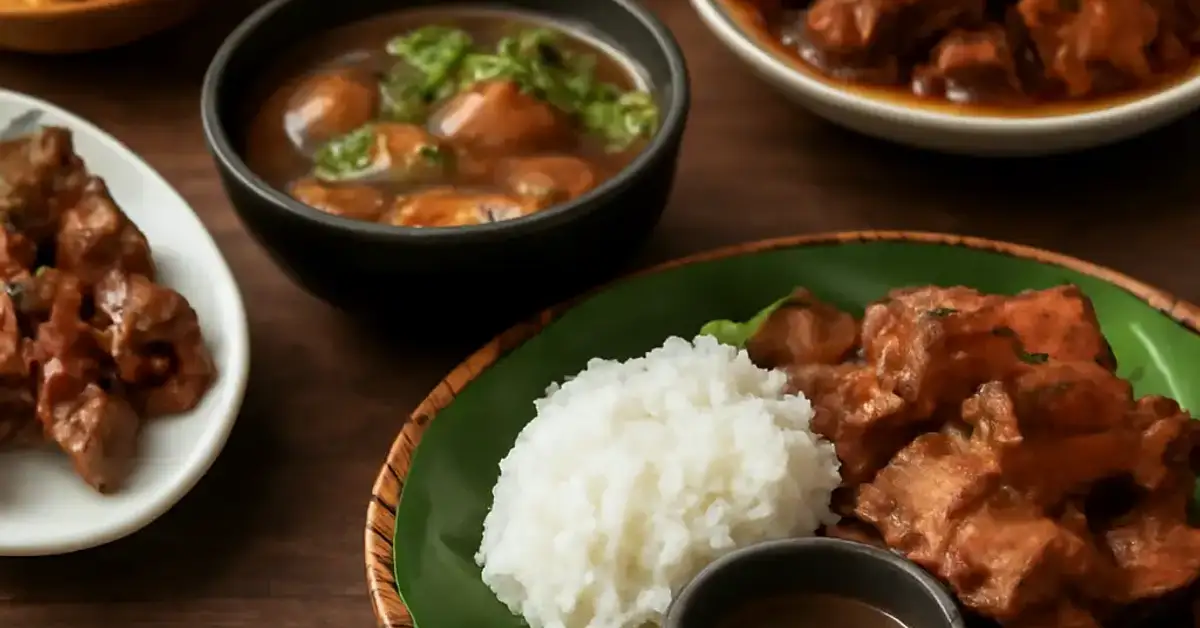
Bali has long celebrated its own rich food culture, but in recent years, a new wave of flavors has quietly taken root. The Filipino culinary traditions in Bali are not just about food—they are about connection. As a Filipino chef working in Ubud, I see this every day. Travelers from Manila, OFWs on holiday, and even curious international guests come to my kitchen at Kilig Filipino Warung seeking something familiar yet surprising. The Filipino food culture in Bali tourism is growing because the two cuisines speak the same language: fresh ingredients, bold flavors, and meals meant to be shared. For a related guide, see 10 Filipino and Balinese Food Similarities Explained.
The cultural food experiences in Bali now include everything from a casual lunch of Filipino comfort food after a morning rice terrace trek to elegant private dinners where Filipino hospitality takes center stage. For the Bali travel food guide enthusiast, this is a rich layer to explore.
1. Kamayan Feasts: Eating with Hands, Sharing with Heart
Perhaps none of the Filipino culinary traditions that shine in Bali captures the spirit of Filipino family dining more than the kamayan feast. Translating to “by hand” in Tagalog, kamayan is a communal meal where banana leaves replace plates, and everyone gathers around a mountain of rice, grilled meats, fresh seafood, and tangy dipping sauces. This style mirrors Bali’s own Balinese food culture of shared banquets served during temple festivals and family gatherings.
In Ubud, our kamayan nights at Kilig have become a highlight for tourists seeking cultural food experiences in Bali. Guests sit cross-legged on bamboo mats, eating with their hands as locals do across the archipelago. The Filipino island cuisine shines here—grilled bangus, inihaw na liempo, and spicy kinilaw—all seasoned with calamansi and patis. For the culinary tourism Bali visitor, this is not just a meal; it’s a ritual that connects you to the land and the people. Many guests tell me that eating with their hands for the first time changes how they taste food—it becomes more intimate, more mindful.
2. Sizzling Sisig: A Crispy, Tangy Icon for Bali’s Night Owls
Filipino cuisine is famous for its sizzling plates, and sisig is the undisputed king. Originating from Pampanga, this chopped pork dish—seasoned with calamansi, chili, and onions—arrives on a hot cast-iron plate, still sizzling. In Bali, where the nightlife scene thrives in Seminyak and Canggu, sisig has found a loyal following among travelers who crave Filipino comfort foods for travelers after a long day of surfing or temple hopping.
The genius of sisig lies in its texture—crispy bits of pork cheek and ears, creamy egg yolk, and a sharp citrus finish. It pairs perfectly with an ice-cold Bintang beer or a tangy calamansi juice. Several Filipino inspired restaurants in Bali now feature sisig as a signature dish, often with a local twist, such as adding Balinese sambal matah for extra heat. This is one of the traditional Filipino dishes in Bali that even first-time visitors fall in love with instantly.
For the food tourism in Bali enthusiast, sisig represents the perfect balance of Filipino cooking traditions explained through flavor: bold, resourceful, and endlessly satisfying. It is a dish that tells the story of the Philippines—resilient, creative, and always ready to celebrate.
3. Family-Style Dining: The Heart of Filipino Hospitality
When I host private dinners for villa guests in Bali, the most common compliment I receive is not about the food—it is about the feeling of being welcomed into a home. That is the essence of Filipino hospitality and dining experiences. In the Philippines, every meal is an invitation. We set the table with more food than anyone can eat, and we insist that guests go for seconds, thirds, and take food home.
This tradition translates beautifully to Bali’s villa culture. Many luxury travelers book private chefs specifically to experience Filipino family dining traditions abroad. They want the warmth of a shared meal, where dishes like adobo, sinigang, and lumpia are passed around the table family-style. It fits perfectly with Bali’s Balinese cuisine tradition of communal dining during ceremonies, where the whole village eats together. The Filipino travel food experiences that resonate most with international tourists are those that emphasize this sense of belonging. For a related guide, see 9 Filipino Food Traditions That Suit Bali Escapes.
4. Pancit: Noodles for Long Life and Celebration
No celebration in the Philippines is complete without pancit, the noodle dish that symbolizes long life and prosperity. Whether it is pancit bihon, canton, or miki, these stir-fried noodles with vegetables, meat, and seafood are a staple of Filipino celebrations and food. In Bali, pancit has become a beloved option for tourists seeking authentic Filipino meals in Bali that are both familiar and exotic.
What makes pancit special in a Bali context is how naturally it fits into the island’s Southeast Asian food culture. The noodles, soy sauce, and fresh vegetables feel right at home alongside local mie goreng and nasi goreng. Many Filipino inspired restaurants in Bali serve pancit as a lunchtime favorite, often with a side of fried lumpia and a dipping sauce of spiced vinegar. For Bali dining experiences, pancit offers a light yet satisfying option that pairs beautifully with tropical fruits and fresh coconut juice.
One tip for travelers: when you order pancit in Bali, ask if the chef uses calamansi in the dressing—it’s the authentic touch that elevates the dish from good to unforgettable.
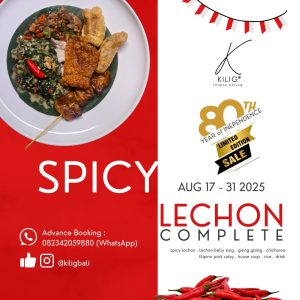
5. Lechon and Inihaw: The Art of Filipino Barbecue
Bali is an island of seafood and satay, but the Filipino barbecue traditions bring a distinct char and marinade that has won over countless tourists. Inihaw—the Tagalog term for grilled food—includes everything from pork belly skewers (inihaw na liempo) to whole grilled fish stuffed with lemongrass and tomatoes. Lechon, the iconic whole roasted pig, is reserved for special occasions but often appears at larger feasts and private events in Bali.
The marinade is the secret. A mix of soy sauce, calamansi, garlic, and brown sugar creates a caramelized crust that is both savory and sweet. This style of Filipino island cuisine echoes Bali’s own love for grilled seafood brushed with coconut oil and turmeric. For the Bali travel food guide writer, the inihaw experience is a must-include, especially for tourists who want to understand the cultural fusion between Filipino and Balinese cuisine.
When I cater for villa guests, I often prepare a platter of mixed inihaw: tender pork skewers, grilled squid, and spicy chicken wings, all served with a side of java rice and fresh mango salsa. It is the kind of meal that turns a sunset dinner into a memory that lasts a lifetime.
6. Halo-Halo: A Tropical Dessert That Cools Bali’s Heat
On a hot afternoon in Ubud, nothing beats the chill of halo-halo. This shaved ice dessert layered with sweet beans, coconut strips, jellies, leche flan, and ube ice cream is a Filipino culinary tradition that shines in Bali like a rainbow. The name means “mix-mix” in Tagalog, and the fun is in combining all the ingredients into one glorious spoonful.
Filipino desserts are not as well known globally as Thai mango sticky rice or Vietnamese che, but halo-halo is making its mark in Bali’s dessert scene. Several Filipino inspired restaurants in Bali now offer their version, sometimes using local ingredients like Bali honey or dragon fruit to give it a Balinese twist. For travelers exploring Bali food tourism with Filipino influence, halo-halo is a playful, colorful way to end a meal.
I always tell guests: the key to great halo-halo is the contrast of textures—crunchy pinipig, smooth ube, and creamy leche flan all suspended in icy sweetness. It is the ultimate tropical food experience.
7. Sinigang: The Sour Soup That Comforts Every Traveler
Filipino comfort food would be incomplete without sinigang, the tamarind-based soup that is both tangy and savory. For travelers who have been exploring Bali’s busy markets and trekking through rice terraces, a bowl of hot sinigang offers a restorative pause. The broth, infused with vegetables and your choice of pork, shrimp, or fish, hits the palate with a clean sourness that awakens the senses.
What many tourists do not realize is how well sinigang’s flavor profile aligns with Bali’s Balinese cuisine. Balinese cooking also uses souring agents such as lime juice and tamarind in many of its dishes, particularly in lawar and sambal. For food lovers exploring cultural food experiences in Bali, comparing the two sour styles—sinigang’s tamarind base versus Bali’s lime-forward sourness—is a fascinating exercise in Southeast Asian food culture.
Several authentic Filipino dishes in Bali are now served in dedicated Filipino eateries, and sinigang is often a top request from OFWs and local foodies alike. It is the taste of home for many Filipinos abroad, and a discovery for international guests.
8. Adobo: The National Dish, Now a Bali Staple
Adobo is the most recognized of all traditional Filipino meals, a braised dish of meat (usually chicken or pork) marinated in vinegar, soy sauce, garlic, and bay leaves. In Bali, adobo has become one of the most popular Filipino flavors loved by tourists, in part because its deep, savory taste pairs effortlessly with steamed rice or even Balinese nasi campur.
What makes adobo special in the context of Filipino culinary traditions in Bali is its adaptability. Some chefs add a hint of coconut milk for a creamier sauce, echoing Bali’s love for coconut-based curries. Others serve it with a side of sambal for extra kick. For those writing a Bali travel food guide, adobo is a reliable entry point for travelers new to Filipino cuisine.
At Kilig, I prepare a heritage-style adobo that reduces the marinade until it glazes the meat, and I serve it with a fried egg and garlic rice. It is simple, honest, and deeply satisfying—everything Filipino cooking traditions explained should be.
9. Lumpia and Street Food Culture
Filipino street food is legendary—from fish balls on sticks to kwek-kwek (hard-boiled quail eggs fried in orange batter) to the ever-popular lumpiang shanghai. These crispy spring rolls filled with ground pork, carrots, and spices are a universal crowd-pleaser. In Bali’s street food markets, like the evening stalls in Sanur or the Gianyar night market, you can find lumpia-style snacks that bridge the gap between Filipino street food and island culture.
Filipino travel food experiences in Bali often start with lumpia. It is an easy, portable snack that appeals to everyone—kids, adults, adventurous eaters, and those who just want a quick bite between temple visits. Many Filipino inspired restaurants in Bali offer lumpia as an appetizer, often paired with a spiced vinegar dip or a sweet chili sauce.
For the food tourism trends in Bali watcher, the popularity of lumpia signals a broader acceptance of Filipino culinary heritage abroad. Street food is the most democratic form of cuisine, and when lumpia sells out at a Bali night market, you know the tradition is taking root.
10. Private Dining: The Future of Filipino Experiences in Bali
The final tradition on this list is not a dish but a practice: private dining. In the Philippines, hospitality is extended in the home. Guests are treated like royalty, and the host cooks with love, not for profit. In Bali, this tradition has found new expression in villa dining and curated food experiences. Luxury travelers who book private chefs get to experience Filipino hospitality and dining experiences in an intimate setting, away from the crowds.
As an executive chef in Ubud, I have seen how this model resonates with couples celebrating anniversaries, families on reunion vacations, and Filipino expats in Indonesia who miss the taste of home. These private meals are more than dinner—they are storytelling sessions where each dish, from kinilaw to leche flan, comes with a memory. The culinary tourism Bali landscape is shifting toward authentic, personalized experiences, and Filipino private dining is leading that change.
For the Bali vacation planner, adding a private Filipino dinner to your itinerary means you will leave with not just a full stomach, but a deeper understanding of why Filipino Culinary Traditions That Shine in Bali are here to stay.
Useful Resources
For travelers wanting to explore more about Filipino food traditions and Balinese culinary connections, these resources offer reliable guides and inspiration:
- Forbes Travel Guide: Best Dining Experiences in Ubud, Bali — A curated list of top restaurants and unique culinary encounters in the heart of Bali.
- Philippine Department of Tourism: Filipino Food and Travel Guide — Official resources on Filipino cuisine, cooking traditions, and regional dishes for travelers abroad.
Chef Juan Gadi brings the heart of Filipino hospitality to Ubud, Bali. As an Executive Chef and consultant, he specializes in creating intimate, curated dining experiences that tell a story through every dish. Whether leading the kitchen at Kilig Filipino Warung or hosting a private villa dinner, Chef Juan’s approach is defined by warmth, modern technique, and a commitment to culinary excellence.
Frequently Asked Questions About Filipino Culinary Traditions That Shine in Bali
What are the most popular Filipino culinary traditions in Bali ?
The most popular traditions include kamayan feasts (eating with hands), sizzling sisig, family-style dining, and the sharing of dishes like adobo and pancit. These traditions resonate because they emphasize community and warmth, which align with Bali’s own hospitality culture.
Why do tourists enjoy Filipino food culture in Bali?
Tourists enjoy it because it offers a sense of comfort and discovery at the same time. The flavors are bold but familiar to many Asian palates, and the hospitality makes diners feel like part of a family. Many travelers describe it as “home away from home.”
How does Filipino cuisine influence Bali dining experiences ?
Filipino cuisine brings new marinades, cooking methods like the use of calamansi and patis, and the communal eating style that complements Bali’s own love for shared meals. Several restaurants now offer fusion dishes that combine Filipino adobo with Balinese sambal matah.
What Filipino dishes are commonly loved by Bali travelers?
Adobo, sisig, lumpiang shanghai, pancit, and halo-halo are among the most loved. These dishes are easy to find at Filipino-inspired eateries and are also requested for private villa dinners.
Where can tourists try Filipino inspired meals in Bali?
Tourists can visit Kilig Filipino Warung in Ubud, several pop-up events in Seminyak and Canggu, or book private chef experiences through villa concierge services. Some Sanur warungs also offer Filipino-inspired dishes on rotation.
How do Filipino food traditions connect with Balinese culture?
Both cultures share a deep respect for communal dining, ancestor traditions, and the use of tropical ingredients like coconut, seafood, and rice. Filipino kamayan mirrors Bali’s megibung ritual, where people eat from a shared platter.
Why is Filipino hospitality appreciated by Bali visitors?
Filipino hospitality is genuine and generous. Visitors often remark that they feel like special guests rather than customers. The hosts go out of their way to explain each dish and ensure everyone is well-fed, which creates lasting memories.
What makes Filipino comfort food perfect after Bali adventures?
After a day of surfing, temple tours, or rice terrace treks, dishes like sinigang (sour soup) and adobo provide warmth, savory satisfaction, and a sense of grounding. They are hearty yet not heavy, perfect for tropical weather.
How do Filipino cooking traditions enhance travel experiences in Bali?
They add a layer of cultural immersion. Learning to eat with your hands, tasting calamansi for the first time, or sharing a family-style meal connects travelers to the Philippines’ heritage while they are physically in Bali.
What Filipino culinary customs stand out among international tourists?
Kamayan (hand eating), the tradition of leaving leftovers for guests to bring home, and the importance of merienda (afternoon snacks) are customs that international tourists find charming and memorable.
How does Filipino family style dining fit Bali culture?
Family-style dining fits perfectly because Bali’s own cuisine is often served in communal bowls. Both cultures view food as a reason to gather, talk, and strengthen relationships. It reduces distance between strangers and locals.
Why are Filipino flavors becoming popular in Bali?
Filipino flavors like savory-adobo tang, citrusy calamansi, and sweet-ube are distinctive yet complementary to Balinese spices. As food tourism grows, diners are seeking new but approachable tastes, and Filipino cuisine delivers.
What are the similarities between Filipino and Balinese cuisine ?
Both use coconut milk, turmeric, lemongrass, and tamarind. They share a love for grilled meats, fresh vegetables, and sticky rice. The deep reverence for food as part of religious and cultural life is another strong parallel.
How do Filipino food traditions create memorable Bali vacations?
They create memories by making travelers feel seen and cared for. A traditional kamayan dinner under the Bali stars, cooked by a Filipino chef who shares stories about each dish, becomes a highlight that stands apart from typical tourist meals.
What Filipino dining experiences should travelers explore in Bali?
Travelers should try a kamayan dinner, a private villa chef experience, and a lunch at a Filipino warung. Seeking out pop-up events or cooking classes that teach adobo and lumpia making is also highly recommended.
Are there Filipino bakeries or pastry spots in Bali?
Currently, most Filipino baked goods like ensaymada and pandesal are served as part of larger menus rather than in dedicated bakeries. However, several Filipino restaurants offer homemade desserts, and private chef services often include these treats upon request.
What drinks pair well with Filipino dishes in Bali?
Calamansi juice, buko juice (young coconut water), and San Miguel beer are classic pairings. For a local twist, Balinese coffee or arak-based cocktails complement the savory and sour notes of Filipino cuisine beautifully.
Can I find Filipino cooking classes in Bali?
Yes, a few culinary schools in Ubud and Seminyak offer Filipino cooking classes as part of their Southeast Asian cuisine workshops. Private chef sessions often include a hands-on cooking component where guests learn to make lumpia or adobo.
Is Filipino street food available at Bali night markets?
While Filipino street food is not yet a permanent fixture at every night market, you can occasionally find lumpia and fish ball-style snacks at events like the Seminyak Night Market or during Filipino food pop-ups. The trend is growing.
How can I arrange a private Filipino dinner in Bali?
You can contact Filipino chefs and culinary consultants directly through social media platforms like Instagram or through your villa’s concierge. Many private chefs offer customizable menus that include kamayan spreads and traditional desserts.
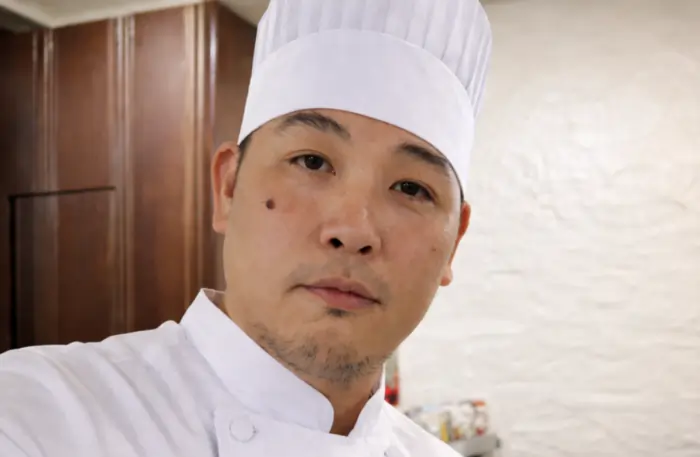
Chef Juan Gadi brings the heart of Filipino hospitality to Ubud, Bali. As an Executive Chef and consultant, he specializes in creating intimate, curated dining experiences that tell a story through every dish. Whether leading the kitchen at Kilig Filipino Warung or hosting a private villa dinner, Chef Juan’s approach is defined by warmth, modern technique, and a commitment to culinary excellence.