Filipino Food Customs Tourists Notice in Bali Key Takeaways
Bali’s dining scene has long drawn travelers with its spice-rich satays and ceremonial feasts, but a quieter culinary story is unfolding across Ubud, Seminyak, and Canggu.
- Filipino Food Customs Tourists Notice in Bali include kamayan-style feasts, family-style sharing, and a reverence for vinegar-based dishes.
- Visitors consistently observe the warmth of Filipino hospitality in dining culture , from welcome drinks to dessert surprises.
- Local chefs are weaving Filipino flavors blending with Balinese cuisine into menus that appeal to both tourists and expats.
What Filipino Culinary Traditions Are Noticeable in Bali
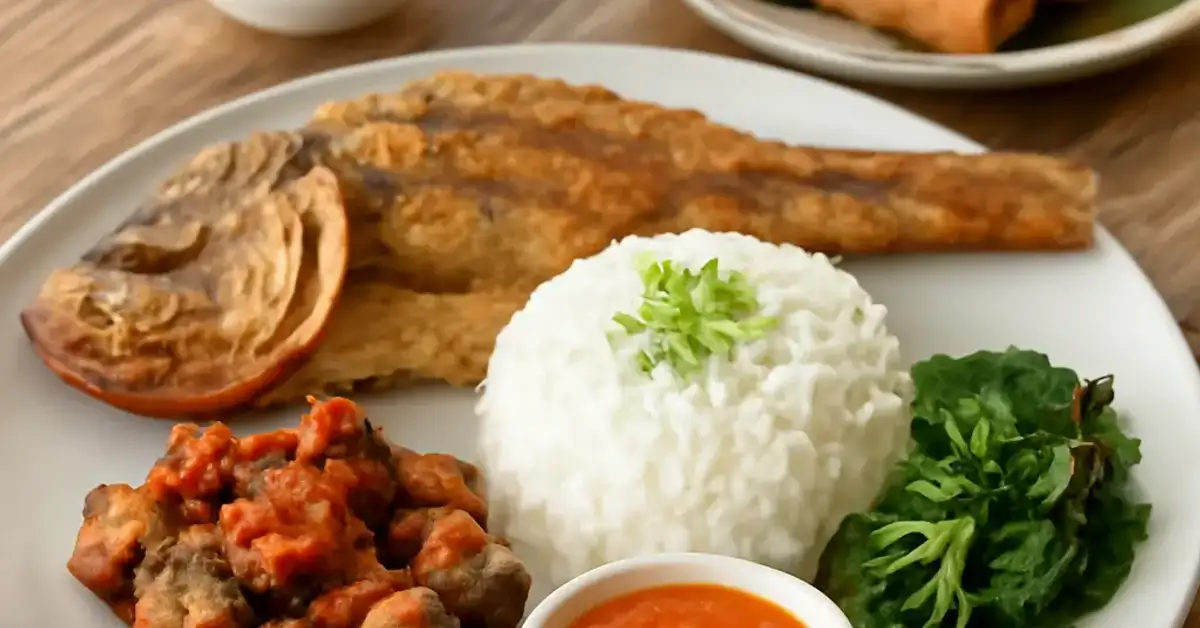
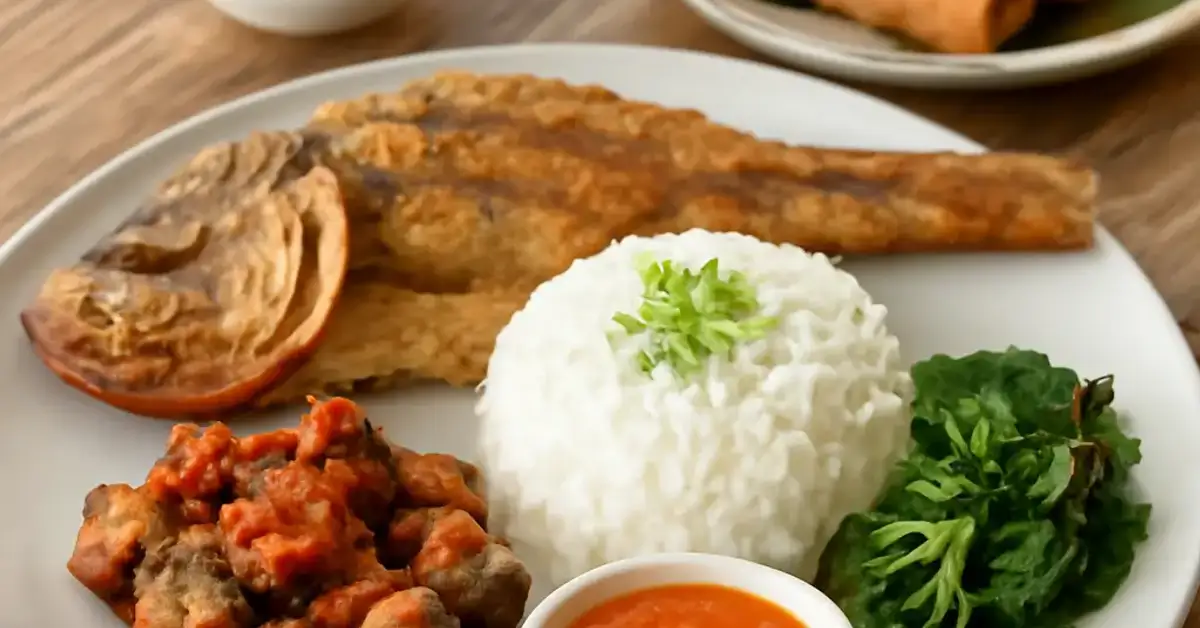
Walking into a warung in Ubud, you might be handed a bowl of sinigang broth before you even see the menu. That instinct to offer something warm and sour—a hallmark of Filipino culinary traditions—is now part of the everyday Bali food culture. Tourists notice it immediately because it does not feel like service; it feels like family. For a related guide, see 7 Filipino Dishes That Match Bali’s Tropical Vibes.
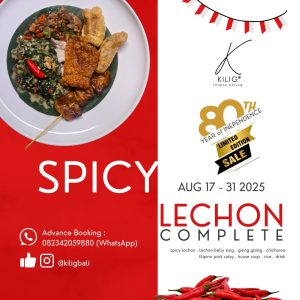
At Kilig Filipino Warung, where I lead the kitchen, we start every meal with a tiny cup of soup or a vinegar dipping sauce. This gesture comes straight from home—where a guest is never left waiting empty-handed. Filipino dishes abroad carry this emotional weight, and Bali diners are responding to it with enthusiasm. The custom is subtle, but it sets a tone that separates a transactional meal from a memorable one.
How Filipino Dining Experiences Appear in Bali
When you sit down for a curated dinner at a private villa or a casual booth at a food market, the shape of the meal often mirrors Filipino dining customs in Bali travel experience. Shared platters arrive at the center of the table—grilled pork belly, turmeric rice, pickled papaya. Each person reaches in, takes what they need, and passes the dish along. This is not a standard Western service; it is a communal rhythm that tourists find both disarming and delightful. For a related guide, see 8 Filipino Villa Dining Experiences Worth Exploring.
The Kamayan Revival
One of the most visually striking customs is kamayan, or eating with hands. In Bali, several pop-up dinners and resorts now offer kamayan-style banquets where banana leaves replace plates, and guests scoop rice and grilled fish directly with their fingers. Tourists often post videos of these meals because the experience feels playful and intimate. Filipino dining habits like kamayan are gaining traction among food vloggers looking for authentic, shareable content.
What Filipino Food Customs Are Observed by Tourists in Bali
Beyond the hands-on feasts, tourists notice smaller, daily customs. One is the habit of offering pulutan—small, salty snacks—alongside drinks. In Bali, this translates to fried tofu with chili vinegar or crisp pork rinds served before a main course. Another is the insistence on refilling your glass or plate before it is empty. Balinese food traditions emphasize balance and ritual, but the Filipino layer adds a persistent generosity that leaves visitors feeling cared for.
At my private villa dinners, I often serve a small dessert of cassava cake or leche flan after the meal. Tourists unfamiliar with Filipino comfort food abroad experience are surprised by how simple, sweet endings anchor the whole meal. It is a habit that lingers long after the table is cleared.
Why Are Filipino Flavors Appreciated in Bali Dining Culture
The question of why Filipino flavors blending with Balinese cuisine work so well comes down to a shared ingredient vocabulary. Both islands love coconut, chili, garlic, and fermented shellfish. When I add bagoong (fermented shrimp paste) to a Balinese sambal matah, the result tastes familiar yet new. Tourists who have traveled across Southeast Asia recognize the umami depth but cannot place it—until they learn it is a Philippine export.
Southeast Asian food fusion Philippines Bali is not a forced trend; it is a natural marriage. Balinese cooks already use palm sugar and tamarind. Filipino cooks bring calamansi and patis (fish sauce). The overlap creates dishes that feel indigenous to island cuisine, not foreign. This is why Filipino street food influence in Bali—like skewered chicken in adobo marinade—sells out within hours at local markets.
How Filipino and Balinese Food Traditions Compare
Drawing an island cuisine comparison Philippines and Bali reveals both kinship and contrast. Bali’s cuisine is heavily ritualistic, with temple offerings that include steamed rice, flowers, and small portions of meat. Filipino cooking, while less ceremonial in public life, revolves around the salo-salo—a gathering that treats food as the centerpiece of community.
| Aspect | Philippine Tradition | Balinese Tradition |
|---|---|---|
| Staple base | Steamed white rice, garlic rice | Steamed white rice, yellow turmeric rice |
| Acidity source | Vinegar (cane, coconut, palm) | Tamarind, lime, raw mango |
| Protein style | Adobo (braised), grilled, fried | Satay (grilled skewers), lawar (minced seasoned meat) |
| Shared meal style | Boodle fight / kamayan on banana leaf | Megibung / joint platter with community spoon |
What tourists see is that both cultures prioritize eating together. The Filipino version is louder, more vinegar-forward, and ends with sweet desserts. The Balinese version is more spice-driven and symbolic. When chefs like myself combine the two, we get a cultural food exchange Asia that feels respectful, not confused.
What Filipino Dishes Influence Bali Food Experiences
Several specific dishes are crossing over into Bali’s dining landscape. Adobo—chicken or pork braised in soy sauce, vinegar, and garlic—is the most common. Tourists find it on menus labeled “Balinese-style braised pork” or simply “Adobo.” Another is lumpiang shanghai (fried spring rolls), which appear as appetizers in fusion restaurants. Filipino comfort food abroad experience often starts with these two dishes because they are approachable and instantly pleasing.
At Kilig, I also serve sisig—a sizzling plate of chopped pork, chili, and calamansi that has become a favorite among expats. It is savory, crispy, and sour all at once. The dish has no direct Balinese equivalent, yet it fits perfectly into Bali’s love for intense, layered flavors. Tourists describe it as “the ultimate bar food” and often ask for the recipe.
How Filipino Culinary Habits Blend with Bali Cuisine
On a practical level, Filipino culinary habits blend with Bali cuisine through shared cooking techniques. Both cultures braise, steam in banana leaves, and deep-fry. In my kitchen, I use the Balinese technique of grilling over coconut husks for Filipino-style skewers. The smokiness from the husk elevates the marinade. Similarly, Balinese cooks are starting to adopt the Filipino habit of adding a splash of vinegar at the end of cooking a soup, which brightens the broth without overwhelming the other spices.
This blending is not limited to high-end dining. Warungs in Canggu now offer turmeric chicken adobo and kinilaw (Philippine ceviche) made with snapper caught off the Balinese coast. Cross cultural food traditions in Bali tourism are visible in every corner of the food scene, from morning markets to late-night stalls.
What Makes Filipino Food Culture Unique in Bali Travel Experiences
What truly sets Filipino food culture influence in Bali apart is the emotional layer. Filipino hosts do not just serve food; they serve attention. If a tourist mentions they love mango, a Filipino cook will find a way to put mango in every dish. If someone looks tired, a warm ginger tea appears. This level of personal care is not scripted. It comes from a culture where Filipino hospitality in dining culture is the highest form of respect.
Tourists often tell me they feel “adopted” during a Filipino dining experience in Bali. That feeling—of being fed, watched over, and sent off with a small treat—is the invisible custom that matters most. In a tourist economy where many meals feel rushed and detached, this custom makes people stop and write reviews, post stories, and recommend the place to friends.
Useful Resources
For deeper reading on Southeast Asian food traditions and cross-cultural culinary exchange, explore these credible sources:
- TasteAtlas – Traditional Dishes in Bali
- Migrants Outreach – Culinary Diplomacy and Filipino Food Identity
Conclusion: The Art of Cross-Cultural Dining
As Bali continues to attract visitors from around the world, the quiet presence of Filipino food customs tourists notice in Bali is proof that food is the softest and most effective cultural bridge. From the first spoonful of sinigang to the last crumb of leche flan, Filipino culinary traditions in Bali remind us that sharing a meal is never just about nutrients—it is about memory, warmth, and the willingness to eat together without borders. I invite you to pull up a chair, reach into the banana leaf, and taste what happens when two island cultures meet at the dinner table.
Frequently Asked Questions About Filipino Food Customs Tourists Notice in Bali
What Filipino culinary traditions are noticeable in Bali?
Visitors notice communal dining, vinegar-heavy dipping sauces, and the habit of offering a small welcome dish before the main meal. These Filipino culinary traditions in Bali are present in both casual warungs and fine dining experiences.
How do Filipino dining experiences appear in Bali?
Filipino dining customs in Bali travel experience typically involve shared platters, family-style service, and a strong emphasis on refilling guests’ plates. Meals often start with a warm broth or a vinegar dip.
What Filipino food customs are observed by tourists in Bali?
Tourists observe the offering of pulutan (snacks with drinks), kamayan (eating with hands), and the practice of serving dessert even after a large meal. These Filipino food customs tourists notice in Bali reflect a generous food culture.
Why are Filipino flavors appreciated in Bali dining culture?
Filipino flavors blending with Balinese cuisine work because both cuisines share coconut, chili, and fermented ingredients. Diners appreciate the sour and savory depth that Filipino dishes add without overpowering local tastes.
How do Filipino and Balinese food traditions compare?
In an island cuisine comparison Philippines and Bali, both cultures eat with hands in communal settings, but Filipino cooking relies more on vinegar while Balinese cooking uses tamarind and spices. Both center meals around rice.
What Filipino dishes influence Bali food experiences?
Adobo, lumpiang shanghai, sisig, and kinilaw are the most common Filipino dishes abroad found in Bali. They appear on menus as standalone items or as fusion dishes blended with local seafood and herbs.
How do Filipino culinary habits blend with Bali cuisine?
Filipino culinary habits such as finishing soups with vinegar and serving grilled skewers with a dipping sauce are now incorporated into Balinese kitchens. The exchange creates a seamless Southeast Asian food fusion Philippines Bali.
What makes Filipino food culture unique in Bali travel experiences?
The uniqueness lies in the personal attention—chefs and hosts remember preferences, serve extra portions, and offer small farewell treats. This Filipino hospitality in dining culture transforms a meal into a meaningful connection.
How do tourists describe Filipino inspired food in Bali?
Tourists describe it as “bold but comforting,” “like a hug on a plate,” and “the best unexpected surprise of their trip.” Filipino comfort food abroad experience evokes nostalgia even for first-timers.
Where can I find Filipino food in Bali?
Kilig Filipino Warung in Ubud, several pop-up dining events in Seminyak, and a growing number of warungs in Canggu offer Filipino culinary traditions in Bali alongside local favorites.
Is Filipino street food available in Bali?
Yes, Filipino street food influence in Bali appears as skewered chicken adobo, fried tofu with vinegar, and grilled banana skewers sold at night markets and food bazaars.
Do Balinese chefs adopt Filipino cooking methods?
Increasingly, yes. Balinese chefs are borrowing the Filipino technique of braising meat in vinegar and soy, and the habit of serving raw fish salad with citrus, creating a genuine cultural food exchange Asia.
What is the first Filipino custom tourists notice in Bali?
The first custom is almost always the welcome gesture—a small bowl of soup or a dipping sauce served before the meal order is taken. This exemplifies Filipino hospitality in dining culture.
Are there kamayan dinners in Bali?
Yes, several resorts and private dining services offer kamayan-style banquets where guests eat with their hands from banana leaves. It is one of the most photogenic Filipino food customs tourists notice in Bali.
How does Filipino comfort food show up in Bali?
Dishes like chicken arroz caldo (rice porridge), pancit (noodles), and leche flan appear on fusion menus and Sunday brunch buffets. They represent Filipino comfort food abroad experience at its most accessible.
What role does vinegar play in Filipino-Balinese fusion?
Vinegar is the defining acidity in Filipino food, and it meshes beautifully with Balinese citrus and tamarind. It is a key component of Filipino flavors blending with Balinese cuisine in salad dressings and marinades.
Do Filipino restaurants in Bali cater to vegetarians?
Most Filipino-inspired restaurants in Bali offer vegetable adobo, tofu sisig, and kinilaw made with coconut or mushrooms. This inclusive approach appeals to the wellness-oriented Bali tourism food experience.
How does Filipino food culture influence Balinese hospitality?
Filipino food culture influence in Bali shows in the way staff are trained to remember guest names and dietary preferences, and to send diners off with a small handmade thank-you gift.
What is the best way to experience Filipino food in Bali as a tourist?
Book a private villa dinner with a chef who specializes in Filipino culinary traditions in Bali or visit a warung that features a daily rotating menu of Filipino dishes. Both options give you a personal, unhurried experience.
Are there Filipino cooking classes in Bali?
Yes, several culinary schools in Ubud and Sanur now offer half-day classes focusing on Southeast Asian food fusion Philippines Bali, where you learn to cook adobo, kinilaw, and Balinese sate lilit side by side.
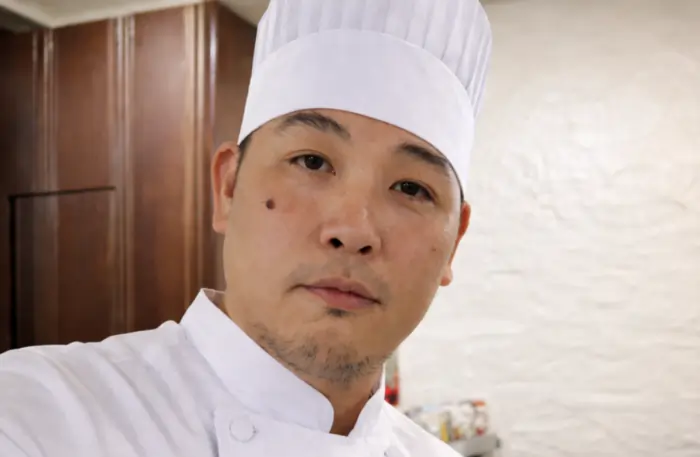
Chef Juan Gadi brings the heart of Filipino hospitality to Ubud, Bali. As an Executive Chef and consultant, he specializes in creating intimate, curated dining experiences that tell a story through every dish. Whether leading the kitchen at Kilig Filipino Warung or hosting a private villa dinner, Chef Juan’s approach is defined by warmth, modern technique, and a commitment to culinary excellence.