
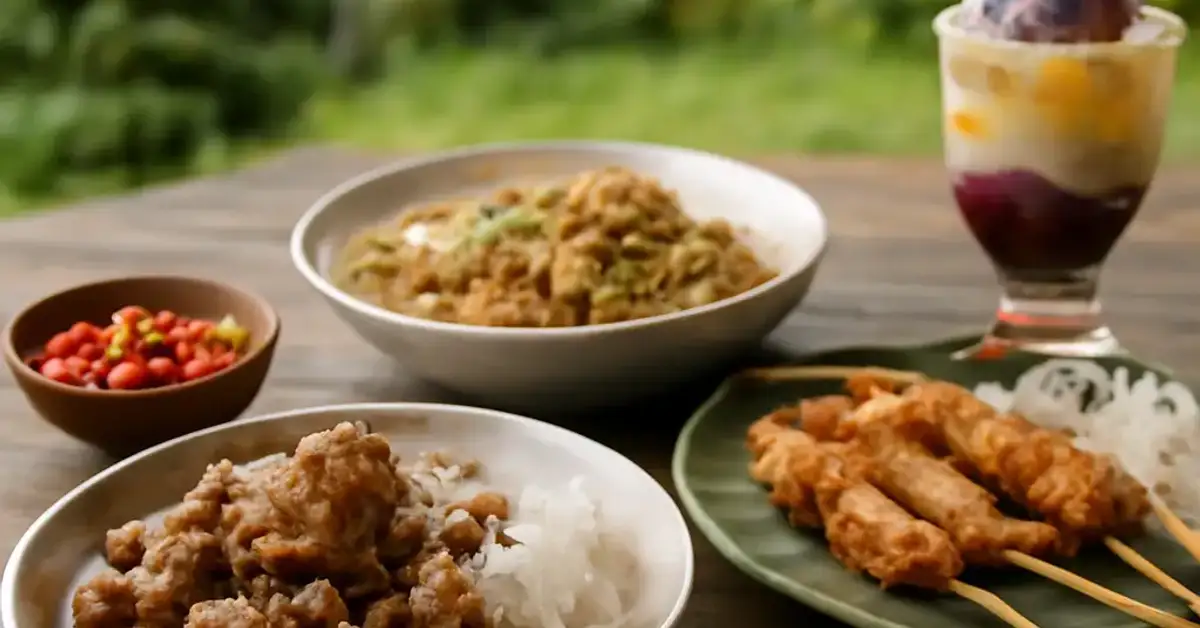
Filipino Dishes Travelers Crave While in Bali Key Takeaways
Filipino cuisine, with its bold vinegary tang, garlicky depth, and love for rice, finds a surprising home in Bali.
- Filipino Dishes Travelers Crave While in Bali range from Adobo to Leche Flan, each adaptable using local ingredients.
- Shared meal traditions between Filipinos and Indonesians make dining in Bali feel familiar and comforting for Filipino expats.
- How overseas Filipinos maintain food traditions in Bali involves creative swaps like using palm sugar for muscovado and local sambal for sawsawan.
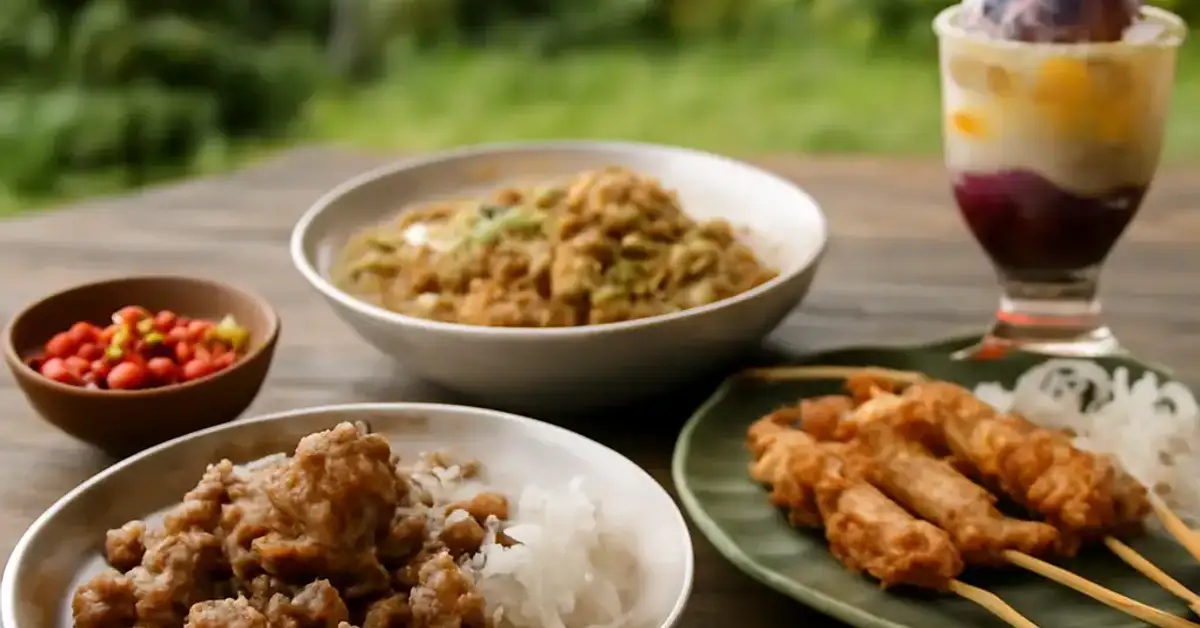
Why Filipino Dishes Travelers Crave While in Bali Feel So Familiar
There is something magnetic about island life that draws Filipinos to Bali. Beyond the surf breaks and rice terraces, the kitchen is where the heart truly connects. When you walk into a local Balinese warung, the scent of simmering coconut milk and fried shallots hits you like a memory you didn’t know you had. That is because the fusion of tropical island cuisines between the Philippines and Indonesia runs deep, rooted in centuries of trade and shared Austronesian heritage.
The everyday eating habits of Filipinos abroad often revolve around familiar rituals: communal rice meals, dipping sauces, and the priority of eating together as a family. This aligns seamlessly with Balinese dining, where food is seldom eaten alone. The adaptation of Filipino food habits in Bali living happens naturally because both cultures share a reverence for rice-based meals and a love for bold, savory flavors tempered by tropical sweetness. For a related guide, see 11 Filipino Dining Habits That Match Bali Living.
For the Filipino expat, cooking at home becomes an act of cultural preservation. Home cooking abroad transforms a rented villa into a little piece of Manila, Cebu, or Davao. Below are the ten dishes that top every Filipino traveler’s must-eat list while in Bali.
1. Adobo – The National Dish with a Balinese Twist
No list of Filipino Dishes Travelers Crave While in Bali would be complete without adobo. This beloved stew of meat braised in vinegar, soy sauce, garlic, and bay leaves is the ultimate comfort food traditions dish. In Bali, Filipino cooks easily source excellent free-range chicken and pork from local markets. The key adaptation is swapping native soy sauce with a quality Indonesian kecap manis or a less sweet local soy sauce to control the flavor balance.
Adaptation Tips for Bali Lifestyle
Using Bali’s fragrant lemongrass and kaffir lime leaves can add a gentle citrus note that marries well with the vinegar tang. Many Filipino expats also add a touch of Indonesian bay leaf (daun salam), which is similar but slightly milder. The result is an adobo that tastes both authentic and distinctly like Bali.
2. Sinigang – Sour Soup in the Tropics
The bright, comforting sourness of sinigang hits a special spot in the tropical heat. Southeast Asian food habits often favor sour and spicy broths, and sinigang fits right in. In Bali, native tamarind is abundant, but some Filipinos also use local asam kandis or even unripe starfruit (belimbing wuluh) to achieve that perfect sour profile.
How to Source Ingredients
Local markets like Pasar Badung sell water spinach (kangkung), okra, and long beans that work beautifully in sinigang. Pair it with steamed jasmine rice, and you have a meal that cools the body and satisfies the soul.
3. Kare-Kare – Oxtail Stew Meets Indonesian Peanut
Kare-kare is a rich oxtail and tripe stew thickened with ground toasted rice and peanut sauce. The shared meal traditions between Filipinos and Indonesians shine here because Indonesia is a master of peanut-based sauces (think satay and gado-gado). Filipino cooks in Bali often use prepared Indonesian sambal kacang as a base, adjusting sweetness with palm sugar.
Vegetable Variety in Bali
The abundance of fresh leafy greens and tropical vegetables like eggplant and long beans makes it easy to serve kare-kare with an authentic vegetable side.
4. Sisig – Sizzling Pork for Night Markets
Sisig, the sizzling chopped pork dish with calamansi and chili, has become a Filipino ambassador across Southeast Asia. In Bali, it fits the island’s Bali lifestyle bar and night market scene perfectly. Local warungs and expat-run restaurants have begun offering sisig with Balinese twists, sometimes using chicken or tofu as base.
Where to Find It
Several Filipino-owned eateries in Seminyak and Canggu now serve sisig on their menus, often paired with a cold Bintang beer. The use of local chili padi gives it an extra kick that Filipino diners adore.
5. Lechon Kawali – Crispy Pork Belly Island Style
Crispy lechon kawali is a celebration of pork belly at its finest. Island living food culture across the Philippines and Indonesia both prize crispy fried foods. In Bali, the quality of free-range pork from regions like Babi Guling fame translates directly into excellent lechon kawali.
Cooking at Home
Filipino expats often host weekend lechon kawali parties, serving it with a vinegary dipping sauce made from local palm vinegar and garlic. The process of boiling, drying, and double-frying remains the same, but the pork taste is noticeably richer.
6. Pancit – Noodles for Every Occasion
Pancit is synonymous with birthdays and gatherings in the Philippines. How overseas Filipinos maintain food traditions in Bali often starts with pancit. The dish is endlessly adaptable. Using local bihun (rice vermicelli) or even fresh soto noodles from Balinese markets creates a uniquely hybrid version.
Shared Noodle Culture
Indonesia has its own rich noodle tradition (mie goreng, bakmi), so the concept of stir-fried noodles with vegetables and protein is already deeply familiar. Filipino pancit becomes a bridge dish that both expats and local friends love.
7. Filipino-Style Curry (Ginataang Manok)
Ginataang manok is chicken simmered in coconut milk with ginger and green papaya. Fusion cuisine Asia is basically a given here because Bali’s kitchens overflow with coconut milk. The Filipino version is lighter and less spicy than a Balinese gulai, but both comfort the same way.
Tropical Ingredients at Work
Using fresh young coconut milk from a local market and adding local chili for heat makes this dish feel both familiar and excitingly Balinese.
8. Halo-Halo – Dessert Festival in a Glass
Halo-halo is the ultimate tropical diet dessert: shaved ice, sweet beans, jellies, fruits, leche flan, and ube ice cream. Tropical fruits diet and sweet treats are central to both Filipino and Balinese snacking. In Bali, the challenge is finding ube (purple yam). Many expats now grow ube in their garden or source frozen ube from specialty stores.
Local Substitutions
Balinese jackfruit, young coconut, and local sago pearls make excellent substitutes. The dessert becomes a colorful celebration of tropical abundance.
9. Leche Flan – Silky Caramel Custard
Leche Flan is the quintessential Filipino fiesta dessert. Filipino comfort food influence in Southeast Asia has made leche flan a hit among Balinese locals who already love similar desserts like bubur sumsum. The ingredients are universally available: eggs, condensed milk, and sugar.
Serving at Gatherings
Filipino expats often bring leche flan to potluck gatherings, where it is always a crowd-pleaser. The caramel sauce can be made using local palm sugar for a deeper, more complex flavor.
10. Arroz Caldo – Ginger Rice Porridge for the Soul
Arroz caldo is a warm ginger and chicken rice porridge that comforts like a hug. The adaptation of Filipino food habits in Bali living makes arroz caldo a go-to for rainy or sick days. Bali’s equivalent is bubur ayam, which is also a rice porridge with chicken, albeit spicier.
Everyday Eating Habits
Many Filipino families in Bali prepare arroz caldo for breakfast or as a light dinner, topping it with fried garlic, green onions, and a squeeze of calamansi (substituted with local kalamansi or lime).
Useful Resources
For deeper reading on the similarities between Filipino and Balinese dining culture, consider these references:
Learn about traditional Balinese cooking techniques at Bali Foods – Traditional Cooking, a resource that explains the cultural context behind shared ingredients.
For Filipino expat community recipes adapted for Bali, visit Filipino Expat Kitchen – Bali Edition.
The Filipino-Balinese Dining Connection: Why It Works
The Filipino dining culture in Bali lifestyle thrives because both worlds value rice, family-style sharing, and bold flavors. How overseas Filipinos maintain food traditions in Bali is a story of adaptation without losing soul. Whether you are a digital nomad staying for a month or an OFW settling into island life, these ten dishes remind you that home is never far away — especially when you can taste it. For a related guide, see 10 Filipino Food Experiences Travelers Love in Bali.
Frequently Asked Questions About Filipino Dishes Travelers Crave While in Bali
What are Filipino dining habits that fit Bali living?
Filipino dining habits like eating with the hands (kamayan), communal sharing of dishes, and serving rice with every meal fit perfectly into Balinese culture, where food is also shared and rice is central.
How do Filipinos adapt their eating habits in Bali?
They adapt by using local tropical ingredients like lemongrass, kaffir lime, and palm sugar, and by incorporating Balinese sambals as dipping sauces alongside traditional sawsawan.
What Filipino food traditions work well in Bali lifestyle?
Kamayan (hand eating), potluck fiestas, and cooking large batches of adobo or sinigang for gatherings work well because Balinese also enjoy communal, slow-paced meals.
Why do Filipino meals align with Bali food culture?
Both cuisines share core ingredients like coconut milk, rice, and tropical fruits, as well as a love for sour, salty, and savory flavor profiles.
How do overseas Filipinos maintain dining customs in Bali?
They maintain customs by hosting regular Filipino meals, sourcing ingredients from local markets, and teaching their children traditional recipes.
What similarities exist between Filipino and Balinese dining habits?
Both prioritize eating together, use banana leaves for plating, feature rice in every meal, and enjoy a variety of dipping sauces.
How does island living influence Filipino food choices in Bali?
Island living encourages a diet rich in fresh seafood, tropical fruits, and coconut-based dishes, which naturally aligns with Filipino cooking traditions.
What makes Filipino comfort food suitable for Bali living?
Its balance of sour, salty, and savory flavors is refreshing in hot weather, and many dishes are one-pot meals that suit simple island cooking.
How do Filipinos blend local Bali ingredients with Filipino dishes?
They use local sambal for sawsawan, palm sugar for sweeteners, and Balinese long beans and kangkung in place of Philippine vegetables.
What dining practices are common between Filipinos and Indonesians?
Common practices include using the right hand for eating, serving food in shared bowls, and having a sweet and savory snack culture.
How do Filipino families eat while living in Bali?
They often eat together at home, preparing Filipino dishes using local produce, and hosting weekend gatherings with lechon or pancit.
What food habits do Filipinos continue abroad?
They continue eating rice at every meal, using sawsawan, and cooking dishes like adobo and sinigang that are forgiving with ingredient substitutions.
How does tropical climate affect Filipino dining style?
The heat encourages lighter meals like sinigang and fresh spring rolls, and people prefer cooking early in the morning to avoid the midday heat.
What foods do Filipinos miss while living in Bali?
They miss fresh ube, young tamarind, and specific Filipino brands of soy sauce and vinegar, though many find local alternatives.
How do Filipino expats adjust meals in Bali?
They adjust by substituting ingredients, growing ube or calamansi in their gardens, and learning to make their own bagoong from local shrimp.
Can I find Filipino restaurants in Bali?
Yes, there are several Filipino-owned restaurants and pop-up kitchens in areas like Seminyak, Canggu, and Ubud serving classic dishes.
Is it expensive to cook Filipino food in Bali?
Not at all. Local markets offer affordable fresh produce, and protein like chicken and tofu is inexpensive, making home cooking very budget-friendly.
What is the easiest Filipino dish to make in Bali?
Adobo is the easiest because the ingredients are widely available and the recipe is very forgiving.
Do Balinese people enjoy Filipino food?
Yes, many Balinese locals enjoy Filipino dishes like lechon kawali and leche flan because the flavors are similar to their own cuisine.
What does Filipino dining culture in Bali teach us?
It teaches that food is a powerful bridge between cultures, and that adaptation can create beautiful new traditions without losing identity.
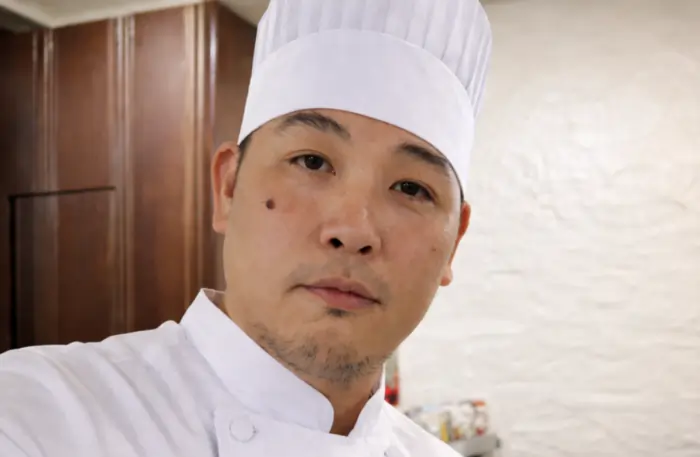
Chef Juan Gadi brings the heart of Filipino hospitality to Ubud, Bali. As an Executive Chef and consultant, he specializes in creating intimate, curated dining experiences that tell a story through every dish. Whether leading the kitchen at Kilig Filipino Warung or hosting a private villa dinner, Chef Juan’s approach is defined by warmth, modern technique, and a commitment to culinary excellence.