

Most Meaningful Bali Memories Are Often the Simplest Key Takeaways
Across the terraced rice fields of Ubud and the gentle shores of Sanur, I have learned that the most meaningful Bali memories are often the simplest .
- The most meaningful Bali memories are often the simplest because they bypass the noise of expectation and land directly in the heart.
- Emotional travel experiences in Bali grow from simple moments Bali offers freely — scent of frangipani, a Balinese smile, a silent sunrise.
- True travel reflection and gratitude travel happen when you let cultural immersion and island life Bali rhythms guide you, rather than a checklist.

Why Simple Moments in Bali Create Lasting Emotional Travel Experiences
Every traveler carries a different Bali inside them. For some, it is a mountain summit at dawn. For others, it is the taste of a grilled corn cob from a roadside vendor in Canggu. What binds these memories together is not their grandeur, but their emotional weight. The most meaningful Bali memories are often the simplest because they arrive when you are fully open — when your guard is down, your phone is in your bag, and you are simply breathing the humid island air.
Bali memories born from simplicity have a texture that luxury packages cannot replicate. I recall sitting on a worn wooden bench outside a Balinese culture compound in Tegallalang, watching a grandmother prepare canang sari offerings. She did not speak English. I did not speak Balinese. Yet she smiled, handed me a fallen frangipani, and returned to her work. That moment — less than two minutes — remains more vivid than any museum or waterfall I visited on that trip. This is the power of human connection travel. When we strip away the performance of being a tourist, we become a guest. And Bali, more than almost any place I know, treats guests like family.
Travel psychology research supports what every slow traveler intuits: the brain encodes emotionally resonant, novel, and sensory-rich moments more deeply than repetitive, high-stimulus events. A day spent chasing ten temple selfies blurs into one. A morning spent learning to make a single offering with a local family crystallizes into a permanent emotional photograph. Meaningful travel is not about volume of attractions; it is about depth of connection.
How Balinese Culture Encourages Appreciation of Simple Moments
The Bali lifestyle is built around a concept called Tri Hita Karana — the three causes of well-being: harmony with God, harmony with people, and harmony with nature. This philosophy permeates everything, from the way rice is planted cooperatively to the way strangers are greeted with a palm-over-heart bend. Cultural immersion in Bali is not something you schedule; it is something you absorb by slowing down. When you adapt to island life Bali, you start to notice the small rituals: the morning offerings of rice and petals placed on every doorstep, the sound of gamelan drifting from a village temple at dusk, the shared laughter over a plate of nasi campur at a family-run warung. For a related guide, see 7 Reasons Why Happiness Often Finds You in Bali’s Simplest Moments.
In the West, we are conditioned to measure experiences by scale. Bali quietly suggests that the opposite is true. The emotional value of simple travel experiences in Bali is immense precisely because they are anti-climactic. A sunset at Tanah Lot is spectacular, but so is the sunset behind a single coconut palm in a deserted rice field. The difference is expectation. Letting go of expectation is the first step toward mindfulness and presence during everyday moments.
Mindfulness and Presence During Everyday Moments in Bali
Being present sounds simple, yet it is one of the hardest skills for a modern traveler to master. In Bali, the environment practically teaches you. The heat slows your walk. The lack of rush hour noise opens a space in your mind. When you practice travel mindfulness, a ten-minute wait for a cup of kopi tubruk becomes a meditation rather than an annoyance. The steam rising from the small glass, the bitterness on your tongue, the rooster crowing in the distance — these small data points become the real souvenirs.
I remember a morning in Sidemen where rain trapped me in a bamboo bungalow. No Wi-Fi. No plan. I simply sat on the veranda and watched the rain fall on the palm leaves, drip by drip. That hour of doing nothing — of how quiet and ordinary experiences become unforgettable — is now one of my most treasured Bali memories. It taught me that presence is a gift we give ourselves. And Bali, with its unhurried grace, is the perfect wrapping.
The Role of Nature and Peaceful Environments in Memory Formation
Neuroscience has a name for the feeling we get in places like Bali: soft fascination. It is the restorative state that occurs when gentle, naturally interesting stimuli — rustling bamboo, flowing water, bird calls — allow our directed attention to rest. In this state, emotional travel experiences are absorbed more deeply. The brain is not busy filtering noise; it is free to feel. This is why how quiet and ordinary experiences become unforgettable is not a poetic exaggeration but a biological fact. Peaceful destinations like the rice terraces of Jatiluwih or the black sand beaches of Amed are not just beautiful; they are memory-making machines precisely because they are calm.
Bali sunsets have a particularly powerful effect. They are daily, democratic, and free. They do not require a reservation. Whether you watch from Seminyak or a random patch of sand near Candidasa, a good sunset rearranges something inside you. The colors, the breeze, the softening light create a container for travel reflection. You look back on your day, your life, your choices. The sunset does not judge. It simply blazes and fades, leaving you quieter than you were before.
Sunsets, Beaches, and Daily Routines as Lasting Impressions
I have a habit of walking the same stretch of beach every morning when I am in Bali. The same families fishing from the same wooden boats. The same woman selling fresh pineapple. The same dogs chasing waves. In a world that prizes novelty, this repetition might seem dull. But in Bali, how quiet and ordinary experiences become unforgettable often happens through ritual. By repeating a simple act — morning coffee at a roadside stall, evening prayers at a village temple — you are not doing nothing. You are emotional connection formed through slow travel experiences with a place. You are becoming part of its rhythm. And that belonging is what makes the memory stick.
Authentic experiences like these — a shared bowl of bubur ayam with a vendor who remembers your order, a bicycle ride through village paths where children wave without being prompted — have a staying power that sets them apart from any five-star spa treatment. They cost nothing in money, but everything in presence. And that is exactly why the most meaningful Bali memories are often the simplest. For a related guide, see Why Shared Moments Feel More Meaningful in Bali.
Human Connections and Small Interactions Creating Strong Emotional Impact
If you ask any long-term Bali visitor what they remember most, they will not mention a hotel. They will tell you about a person. The driver who waited two extra hours because your flight was delayed and refused extra payment. The homestay mother who taught you to wrap a sarong properly. The little boy at the temple festival who tugged your hand and showed you where to sit. Human connection travel is the emotional backbone of every meaningful travel experience. In Bali, Bali hospitality is not a transaction; it is an extension of the belief that every guest is a temporary family member.
I remember a small conversation in a warung in Ubud. The owner, a woman named Ibu Ratih, noticed I was eating alone. She pulled up a chair and sat down. She asked about my mother, my work, my happiness. She did not want anything from me. She simply wanted connection. In that ten-minute conversation, I felt more seen than in a week of city life back home. Gratitude travel is not just about appreciating beauty; it is about appreciating kindness. And Bali memories are disproportionately made of these micro-moments of generosity.
Everyday Kindness and Hospitality Leaving Lasting Impressions
Bali hospitality is legendary, but it is not performative. It shows up in small, consistent ways: the extra sweetener in your coffee because the server remembered your preference; the umbrella offered when a sudden downpour catches you; the local family who invites you to their temple ceremony simply because you smiled at them. These acts create authentic experiences that cannot be packaged or sold. They are the raw material of travel nostalgia. Years later, you will not remember the name of the nightclub, but you will remember the old man who gave you a mango from his tree.
Shared meals and conversations as core memory triggers is a concept that every traveler should embrace. In Bali, food is always more than fuel. A meal at a local warung is a social event. A lunch by the river with a new friend from a hostel becomes a foundational memory. The combination of sensory richness — spices, heat, laughter, sweat — and emotional intimacy creates a powerful mnemonic. The table is where walls come down. And when they do, simple moments Bali enters the soul.
How Stress-Free Environments Allow Deeper Emotional Absorption
One of the most overlooked benefits of slow travel is the biological shift from a sympathetic (fight-or-flight) state to a parasympathetic (rest-and-digest) state. In a stress-free environment, your body is not scanning for threats. Instead, it is open to input. This is why the role of nature and peaceful environments in memory formation cannot be overstated. When cortisol drops, emotional absorption rises. Bali’s relaxed atmosphere supporting emotional connection is not just a vacation perk; it is a chemical advantage for building lasting memorable vacations.
Consider the difference between a day spent rushing through traffic to see three waterfalls and a day spent sitting in a village with no schedule. The first creates anxiety and blurry photographs. The second creates travel reflection and a sense of being exactly where you need to be. Personal transformation through quiet travel experiences often happens in these gaps. You are not transforming because you booked a special class; you are transforming because you finally stopped moving long enough to feel.
Sensory Experiences Like Sounds, Smells, and Visuals Shaping Memory
Memory is sensory. Smell, in particular, has a direct line to the hippocampus. The scent of clove cigarettes, damp earth after a tropical rain, coconut oil on sun-warmed skin — these fragrances can transport you back to a precise moment in Bali years later. Travel psychology calls this the Proust effect. In Bali, it is a daily occurrence. The sounds of wind chimes, frogs at dusk, the click of a motorcycle engine starting at dawn — they all embed themselves into your mind without asking for permission. Sensorimotor memories are often stronger than verbal ones. This is why the most meaningful Bali memories are often the simplest ones — a particular shade of pink at sunset, the texture of a cold Bintang bottle in your hand, the feeling of sand between your toes at low tide.
These sensory experiences like sounds smells and visuals shaping memory form the foundation of what psychologists call episodic memory. The richest episodes are multi-sensory. A sunset is beautiful, but a sunset watched while tasting grilled fish and hearing a distant gamelan is unforgettable. Bali memories are vibrant precisely because the island overstimulates your senses in the gentlest possible way.
Reflection and Mindfulness Increasing Memory Retention
The difference between a memorable vacation and a forgettable one often comes down to one thing: reflection. When you pause at the end of each day in Bali to journal, or simply sit and think, you are filing the experience in your long-term memory. Reflection and mindfulness increasing memory retention is not a new age claim; it is a research-backed fact. Active recall strengthens neural pathways. Without reflection, even the most beautiful Bali memories can fade into a blur of highlights.
I have a ritual on Bali trips: I write down one sentence every evening about the simplest moment that made me feel something. The sentences are never about big attractions. They are about the old man fishing with a bamboo pole, the dog that followed me for a kilometer, the taste of jackfruit at the market. Over time, these sentences become a collection of proof that simplicity reinforcing emotional clarity and appreciation is not just poetic — it is real.
Gratitude and Awareness Enhancing Memory Depth
Gratitude travel is a practice that transforms a trip from a series of events into a deeply felt experience. By consciously cultivating gratitude for small things — a cool breeze, a comfortable bed, a friendly face — you attach positive emotional weight to them. Emotionally charged memories are more salient. They are remembered with more detail and more warmth. This is why how gratitude and awareness enhance memory depth is a key insight for anyone who wants their travels to last beyond the plane ride home.
In Bali, gratitude is built into the culture. Every morning begins with an offering of thanks. Every greeting includes a smile. By mirroring this gratitude, visitors deepen their own capacity for mindfulness and presence during everyday moments. The simple act of saying thank you — truly meaning it — can turn an ordinary interaction into a cherished memory.
Why Emotional Presence Matters More Than Luxury or Complexity
In our quest for the perfect vacation, we often equate excellence with expense. A private villa, a gourmet dinner, a helicopter tour. Yet meaningful travel shaped by authenticity rather than extravagance is the secret that seasoned travelers know but rarely advertise. The most powerful emotional travel experiences come not from complexity but from emotional presence. When you are fully there — not looking at your phone, not thinking about work, not planning the next thing — even the simplest interaction becomes a potential core memory.
I once spent an entire afternoon sitting on a crumbling wall in a village near Munduk, watching two boys fly a kite. They had no fancy equipment; the kite was made of plastic bags and string. They laughed when it fell. They cheered when it soared. No one was documenting it. It was pure play. I watched for two hours and left changed. That kite — made of trash and joy — is now a symbol for how spontaneous moments becoming cherished memories is the true luxury of travel. And in Bali, that luxury is available to everyone.
Simple Moments Bali: Practical Ways to Cultivate Simplicity on Your Trip
If you want your next trip to Bali to be filled with simple moments Bali that become Bali memories, you do not need to plan less. You need to plan differently. Here are a few strategies to open the door for simplicity:
- Leave one full day unscheduled every four days. Do not fill it. Let it fill itself.
- Eat at warungs, not just restaurants. The best conversations happen on plastic stools.
- Walk or cycle short distances instead of taking a scooter. Movement at human speed reveals details.
- Spend at least one evening without Wi-Fi. Sit outside. Listen. Let the darkness settle around you.
- Learn five words of Bahasa Indonesia and use them. Terima kasih (thank you) opens doors.
- Go to a village temple ceremony if invited. You will be welcomed. You will remember it forever.
- Wake up early once. Watch the morning offerings being placed. Notice the quiet before the world wakes up.
These small actions create the conditions for the importance of emotional presence over luxury or complexity to reveal itself naturally. You do not need to force simplicity. You simply need to stop blocking it.
Lasting Nostalgia Built from Small but Genuine Interactions
Travel nostalgia is a curious thing. It does not cling to the postcard moments. It whispers to you in the middle of a workday, months or years later, about the smell of the market in Ubud, the heat of the pavement on your bare feet, the laugh of a child who showed you a gecko. Lasting nostalgia built from small but genuine interactions is the quiet architecture of a meaningful travel life. It is built one modest moment at a time.
In Bali, these moments are abundant. They are not hidden. They are simply easy to miss if you are moving too fast. But if you slow down enough to let them in, you will find that the most meaningful Bali memories are often the simplest — not because you settled for less, but because you showed up for more. You showed up with your whole heart. And Bali, in return, gave you a memory that will not fade.
Travel Experiences That Feel Honest and Grounded
Meaningful travel feels honest. It does not try to impress anyone. It does not cost a fortune. It simply exists — a quiet witness to your own becoming. Travel experiences that feel honest and grounded are the ones that do not need to be shared online to be real. They are yours alone. In Bali, the honest experiences are everywhere: the unprompted wave from a farmer, the shared laughter over a language mistake, the feeling of sitting in a temple courtyard as the sun shifts and the shadows grow long.
Simplicity as the foundation of meaningful travel memories is not a limitation. It is liberation. It frees you from the tyranny of the itinerary and invites you into the unpredictable grace of the present moment. That is why the most meaningful Bali memories are often the simplest: they ask nothing of you except your full presence. And in giving that, you receive everything.
Useful Resources
If you want to dig deeper into the psychology of memory and slow travel, these two resources are excellent starting points. The Art of Stillness by Pico Iyer explores why stepping away from speed is essential for meaningful experiences. For a hands-on guide to Balinese culture and etiquette, the Bali Bible provides practical insights that help travelers connect more meaningfully with local life.
Frequently Asked Questions About Most Meaningful Bali Memories Are Often the Simplest
Why are simple moments in Bali the most memorable?
Simple moments are memorable because they engage your emotions and senses without the distraction of crowds or expectations. When you are fully present during an unscripted interaction or a quiet sunrise, your brain encodes it as an emotionally significant event, which strengthens memory retention.
How does simplicity enhance travel experiences?
Simplicity removes the pressure to perform or achieve. It lowers cortisol and opens space for genuine connection. In a simpler setting, you notice details — the sound of leaves, the warmth of a smile — that complexity masks.
Why do travelers remember small experiences more than big attractions?
Big attractions often overwhelm the senses and fatigue the brain. Small experiences offer novelty within a comfortable emotional context, which makes them stand out in your autobiographical memory. Travel psychology confirms that emotional resonance, not scale, determines what we recall.
What makes Bali’s everyday moments meaningful?
Bali’s culture, natural beauty, and rhythm of life amplify the emotional weight of everyday moments. The Balinese philosophy of harmony with God, people, and nature makes even a shared meal or a morning offering feel sacred.
How does mindfulness affect travel memory?
Mindfulness improves encoding efficiency. When you are fully present, your brain processes sensory and emotional data more thoroughly, which enhances recall. Mindful travel experiences are sharper, richer, and more lasting than distracted ones.
Why are sunsets and simple routines so powerful in Bali?
Sunsets are daily, predictable, yet unique events. Their visual beauty combined with the lowering light triggers a reflective state. Simple routines like morning walks create a sense of belonging, which deepens emotional attachment to place.
How does Balinese lifestyle influence emotional experiences?
The Balinese lifestyle emphasizes community, gratitude, and ritual. This collective mindset makes visitors feel welcomed and safe. The slower pace allows visitors to drop their mental guard and absorb experiences more fully.
What role does gratitude play in simple travel memories?
Gratitude attaches positive emotion to memory. When you consciously appreciate a simple moment — a cool breeze, a kind word — you strengthen the neural pathways associated with that experience, making it more durable.
Why do quiet experiences feel more lasting than luxury experiences?
Luxury experiences often involve high sensory input and social performance, which can create a stress response. Quiet experiences allow the brain to process events deeply without the interference of adrenaline or social anxiety.
How do simple interactions create strong travel memories?
Simple interactions — a smile, a shared laugh, a spontaneous invitation — are emotionally authentic. They trigger activation in the orbitofrontal cortex, which is linked to reward and emotional memory. These genuine human exchanges are among the most powerful memory triggers.
Can slow travel really transform your mindset?
Yes. Slow travel shifts your focus from quantity of experiences to quality of presence. Over time, this practice can reduce anxiety, increase patience, and cultivate a deeper appreciation for everyday life — changes that last long after the trip ends.
What is the best way to experience Bali like a local?
Stay in family-run homestays, eat at warungs, walk villages at dawn, learn a few words of Bahasa Indonesia, and accept spontaneous invitations to temple ceremonies. The goal is to participate, not observe.
How can I practice travel reflection during my Bali trip?
Set aside five minutes each evening to write or think about one simple moment that felt meaningful. Avoid screens during this time. Let the memory settle before you document it online.
Are there specific villages in Bali known for their simplicity?
Sidemen, Munduk, Tenganan, and Belimbing are known for their untouched charm. These villages offer quiet landscapes, traditional crafts, and interactions that feel unhurried and genuine.
Why do so many travelers return to Bali multiple times?
Bali’s simplicity is addictive. Once you experience the emotional depth of a sunset without expectations or a conversation without agenda, you want to return to that state of being. The island becomes a shortcut to your own inner peace.
What is Tri Hita Karana and how does it affect visitors?
Tri Hita Karana is the Balinese philosophy of harmony with God, people, and nature. Tourists absorb this ethos through daily interactions. It encourages respect, calm, and a sense of interconnectedness, all of which enhance memory formation.
Can spending time in nature deepen emotional travel memories?
Absolutely. Natural settings trigger soft fascination, a state of relaxed attention that promotes emotional absorption. The combination of sensory richness and lack of threat in nature makes memories more vivid.
How do I avoid overplanning my Bali trip?
Book only half your days with activities. Leave gaps for spontaneity. Resist the urge to optimize every hour. The best Bali memories often happen in the margins of your itinerary.
What is the connection between nostalgia and simple travel?
Nostalgia is rooted in emotional significance, not novelty. Simple travel experiences produce high emotional significance because they feel personal and authentic. This makes them ideal material for future nostalgia.
How can I bring the simplicity of Bali into my daily life at home?
Adopt a morning ritual of gratitude, limit digital noise, prioritize slow meals, and practice being present in mundane moments. The Bali mindset — appreciation without agenda — is portable.
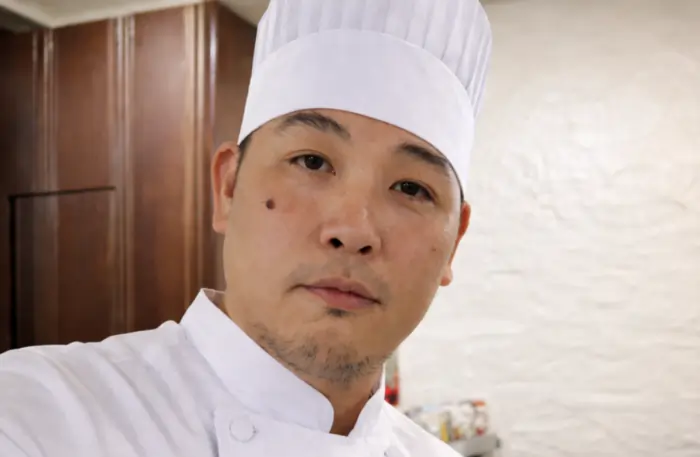
Chef Juan Gadi brings the heart of Filipino hospitality to Ubud, Bali. As an Executive Chef and consultant, he specializes in creating intimate, curated dining experiences that tell a story through every dish. Whether leading the kitchen at Kilig Filipino Warung or hosting a private villa dinner, Chef Juan’s approach is defined by warmth, modern technique, and a commitment to culinary excellence.