

How Genuine Hospitality Turns Visitors Into Family Key Takeaways
Genuine hospitality turns visitors into family by weaving emotional warmth, trust, and authentic human connection into every interaction.
- Genuine hospitality turns visitors into family through personalized attention and cultural openness, not just service.
- Emotional travel experience and human connection travel strengthen host guest relationship and build tourism trust .
- Real Bali hospitality and community based tourism transform trips into meaningful travel experiences that travelers carry home.

How Genuine Hospitality Turns Visitors Into Family Through the Heart of a Chef
I still remember the first time a guest cried at my table. It was a quiet evening at Kilig Filipino Warung in Ubud, Bali. The couple, Sarah and Matt, had been backpacking across Southeast Asia for six weeks. They were tired, a little homesick, and craving something that reminded them of comfort.
That night, I served them my grandmother’s chicken adobo recipe — slow-cooked in vinegar, soy, and garlic — alongside a plate of warm, garlic-fried rice. As Sarah took her first bite, her eyes welled up. “This tastes like my lola’s cooking,” she whispered. In that moment, we weren’t chef and diner. We were family sharing a memory.
That is exactly how genuine hospitality turns visitors into family. It doesn’t happen because of a fancy menu or a five-star rating. It happens because someone dared to care, to share a piece of their culture, and to treat a stranger as a long-lost relative.
In this article, I will walk you through seven emotional secrets of hospitality that I live by every day in my kitchen and private dining experiences here in Bali. Whether you are a travel blogger, a hotel owner, or a solo traveler looking for meaningful travel experiences, these principles will transform the way you see travel and connection.
The Power of Genuine Hospitality in a Transactional World
Modern travel often feels like a checklist: book a room, eat at a restaurant, take a photo, move on. But genuine hospitality breaks that cycle. It says, “You are not a booking number. You are a person I want to know.”
This shift from transaction to relationship is what I call the emotional travel experience. When a host opens their home — or their kitchen — with true warmth, the guest experience tourism becomes something sacred. Suddenly, the hotel room feels less like a rental and more like a home. The dinner feels less like a meal and more like a celebration.
I see this every evening at my warung. Guests arrive as tourists, but they leave as friends. They add me on Instagram. They send photos of their own attempts at cooking sinigang. They come back the next year, sometimes bringing their parents.
Human connection travel is not a luxury — it is a human need. And the hosts who understand this create tourism relationships that last a lifetime.
Creating Authentic Hospitality Culture in Your Kitchen or Home
How do you create an environment where people feel like they belong? It starts before the guest even arrives.
At Kilig, we prepare for each service by setting the table with handwoven mats and fresh jasmine. My staff greets every guest by name, even if we only met them once before. We ask about their day. We remember dietary restrictions without being asked.
This is authentic hospitality culture in action. It is not scripted. It is a genuine curiosity about the person sitting across from you.
For travelers, you can spot this authenticity in small details: a host who pours your coffee without being asked, a guide who shares local folklore not found in any guidebook, or a chef who comes out of the kitchen to ask, “How is the food?” and truly listens to the answer.
Why Bali Hospitality Feels Different
Bali has a special kind of magic in its destination hospitality. The Balinese concept of Tri Hita Karana — harmony with God, people, and nature — infuses every interaction. When I moved to Ubud from Manila, I felt this immediately. Neighbors greeted me with a smile and a blessing. Local farmers brought me fresh turmeric without expecting payment.
Bali hospitality is not a performance. It is a way of life. And it is the reason why so many travelers, including myself, feel pulled back to this island again and again.
The Role of Cultural Hospitality and Cultural Immersion Travel
Food is the fastest bridge between cultures. When I cook Filipino dishes in Bali, I am practicing cultural hospitality. I am inviting guests to taste my childhood, my history, my identity.
But cultural immersion travel goes deeper than eating. It is learning to make lumpia with a local family. It is joining a temple ceremony. It is hearing the story behind a dish and understanding the land it came from.
I encourage all travelers to step out of the tourist bubble. Book a homestay instead of a chain hotel. Ask your host to teach you a recipe. Sit at the kitchen counter and watch. That is where the real stories live.
Building Tourism and Trust One Meal at a Time
Tourism and trust go hand in hand. Trust is the invisible foundation of every host guest relationship. Without it, no amount of fancy amenities will make a guest feel safe or welcome.
I build trust through transparency. I tell guests exactly where my ingredients come from — the rice from a cooperative in Tabanan, the fish from the morning market in Kedonganan. My kitchen is open. I welcome questions. I share failures as easily as successes.
When guests see that a host is honest and generous, they relax. They let their guard down. They open themselves to the emotional bonding travel that creates lasting memories.
How Trust Develops Between Hosts and Guests
Trust does not appear overnight. It is built through small, consistent acts of kindness: remembering a guest’s name, accommodating a dietary need without fuss, sending a follow-up message after their stay. These actions signal that the host cares about the person, not just the payment.
As a host, if you want to turn visitors into family, start by earning their trust. The rest will follow naturally.
Personalized Hospitality and the Art of Travel Storytelling
Every guest has a story. My job is to listen — and then to reflect that story back through food and service.
Personalized hospitality means paying attention. When a couple celebrates an anniversary, I create a dessert that tells their love story. When a solo traveler misses home, I prepare a dish from their country. When a group of friends is adventurous, I design a tasting menu that surprises and delights.
This is where travel storytelling becomes powerful. The guest doesn’t just eat a meal. They become the main character in a narrative woven by the host. They leave with a story to tell, and they come back to relive it.
Community Based Tourism as a Model for Relationship Based Tourism
In Bali, community based tourism is not a marketing buzzword — it is a survival strategy. Local villages manage their own tours, homestays, and restaurants. The money stays within the community. The experiences are authentic because they are designed by the people who live there.
I partner with local farmers, fishermen, and artisans because relationship based tourism strengthens everyone. When a guest visits my warung, they are also supporting a network of families. That sense of shared purpose creates a travel belonging that cannot be manufactured.
For travelers, choosing community based tourism means you are not just a visitor — you are a contributor. You become part of the village story.
Why Travelers Come Back: The Power of Travel Memories and Emotional Travel Experience
I have guests who return to Kilig every year. Some fly from Australia just for dinner. Others book a private villa experience months in advance. What brings them back? It is not just the food. It is the way we made them feel.
Travel memories are strongest when tied to emotion. A sunset, a shared laugh, a meal that tastes like home — these moments anchor themselves in our hearts. Emotional travel experience is what separates a good trip from a life-changing one.
As a host, I aim to create at least one moment per guest that they will remember for years. That might be a bite of lechon that makes them close their eyes, or a conversation about family that makes them tear up. Those moments are the seeds of lifelong loyalty.
Warm Welcome Tourism and Tourist Experience Quality
The first five minutes of any encounter set the tone. Warm welcome tourism is about making that initial interaction feel special. A smile, a cold drink, a genuine “we are so happy you are here” — these small gestures signal safety and care.
Tourist experience quality is measured not by the thread count of the sheets, but by how the guest feels. Did they feel seen? Did they feel valued? Did they feel like they belonged, even for a moment?
When the answer is yes, the guest becomes an advocate. They write reviews, share photos, and most importantly, they return.
Experiential Tourism and Customer Experience Travel
Experiential tourism is the fastest-growing segment of travel. Tourists no longer want to just see a place — they want to live it. They want to cook with a local chef, dance at a village festival, or plant rice alongside a farmer.
This is where customer experience travel intersects with hospitality. Every touchpoint — from booking to departure — should feel intentional and personal. A welcome email that asks about dietary preferences. A handwritten note on the pillow. A farewell gift of local spices.
These details turn a service into a relationship. And relationships are what turn visitors into family.
Practical Steps for Hosts: How to Turn Visitors Into Family
If you are a hotel owner, resort manager, or host, here are actionable steps you can take today to embody genuine hospitality:
- Learn your guests’ names and use them often. A name is the sweetest sound in any language.
- Offer a personal touch — a welcome drink, a local snack, a story about the place they are staying.
- Create shared experiences. Host a communal dinner, a cooking class, or a morning walk. Let guests connect with each other and with you.
- Remember the details. If a guest mentioned a food allergy or a favorite flower, note it. Surprise them later.
- Be present. Put down the phone, step away from the computer, and truly listen.
- Welcome imperfection. Authenticity is not about being perfect. It is about being real. If something goes wrong, apologize sincerely and make it right.
Common Pitfalls That Ruin Guest Experience Tourism
Even well-meaning hosts can fall into traps that damage tourist experience quality. Here are three to avoid:
- Over-standardization. When every interaction feels scripted, guests sense it. Allow your staff to be themselves.
- Ignoring cultural context. What works in one culture may not work in another. In Bali, a gentle smile and indirect communication show respect. Learn local customs.
- Focusing only on the transaction. If you are always upselling or rushing guests to leave, they will feel used, not welcomed.
Useful Resources
To deepen your understanding of how hospitality culture shapes travel, explore these helpful resources:
- ScienceDirect – Emotional experiences in tourism and hospitality – Research on how emotional bonding influences tourist loyalty.
- Tourism Concern – Community Based Tourism Guide – Practical guide on ethical, community-driven travel that builds genuine connections.
Frequently Asked Questions About How Genuine Hospitality Turns Visitors Into Family
How does genuine hospitality turn visitors into family?
Genuine hospitality turns visitors into family by prioritizing emotional warmth, personal attention, and cultural openness over transactional service. When a host treats a guest with genuine care and shares meaningful aspects of their life and culture, the guest feels valued and included, leading to lasting relationships.
Why do some travelers feel like part of the local community?
Travelers feel like part of the local community when hosts invite them into their daily lives through shared meals, conversations, and traditions. This travel belonging is nurtured by community based tourism initiatives that prioritize connection over commerce.
What makes hospitality feel authentic?
Authentic hospitality culture feels real because it is not scripted. It comes from a genuine desire to care for the guest, shown through small, consistent acts of kindness, transparency, and a willingness to share one’s own vulnerabilities and stories.
How do hosts create emotional connections with guests?
Hosts create emotional bonding travel by listening attentively, remembering personal details, offering personalized hospitality, and creating shared experiences like cooking together or exploring local culture. These actions build human connection travel that transcends the typical host-guest dynamic.
Why is human connection important in tourism?
Human connection travel is important because it fulfills a deep human need for belonging. When travelers feel emotionally connected, they enjoy a richer experience, develop tourism relationships, and are more likely to return and recommend the destination.
How does culture influence hospitality experiences?
Culture shapes expectations of welcome, communication, and service. In Bali, for example, Bali hospitality is rooted in spiritual harmony and community, which creates a uniquely warm and inclusive cultural hospitality experience that visitors feel profoundly. For a related guide, see 7 Ways Filipino Hospitality Enhances Bali Dining.
What are examples of genuine hospitality in travel?
Examples include a homestay host preparing a meal from the guest’s home country, a guide sharing personal family stories, or a chef coming out to ask about allergies and preferences. These acts of genuine hospitality show that the host sees the guest as an individual. For a related guide, see 8 Ways Shared Meals Strengthen Relationships: Proven Bonding Tips.
How does Bali hospitality make visitors feel at home?
Bali hospitality makes visitors feel at home through warm greetings, community involvement, and a philosophy of balance and respect. Hosts often invite guests into their family spaces, share food, and treat them with the same care as a relative.
Why do travelers return to places with warm hospitality?
Travelers return because warm welcome tourism creates powerful travel memories tied to positive emotions. The feeling of being genuinely cared for is rare and deeply compelling, making the destination feel like a second home.
How does trust develop between hosts and guests?
Tourism and trust develop through consistent, transparent actions — honoring promises, respecting privacy, and showing vulnerability. Small gestures like remembering a name or accommodating a request build a foundation of host guest relationship trust.
What role does kindness play in travel experiences?
Kindness is the core of emotional travel experience. Simple acts like offering directions, a warm smile, or a homemade snack transform the customer experience travel from ordinary to extraordinary, creating lasting travel emotional connection.
How does personalized service affect tourism experiences?
Personalized hospitality makes guests feel seen and valued. When service is tailored to individual needs and preferences, it elevates tourist experience quality and encourages guests to form an emotional bonding travel with the host and destination.
Why do emotional experiences matter in travel?
Emotional experiences are what we remember most. Meaningful travel experiences that touch the heart become part of a traveler’s identity, driving return visits and word-of-mouth recommendations.
How does community based tourism work?
Community based tourism involves local residents planning and operating tourism activities that benefit the whole community. It emphasizes travel belonging and relationship based tourism, allowing travelers to engage authentically with local life.
What makes hospitality meaningful in cultural destinations?
Hospitality becomes meaningful when it respects and shares the local culture. In cultural immersion travel, hosts who explain traditions, involve guests in rituals, and open their homes create an unforgettable guest experience tourism.
How do interactions with locals shape travel memories ?
Interactions with locals provide authentic context and emotional depth. When a local shares a meal or a story, it becomes a travel storytelling moment that defines the trip. These connections make travel memories vivid and personal.
Why do travelers feel emotionally connected to destinations?
Travelers connect emotionally to destinations where they experience destination hospitality, warmth, and acceptance. A place that makes them feel like family becomes part of their own story, leading to travel belonging.
How does storytelling enhance hospitality experiences?
Travel storytelling transforms a service into an experience. When hosts share the history of a dish, a place, or their own journey, they create an experiential tourism event that engages the guest emotionally and intellectually.
What is the impact of cultural openness in tourism?
Cultural openness invites travelers to explore without judgment. It fosters cultural immersion travel and authentic hospitality culture, where guests feel safe to ask questions, try new things, and form genuine tourism relationships.
How does hospitality influence travel satisfaction?
Hospitality directly impacts tourist experience quality. When guests receive warm welcome tourism and genuine care, their satisfaction rises significantly, leading to positive reviews, repeat visits, and strong tourism relationships.
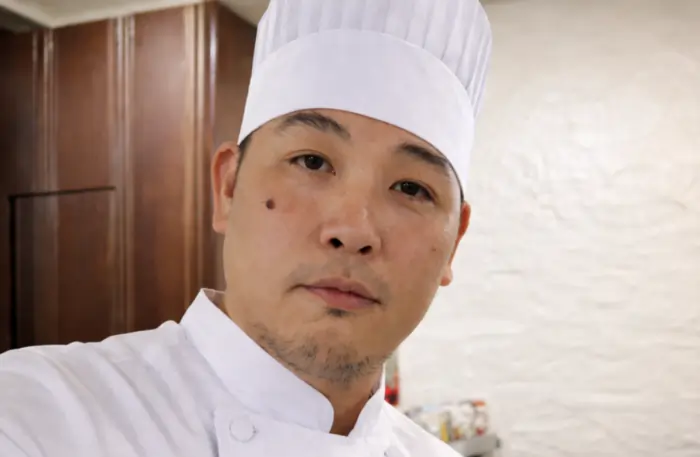
Chef Juan Gadi brings the heart of Filipino hospitality to Ubud, Bali. As an Executive Chef and consultant, he specializes in creating intimate, curated dining experiences that tell a story through every dish. Whether leading the kitchen at Kilig Filipino Warung or hosting a private villa dinner, Chef Juan’s approach is defined by warmth, modern technique, and a commitment to culinary excellence.