
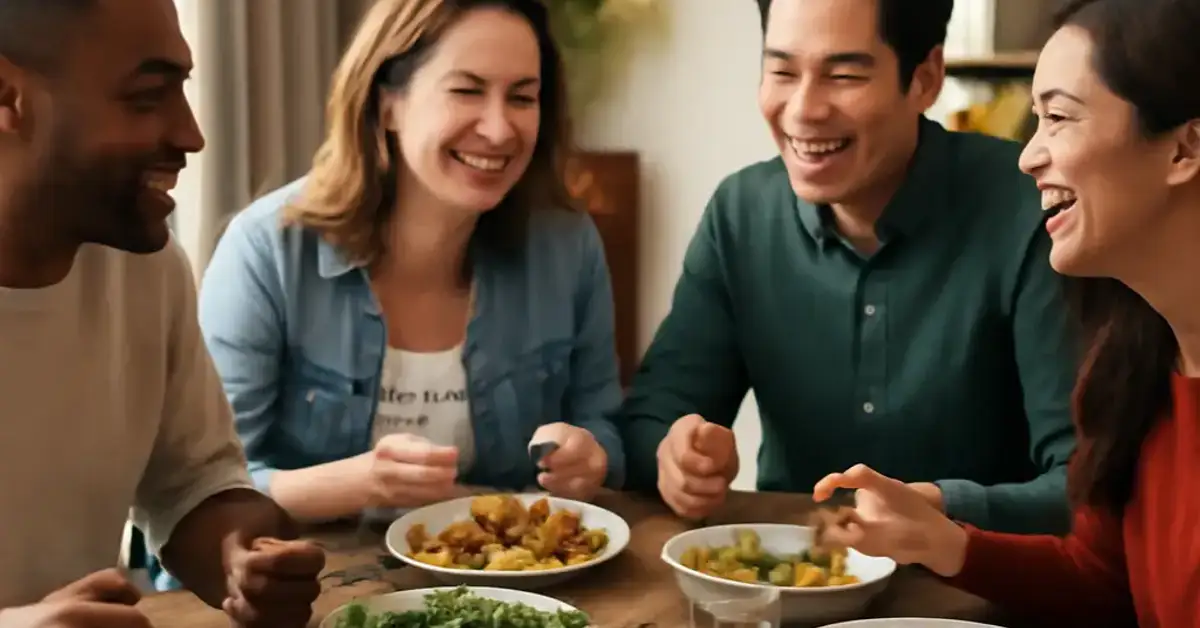
Reasons Food Brings People Closer Together Key Takeaways
I came to Bali from the Philippines, carrying my grandmother’s adobo recipe and a belief that every dish is an invitation.
- Reasons food brings people closer together include shared rituals, emotional vulnerability, and the universal language of taste.
- Whether through family meals and connection or community gatherings around food , every shared bite builds trust and belonging.
- Chef Juan Gadi’s philosophy—hospitality as storytelling—shows how hospitality experiences create lasting memorable meals and relationships .
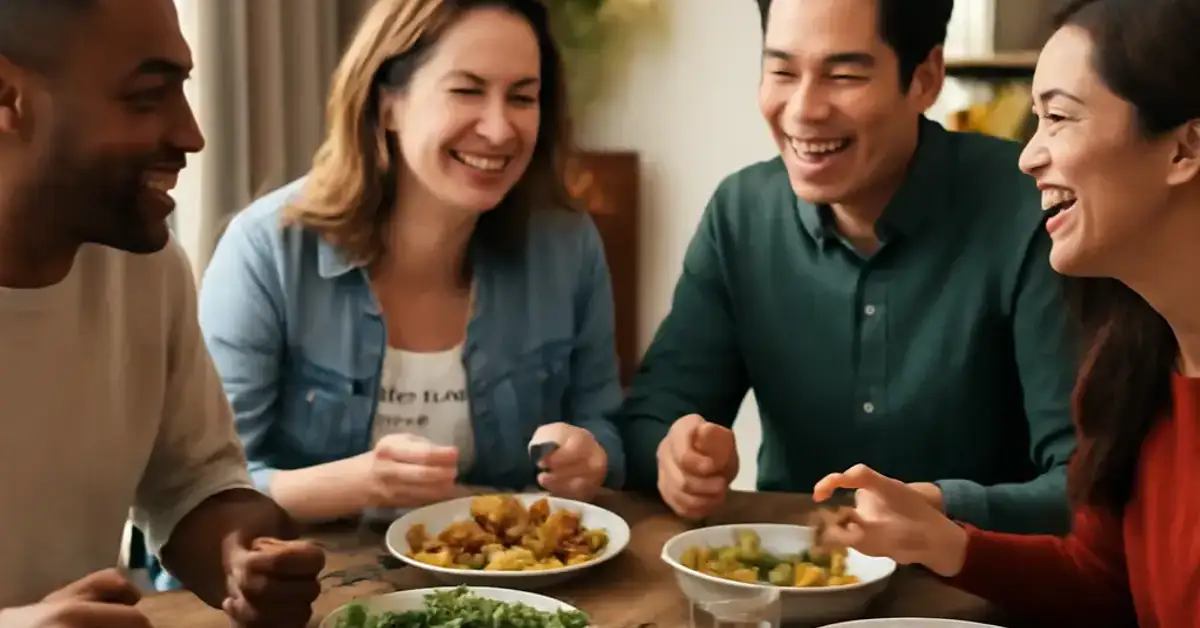
Why the Reasons Food Brings People Closer Together Matter Right Now
In a world that often feels divided, we crave connection. Yet the simplest, oldest tool for unity sits right on our plates. Think about the last time you laughed until your stomach hurt—chances are it happened around a table. As a chef, I see it every night at Kilig Filipino Warung in Ubud, Bali. Strangers become friends over shared meals, and families reconnect over familiar flavors. The reasons food brings people closer together go beyond nutrition; they touch our deepest need for belonging.
I came to Bali from the Philippines, carrying my grandmother’s adobo recipe and a belief that every dish is an invitation. When I cook, I’m not just feeding guests—I’m welcoming them into my story. This article digs into the social connection through food, blending research, personal anecdotes, and cultural traditions. Let’s explore how dining nurtures the relationships that make life rich.
What the Science Says About Food and Relationships
Research in food and social psychology shows that eating together releases oxytocin, the “bonding hormone.” When we share a meal, we mirror each other’s movements, synchronize our pace, and lower our guard. This shared vulnerability builds trust. Dining together benefits emotional health, reduces stress, and even makes food taste better. It’s no wonder that every culture, from Italian Sunday lunches to Filipino fiestas, centers connection around food.
But knowing the science is one thing. Living it is another. I’ve seen shy tourists at my communal table open up over a spoonful of sinigang, leaving as friends. That’s the magic of bonding over food—it’s instinctive, powerful, and available to everyone.
1. Shared Meals Build Trust Through Vulnerability
The first reason is simple but profound: eating together makes us vulnerable. We let down our defenses when we chew, swallow, and taste. This vulnerability invites connection. Group dining experiences—whether a potluck, a family dinner, or a communal table—create a space where conversation flows naturally. At my restaurant, I deliberately designed a long communal table. Strangers arrive, and within minutes they’re passing dishes, sharing stories, and laughing. That’s food and friendship in action.
How Communal Dining Traditions Foster Connection
In Filipino culture, “kamayan” (eating with hands) is more than a meal—it’s an intimate ritual. Touching the food, feeling its warmth, and sharing from the same platter eliminates distance. Social dining traditions like these remind us that eating is a communal act, not a solitary one. When I host a private villa dinner in Ubud, I often bring out banana leaves and lay the feast directly on the table. Guests gasp, then dive in with their hands. Barriers drop. Community meals are not just about food; they’re about trust.
2. Cultural Food Traditions Create a Sense of Belonging
Food is a passport to culture. When you taste a dish from another land, you taste its history, its climate, its people. This is food as a cultural bridge. I’ve served Balinese guests Filipino chicken inasal, and watched their eyes light up with recognition—the same grilled flavors, the same love for sour and salty. Cultural bonding through meals happens when we share not just ingredients but stories.
Hospitality Culture as a Welcoming Ritual
In the Philippines, we have a saying: “Ang hindi marunong lumingon sa pinanggalingan ay hindi makararating sa paroroonan”—those who don’t look back to where they came from won’t reach their destination. Hospitality is our way of honoring guests like family. Hospitality and human interaction are inseparable. When I welcome diners, I offer not just a plate but a seat at my family’s table. This hospitality and relationships approach turns a meal into a memory.
3. Family Meals Create Lifelong Bonds
The reasons food brings people closer together are most visible around the family table. Family meals and connection are proven to improve communication in children, strengthen marital bonds, and create a safe space for sharing. When families eat together regularly, they build a shared language of inside jokes, favorite dishes, and comforting routines. I grew up in a home where dinner was sacred—not because the food was fancy, but because everyone was present. For a related guide, see 9 Heartwarming Food Moments Travelers Never Forget.
Food and Family Bonding: Lessons from My Kitchen
Now, as a chef, I bring that same spirit to my team. Before service, we sit together for a family meal. We taste, we laugh, we plan. That ritual bonds my staff and makes our service seamless. Whether it’s family meals at home or social dining culture in a restaurant, the principle holds: breaking bread together cements relationships.
4. Hospitality Experiences Turn Strangers into Guests
Hospitality is more than service—it’s an act of generosity that transforms a transaction into a relationship. Hospitality experiences that feel genuine create emotional bonds. When I consult for restaurants or design a private dinner, I focus on the details that say, “I see you.” A warm greeting, a story behind the dish, a thoughtful wine pairing—these small gestures build human connection through dining. For a related guide, see 12 Small Details That Make Dinners Feel Special.
The Role of Emotional Dining Experiences in Building Loyalty
Guests don’t return just for the food. They return for how the food made them feel. Emotional dining experiences—the laughter, the surprise, the comfort—stay with people long after the plates are cleared. At a villa dinner I hosted recently, a couple celebrating their anniversary told me the meal felt like a hug. That’s the power of meaningful dining experiences.
5. Community Gatherings Around Food Strengthen Social Fabric
From block parties to harvest festivals, community gatherings around food weave people together. Food-centered celebrations like Thanksgiving, Lunar New Year, or a simple neighborhood potluck reinforce collective identity. I’ve seen it in Bali’s temple ceremonies, where entire villages cook and eat together. Gathering around food is a universal act of unity.
How Meal Sharing Traditions Build Resilience
When communities face hardship, shared meals become lifelines. After natural disasters, people cook in the streets. During celebrations, they feast together. This social benefits of dining extend beyond the table—they create networks of support. As a chef, I’ve worked with local farmers and artisans to create pop-up community dinners. Each one reinforces that we are stronger together.
6. Food and Belonging Anchor Our Identity
We are what we eat, but also who we eat with. Food and belonging are deeply connected. Dishes from our childhood, prepared with love, tell us we are home. For many immigrants, recreating family recipes is an act of preserving identity. When I cook Filipino food in Bali, I’m not just serving dinner—I’m sharing my heritage. Emotional connection through food helps people feel seen and valued.
Food and Social Psychology: Why We Bond Over Flavors
Psychologists note that shared sensory experiences—taste, smell, texture—create powerful memories. Dining and emotional connections form because food activates the same brain regions as love and attachment. When we share a favorite dish with someone, we’re sharing a piece of ourselves. That’s why relationship building through food feels so natural.
7. Memorable Meals and Relationships Create Lasting Stories
The final reason is perhaps the most beautiful: every shared meal has the potential to become a cherished story. Memorable meals and relationships are the ones we recount for years—the perfect birthday dinner, the first date that clicked over dessert, the reunion feast after years apart. These shared food experiences become anchors in our personal histories.
Why Dining Experiences from Kilig Filipino Warung Stick with Guests
At Kilig, we don’t just serve dishes; we serve moments. Guests remember the crispy lechon kawali, but more importantly, they remember how the waitstaff explained the dish with pride. They remember the laughter at the communal table. Social dining isn’t a trend—it’s a timeless practice. Dining together benefits everyone because it reminds us that we are not alone.
How Restaurants Can Create Stronger Social Dining Experiences
Restaurants and event planners can harness these reasons food brings people closer together by designing spaces that encourage interaction. Communal tables, shared plates, and interactive cooking stations all promote relationship building through dining. Train staff to tell the stories behind each dish. Offer family-style options that require sharing. Create a warm, unpretentious atmosphere that invites conversation.
Practical Takeaways for Hospitality Professionals
Whether you run a warung, a villa dining service, or a corporate cafeteria, focus on the emotional value of the meal. Food and connection are the heart of hospitality. Welcome guests like family, share your story, and watch relationships flourish.
Useful Resources
For further reading on the social connection through food and food and social psychology, explore these credible sources:
- Psychology Today: Why Eating Together Matters – A research-backed overview of how shared meals improve emotional health and relationships.
- Culture Trip: Filipino Kamayan Tradition – An exploration of how communal eating traditions build community in the Philippines.
Frequently Asked Questions About reasons food brings people closer together
Why does food bring people closer together?
Food brings people closer together because it creates a shared sensory experience that lowers defenses, builds trust, and encourages conversation. The act of eating together releases bonding hormones like oxytocin, making social connection through food biologically rooted and emotionally powerful.
How do shared meals strengthen relationships?
Shared meals strengthen relationships by providing a regular, low-pressure setting for communication. When families or friends eat together, they share stories, resolve conflicts, and create positive memories. This consistent relationship building through dining deepens emotional bonds over time.
What are the social benefits of eating together ?
Social benefits of eating together include reduced loneliness, improved mood, stronger community ties, and better communication skills. Regular group dining experiences also promote empathy and cooperation, especially in children.
Why are family meals important for bonding?
Family meals and connection are vital because they create a routine of togetherness. Eating as a family allows members to check in with each other, share daily experiences, and reinforce family values. Studies show that children who eat regular family meals have higher self-esteem and better academic performance.
How does food create emotional connections?
Food creates emotional connections through nostalgia, sensory memory, and shared rituals. A dish that reminds someone of their grandmother’s kitchen can evoke deep feelings. When we cook for others, we express care, and when we eat together, we bond over that emotional value. This emotional connection through food is a cornerstone of human relationships.
What role does food play in different cultures?
Cultural food traditions define identity, celebrate heritage, and mark important life events. In every culture, food is central to rituals from weddings to funerals. Food as a cultural bridge allows people to share their history and values with others, fostering cross-cultural understanding.
How do communal meals build stronger communities?
Community gatherings around food like block parties, church suppers, or village feasts bring diverse people together. These events break down social barriers, encourage networking, and build mutual support networks. Communal dining traditions strengthen the social fabric of neighborhoods and towns.
Why do people connect more during meals?
People connect more during meals because the environment is relaxed and the focus is on enjoyment. Eating together reduces stress, encourages eye contact, and promotes active listening. This social dining culture creates a natural context for deeper conversations.
How does dining together improve relationships?
Dining together benefits relationships by providing a consistent, distraction-free time to connect. Couples who eat together regularly report higher satisfaction, and friends who share meals feel closer. The shared experience of tasting and enjoying food reinforces positive interactions.
What makes shared food experiences memorable?
Shared food experiences become memorable when they are tied to strong positive emotions—surprise, laughter, warmth. Unique settings, personal stories behind dishes, and the company of loved ones all contribute. Chef Juan Gadi’s hospitality experiences at Kilig Filipino Warung aim to create exactly these lasting impressions.
How does hospitality encourage social connection?
Hospitality and human interaction go hand in hand. Genuine hospitality makes guests feel valued and safe, which opens the door for authentic connection. When a host shares a story or a personal touch, the meal transforms from a transaction into a meaningful exchange. That’s hospitality culture at its best.
Why is food central to celebrations and gatherings?
Food-centered celebrations mark milestones because food symbolizes abundance, care, and community. From birthday cakes to Thanksgiving turkeys, specific dishes carry cultural significance. Sharing these foods reinforces collective joy and belonging.
How can restaurants create stronger social dining experiences?
Restaurants can create stronger social dining experiences by designing communal tables, offering shareable plates, and training staff to engage with stories. A warm atmosphere and thoughtful seating encourage interaction among strangers, turning a meal into a meaningful dining experience.
What traditions use food to unite people?
Meal sharing traditions like the Filipino kamayan, Ethiopian gursha, or Italian family-style dinners all emphasize togetherness. These traditions prioritize sharing over individual servings, reinforcing that everyone is part of one community. Cultural food traditions are powerful unifiers.
How does food help people feel a sense of belonging?
Food and belonging are linked because familiar tastes and aromas evoke home and comfort. When people share a dish from their culture, they affirm their identity. When others appreciate that dish, they feel accepted. This mutual respect builds a strong sense of community.
What are the best dishes for bonding over food ?
Dishes that encourage sharing—like tapas, hot pot, fondue, or lumpia—are excellent for bonding over food. Interactive meals that require assembly or dipping naturally create conversation and cooperation. The key is to choose foods that everyone can enjoy together.
How can I host a more social dinner party at home?
To host a more social dinner party, choose a communal dining setup: a long table, shared platters, and a playlist that encourages conversation. Introduce each dish with a short story. Encourage guests to help with serving. The goal is to create a warm, inclusive atmosphere where food and connection take center stage.
Does eating together improve mental health?
Yes, dining together benefits mental health by reducing stress and fostering a sense of belonging. Regular shared meals are associated with lower rates of depression and anxiety. The social support that naturally occurs around the table provides emotional resilience.
What is the easiest way to start a family meal tradition?
Start small—commit to one shared meal per week, like Sunday dinner. Keep it simple and focus on being present, not perfection. Over time, this ritual will become a cherished part of your food and family bonding. Consistency matters more than complexity.
How does Chef Juan Gadi use food to connect people in Bali?
At Kilig Filipino Warung and through private villa dinners, Chef Juan Gadi designs emotional dining experiences that blend Filipino hospitality with Balinese warmth. He uses communal tables, storytelling, and interactive dishes to create memorable meals and relationships. Every plate is an invitation to belong.
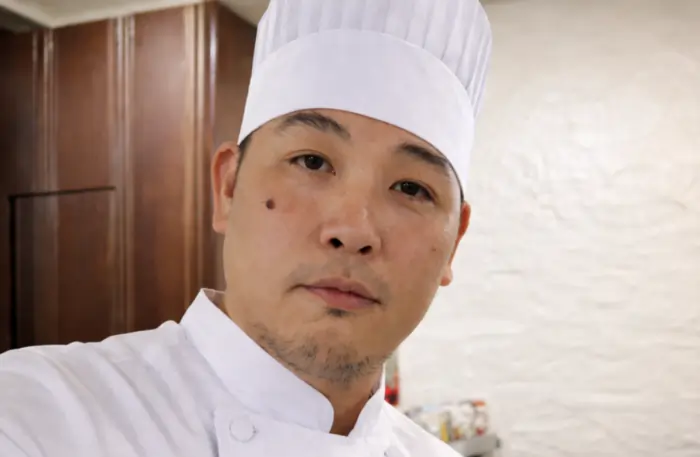
Chef Juan Gadi brings the heart of Filipino hospitality to Ubud, Bali. As an Executive Chef and consultant, he specializes in creating intimate, curated dining experiences that tell a story through every dish. Whether leading the kitchen at Kilig Filipino Warung or hosting a private villa dinner, Chef Juan’s approach is defined by warmth, modern technique, and a commitment to culinary excellence.