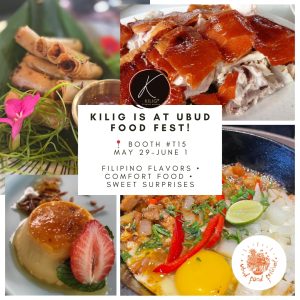

Feelings That Make a Dining Experience Truly Special Key Takeaways
When I first arrived in Ubud, Bali, I was struck by how the island’s culture treats food as an offering—a gesture of gratitude and connection.
- Feelings that make a dining experience truly special are rooted in hospitality psychology , sensory design, and genuine human connection rather than just food quality.
- Emotions like comfort, joy, anticipation, and personal recognition create memorable dining moments that guests return for again and again.
- Chef Juan’s approach—blending emotional dining experiences with Filipino warmth—offers a practical blueprint for restaurant owners, experience designers, and hospitality professionals who want to elevate guest satisfaction dining .

The Psychology of a Special Dining Experience: More Than a Meal
When I first arrived in Ubud, Bali, I was struck by how the island’s culture treats food as an offering—a gesture of gratitude and connection. That philosophy reshaped my cooking. I realized that the restaurant experience psychology behind a truly memorable meal is less about technique and more about the emotions you evoke. Hospitality and guest emotions are the invisible ingredients that transform a dish into a story. Whether you are a restaurant owner, a tourism marketer, or a culinary experience designer, understanding these emotional triggers is the key to creating meaningful dining moments that guests carry with them for years. For a related guide, see 10 Travel Moments That Feel More Meaningful Around Food (+ Chef Insights).
Science backs this up. Food and memory formation are deeply linked—the brain encodes experiences more vividly when they are accompanied by strong emotion. That is why the best meals are rarely just about the taste; they are about how you felt when you walked in, how the server made you smile, and how the atmosphere wrapped around you like a familiar scent. Let’s explore the ten feelings that define a truly special dining experience, and how you can cultivate them in your own restaurant or event.
10 Feelings That Make a Dining Experience Truly Special
1. A Sense of Belonging — Comfort and Belonging in Dining
Nothing kills a special dining experience faster than feeling out of place. The first emotion I aim to create at Kilig Filipino Warung and in every private villa dinner I host is a deep sense of welcome. Comfort and belonging in dining are not just nice-to-haves; they are the foundation of emotional hospitality design. Simple gestures—remembering a guest’s name, offering a warm towel after a long trip, or adjusting a dish to dietary needs without fuss—signal that this is a space where they are seen and valued. This feeling lowers the guard and opens the heart to the meal ahead.
2. Anticipation — The Joy of What’s to Come
Great dining begins before the first bite. Experiential dining concepts thrive on building anticipation. At my restaurant storytelling experiences, I often describe the journey of a single ingredient—like the heirloom rice farmed in a nearby village—before it hits the table. Guests lean in, their curiosity piqued. That moment of anticipation is one of the most powerful dining emotions because it engages the mind and primes the palate. Restaurants can create this feeling through menu descriptions, the presentation of a dish with a cloche, or even a welcome cocktail that tells a story.
3. Delight — Surprise and Customer Delight Hospitality
Customer delight in dining often comes from the unexpected. A complimentary amuse-bouche that perfectly matches the season, a handwritten note on the bill, or a server who remembers that you love a particular wine. These small acts of generosity create memorable restaurant moments that guests share with friends and post on social media. The key is to make the surprise feel personal, not generic. In my kitchen, I call this the “kilig” factor—a Filipino term for the flutter of excitement you get when something wonderful and unexpected happens.
4. Connection — Emotional Connection Food and Social Bonding Through Meals
Food is one of the most ancient tools for social bonding through meals. When I design a personalized dining experience, I always consider the table dynamic. Is this a romantic date? A reunion of old friends? A solo traveler seeking company? The emotional connection food creates is strongest when it encourages sharing—family-style platters, interactive dishes like hot pot or grilled meats, or a dessert that two people can split. Restaurants can foster this by training staff to read the table’s energy and facilitate conversation rather than just take orders. For a related guide, see 10 Reasons Shared Meals Feel More Meaningful.
5. Awe — The Luxury and Beauty of a Luxury Dining Experience
Luxury dining emotions are not just about expensive ingredients; they are about craftsmanship and beauty that stop time. A luxury dining experience should evoke awe—whether through the intricate plating of a dish, the play of light on hand-blown glassware, or the view of a tropical garden at dusk. This feeling of wonder is what makes people pause and say, “Wow.” In Ubud, I often use edible flowers and local artisan pottery to bring that sense of discovery to every course.
6. Comfort — The Role of Restaurant Ambiance and Mood
Restaurant ambiance and mood have a direct impact on how we perceive taste. A room that is too loud or too cold can make even the most exquisite meal feel stressful. Dining atmosphere should soothe the senses. Think soft lighting, warm wood tones, and music that matches the tempo of the conversation. In my experiential dining events, I pay as much attention to the scent in the air—coconut lemongrass, for instance—as I do to the sauce on the plate. Restaurant ambiance is the silent host that sets the emotional temperature.
7. Recognition — Personalized Dining Experiences and Guest Engagement
Nothing makes a guest feel more valued than being truly seen. Personalized dining experiences go beyond remembering allergies; they involve recognizing a guest’s preferences, celebrating their occasion, or even learning a few words in their native language. This is where guest engagement in restaurants becomes an art. I keep a small notebook of guest preferences—favorite drinks, dietary quirks, special dates—and refer to it before each return visit. That small act of hospitality service quality builds trust and loyalty that no marketing campaign can replicate.
8. Joy — Emotional Value of Food Experiences
The emotional value of food experiences is often measured in laughter. Joy is the feeling of pure, unguarded happiness that comes from a perfectly executed dish, a glass of wine that pairs flawlessly, or a shared joke with the staff. This is the feeling that makes people say, “That was the best dinner I’ve had in months.” Joy is contagious, and it starts with the team. When the kitchen and service staff are genuinely happy, that energy transfers to every plate and every interaction.
9. Trust — Hospitality-Driven Guest Satisfaction and Service Quality
Hospitality-driven guest satisfaction is built on trust. Guests need to know that the food is safe, the kitchen is clean, and the staff has their best interest at heart. This trust allows them to let go and fully immerse in the experience. Restaurant customer experience experts know that transparency—showing the open kitchen, explaining how ingredients are sourced, or admitting a mistake and fixing it quickly—builds deeper trust than perfection ever could. When guests trust you, they become more adventurous eaters and more forgiving when things go slightly wrong.
10. Nostalgia — Food Memories and Meaningful Restaurant Experiences
The most powerful food memories are often tied to nostalgia. A dish that tastes like a grandmother’s kitchen or a scent that evokes a childhood holiday can transport a guest back in time. Creating meaningful restaurant experiences means tapping into that emotional reservoir. At my dinners, I often reinterpret Filipino comfort dishes—like adobo or sinigang—using modern techniques but keeping the soul alive. The result is a meal that feels both new and familiar, creating a bridge between past and present.
How to Cultivate These Feelings in Your Restaurant
Understanding the ten feelings is only the first step. The real work is in hospitality psychology insights and practical execution. Here are a few strategies drawn from my work in Ubud.
Design for Sensory Dining
Sensory dining experiences engage all five senses. Think about the sound of sizzling on the grill, the texture of a handmade ceramic bowl, the visual contrast of green herbs on a white plate. Every element should reinforce the emotion you want to create.
Train Your Team in Emotional Hospitality
Your staff is your greatest asset in delivering hospitality experience. Train them not just in service sequence, but in reading emotional cues. A guest who is tired may need a quieter welcome. A couple celebrating an anniversary may appreciate a special toast. This is experiential hospitality strategies in action.
Tell a Story Through Every Course
Restaurant storytelling experiences add depth to every dish. Share the origin of your ingredients, the inspiration behind a recipe, or the cultural significance of a cooking technique. Stories make flavors more memorable and invite guests into your world.
Useful Resources
For deeper dives into hospitality psychology and culinary experience design, explore these expert sources:
- Psychology Today: How Memory Works — A scientific look at how emotion and memory interact, applicable to designing memorable meals.
- Michelin Guide on Hospitality — Insights from the world’s leading restaurant raters on what makes a guest experience dining truly exceptional.
As an Executive Chef working in the heart of Bali, I have seen how emotional dining experiences can transform a simple meal into a cherished memory. Whether you are a restaurant owner, a hospitality student, or a luxury travel marketer, remember that the most powerful ingredient you have is not in your pantry—it is in your heart. The 10 feelings that make a dining experience truly special are not a checklist; they are a philosophy of care.
Frequently Asked Questions About 10 Feelings That Make a Dining Experience Truly Special
What feelings make a dining experience truly special?
The most impactful feelings are belonging, anticipation, delight, connection, awe, comfort, recognition, joy, trust, and nostalgia. These feelings that make a dining experience truly special create emotional anchors that make a meal unforgettable.
Why do emotions influence dining satisfaction?
Emotions shape how we perceive taste, value, and service. Positive dining emotions like happiness and surprise enhance flavor perception and increase the likelihood of repeat visits and positive reviews.
How does hospitality create memorable dining moments ?
Hospitality experience is built on genuine care, anticipation of needs, and personal touches. These actions trigger positive food and emotions connections that guests remember long after the meal ends.
What role does comfort play in dining experiences?
Comfort and belonging in dining allow guests to relax and fully engage with the food and company. Physical comfort—seating, temperature, noise level—directly impacts guest satisfaction dining.
How does restaurant ambiance affect emotions?
Restaurant ambiance and mood influence heart rate, mood, and even taste perception. Soft lighting and warm colors tend to evoke calm and intimacy, while bright, loud spaces can create energy or anxiety.
Why do people remember certain meals for years?
Food and memory formation are linked to the emotional intensity of the experience. Meals tied to celebration, discovery, or deep connection are encoded more vividly in long-term memory.
How does personalized service enhance dining experiences?
Personalized dining experiences make guests feel unique and valued. Small gestures—remembering a name or dietary preference—build emotional connection food and loyalty.
What emotional factors drive customer satisfaction in restaurants?
Customer experience in dining is driven by feelings of recognition, joy, trust, and comfort. Hospitality psychology research shows that emotional satisfaction outweighs rational factors like price or speed in predicting loyalty.
How does food create feelings of connection and belonging?
Shared meals trigger oxytocin and other bonding hormones. Social dining experience rituals—like family-style serving—reinforce social bonding through meals and a sense of community.
What makes a restaurant experience unforgettable?
An emotional dining experience that combines great food with genuine hospitality, sensory beauty, and a personal story creates memorable restaurant moments that guests revisit in their minds.
How do shared meals strengthen emotional experiences?
Eating together synchronizes emotions and creates shared memories. This experiential dining concepts approach turns a meal into a relational event, deepening bonds between diners.
Why is hospitality important in creating meaningful dining moments ?
Meaningful dining moments arise when hospitality is proactive and heartfelt. Hospitality service quality sets the emotional tone and determines whether a meal feels transactional or transformational.
How does storytelling improve the dining experience?
Restaurant storytelling experiences add context and emotional resonance to each dish. A story about the farmer who grew the herbs makes the flavor more meaningful and the restaurant experience richer.
What role does atmosphere play in memorable meals ?
Dining atmosphere is the stage for the entire experience. It affects mood, conversation, and even the perceived flavor of food. A well-designed restaurant ambiance elevates every other element.
How can restaurants create stronger emotional connections with guests?
By training staff in emotional hospitality design, personalizing interactions, and using sensory triggers like scent and music. Guest engagement in restaurants should focus on making each person feel uniquely welcome.
What is the link between luxury and dining emotions ?
Luxury dining emotions are about exclusivity, beauty, and attention to detail. A luxury dining experience evokes awe and delight through craftsmanship and personalized service that feels extraordinary.
How do sensory elements affect dining emotions ?
Sensory dining experiences engage sight, sound, smell, touch, and taste. When harmonized, they amplify emotional value of food experiences and create a fully immersive memory.
Can a restaurant design for specific emotions?
Yes. By applying hospitality psychology insights and culinary experience design principles, restaurants can deliberately evoke feelings like excitement, calm, or nostalgia through menu, décor, and service choices.
How do I apply these concepts to my own restaurant?
Start by auditing your current customer experience in dining. Map each stage of the guest journey and identify where you can add emotional touches—welcome, pacing, surprises, farewell. Small changes yield big results.
What is the most important feeling to prioritize?
If I had to choose one, it would be belonging. Comfort and belonging in dining are the gateway to all other emotions. When guests feel they belong, they are open to joy, discovery, and connection.
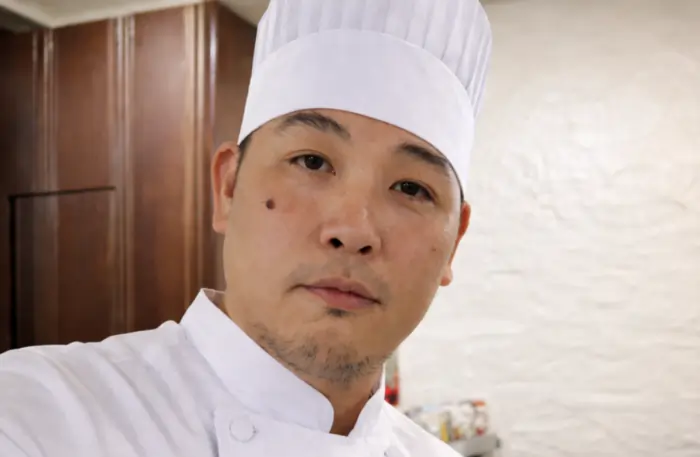
Chef Juan Gadi brings the heart of Filipino hospitality to Ubud, Bali. As an Executive Chef and consultant, he specializes in creating intimate, curated dining experiences that tell a story through every dish. Whether leading the kitchen at Kilig Filipino Warung or hosting a private villa dinner, Chef Juan’s approach is defined by warmth, modern technique, and a commitment to culinary excellence.