
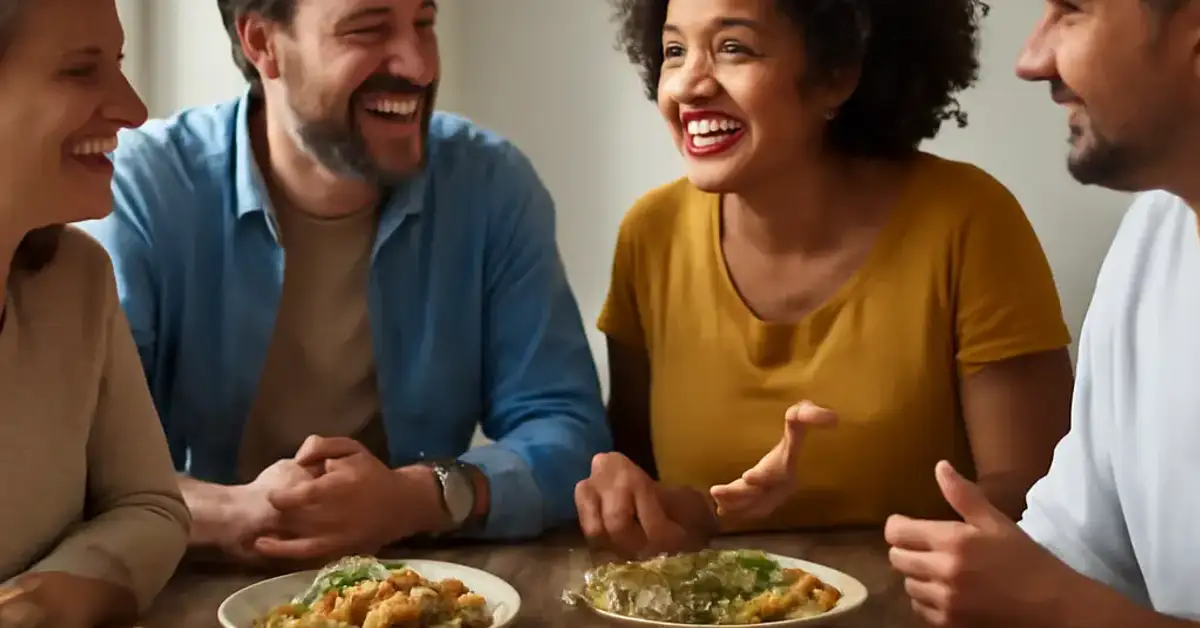
Meaningful Conversations Begin Around Food Key Takeaways
Meaningful conversations begin around food because sharing a meal naturally lowers defenses, creates a shared focus, and invites storytelling.
- Meaningful conversations begin around food when hospitality, ritual, and sensory experience align.
- Small choices — from seating to plating — can turn small talk into authentic dialogue.
- Understanding the psychology of dining helps anyone host or participate in more rewarding meals.
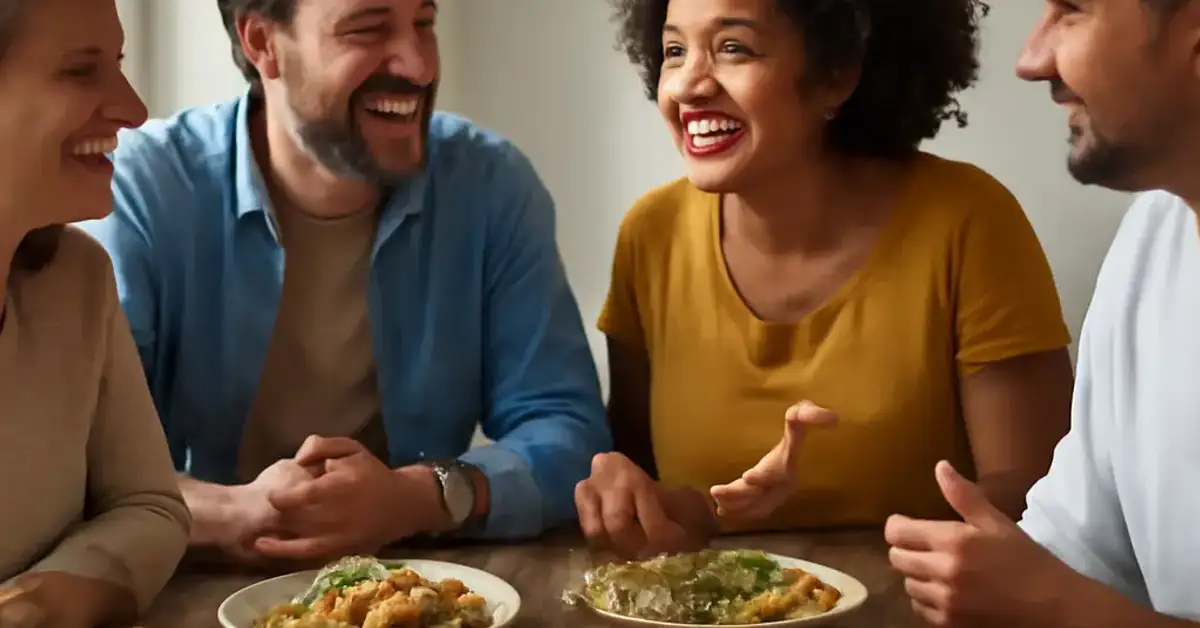
What Makes Dining the Perfect Setting for Meaningful Conversations
I have spent years watching the magic happen. A guest arrives at my villa in Ubud, Bali, maybe a little reserved. Then they taste the first bite of kinilaw — fresh tuna, coconut vinegar, chili, and a story my grandmother taught me. The shoulders drop. The eyes meet. Suddenly, they are telling me about their own grandmother’s kitchen. That is the moment I live for.
Meaningful conversations thrive in environments that reduce stress and create positive association. Food does that better than any icebreaker. The aroma of garlic, the warmth of a shared bowl, the slow rhythm of eating — all of it signals safety and abundance. When people feel safe, they share openly.
Scientific research supports what cultures have known for millennia. A study published in the journal Adaptive Human Behavior and Physiology found that people who eat together report higher levels of social connection and cooperation. This is not coincidence. Shared meals trigger the release of oxytocin, the bonding hormone, especially when the food is prepared with care.
In my experience, the physical format matters just as much. A long communal table invites cross-talk. A low table on cushions encourages a slower pace. Even the act of passing a dish — “would you like more?” — becomes a small gesture of care that builds trust.
Why I Switched from Fine Dining to Intimate Gatherings
Early in my career, I worked in high-end kitchens where plating was precise and silence was expected. The food was beautiful, but the energy was cold. I realized that the best meals I had ever eaten were not at Michelin-starred restaurants. They were at family tables in the Philippines, where laughter was louder than the music and stories flowed like tuba.
That realization led me to Kilig Filipino Warung and later to hosting private villa dinners. I stripped away the formality and kept the warmth. Now every dish I serve is designed to start a conversation, not end it.
10 Ways Meaningful Conversations Begin Around Food
Here are ten specific methods I use — and you can use — to turn a meal into a memory. Each one is rooted in the psychology of shared meals and the art of hospitality.
1. Start with a Shared Food Ritual
Rituals create a container for dining table conversations. In my pop-up dinners, I begin by welcoming everyone and explaining the inspiration behind the first dish. This small act does two things: it gives people a shared focus, and it models vulnerability. When the host shares something personal — “this adobo recipe is my Lola’s, and she used to make it every Sunday” — guests feel permission to do the same. For a related guide, see 12 Small Details That Make Dinners Feel Special.
You can create a food ritual in any setting. Light a candle before you eat. Break bread together. Say a word of gratitude. The repetition of a small, intentional act signals that this moment matters.
2. Remove Distractions (Including Menus)
I have banned printed menus from my dinners. Why? Because communication during meals suffers when people bury their faces in a card. Instead, I describe each course as I serve it. This invites questions: “What is that spice?” “How long did you marinate the pork?” Those questions lead to stories about sourcing, technique, and culture.
A 2018 study from the University of Arizona found that phone presence — even face-down on the table — reduces conversational quality. So keep phones away, skip the menu, and let the food speak.
3. Design for Eye Contact and Proximity
I have learned that seating shapes everything. For family dinner conversations, round tables are better than long rectangles. For couples, sitting at a 90-degree angle (corner of the table) feels more intimate than straight across.
At my villa dinners, I use a long wooden table but seat guests close enough that they can easily talk to someone three seats away. I also avoid high-back chairs that block sightlines. When people can see each other, they connect.
4. Serve Family-Style or Communal Platters
Nothing kills a conversation like individual plates served in silence. Social dining thrives on sharing. When I serve a whole grilled fish or a giant bowl of pancit, guests have to coordinate, ask for servings, and comment on the taste. These small interactions build rapport.
Research from Oxford University shows that eating from shared plates increases cooperation and generosity among diners. So pass the bowl, and pass the conversation along with it.
5. Use Storytelling as a Seasoning
Food brings people together when it carries a story. I never serve a dish without context. The sinigang I make today came from a fishing trip with my uncle. The lechon kawali was perfected during a late-night experiment with a borrowed deep fryer.
When you share the story behind the food, you invite others to share theirs. Suddenly, someone at the table remembers a trip to Vietnam, and now everyone is talking about pho. That is how relationship building through food works: one story leads to another, and strangers become people you know.
6. Ask Open-Ended Questions Before the First Bite
Mealtime discussions often start stiff because people default to weather and work. Instead, I plant a question before the food arrives. “What is a flavor you miss from childhood?” or “What is the best meal you ever had on a trip?”
These questions are specific enough to prompt a real answer, but warm enough to feel safe. Within minutes, the table is alive with travel stories and nostalgia. The food becomes a backdrop, not the main event.
7. Embrace the Pause
Many hosts panic when a lull hits the table. I welcome it. Communal dining needs moments of quiet reflection. When people pause to truly taste the food, they often look up and offer a genuine compliment or observation. That is a real moment.
I have learned to resist the urge to fill silence with chatter. Instead, I take a sip of wine, make eye contact, and wait. Often, the guest who has been quiet all night will speak when the silence gives them space.
8. Build Hospitality into Every Detail
Hospitality and connection go hand in hand. I greet every guest by name. I refill water before it empties. I notice who is allergic to chili and who loves extra calamansi. These small gestures say, “I see you.”
When people feel cared for, they relax. And relaxed people talk. A study in the Journal of Hospitality and Tourism Research found that personalized service directly increases guest satisfaction and willingness to self-disclose. So pay attention — it pays off in conversation.
9. Mix Strangers and Friends On Purpose
At my private dinners, I often seat couples next to solo travelers. The mix creates a dynamic where conversation starters come naturally — the solo guest asks the couple where they are from, and the couple asks the solo guest what brought them to Bali.
If everyone at the table already knows each other, conversation can become insular. A new voice brings fresh topics and breaks routines. So the next time you host, invite someone your guests have never met. The chemistry might surprise you.
10. End with a Shared Sweet Moment
The final course is not just dessert — it is an invitation. I serve something interactive, like a table-grilled banana with coconut caramel. Guests watch, smell, and then taste together. That shared sensory experience sparks emotional connection through food in a way that a plated cake never could.
After dessert, I linger at the table. That is when the deepest conversations happen — when the plates are cleared and the wine is low. Do not rush the end. Give yourself and your guests time to let the meal settle.
How Food Strengthens Friendships and Relationships: The Deeper Psychology
The question I hear most often from my clients — whether they are restaurant owners or couples — is how can food strengthen friendships and relationships? The answer lies in the psychology of shared vulnerability.
When we eat together, we are literally consuming the same substance. That act creates a biological synchrony. Our heart rates even align when we eat in sync, according to a 2019 study in Psychophysiology. That shared rhythm builds rapport.
Bonding over meals also works because food is inherently emotional. The taste of a dish can unlock a memory, a feeling, a part of ourselves we rarely share. When someone says, “this tastes like my grandmother’s kitchen,” they are offering a piece of their history. The listener who receives that gift with curiosity and warmth creates a bond that lasts beyond the meal.
Why People Feel More Comfortable Talking Over Food
Human connection through food happens because eating together mimics the safety of a tribe. Our ancestors ate in groups to survive. That instinct is still wired into us. When we sit down to a meal, our brain registers safety, not threat.
Additionally, the act of chewing and swallowing gives a natural rhythm to conversation. There is a built-in pause between bites. That pause allows people to think before they speak, which leads to more thoughtful exchanges. A 2020 study from the University of Minnesota even found that eating comfort food can increase feelings of social warmth. So serve something comforting — the dialogue will follow.
Creating Spaces for Meaningful Discussion: A Practical Checklist
Whether you are a restaurant owner, a host, or a family member, you can design your dining experience for deeper connection. Here is a checklist I share with clients.
| Element | How to Implement | Why It Helps |
|---|---|---|
| Lighting | Warm, dimmable lights or candles | Reduces stress and softens faces |
| Seating | Round table or close proximity | Encourages eye contact and cross-talk |
| Sound | Low, instrumental background music | Creates privacy without drowning out voices |
| Food style | Family-style or shared platters | Promotes cooperation and commenting |
| Host presence | Welcome guests by name, stay present | Sets a warm, personal tone |
| Technology | No phones or menus at the table | Eliminates distraction, focuses attention |
This checklist is not rigid. Adapt it to your space. The principle is simple: remove barriers to connection and amplify signals of care.
Risk and Safeguards: When Conversations Around Food Go Wrong
Not every meal leads to harmony. I have witnessed heated arguments at dinner tables. Sometimes a host tries too hard to force conversation, and guests feel interrogated rather than invited.
The safeguard is to listen more than you speak. If a guest seems uncomfortable, do not push. Let them eat in peace. Remember that mealtime bonding requires a balance of engagement and space. A good host knows when to ask a question and when to simply enjoy the silence.
Another risk is cultural insensitivity. If you are serving a diverse group, be aware of dietary restrictions and food taboos. A guest who cannot eat what you serve will feel excluded. Always ask about allergies and preferences beforehand. This small act of consideration strengthens trust before the meal even begins.
Useful Resources
To deepen your understanding of how social dining culture builds community, here are two trusted sources:
- Psychology Today: Relationships Section — A collection of research-backed articles on how shared experiences, including dining, strengthen social bonds.
- The Conversation: Why Eating Together is Good for Our Mental and Physical Health — A clear, science-based look at the benefits of communal meals.
Meaningful conversations begin around food not by accident, but by design. Whether you are a professional chef, a restaurant owner, or simply someone who loves to host, you hold the power to create spaces where people connect. Start with one small change — a shared plate, a story about your dish, a question about someone’s childhood flavor. The meal will be remembered not just for what was served, but for what was said.
Frequently Asked Questions About Meaningful Conversations Begin Around Food
Why do meaningful conversations often begin around food?
Meaningful conversations often begin around food because eating together lowers stress, creates a shared focus, and triggers oxytocin release, which fosters trust.
How do shared meals encourage better communication?
Shared meals encourage better communication by removing distractions, creating natural pauses for reflection, and providing a neutral topic (the food) to build rapport.
What makes dining a good setting for conversations?
Dining is a good setting for conversations because it combines sensory pleasure, eye contact, and a relaxed atmosphere that reduces social anxiety.
How does food help people connect emotionally?
Food helps people connect emotionally by evoking memories, signaling care through preparation, and creating shared sensory experiences that bond people.
Why are family meal conversations important?
Family meal conversations are important because they create routine, improve children’s vocabulary and social skills, and strengthen family identity through shared stories.
How can restaurants create spaces for meaningful discussions?
Restaurants can create spaces for meaningful discussions by using warm lighting, round tables, shared platters, and training staff to facilitate rather than rush the meal.
What topics naturally arise during shared meals ?
Topics that naturally arise include travel memories, family traditions, food preferences, cultural differences, and childhood nostalgia — all open-ended and personal. For a related guide, see 8 Ways Food Creates Lasting Travel Memories.
How does hospitality encourage social interaction?
Hospitality encourages social interaction by making guests feel seen and cared for, which lowers defenses and invites genuine sharing.
Why do people feel more comfortable talking over food?
People feel more comfortable talking over food because the act of eating mimics tribal safety, and the rhythm of chewing naturally spaces out conversation.
How can food strengthen friendships and relationships?
Food strengthens friendships and relationships by creating shared rituals, increasing trust through cooperative eating, and providing a context for storytelling.
What role does culture play in food-related conversations?
Culture shapes food-related conversations by defining mealtime etiquette, preferred dishes, and storytelling styles, which can become rich topics for exchange.
How do meals help people build trust?
Meals help build trust because sharing food signals generosity and lack of threat, and the slow pace of dining allows for gradual self-disclosure.
Why are some of life’s best conversations held at the dinner table?
The dinner table offers a contained, distraction-free environment where people are nourished and present, making it ideal for deep, unhurried talk.
How can shared dining experiences improve communication skills?
Shared dining experiences improve communication skills by training active listening, turn-taking, and the ability to read non-verbal cues across the table.
What are the social benefits of talking while sharing a meal?
Social benefits include increased cooperation, reduced prejudice, stronger community bonds, and a greater sense of belonging to a group.
How do I start a conversation with strangers at a dinner party?
Start with a warm observation about the food — “have you tried the adobo?” — then follow with an open-ended question about travel or favorite dishes.
What if I am shy and find it hard to talk during meals?
If you are shy, focus on listening and asking follow-up questions. People love to talk about themselves, and your curiosity will naturally draw you into the conversation.
How many courses should I serve to encourage conversation?
Three to four courses work well — enough to create a rhythm but not so many that the meal drags. A pause between courses gives time for conversation to breathe.
Should I include music during a conversational dinner?
Keep music low and instrumental — enough to create ambiance but low enough that guests can talk without raising their voices.
How do I handle a guest who dominates the conversation?
Gently redirect by saying, “That is fascinating — I would love to hear what others think about that.” Then make eye contact with quieter guests to invite them in.
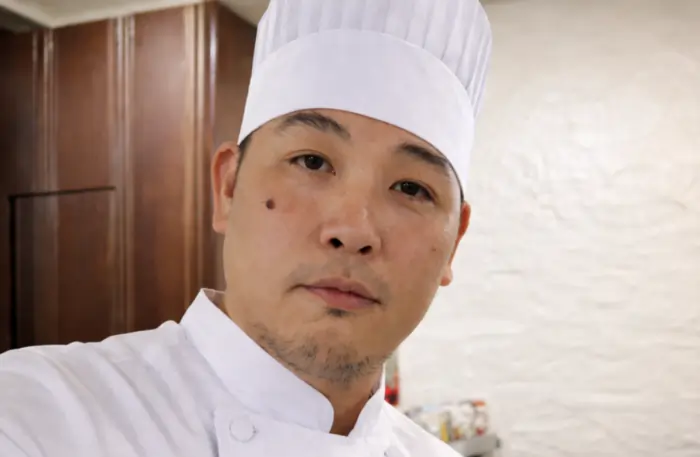
Chef Juan Gadi brings the heart of Filipino hospitality to Ubud, Bali. As an Executive Chef and consultant, he specializes in creating intimate, curated dining experiences that tell a story through every dish. Whether leading the kitchen at Kilig Filipino Warung or hosting a private villa dinner, Chef Juan’s approach is defined by warmth, modern technique, and a commitment to culinary excellence.