Emotional Joy of Sharing a Meal in Bali Key Takeaways
Sharing a meal in Bali is far more than a routine act of eating — it is a deeply emotional experience rooted in centuries of tradition, communal values, and genuine warmth.
- The Emotional Joy of Sharing a Meal in Bali stems from the deep Balinese belief that food is a sacred bond between people, nature, and the divine.
- Whether you join a shared meals culture inside a local family compound or savor authentic Bali dishes at a beachfront warung, the island’s Balinese hospitality turns every table into a stage for emotional travel experiences .
- From traditional Indonesian food Bali to modern Bali restaurant culture , the island invites you to slow down, connect, and feel the food and culture connection that makes every meal unforgettable.
What Makes Sharing a Meal in Bali an Unforgettable Emotional Experience?
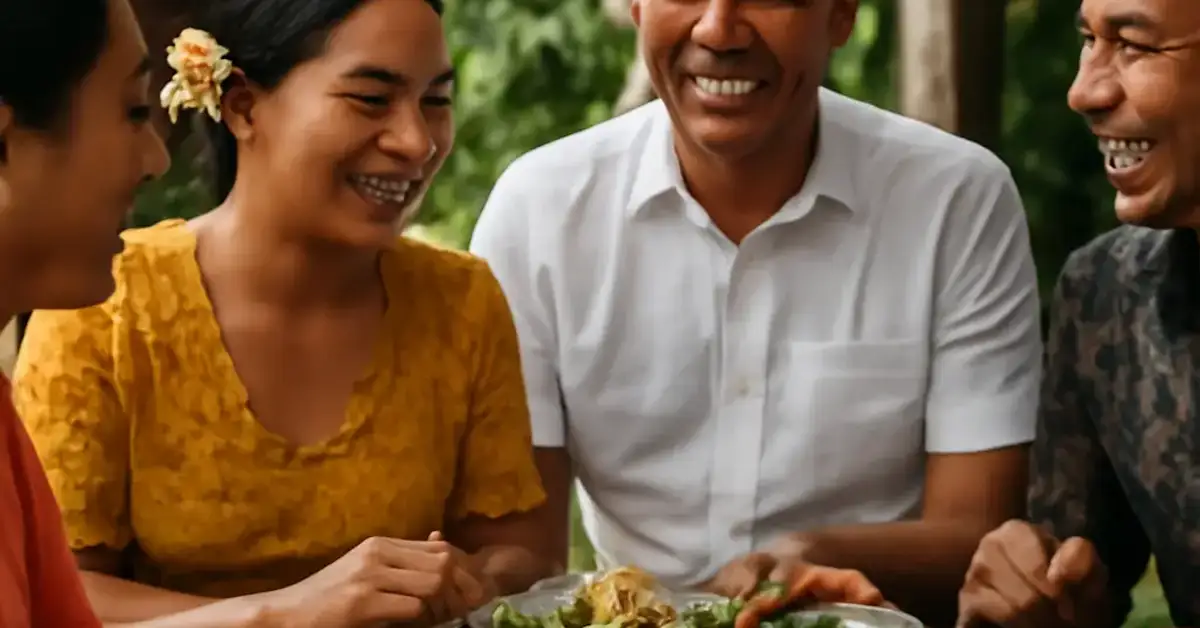
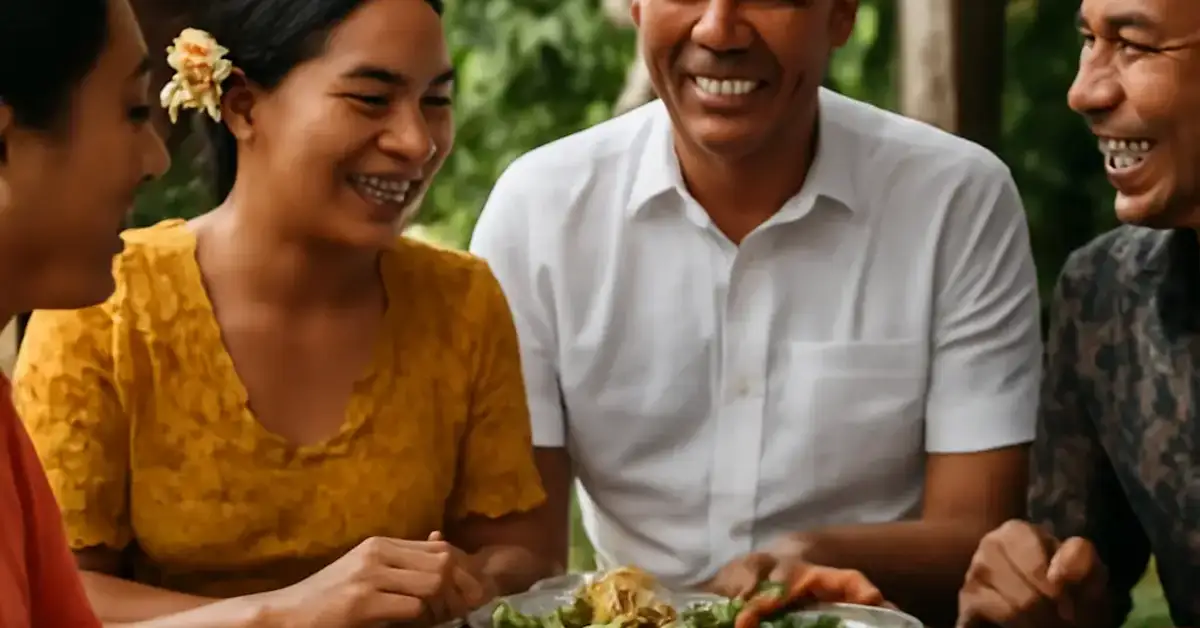
The first time I stepped into a Balinese family compound in Ubud, I was not just a guest — I was instantly treated as extended family. The matriarch, a serene woman named Ibu Wayan, gestured for me to sit on a low bamboo platform next to her grandchildren. Before us lay a spread of fragrant Bali cuisine: golden turmeric rice, crispy lawar, and satay lilit still sizzling from the grill. As we ate together, stories flowed — not just about food, but about life, ceremonies, and the meaning of togetherness. That evening, I understood why sharing a meal in Bali is often described as an emotionally rich experience shaped by strong cultural traditions, warm hospitality, and meaningful social connection. Food is not just nourishment but a way to bond with family, friends, and even strangers, while traditional Balinese cuisine, local ceremonies, and the relaxed island atmosphere enhance the sense of joy, gratitude, and togetherness that makes dining in Bali deeply memorable. For a related guide, see 10 Reasons Shared Meals Feel More Meaningful.
The Foundation of Bali Food Culture: More Than Just Flavor
At the heart of the Balinese dining experience lies a philosophy that elevates eating into a spiritual act. In Balinese Hinduism, food is considered a gift from the gods, and sharing it reinforces the bond between the human world and the divine. This belief is most visible during ceremonies, where traditional Balinese meals are first offered to deities before anyone takes a bite. When you participate in a shared meal — whether at a temple festival or a private home — you are stepping into a sacred cycle of giving and receiving that has defined Bali food culture for centuries.
How Balinese Dining Culture Creates Emotional Connections
Emotional travel experiences rarely come from ticking off tourist attractions. They emerge when you feel genuinely welcomed into a place and its culture. In Bali, the shared meals culture is a direct invitation to connection. Unlike the fast-paced, individualistic dining norms common in many Western countries, Balinese meals are inherently social dining traditions where people gather around a central array of dishes, eat with their hands, and pass plates to one another with a smile.
The Role of Island Hospitality Bali in Every Bite
Island hospitality Bali is not a scripted performance for tourists — it is a genuine expression of the local value of krama (community) and manyama braya (treating others like family). I recall a morning at a small warung in Sideman where the owner, Ketut, insisted I stay for lunch after I had only ordered coffee. He served me a bowl of sayur urap and explained how each herb in the dish mirrored the balance of life. That moment, shared over simple food, became one of my most cherished meaningful travel moments. This is why Bali travel food guide often emphasizes that the best meals are not found on menus but in the homes and hearts of the people. For a related guide, see Why Bali Feels Like Home Even on Your First Visit: 7 Powerful Reasons for Instant Belonging.
Traditional Balinese Meals: A Feast for the Senses and the Soul
Traditional Balinese meals are designed to be shared. A typical spread includes rice (nasi), several vegetable and meat side dishes (lauk pauk), and sambal that ranges from mild to volcanic. Dishes like authentic Bali dishes such as babi guling (spit-roasted pig) and bebek betutu (slow-cooked duck) are rarely prepared for one person — they are made for celebrations, for large groups, for the community. This social dining traditions naturally break down barriers between strangers. When you reach for the same plate of sambal matah or offer a piece of fried tempeh to a neighbor, you are participating in a ritual of trust and generosity.
Food Tourism Bali: Why Travelers Crave Authenticity
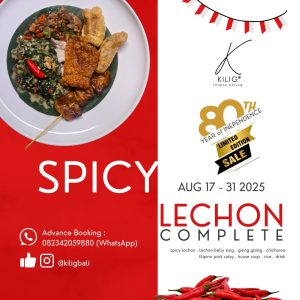
The rise of food tourism Bali is driven by a hunger for cultural immersion dining — experiences that go beyond a restaurant review. Travelers today, whether they are digital nomads, solo travelers, or honeymoon couples, seek local food experiences Bali that offer genuine connection. They want to eat where locals eat, learn how dishes are made, and understand the stories behind them. This is exactly what we offer at Kilig Filipino Warung in Ubud, where the Bali lifestyle experience meets the warmth of Filipino hospitality. Every dish is a conversation, and every meal is an exchange of culture.
How Culture Shapes Food Experiences in Bali Differently
Why do travelers remember meals in Bali with such vivid emotion? The answer lies in how culture shapes food experiences in Bali. In many parts of the world, dining has become transactional — you order, you eat, you pay, you leave. In Bali, dining is relational. The Balinese hospitality ethos means that even in a busy restaurant, the server might sit down for a moment to chat, or the chef might walk out to ask if you enjoyed the Bali culinary culture you just experienced. This human-centered approach transforms a meal from a commodity into a memory.
Bali Restaurant Culture: From Warungs to Private Villa Dinners
Bali restaurant culture reflects this philosophy beautifully. At one end, you have humble family-run warungs where the menu changes daily based on what was harvested that morning. At the other, you have intimate curated dining experiences at private villas, like the ones I host as Chef Juan Gadi, where every course is paired with a story about traditional Indonesian food Bali and its origins. Both extremes, and everything in between, honor the same principle: food is a bridge between people. That is why emotional travel moments happen so naturally here — you are not just tasting flavors; you are tasting a way of life.
Why Communal Eating Is Important in Balinese Culture
Communal eating traditions in Bali are not just social habits — they are a form of spiritual practice. The concept of Tri Hita Karana, the three causes of well-being (harmony with God, harmony with nature, and harmony with others), is expressed at the dining table. When you share a meal, you harmonize with others. When you eat seasonal, local ingredients, you harmonize with nature. When you offer the first bite to the divine, you harmonize with the spiritual world. This holistic approach is why shared meals culture in Bali feels so profoundly different from dining anywhere else. It is not just about satisfying hunger — it is about fulfilling the soul.
Practical Tips for Experiencing the Emotional Joy of Sharing a Meal in Bali
To truly immerse yourself in the Emotional Joy of Sharing a Meal in Bali, follow these suggestions from my years of living and cooking on the island:
- Eat with your hands. In Balinese tradition, eating with your fingers engages all your senses and makes the meal feel more intimate. The right hand is used, and the thumb gently pushes the rice into your mouth. It takes practice, but it is one of the most grounding cultural food experiences you can have.
- Join a local ceremony meal. Many temples and community events welcome respectful visitors. Witnessing how traditional Balinese meals are prepared and shared during a temple festival gives you direct insight into the food and culture connection.
- Take a cooking class with a local family. This is the ultimate cultural immersion dining experience. You will shop at the market, learn the role of each spice, and sit down to eat the meal you helped create — alongside the family and other travelers. It is a recipe for emotional travel experiences.
- Visit a traditional market at dawn. The sensory overload of local food experiences Bali at the market — stacks of rambutan, baskets of live crabs, towering pyramids of chili — will deepen your appreciation for the island’s Bali culinary culture.
- Say yes to every invitation. If a local invites you to share a meal, accept. This is where the true travel food storytelling begins. The most memorable Bali dining experience I ever had was a spontaneous lunch of jackfruit curry in a farmer’s home after a morning of volunteering.
What Foods Are Commonly Shared in Bali?
Authentic Bali dishes are built for sharing. The Balinese dining experience typically revolves around a central plate of rice surrounded by multiple small bowls of sides. Here is a quick table of some of the most beloved shared dishes in Bali food culture:
| Dish | Description | Why It Is Shared |
|---|---|---|
| Babi Guling | Spit-roasted pig stuffed with a spice paste of turmeric, galangal, lemongrass, and chili. | Traditionally prepared for large ceremonies; the whole community shares the meat. |
| Bebek Betutu | Duck slow-cooked in banana leaves with a complex herb mixture. | The cooking process is a ritual itself; families gather to unwrap and divide the bird. |
| Lawar | A minced meat and vegetable salad mixed with grated coconut and spices. | Always made in large batches; it is a staple at any social dining traditions gathering. |
| Sayur Urap | Steamed vegetables tossed in a spiced coconut dressing. | A versatile side that accompanies almost every traditional Balinese meal. |
| Sambal Matah | Raw sambal made with shallots, lemongrass, chili, lime, and shrimp paste. | Served in a communal bowl; everyone drizzles it over their own rice or meat. |
How the Island Lifestyle Enhances Food Enjoyment
The relaxed atmosphere of Bali is not just a backdrop — it is an active ingredient in the Emotional Joy of Sharing a Meal in Bali. The island’s tropical rhythm slows everything down. Meals are not rushed. They can last for hours, moving from appetizers to conversation to dessert under the stars. Bali lifestyle experience encourages you to be present — to listen to the geckos chirping, to feel the breeze through the open walls of a thatched restaurant, to taste the depth of flavor in a single grain of locally grown rice. This mindfulness turns every shared meal into a meditation on connection.
Why Bali Is Known for Meaningful Travel Experiences
When travel bloggers and food bloggers write about travel experiences Bali, they often use words like “soulful,” “transformative,” and “heart-opening.” That is because the island does not just offer sights — it offers presence. Meaningful travel moments here often happen at the intersection of food, community, and setting. Sharing a meal in Bali is rarely a solitary act. It is an invitation to participate in a culture that values togetherness above all else. That is why Bali food culture has become a magnet for culinary explorers, experience seekers, and anyone seeking emotional travel experiences that go deeper than the surface.
Useful Resources
To deepen your understanding of Bali food culture and communal eating traditions, explore these trusted sources:
- BBC Travel: The Spiritual Ritual of Sharing Food in Bali — An excellent deep dive into the spiritual and social layers of Balinese dining.
- Eater: A Food Lover’s Guide to Bali — A practical guide to authentic Bali dishes and the best places to find them.
In the end, the Emotional Joy of Sharing a Meal in Bali is not something you can fully capture in photographs or blog posts. It is a feeling you carry with you — the warmth of a stranger’s smile, the burst of chili and lime on your tongue, the quiet understanding that for a few hours, you were part of something bigger than yourself. Whether you are a solo traveler finding a temporary family at a communal table, a honeymoon couple sharing a candlelit rijsttafel under the frangipani tree, or a food blogger documenting the nuances of Bali cuisine for the world, the island invites you to taste not just its food, but its heart. And that is a meal you will never forget.
Frequently Asked Questions About Emotional Joy of Sharing a Meal in Bali
Why is sharing a meal in Bali such an emotional experience?
Sharing a meal in Bali taps into the island’s deep-rooted values of community, gratitude, and spiritual connection. When you eat with locals, you are welcomed into their family and tradition, which creates a powerful emotional bond that lasts far beyond the meal.
What makes Balinese dining culture unique?
Balinese dining culture is unique because it blends spiritual rituals with communal togetherness. Meals are often shared from a central platter, eaten with the hands, and preceded by a small offering to the gods. The focus is on harmony and connection rather than speed or individual portions.
How does food bring people together in Bali?
Food in Bali is a social glue. Whether during a temple ceremony, a family gathering, or a casual warung dinner, eating together breaks down social barriers. The act of sharing dishes and eating with your hands fosters intimacy and trust among diners.
What are traditional Balinese meals like?
Traditional Balinese meals are vibrant, aromatic, and built around rice. They include multiple side dishes such as lawar (spiced minced meat or vegetables), sambal, fried tempeh, and satay. Meals are served on banana leaves and eaten with the right hand, often in a low seated position.
Why is communal eating important in Balinese culture?
Communal eating reflects the Balinese principle of krama — community bonds. Sharing food is a way to strengthen family ties, honor ancestors, and maintain social harmony. It is considered essential for both physical and spiritual well-being.
How does Bali hospitality influence dining experiences?
Bali hospitality — known as nyama braya or treating others as family — transforms dining into a personal, heartfelt experience. Hosts go out of their way to make guests feel comfortable, often offering extra dishes, explaining the ingredients, and sitting down to share a conversation.
What foods are commonly shared in Bali?
Common shared foods include babi guling (spit-roasted pig), bebek betutu (slow-cooked duck), lawar (spiced salad), sambal matah (raw sambal), and sayur urap (vegetables in coconut dressing). These dishes are designed for communal platters.
How does culture shape food experiences in Bali?
Culture in Bali frames food as a sacred gift and a social connector. The practice of offering food to deities before eating, the emphasis on eating seasonal local ingredients, and the relaxed multi-hour meal times all shape a deeply immersive food experience.
Why do travelers remember meals in Bali?
Travelers remember meals in Bali because they involve all senses and emotions — the vibrant colors of spices, the fragrance of coconut and lemongrass, the warmth of the host, and the feeling of being welcomed into a different way of life. It is a memorable mix of novelty and intimacy.
What role does food play in Balinese ceremonies?
Food in Balinese ceremonies is an offering — both to deities and to the community. Banten (offerings) include rice, fruits, and cooked dishes. After the spiritual part, the food is shared among participants, reinforcing community bonds and collective gratitude.
How is dining different in Bali compared to other countries?
Compared to many Western countries where dining can be quick and individualistic, dining in Bali is slow, communal, and centered on relationship-building. There is less focus on the transaction and more on the experience of togetherness and gratitude.
What makes Bali food tourism special?
Bali food tourism is special because it offers authentic, immersive experiences that go beyond eating. Travelers can join cooking classes in open kitchens, visit local markets, and share meals with families in their homes, gaining deep cultural insight.
How do locals welcome guests during meals?
Locals often welcome guests with a warm smile, a seat at the family table, and an insistence that you eat until you are full. They will offer you the best portions, explain the dishes, and engage in genuine conversation, treating you as an honored member of their home.
Why is Bali known for meaningful travel experiences?
Bali is known for meaningful travel experiences because the culture emphasizes connection — with nature, spirituality, and each other. Meals, ceremonies, and daily life all invite travelers to slow down, reflect, and participate in something larger than themselves.
How does island culture enhance food enjoyment?
Island culture enhances food enjoyment by encouraging a relaxed pace, fresh local ingredients, and open-air dining environments. The tropical setting — with ocean views, rice terraces, and gentle breezes — makes every meal feel like a celebration.
What are the best traditional dishes to try in Bali?
The best traditional dishes to try include babi guling, bebek betutu, lawar, nasi campur (mixed rice with sides), satay lilit (minced fish satay), and sambal matah. Each dish tells a story of Bali’s agricultural richness and cultural heritage.
How does shared dining create emotional connections?
Shared dining creates emotional connections by requiring cooperation, sharing, and presence. The act of reaching for the same plate, offering food to others, and eating with your hands breaks down formal distance and fosters a sense of belonging.
What should travelers expect from Bali food culture ?
Travelers should expect vibrant flavors, generous hospitality, and a strong sense of ritual. Meals are often communal, eaten with the hands, and accompanied by stories. Be prepared to slow down and enjoy the moment rather than rushing through a meal.
Why is food central to Balinese social life?
Food is central to Balinese social life because it is the primary way people celebrate, mourn, worship, and connect. From temple offerings to family dinners, every significant event revolves around preparing, sharing, and enjoying food together.
How does Bali combine culture and cuisine in travel experiences?
Bali combines culture and cuisine by integrating food into every aspect of the travel experience. Visitors do not just eat — they learn about the food and culture connection through cooking classes, market tours, temple visits, and meals hosted by local families, creating an immersive, emotional journey.
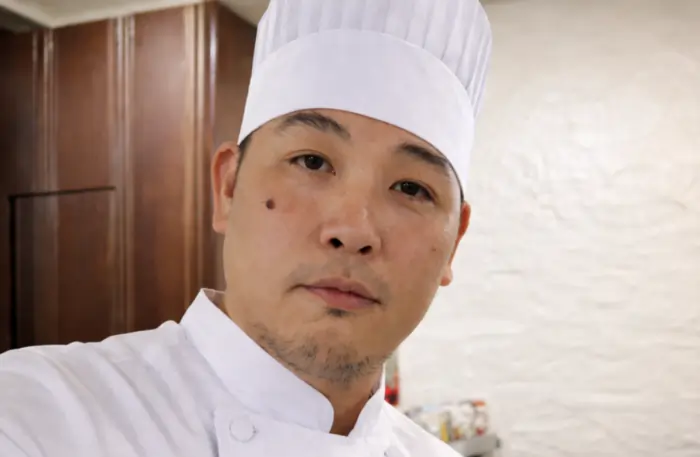
Chef Juan Gadi brings the heart of Filipino hospitality to Ubud, Bali. As an Executive Chef and consultant, he specializes in creating intimate, curated dining experiences that tell a story through every dish. Whether leading the kitchen at Kilig Filipino Warung or hosting a private villa dinner, Chef Juan’s approach is defined by warmth, modern technique, and a commitment to culinary excellence.