
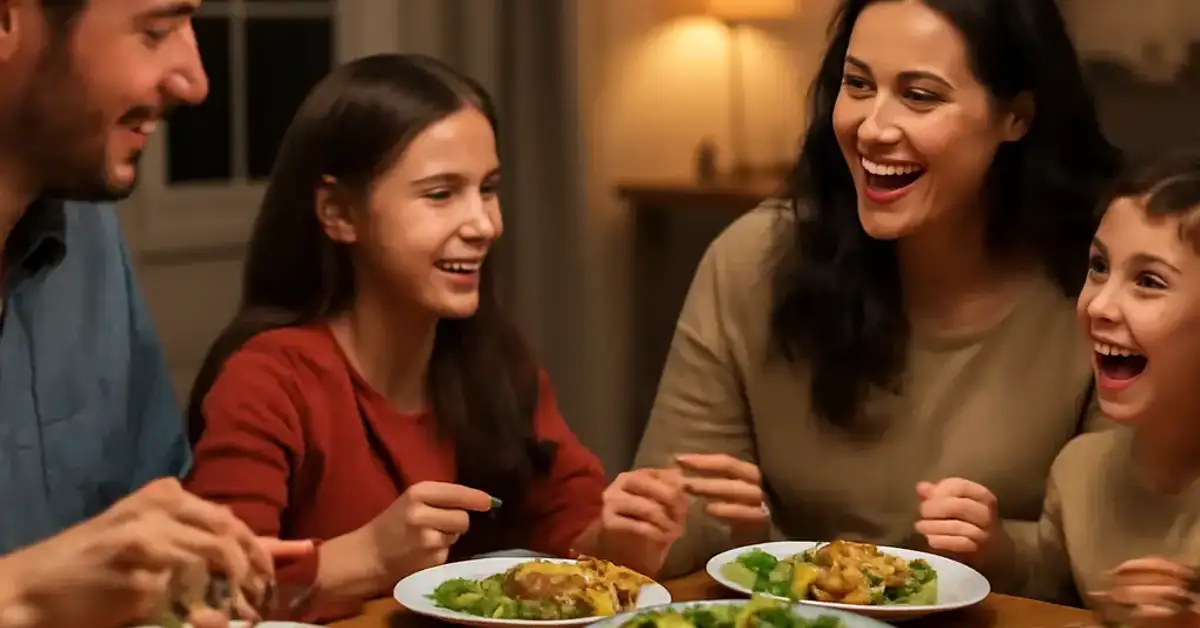
Ways Shared Meals Strengthen Relationships Key Takeaways
Sharing a meal is one of the most powerful—yet overlooked—ways to deepen bonds with family, friends, and partners.
- Ways Shared Meals Strengthen Relationships include improved communication, trust building, and emotional connection through routine dining habits.
- Food-centered gatherings reduce stress, encourage vulnerability, and create lasting memories that reinforce social bonds.
- Consistent family meals and couples dining experiences are linked to better relationship wellness and lower conflict rates.
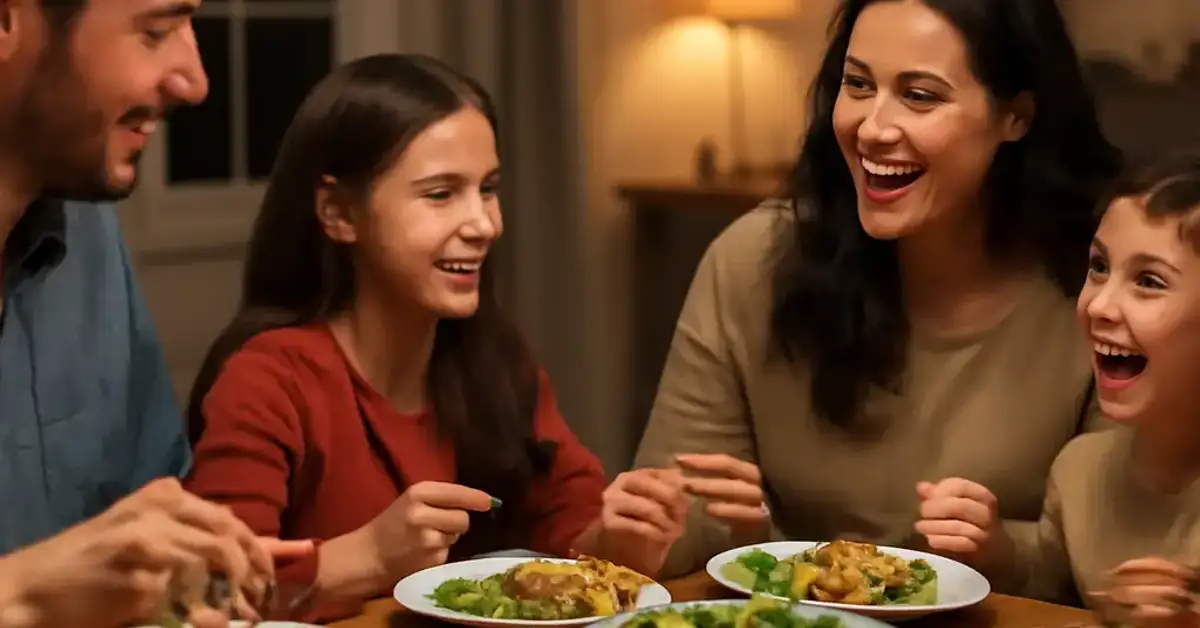
Understanding Why Ways Shared Meals Strengthen Relationships Matters Today
In our fast-paced world, sitting down for a meal often becomes transactional—eat fast, check phones, move on. Yet research in social psychology of eating together shows that the simple act of sharing food triggers oxytocin release, the hormone linked to bonding and trust. For relationship bloggers, marriage counselors, and wellness coaches, emphasizing shared meals is not just about nutrition—it is about building a foundation for long-term relationship bonding.
Modern families, couples, and friend groups who prioritize dining together report higher satisfaction and lower stress. This article explores eight actionable ways to leverage family dining benefits and social bonding during meals to strengthen every kind of relationship.
Ways Shared Meals Strengthen Relationships: 8 Proven Strategies
1. Creating a Routine for Family Meals Builds Consistency and Trust
Regular family meals are the cornerstone of relationship bonding. When families commit to eating together at least three times a week, children and adults alike feel a sense of stability. This routine becomes a safe anchor where everyone can share highs and lows. Studies show that teens who participate in family bonding activities like dinner have lower rates of anxiety and substance abuse. The predictability of shared dining encourages open conversation and mutual support.
2. Mealtime Conversations Strengthen Emotional Intimacy
The dinner table is one of the few places where people are naturally unhurried and face-to-face. Mealtime conversations allow for deeper exchanges beyond daily logistics. For couples, asking open-ended questions about each other’s day fosters emotional intimacy and food culture. For friends, shared meals become the backdrop for laughter, vulnerability, and inside jokes. This food and communication dynamic is essential for friendship building and long-term partnership health.
3. Communal Dining Experiences Foster Belonging and Inclusion
Whether it is a potluck with neighbors or a community soup kitchen, communal dining experiences create a sense of belonging. When people gather around food, they share not just nutrients but also stories, backgrounds, and traditions. This dining and belonging effect is especially powerful for newcomers, remote workers, or those recovering from isolation. Event planners and community leaders can use food-centered gatherings to build trust and inclusion among diverse groups.
4. Culinary Traditions Pass Down Values and History
Traditions tied to food—like Sunday roasts, holiday feasts, or cultural staples—are powerful family traditions and food rituals. They reinforce identity and continuity across generations. Teaching a child to make grandma’s secret recipe is itself a family bonding activity. These dining together benefits extend beyond nutrition into emotional inheritance. For parenting bloggers and educators, sharing these practices helps families preserve heritage while strengthening bonds.
5. Hospitality and Human Connection Turn Strangers into Friends
Opening your home—or even a simple picnic—can transform casual acquaintances into trusted friends. Hospitality and human connection go hand in hand. When you prepare a meal for someone, you are offering time, effort, and care. This act of service deepens relationship building through food and signals that the other person matters. For hospitality professionals and restaurant owners, understanding this dynamic can turn a business transaction into a memorable connection through hospitality.
6. Shared Dining Experiences Create Lasting Memories
Memorable meals—birthday dinners, romantic anniversary dates, or even a spontaneous taco night—become emotional anchors. Shared dining experiences are often cited as key moments in relationship timelines. Couples who regularly create memorable dining experiences report higher satisfaction because the shared sensory experience (smell, taste, touch) layers positive emotions onto the relationship. For tourism marketers and event planners, promoting these experiences taps into the deep human need for quality time over meals.
7. Food and Emotional Connection Reduces Stress and Conflict
Eating together lowers cortisol levels and encourages relaxation. When people are calm, they communicate more effectively. This is why food and emotional connection is such a vital tool for marriage counselors and wellness coaches. Recommending a weekly couples dining experience without screens can dramatically reduce arguments. Relationship wellness habits that include shared meals are easier to sustain than abstract “communication exercises” because the meal itself provides structure and comfort.
8. Social Interaction and Meals Encourage Vulnerability and Growth
The most powerful bonding often happens when we are vulnerable. Sharing a homemade meal that flopped or trying a new cuisine together creates moments of humility and laughter. Social interaction and meals are a natural arena for this. Trust building through shared meals happens when people feel safe to be imperfect. This is valuable for therapists, coaches, and educators teaching relationship building habits to groups or individuals.
Practical Steps to Start Relationship Building Through Food Today
Implementing these concepts does not require grand gestures. Start by scheduling one phone-free dinner per week with your partner or family. Involve everyone in cooking—this food bonding activity adds another layer of connection. Use the table to share one high and one low from the day. If you are a counsellor or coach, assign “dinner without devices” as a weekly homework. For food bloggers, create content around meaningful meals and gathering around food that readers can replicate easily.
| Strategy | Best For | Key Benefit |
|---|---|---|
| Weekly family dinner | Families with kids | Consistency and trust |
| Couples cooking date | Romantic partners | Teamwork and intimacy |
| Potluck with neighbors | Community groups | Inclusion and belonging |
| Cultural dish night | Friends and family | Heritage preservation |
| Device-free dining | All relationships | Deeper conversation |
Common Pitfalls to Avoid in Shared Meals
Shared meals can backfire if done with pressure or criticism. Avoid turning dinner into a lecture or complaint session. Do not force conversation if someone needs silence. Also, perfectionism kills connection—the goal is presence, not culinary excellence. If you are a restaurant owner or hospitality professional, avoid rushing guests through their meal. A communal dining experience must feel unhurried to foster genuine social connection through food.
Useful Resources
For deeper insights into social psychology of eating together and relationship wellness, explore these authoritative sources:
- The Family Dinner Project: Why Family Dinner Matters – Research-backed guidance on making family meals work for modern families.
- Greater Good Magazine: How Shared Meals Help Us Connect – Scientific exploration of the psychological benefits of communal dining.
Conclusion: The Table Is Where Bonds Grow
The evidence is clear: Ways Shared Meals Strengthen Relationships go far beyond nutrition. From family dining benefits to social bonding during meals, every shared plate carries the potential for deeper emotional connection through food. Whether you are a parent, partner, therapist, or community leader, making shared meals a priority is a simple, powerful investment in relationship wellness. Start tonight. Turn off the screens. Sit down together. And let the conversation—and the connection—begin. For a related guide, see 10 Reasons Shared Meals Feel More Meaningful.
Frequently Asked Questions About Ways Shared Meals Strengthen Relationships
How do shared meals improve communication?
Shared meals create a neutral, low-pressure environment that encourages open dialogue. The act of eating together naturally slows down conversation, allowing for deeper listening and empathy. This is a core reason why ways shared meals strengthen relationships include better communication. For a related guide, see How Meaningful Meals Bring People Closer Together.
Can family dining benefits improve a child’s mental health?
Yes, consistent family meals are associated with lower rates of depression, anxiety, and risky behaviors in children. The routine, attention, and family bonding activities during dinner provide emotional security.
What is the best way to start relationship building through food ?
Start small and consistent. Pick one meal per week, remove distractions like phones, and focus on presence. Even 20 minutes of quality time over meals can build momentum for deeper relationship bonding.
How do couples dining experiences reduce conflict?
Eating together lowers stress hormones, which reduces reactivity. When couples engage in couples dining experiences without screens, they are more likely to listen and validate each other’s feelings, lowering conflict intensity.
Are social bonding during meals different for introverts?
Introverts may prefer smaller, quieter meals with fewer participants. Social bonding during meals still works well for them in intimate settings, as long as the environment feels safe and unhurried.
What role does food and emotional connection play in long-term friendships?
Food and emotional connection create shared memories and rituals. Friends who regularly share meals report higher trust and life satisfaction. Friendship building through dining is a powerful, low-effort habit.
Can communal dining experiences help with loneliness?
Absolutely. Communal dining experiences like community dinners or shared office lunches combat isolation by providing structured social interaction. Dining and belonging is a core human need that food gatherings fulfill.
How do family traditions and food affect adult children?
Adults who grew up with family traditions and food often carry those rituals forward. They tend to prioritize family bonding activities in their own homes, continuing the cycle of relationship wellness.
What is hospitality and human connection in a dining context?
Hospitality and human connection refer to the warmth and care shown when hosting someone for a meal. It transforms a simple act of eating into a gesture of welcome and trust, deepening connection through hospitality.
How often should couples have shared dining experiences ?
Ideally, couples should aim for at least two to three device-free shared dining experiences per week. Consistency matters more than length—even 30 minutes is beneficial for relationship bonding.
What are some meaningful meals ideas for friends?
Themed dinners (taco night, homemade sushi), potlucks where everyone brings a dish from their culture, or breakfast-for-dinner are all meaningful meals that encourage friendship building and fun.
Can dining together benefits apply to virtual meals?
Yes, virtual shared meals via video call still provide many dining together benefits like conversation and ritual. People who eat together online report feeling more connected than those who eat alone.
How does food and relationship psychology work?
Food and relationship psychology studies how eating together triggers bonding hormones like oxytocin, reduces cortisol, and creates positive associations. This reinforces relationship wellness habits.
What are food bonding activities for teens?
Cooking competitions, build-your-own-pizza nights, and dessert-making sessions are food bonding activities that teens enjoy. They offer a low-pressure way to connect without forced conversation.
How do cultural dining traditions strengthen community?
Cultural dining traditions preserve heritage and invite others to learn about a community’s history. When shared with outsiders, they build bridges of understanding and social bonding during meals.
What is the biggest mistake in gathering around food ?
The biggest mistake is turning gathering around food into a performance. Overly elaborate menus or strict etiquette create pressure. The real goal is quality time over meals, not perfection.
How can single people practice relationship building through food ?
Single people can host potlucks, join dinner clubs, or simply share a meal with a neighbor. Relationship building through food works for platonic bonds as powerfully as romantic ones.
What does trust building through shared meals look like in practice?
It looks like showing up consistently, being present without distractions, and allowing for vulnerability. Trust building through shared meals is gradual but solidifies over repeated meal sharing benefits.
How do food-centered gatherings affect workplace relationships?
Food-centered gatherings at work—team lunches, potlucks, or coffee breaks—humanize colleagues and reduce hierarchy. They encourage social connection through food and improve collaboration.
What is the simple takeaway from ways shared meals strengthen relationships ?
The simple takeaway is that intentional, regular shared meals are one of the easiest and most effective relationship building habits you can adopt. The table is where connection thrives.
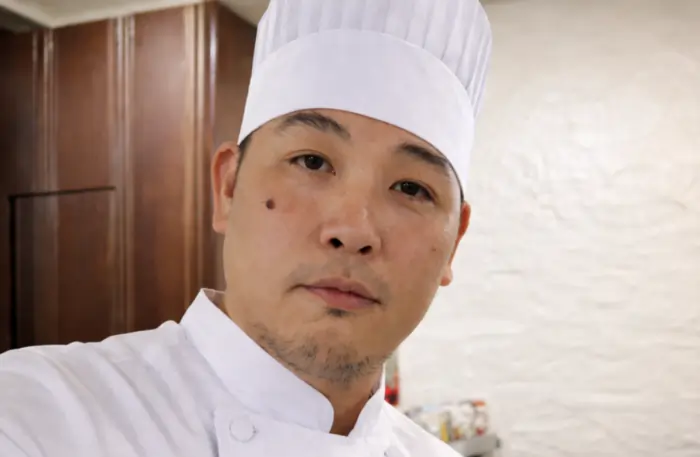
Chef Juan Gadi brings the heart of Filipino hospitality to Ubud, Bali. As an Executive Chef and consultant, he specializes in creating intimate, curated dining experiences that tell a story through every dish. Whether leading the kitchen at Kilig Filipino Warung or hosting a private villa dinner, Chef Juan’s approach is defined by warmth, modern technique, and a commitment to culinary excellence.