

Food and Travel Create Deeper Human Connections Key Takeaways
Food and travel create deeper human connections by transforming strangers into companions through the universal language of a shared meal.
- Food and travel create deeper human connections by offering a sensory entry point into another culture, allowing travelers to experience traditions firsthand.
- Shared meals and social dining experiences foster empathy and belonging, turning fleeting encounters into meaningful travel moments .
- Culinary tourism and community dining traditions empower local hosts and give travelers authentic, unforgettable stories to carry home.

Why Food and Travel Create Deeper Human Connections in a Disconnected World
We live in an age where we can video-call across continents and scroll through endless photos of distant lands. Yet, something feels missing. Real connection. The kind that leaves a mark on your soul. That is precisely where food and travel create deeper human connections—in the messy, aromatic, laughter-filled space of a shared table. I have seen it firsthand in my kitchen at Kilig Filipino Warung in Ubud, Bali. A group of strangers from four different countries sits down for a curated tasting menu. By the time the coconut caramel dessert arrives, they are exchanging numbers, sharing travel tips, and talking like old friends. That is the power of breaking bread together.
The Universal Language of the Table
No matter where you go, the act of eating together communicates something fundamental. It says, “You are welcome here.” This is the heart of why food and travel create deeper human connections. When you sit down to share a meal, you are not just nourishing your body; you are participating in a ritual that has bonded humans for millennia. Shared meals experiences bypass the need for perfect grammar or a shared vocabulary. A smile, a nod, and a gesture to pass a dish say more than any phrasebook ever could.
How Culinary Tourism Builds Emotional Bridges
Culinary tourism is far more than a trend. It is a deliberate choice to let the local kitchen be your classroom and the cook your teacher. When travelers seek out local cuisine experiences, they are actively choosing to be vulnerable, to taste something unfamiliar, and to trust the hands that prepared it. This act of trust is where emotional travel experiences begin. I remember a German couple who came to my warung hesitant about Filipino food. After the first bite of chicken inasal, their eyes lit up. They asked questions about the marinade, about the charcoal grill, about the fiestas back home in the Philippines. In that moment, they were not tourists; they were guests, learning the story of a culture through its flavors.
Why Food and Identity Are Inseparable on the Road
Every dish tells a story of geography, history, and family. Understanding food and identity is crucial for any traveler wanting to go beyond surface-level sightseeing. The spices in a Balinese lawar speak to ancient trade routes. The technique in a Filipino sinigang reflects a resourceful, coastal people. When you engage with cultural immersion travel, you are not just eating; you are decoding a culture’s DNA. This deepens your cultural understanding through food, and it changes how you see the world—and your place in it.
The Role of Hospitality and Food Culture in Fostering Belonging
Hospitality and food culture are the twin pillars of meaningful connection. In the Philippines, we have a word—pakikisama—which means getting along with others in a spirit of shared comfort. It is the same warmth I bring to my private villa dinners in Bali. The goal is not just to serve a beautiful plate, but to create an atmosphere where guests feel seen and valued. This is what separates a good meal from a transformative one. Authentic travel experiences are built on this foundation. When a local host welcomes you into their home or their humble restaurant, they are offering a piece of themselves. Accepting that offer with an open heart is the essence of human connection travel. For a related guide, see 10 Ways Meaningful Conversations Begin Around Food.
How Social Dining Experiences Break Down Barriers
Social dining experiences can take many forms. A communal table in a bustling Bangkok market, a cooking class in a Tuscan farmhouse, or a private dinner in a Balinese jungle villa. The common thread is that everyone shares the same food at the same time, often from the same dishes. This physical closeness creates psychological closeness. I have seen solo travelers arrive at my table feeling shy and leave feeling like part of a temporary family. The act of passing a bowl, complimenting a chef, or sharing a laugh over a spicy dish accelerates bonding in a way that a museum visit or a bus tour rarely can.
Travel Storytelling Begins in the Kitchen
Some of the most powerful travel storytelling starts with a meal. When we recall a trip, we often remember the taste of a specific fruit, the warmth of a soup on a rainy day, or the kindness of a stranger who shared their lunch. These travel memories food become anchor points for our entire journey. They are the stories we tell at dinner parties back home. They are the photos we linger on. By focusing on food discovery travel, you collect not just souvenirs, but narratives that carry emotional weight. Every dish becomes a chapter in your personal travelogue.
Practical Steps for Travelers Seeking Deeper Connections
If you want to experience how food and travel create deeper human connections on your next trip, start with intention. Do not just eat—engage. Ask your server or cook about their family recipe. Visit a local market before the tourists arrive. Take a cooking class from a grandmother, not a hotel. Say yes to an invitation to a family dinner. These actions may feel small, but they are the building blocks of intercultural connections that last beyond your vacation. As a chef, I always tell my guests: the best way to know a place is to eat its food with its people. Let your curiosity guide your fork.
Supporting Community Dining Traditions
When you choose to eat at a family-run warung, a street stall with a long queue, or a village homestay, you are participating in community dining traditions that have sustained local economies for generations. Your patronage helps preserve these practices. It also opens a door for genuine exchange. I make it a point to source ingredients from local farmers and fishermen. When I tell my guests about the farmer who grew the lemongrass or the fisherman who caught the tuna, they feel connected to the place and its people. That is cultural exchange travel at its most authentic.
Why Global Food Culture Thrives on Personal Stories
Global food culture is not about homogenization; it is about sharing our differences with pride. Each time a traveler tries a new dish and shares that experience online or in conversation, they add a thread to a rich, global tapestry. Gastronomic tourism becomes a vehicle for cross-cultural respect. I have had guests who came to Bali skeptical of Filipino cuisine leave as ambassadors for it. They return to their home countries with a newfound appreciation for a culture they knew little about. That is the ripple effect of meaningful travel moments—a single meal can change a perspective.
Useful Resources
For more on the cultural significance of shared meals, explore the work of the World Food Travel Association, which offers research and insights into culinary tourism trends. For deeper reading on how food shapes identity and community, check out the BBC Travel article on food and heritage.
Frequently Asked Questions About Food and Travel Create Deeper Human Connections
Frequently Asked Questions About Food and Travel Create Deeper Human Connections
How do food and travel create deeper human connections?
Food and travel create deeper human connections by providing a shared, sensory experience that transcends language and cultural barriers. Eating together fosters trust, empathy, and a sense of belonging, turning strangers into companions.
Why is food important in cultural travel experiences ?
Food is a direct expression of a region’s history, geography, and values. Engaging with local cuisine experiences allows travelers to understand a culture from the inside out, making cultural travel experiences richer and more meaningful.
How does sharing meals connect travelers and locals?
Shared meals experiences create a neutral, welcoming space where travelers and locals can interact as equals. The act of offering and receiving food is a universal gesture of goodwill that builds immediate rapport.
What role does cuisine play in cultural exchange?
Cuisine acts as a tangible artifact of culture. Cultural exchange travel is deepened when travelers learn about ingredients, cooking methods, and dining etiquette, which fosters respect and cultural understanding through food.
Why do people bond over food while traveling?
Food triggers positive emotions and memories, and sharing it releases oxytocin, a bonding hormone. This biological response, combined with the novelty of travel, makes emotional travel experiences around food especially powerful.
How does food tourism enhance travel experiences?
Food tourism adds an interactive, sensory layer to travel. Instead of just seeing a place, tourists taste, smell, and touch it, creating authentic travel experiences that are remembered long after the trip ends.
What makes shared dining a universal experience?
Every human culture practices some form of communal eating. Social dining experiences tap into our shared humanity, making it one of the few truly universal rituals that can bridge any divide.
How does travel influence food appreciation?
Travel exposes people to new flavor profiles, techniques, and traditions, which broadens their palate and deepens their respect for culinary craftsmanship. This is a core aspect of travel and food culture.
Why is food considered a cultural language?
Food communicates identity, values, and history without words. Understanding global food culture is like learning a new dialect that opens doors to intercultural connections.
How do local dishes help travelers understand a culture?
Every local dish is a product of its environment—climate, agriculture, trade, and tradition. Tasting local cuisine experiences gives travelers insight into how a community lives and what it values.
What are examples of food creating connections between people?
Examples include a street vendor teaching a traveler how to eat a local specialty, a family inviting a backpacker to a home-cooked feast, or a cooking class where participants from different countries work together to prepare a meal.
How does hospitality improve travel experiences?
Hospitality and food culture are intertwined. Genuine hospitality makes travelers feel safe and valued, transforming a simple meal into a meaningful travel moment that fosters human connection travel. For a related guide, see 10 Feelings That Make a Dining Experience Truly Special.
Why do travelers remember food experiences the most?
Food engages all five senses and is often tied to strong emotions. Travel memories food are vivid and lasting because they combine novelty, pleasure, and social interaction.
How does food bring strangers together during travel?
Sitting at a communal table or sharing a dish forces a degree of intimacy and cooperation. This shared context encourages conversation and breaks down social barriers, forming intercultural connections quickly.
What is the role of food in storytelling during travel?
Food provides a narrative anchor for travel stories. Travel storytelling that centers on a meal can convey emotion, place, and character more vividly than a list of sights seen.
How does culinary tourism impact local communities?
Culinary tourism supports local farmers, fishermen, and food artisans. It creates economic opportunities and encourages the preservation of community dining traditions and local cuisine experiences.
Why is food central to human connection?
Food is essential to survival and has always been a social activity. The act of sharing a meal is deeply ingrained in human psychology as a sign of trust and community, making it central to human connection travel.
How do food experiences shape travel memories?
Because food is tied to emotion and sensory detail, it acts as a powerful memory cue. Travel memories food can instantly transport a person back to a specific place and feeling, enriching their travel lifestyle experiences.
How does cultural immersion happen through food?
By participating in food preparation, shopping at local markets, and eating with locals, travelers engage in cultural immersion travel that is active and reciprocal, not passive observation.
What makes food a powerful part of travel experiences?
Food is immediate, accessible, and universal. It provides a non-threatening entry point into a new culture, making food discovery travel one of the most effective ways to build emotional travel experiences and intercultural connections.
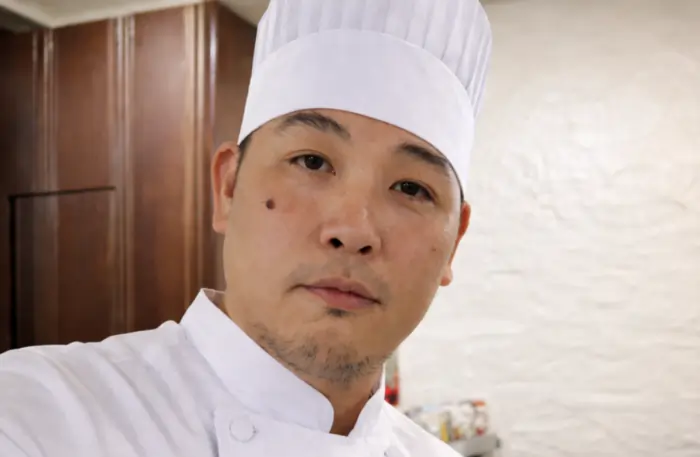
Chef Juan Gadi brings the heart of Filipino hospitality to Ubud, Bali. As an Executive Chef and consultant, he specializes in creating intimate, curated dining experiences that tell a story through every dish. Whether leading the kitchen at Kilig Filipino Warung or hosting a private villa dinner, Chef Juan’s approach is defined by warmth, modern technique, and a commitment to culinary excellence.