

Human Connection Shapes the Bali Experience Key Takeaways
How human connection shapes the Bali experience goes beyond scenic rice terraces and stunning sunsets.
- Human connection shapes the Bali experience through Balinese hospitality , creating a sense of belonging and emotional safety for visitors.
- Travelers who engage in cultural immersion and authentic travel often report higher satisfaction and deeper destination attachment.
- Friendship travel and shared experiences , like communal meals and storytelling, build memories that last a lifetime.

How Human Connection Shapes the Bali Experience for Today’s Traveler
When you land in Bali, something shifts. It is not just the humidity or the scent of frangipani in the air. It is the way a driver greets you with both hands pressed together, the way a warung owner remembers your name after one visit, the way a stranger invites you to a temple ceremony without expecting anything in return. This is the invisible architecture of human connection Bali offers so naturally.
Many travelers arrive expecting paradise in the form of infinity pools and Instagram backdrops. What they discover, however, is that the real treasure lies in the warmth of the people. The Bali travel experience becomes far more meaningful when it is anchored in genuine interactions rather than just sightseeing. This phenomenon is not accidental; it is deeply rooted in the island’s hospitality culture, where the concept of Tri Hita Karana—harmony with God, people, and nature—shapes daily life. For a related guide, see How Bali Experiences Become Cherished Memories.
The Role of Interpersonal Relationships in Travel Satisfaction
Research consistently shows that travel relationships significantly boost overall travel satisfaction. When you feel welcomed and understood, your brain releases oxytocin, the bonding hormone. This chemical reaction is why a simple conversation with a local can make your entire day feel brighter. In Bali, this is not a marketing gimmick; it is a way of life.
Consider the role of interpersonal relationships in travel satisfaction. A solo traveler who chats with a vendor at Ubud Market about their family history will remember that encounter far longer than the price of a sarong. Similarly, a digital nomad who joins a local cooking class ends up learning not just recipes but the stories behind each spice. These micro-moments of cultural immersion create emotional anchors that tie you to the place.
Why Relationships Matter More Than Landmarks
Have you ever returned from a trip and found that the photos of temples and waterfalls blur together, but the face of the person who helped you fix your scooter tire remains vivid? That is because emotional travel experiences are encoded differently in our memory. The brain prioritizes social connections over static visuals. This is why travel memories are often people-centered rather than place-centered.
Balinese Hospitality and Genuine Friendliness Toward Visitors
Balinese hospitality is not scripted. It is not a service standard taught in a hotel training manual. It comes from a genuine cultural belief that guests are temporary family. When you stay in a homestay, the owner might bring you a cup of tea without being asked. When you get lost in a village, a local will walk you to your destination even if it is out of their way. This level of hospitality culture is rare in the modern world.
The Balinese word manyama braya means to treat others like siblings. This philosophy extends to tourists. It explains why Balinese hospitality and genuine friendliness toward visitors is not performative but heartfelt. Visitors often report feeling like they have gained a second family after just a few days on the island. This emotional safety net encourages travelers to open up, explore deeper, and ultimately feel more attached to the destination.
A Culture of Welcome: From Temples to Markets
Whether you are attending a temple festival or bargaining at Sukawati Market, the spirit of welcome is palpable. Local vendors often engage in playful banter, and stall owners might teach you a few words of Bahasa Indonesia. These local interactions Bali offers are free, yet they are the most valuable souvenirs you can collect.
Emotional Bonds Formed Between Travelers and Locals
The emotional bonds formed between travelers and locals often happen organically. It might start with a shared smile, then a question about your hometown, then an invitation to join a family dinner. These bonds are not superficial. They are built on mutual curiosity and respect.
For many travelers, these relationships become the highlight of their trip. A young couple from Sweden might end up spending Christmas with a Balinese family in a remote village. A backpacker from the Philippines might find a mentor in a local surf instructor who becomes a lifelong friend. This is the power of friendship travel—it turns strangers into soulmates, even if only for a short time.
Community-Centered Culture Influencing Visitor Experiences
Bali’s Bali community structure is communal by design. In every village (desa), the banjar (community hall) serves as the social heart where decisions are made, festivals are planned, and problems are solved together. This community-centered culture influencing visitor experiences means that tourists are not just observers but often participants.
When you attend a temple festival, you are not a spectator; you are invited to join the procession, wear traditional attire, and share in the offerings. This participatory approach transforms the Bali travel experience from passive observation to active engagement. You are no longer a tourist; you are a temporary member of the community.
How Communal Values Shape Tourism
This community fabric also influences how tourism is managed. Many villages have their own tourism cooperatives that ensure benefits are shared fairly. This model promotes connection over transactions in Bali’s tourism culture. Instead of being just a customer, you are treated as a contributor to the village’s well-being.
Shared Conversations and Interactions Creating Meaningful Memories
Some of the most profound travel memories are born from simple conversations. Sitting at a beach warung in Jimbaran, sharing grilled fish and stories with a fisherman who speaks broken English—that is where magic happens. These shared conversations and interactions creating meaningful memories are the currency of authentic travel.
Travelers often find that the most memorable meals are not at five-star restaurants but at humble roadside stalls where the cook tells you about her childhood in Java. Such moments deepen your appreciation for Bali culture beyond the glossy surface. They make you feel seen, heard, and valued.
Cultural Immersion Through Human Relationships
Cultural immersion through human relationships is the most effective way to understand a destination. No guidebook can teach you what it feels like to be invited into a Balinese home, to learn how to make canang sari (offerings), or to hear the stories behind the temple carvings from a priest who has cared for them for decades.
When you forge travel relationships, you gain access to a hidden layer of the destination. You learn not just what people do but why they do it. This insider perspective enriches the destination experience and transforms a superficial visit into a meaningful journey.
Learning Through Exchange
The exchange goes both ways. Locals also learn from visitors—new recipes, perspectives on the world, even business ideas. This cultural exchange between locals and international visitors creates a dynamic, living relationship that benefits both parties. It is not colonization; it is collaboration.
Importance of Kindness and Warmth in Shaping Travel Impressions
First impressions matter, and in Bali, the first impression is almost always one of kindness. From the airport immigration officer who smiles warmly to the hotel staff who remember your name, the importance of kindness and warmth in shaping travel impressions cannot be overstated.
A study on destination satisfaction found that social travel experiences—specifically positive interactions with locals—are among the strongest predictors of return visits. Tourists who felt welcomed were more likely to recommend Bali to their friends and family, regardless of any logistical hiccups. This is the power of tourism connection.
Connection Over Transactions in Bali’s Tourism Culture
In many tourist destinations, the relationship between visitor and local is purely transactional: you pay, they serve, you leave. Bali is different. Here, the emphasis is on connection over transactions in Bali’s tourism culture. A driver might stop to show you a hidden waterfall even if you did not ask. A homestay owner might refuse payment for a freshly picked coconut because “you are a guest, not a customer.”
This approach disarms travelers. It makes them let down their guard and engage more authentically. And that is when real travel bonding occurs.
Why This Model Works
This model works because it aligns with the Balinese worldview. Life is about balance, relationships, and spiritual fulfillment, not just material gain. When visitors sense this, they respond in kind—with respect, gratitude, and often, with return visits.
Social Experiences Enhancing Destination Attachment
Social experiences enhancing destination attachment is a well-documented phenomenon. When you have positive social interactions in a place, you begin to see it as an extension of your own community. This emotional bond is why many expats and repeat visitors feel that Bali is “home” even if they were born thousands of miles away.
The more you engage with the Bali lifestyle—whether it is joining a village clean-up, participating in a full moon ceremony, or simply chatting with your local coffee shop owner—the stronger your attachment grows. This attachment is not just sentimental; it has real economic implications for tourism professionals and hospitality professionals who want to build loyal clientele.
How Meaningful Encounters Transform Travel Perspectives
Let me tell you about a moment that changed my own perspective. I was in a small village in eastern Bali, watching a barong dance performed by local children. One boy, maybe eight years old, kept glancing at me and smiling shyly. After the performance, he ran over and handed me a flower from the offering. He did not speak English. I did not speak Balinese. But we laughed together, and in that moment, I understood something profound: how meaningful encounters transform travel perspectives.
Such encounters strip away the superficiality of tourism. They remind you that travel is ultimately about connection—to people, to culture, to yourself. They make you a more empathetic, open-minded person. That is the true gift of meaningful travel.
Role of Shared Meals and Gatherings in Building Relationships
Food has a unique power to bring people together. In Bali, the role of shared meals and gatherings in building relationships is central to daily life. Whether it is a megibung (communal eating tradition) in Karangasem or a simple family dinner in a homestay, sharing a meal creates an instant bond.
When you sit down to eat with a Balinese family, you are not just consuming food. You are sharing stories, learning about traditions, and participating in an ancient ritual of hospitality. These shared experiences become treasured travel memories. They also make you feel like you belong, even for just one evening.
Emotional Well-Being Through Positive Social Interactions
Emotional well-being through positive social interactions is a key driver of travel satisfaction. Bali, with its warm and welcoming people, provides ample opportunities for such interactions. Whether it is a heartfelt goodbye from a hotel staff or a spontaneous invitation to a family celebration, these moments boost your mood and reduce stress.
Solo travelers, in particular, benefit from this social embrace. Many come to Bali seeking solitude only to find that the greatest peace comes from connection. The sense of belonging created through human interaction is a powerful antidote to the isolation of modern life.
Authenticity in Human Connection Compared to Material Experiences
There is a growing recognition among travelers that authenticity in human connection compared to material experiences offers greater long-term value. You can buy a beautiful batik cloth, but it will fade. A five-star hotel room will be just a room. But the memory of a Balinese grandmother teaching you to make offerings—that stays with you forever.
This shift from material to relational tourism is why authentic travel is on the rise. Travelers are increasingly seeking experiences that involve genuine human connection rather than passive consumption. Bali, with its deep-rooted hospitality culture, is perfectly positioned to meet this demand.
Friendships Formed During Travel and Their Lasting Impact
The friendships formed during travel and their lasting impact are perhaps the most beautiful outcomes of a Bali journey. I have met people who met their future spouses on a Bali beach, lifelong friends in a yoga class, and business partners at a local co-working space.
These relationships endure because they are formed in a context of openness and adventure. They are not constrained by daily routines or social roles. In Bali, friendships bloom quickly because the environment itself encourages vulnerability and connection. This is the essence of friendship travel—creating bonds that cross borders and last beyond the trip.
Cultural Exchange Between Locals and International Visitors
The cultural exchange between locals and international visitors in Bali is a two-way street. Locals learn about the world through their interactions with tourists, and tourists learn about Balinese traditions, values, and spirituality. This exchange is often informal but deeply meaningful.
A taxi driver might teach you about the Balinese calendar. A market vendor might explain the significance of the colors in an offering. These little lessons accumulate, giving you a richer understanding of Bali culture. And when you share your own culture in return, you contribute to a global conversation that transcends borders.
Sense of Belonging Created Through Human Interaction
There is a feeling that many travelers describe when they talk about Bali: a sense of home. This sense of belonging created through human interaction is rare in travel. It happens when you are consistently treated with warmth and respect, when your presence is genuinely appreciated rather than tolerated.
For the Bali community, a visitor is never just a tourist. They are a potential friend, a temporary neighbor, a fellow human being on a shared journey. This attitude makes all the difference. It is why so many people return to Bali year after year, not for the beaches, but for the people.
Storytelling and Shared Experiences Deepening Travel Meaning
Storytelling and shared experiences deepening travel meaning is a core theme in Bali’s tourism. Every Balinese has a story to tell—about their family, their village, their gods. When you listen, you honor that story. And when you share your own story, you create a bridge between worlds.
This narrative exchange is what makes travel so transformative. It is not just about collecting stamps in a passport; it is about weaving your story into the larger tapestry of humanity. Bali provides the perfect stage for this kind of deep, meaningful engagement.
Influence of Hospitality on Emotional Memory Formation
Scientists have long known that emotionally charged experiences are remembered more vividly. The influence of hospitality on emotional memory formation means that a warm welcome or a small act of kindness can become a defining memory of a trip.
In Bali, hospitality is not just a service—it is an emotional gift. The smile of a hotel staff, the wave of a farmer in a rice paddy, the hug of a homestay host as you leave—these moments are emotionally coded into your memory. Years later, you might forget the name of the resort, but you will remember how the staff made you feel like you mattered.
Connection-Driven Tourism Experiences in Bali
Connection-driven tourism experiences in Bali are not accidental. They are the result of a culture that prioritizes relationships over profit. This is why community-based tourism initiatives, homestays, and local tours are so popular. They offer visitors a chance to connect, not just consume.
Whether you are participating in a village homestay program or joining a local cooking class, you are engaging in social travel experiences that prioritize human connection. These experiences are the antidote to mass tourism. They are what make Bali stand out as a destination for meaningful travel.
Everyday Interactions Shaping Perception of Place
It is not just the big moments that shape our perception of a place. It is the small, everyday interactions shaping perception of place. The nod from the elderly man on his morning walk. The child who waves from a bicycle. The shopkeeper who asks how your day is going and genuinely waits for an answer.
These micro-interactions accumulate, creating a composite image of a place as friendly, safe, and welcoming. For solo travelers and wellness travelers, these everyday moments of kindness provide psychological comfort from social acceptance. They make you feel at ease in a foreign environment.
Psychological Comfort from Social Acceptance
Travel can be stressful. Language barriers, unfamiliar customs, and navigating new places can trigger anxiety. But in Bali, the psychological comfort from social acceptance mitigates much of this stress. The open, non-judgmental attitude of locals creates an environment where you can be yourself.
This emotional safety is a powerful attractor for solo travelers and digital nomads who may be far from their support systems. Knowing that you are accepted simply for being who you are is a profound gift. It allows you to explore with confidence and openness.
Deeper Appreciation of Bali Through Relationships
Bali is a beautiful island, but its true beauty is revealed through relationships. When you connect with a local, you begin to see the island through their eyes. The landscape becomes more than just a view—it becomes a story. The temple is no longer just a structure; it is a living expression of faith. This deeper appreciation of Bali through relationships is what separates a casual tourist from a lifelong traveler.
For Gen Z travelers and millennials who prioritize experiences over things, this relational approach to travel is particularly appealing. It aligns with their values of authenticity, sustainability, and community.
Travel Experiences Remembered Through People Rather Than Places
At the end of your journey, you will find that the most enduring travel experiences remembered through people rather than places. The sunset at Uluwatu might be stunning, but it is the person you shared it with that makes it unforgettable. The rice terraces of Tegallalang are photogenic, but the farmer who invited you for coffee is the real treasure.
This principle holds true for all of us. When we look back on our travels, we remember the laughter, the kindness, the heartfelt conversations. These are the moments that shape us, teach us, and stay with us forever. And in Bali, they are abundant.
Emotional Resonance Created by Human Connection
The emotional resonance created by human connection is the ultimate reward of travel. It is the feeling that stays in your chest long after you have returned home. It is the reason you look at a map of Bali and smile. It is the reason, perhaps, that you start planning your next trip before you have even unpacked your suitcase.
Bali teaches us that travel is not about escaping life—it is about engaging with it more fully. And that engagement happens through people. So, go ahead. Book that ticket. But when you get there, put down your phone, look someone in the eye, and start a conversation. That is how human connection shapes the Bali experience into something truly extraordinary.
Useful Resources
For more insights on the psychological benefits of social interactions in travel, you can explore this article from the Psychology Today. To understand the cultural roots of Balinese hospitality, visit Bali.com’s culture guide.
Frequently Asked Questions About Human Connection Shapes the Bali Experience
How does human connection shape the Bali experience?
Human connection transforms a simple vacation into a deeply meaningful journey. In Bali, the warmth of local interactions, generous hospitality, and shared cultural practices create an emotional bond that makes travelers feel welcomed, valued, and part of a larger community. This connection is often the most cherished part of the trip. For a related guide, see Why Shared Moments Feel More Meaningful in Bali.
Why are relationships important in travel experiences?
Relationships provide emotional safety, create lasting memories, and enhance overall satisfaction. When travelers form genuine bonds with locals or fellow travelers, they experience a sense of belonging and deeper cultural understanding, which makes the trip more fulfilling and memorable.
How does Balinese hospitality influence visitors?
Balinese hospitality is rooted in the philosophy of treating guests like family. This genuine warmth lowers travelers’ defenses, encourages openness, and creates a feeling of being cared for. It often leads to strong emotional attachments to the destination and a desire to return.
What role do local interactions play in Bali travel?
Local interactions are the gateway to authentic cultural experiences. Whether chatting with a market vendor, sharing a meal with a family, or joining a village ceremony, these moments provide insights into Balinese life that no guidebook can offer, enriching the entire travel experience.
Why do travelers remember people more than places?
The human brain prioritizes emotional and social connections over static images. Positive interactions release bonding hormones like oxytocin, making them more vivid and enduring in memory. Therefore, a kind gesture or heartfelt conversation often outshines even the most beautiful scenery.
How do friendships form during travel in Bali?
Friendships in Bali form naturally due to the open, welcoming culture and the shared experience of exploration. Casual encounters at homestays, cafes, or community events often evolve into genuine connections because both parties are receptive to new relationships outside their usual routines.
How does cultural exchange enhance travel experiences?
Cultural exchange deepens understanding by allowing travelers to learn local customs, beliefs, and lifestyles firsthand. It also empowers locals, creating a reciprocal relationship where both parties grow through shared stories, skills, and perspectives, making the travel experience richer for everyone involved.
What makes Bali feel emotionally connected?
Bali’s strong sense of community, the concept of manyama braya (treating others like siblings), and the genuine kindness of its people create an environment of emotional safety. Travelers often describe feeling “at home” because they are accepted without judgment and welcomed with open arms.
How do social experiences improve tourism satisfaction?
Social experiences trigger positive emotions, reduce stress, and create a sense of belonging. Studies show that tourists who engage in meaningful social interactions report higher satisfaction levels and are more likely to recommend the destination to others, boosting repeat tourism and positive word-of-mouth.
Why is human connection important in meaningful travel ?
Meaningful travel is defined by the depth of experiences, not the number of sights visited. Human connection adds that depth by fostering empathy, understanding, and personal growth. It transforms travel from a superficial activity into a transformative journey that changes how you see the world and yourself.
What is the best way to connect with locals in Bali?
The best ways include staying in homestays, joining local cooking or craft classes, attending temple festivals, visiting traditional villages, and simply being open to conversation. A smile and genuine curiosity go a long way in breaking the ice.
Can solo travelers benefit from human connection in Bali?
Absolutely. Solo travelers often find Bali especially welcoming due to the friendly locals and the many opportunities for group activities. The sense of community can alleviate loneliness and provide the emotional comfort that makes solo travel rewarding rather than isolating.
How does Balinese hospitality differ from other destinations?
Balinese hospitality is less transactional and more relational. It is driven by cultural values like Tri Hita Karana (harmony) and manyama braya (fraternity), which prioritize genuine care over profit. This makes interactions feel personal and heartfelt rather than scripted or obligatory.
What are common examples of connection-driven tourism in Bali?
Examples include community-based homestays, village trekking led by local guides, cooking classes in family homes, participation in temple ceremonies, and volunteering with local organizations. All these activities emphasize interaction over mere observation.
How does sharing a meal build relationships in Bali?
Shared meals are a cornerstone of Balinese social life. Eating together creates a sense of equality and intimacy, allowing conversations to flow naturally. It is a time when stories are exchanged, laughter is shared, and bonds are formed over the simple act of nourishing one another.
What is the role of storytelling in deepening travel meaning?
Storytelling connects travelers to the cultural and spiritual fabric of Bali. When locals share myths, personal histories, or daily anecdotes, travelers gain a richer context for what they see. Sharing their own stories in return creates a mutual exchange that deepens the meaning of the encounter.
How does Bali’s community culture affect visitor experiences?
Bali’s communal structure invites visitors to participate in village life, from festivals to daily rituals. This inclusion makes travelers feel like temporary community members rather than outsiders, fostering a sense of belonging and emotional attachment to the place.
What makes authentic travel in Bali different from mass tourism?
Authentic travel prioritizes genuine interactions over sightseeing. It involves staying in local accommodations, eating at family-run warungs, and engaging in cultural activities. Mass tourism often lacks this personal touch, leaving travelers with superficial memories rather than heartfelt connections.
Can friendships formed in Bali last after returning home?
Yes, many travelers maintain lifelong friendships with locals and fellow travelers they met in Bali. Thanks to social media and messaging apps, these bonds can be sustained across distances. Such friendships often become a reason to revisit or stay connected with the Balinese community.
How can tourism professionals promote connection-driven experiences?
Tourism professionals can promote these experiences by offering community-based tours, training local guides to share personal stories, facilitating homestays, and creating spaces for cultural exchange. Emphasizing warmth and authenticity over luxury amenities attracts travelers seeking meaningful travel.
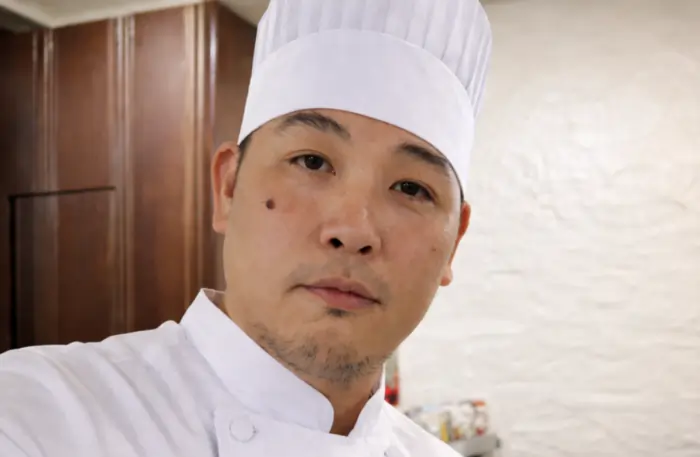
Chef Juan Gadi brings the heart of Filipino hospitality to Ubud, Bali. As an Executive Chef and consultant, he specializes in creating intimate, curated dining experiences that tell a story through every dish. Whether leading the kitchen at Kilig Filipino Warung or hosting a private villa dinner, Chef Juan’s approach is defined by warmth, modern technique, and a commitment to culinary excellence.