Ubud Became a Global Hub for Creative Travelers Key Takeaways
Ubud became a global hub for creative travelers by preserving its deep Balinese cultural roots while embracing a modern ecosystem of coworking spaces, yoga retreats , art galleries, and culinary storytelling.
- Ubud Became a Global Hub for Creative Travelers through a symbiotic relationship between local artisans , international artists, and a growing digital nomad community.
- The town offers unmatched cultural immersion through temple ceremonies, creative workshops , and sustainable travel initiatives that respect Balinese traditions.
- Practical infrastructure—from coworking hubs to wellness retreats —makes Ubud an ideal base for remote workers, creators, and anyone seeking travel inspiration that fuels personal growth.
Why Ubud Became a Global Hub for Creative Travelers: A Chef’s Perspective
When I first arrived in Ubud, I carried with me the flavors of Filipino hospitality—adobo, sinigang, the warmth of a shared kamayan feast. As a chef who had cooked in Manila’s top kitchens, I came to Bali looking for something different: a place where food could become a bridge between cultures. What I found was a town that had already built that bridge, not just for chefs, but for painters, writers, coders, and yogis. The Ubud creative travel scene isn’t a recent invention. It’s the result of decades of slow, intentional growth. You can also browse more posts in explore-bali.
Why travelers choose Ubud over other tropical destinations comes down to a single word: depth. You can surf in Canggu, party in Seminyak, or dive in Amed. But in Ubud, you sink into a rhythm that feels both ancient and refreshingly modern. The digital nomad lifestyle Ubud offers is not about escaping reality; it’s about finding a richer one. Here, a morning can begin with a blessing at a family temple and end with a collaborative dinner where a French graphic designer shares a table with a Balinese woodcarver. For a related guide, see Why Bali Continues to Attract Long Stay Travelers.
The Intersection of Tradition and Innovation
Bali arts and culture have always been the lifeblood of Ubud. The town has been a magnet for painters and dancers since the 1930s, when European artists like Walter Spies and Rudolf Bonnet settled here and established what became known as the Ubud painters’ school. That legacy remains visible today in every corner. Walk through the art galleries in Ubud, and you’ll see works that range from meticulous interpretations of the Ramayana to bold abstract expressions that could hang in any contemporary gallery in Berlin or Tokyo.
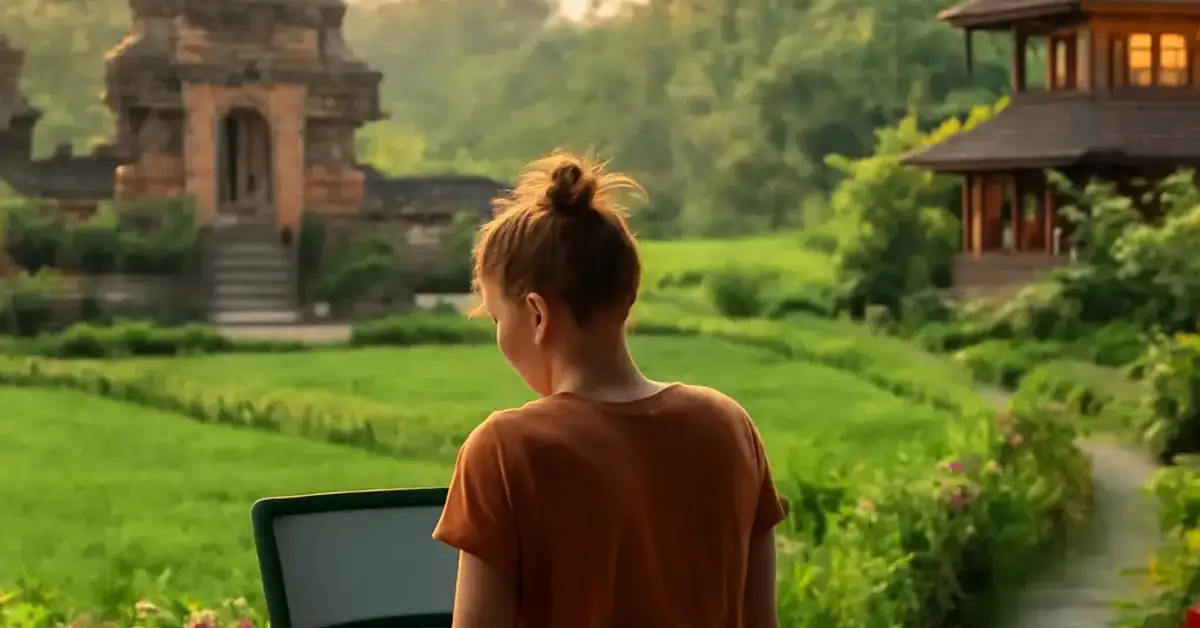
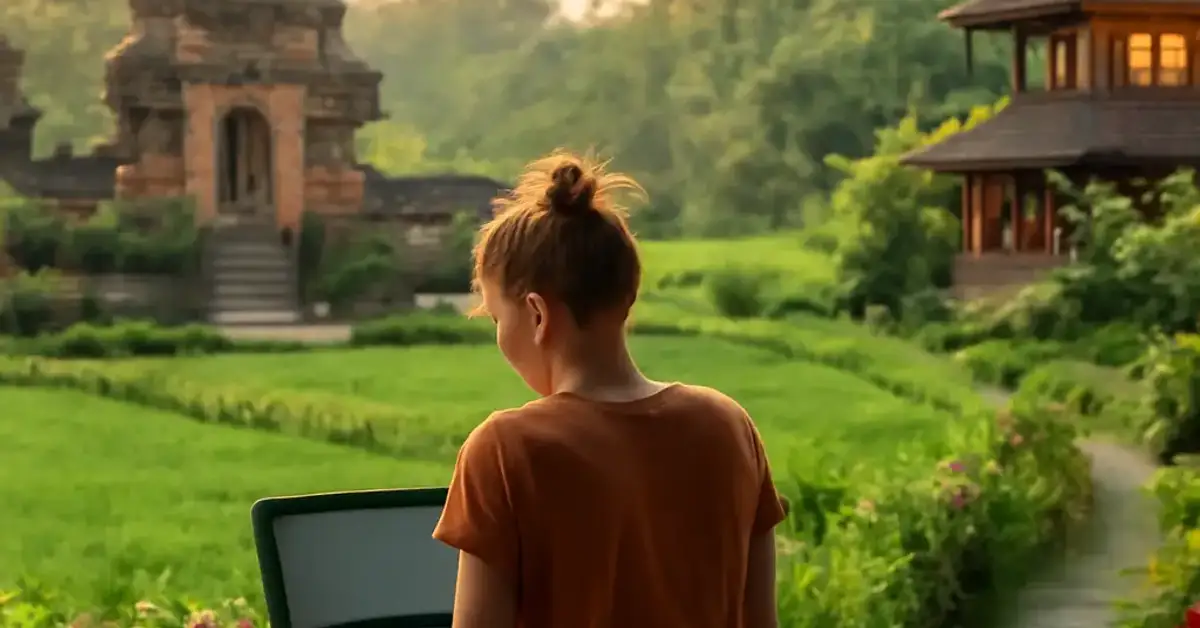
But what makes the creative community in Ubud truly special is how it has evolved with the times. The same streets that house traditional crafts—silversmiths in Celuk, batik makers in Tohpati, woodcarvers in Mas—now also host coworking hubs where a startup founder from Stockholm can edit code while overlooking scenic rice terraces. This juxtaposition isn’t jarring; it’s harmonious. The Ubal tourism growth we see today is a direct result of this balance between preservation and progress.
Understanding the Ubud Creative Travel Scene: What Attracts Artists and Creators
Creative tourism in Ubud isn’t a passive experience. You don’t just look at art; you make it. Creative retreats in Ubud offer everything from batik-making workshops and gamelan lessons to intensive writing courses and photography walks through the rice paddies. During my first week, I joined a creative workshops session on Balinese spice blending led by a local artisan named Nyoman. He didn’t just show me ingredients; he told me the story of each one—how turmeric connects to temple offerings, how kencur (aromatic ginger) is used in traditional jamu medicine. That kind of cultural immersion changes how you see the world.
What attracts artists and creators to Ubud is the feeling that creativity isn’t a separate activity. It’s woven into daily life. The artist communities here are not gated enclaves; they spill out into open-air markets, temple courtyards, and warungs where conversations are as important as the food. As an executive chef, I find that the best ideas come when I’m least expecting them—while watching a dancer rehearse at the Ubud Palace or walking through the scenic rice terraces of Tegallalang. Artistic inspiration in Bali is everywhere, but it requires you to slow down enough to receive it.
The Role of Balinese Culture in Ubud Tourism
Balinese culture is not a show put on for tourists. It is a living, breathing system of beliefs, rituals, and community obligations that dictates everything from the orientation of a temple gate to the schedule of cultural festivals. The authentic travel experiences that draw people to Ubud are rooted in this genuine culture. Visitors quickly learn that the small offerings (canang sari) placed on the ground every morning are not decorations; they are a profound act of gratitude. When you understand this, your Ubud travel experience shifts from sightseeing to soul-seeing.
How did Ubud become popular among creative travelers in the first place? Part of the answer lies in Elizabeth Gilbert’s “Eat, Pray, Love,” which put Ubud on the global map for spiritual retreats. But the town was ready for that spotlight because it had already cultivated an infrastructure of yoga retreats, meditation centers, and wellness tourism options that prioritize holistic health. The connection between wellness and creativity Ubud is not accidental. A clear mind and a balanced body are the foundations upon which creative work flourishes.
Practical Steps for Experiencing the Creative Community in Ubud
If you’re planning your own journey, here is a step-by-step guide to immersing yourself in the creative community in Ubud.
Step 1: Choose Your Base for the Digital Nomad Lifestyle Ubud
Ubud coworking spaces range from the high-tech (Outpost Ubud, with its fiber internet and private phone booths) to the serene (Hubud, built around a bamboo framework overlooking the jungle). If you need a quiet workspace, look for spaces in Penestanan or Nyuh Kuning, which are slightly removed from the central buzz. For those who want a remote work destination Bali experience that combines productivity with poolside relaxation, many coworking hubs now offer combined membership packages with nearby villas.
Step 2: Engage with Local Artisans and Traditional Crafts
The best way to understand Ubud global travel hub dynamics is to go straight to the source. Join a creative workshops at Threads of Life (for traditional textile weaving) or a silver-making class in the Celuk village. Local artisans are incredibly generous with their knowledge, often inviting you into their family compounds. I once spent an afternoon with a mask carver named Made, who explained how each expression in his masks corresponds to a specific character in the Barong dance. That cultural immersion is something no guidebook can replicate.
Step 3: Participate in Wellness and Creativity Ubud
Yoga retreats in Ubud are famous for a reason, but don’t overlook other forms of wellness tourism. Try a sound-healing session at the Yoga Barn, a traditional Balinese massage at an authentic spa in Bedulu, or a silent meditation walk at the Tjampuhan Ridge. Wellness and creativity Ubud are deeply connected; after a week of morning yoga and afternoons spent in art galleries in Ubud, I found my cooking becoming more intuitive, less forced.
Troubleshooting Common Challenges for First-Time Visitors
Is Ubud suitable for first time visitors to Bali? Absolutely, but with a few caveats. The town is more conservative than the beach areas. Dress modestly when visiting temples (cover shoulders and knees). The traffic on the main road can be heavy, so rent a scooter only if you’re an experienced rider; otherwise, hire a driver for the day. Why do travelers return to Ubud multiple times is often because they learn these nuances on their first trip and come back ready to go deeper.
What makes Ubud different from other places in Bali is its altitude. The cooler climate means you can walk comfortably all day. The town is also a hub for sustainable travel initiatives; many restaurants source locally, and homestays often recycle water for their gardens. If you’re looking for travel inspiration that goes beyond Instagram backdrops, Ubud delivers substance over style.
Optimization Tips for Making the Most of Your Ubud Travel Experience
To truly experience the Ubud creative travel scene, optimize your time by staying at least one week. Plan two days for cultural immersion (temple visits, traditional dance performances, market tours), two days for creative workshops and gallery visits, and two days for wellness tourism (yoga, spa treatments, meditation). Leave one day completely unscheduled for serendipity. Some of my best meals—and friendships—in Ubud came from spontaneous encounters at a warung or a community cultural festival.
How has tourism influenced Ubud’s creative scene has been mostly positive, but it’s important to be a conscious traveler. Support local artisans by buying directly from their studios rather than mass-market souvenir shops. Choose homestays that employ local staff. Eat at warungs that use traditional recipes. This kind of sustainable travel ensures that the creative community in Ubud continues to thrive for generations to come.
Useful Resources
For more on Ubud’s artistic heritage and current creative opportunities, visit the Blanco Renaissance Museum, which houses works by the flamboyant artist Antonio Blanco and serves as a cultural venue. For an excellent directory of Ubud coworking spaces and remote work tips, check the Outpost Ubud website, which also hosts regular community events for digital nomads.
Ubud Became a Global Hub for Creative Travelers not by accident, but through the deliberate preservation of its cultural soul and the open-armed welcome it extends to those who arrive with curiosity and respect. Whether you are a digital nomad looking for your next base, an artist searching for quiet inspiration, or a food lover like me, Ubud offers a canvas for your own creative story. The question is not whether you should go. The question is: what will you create when you get there?
Frequently Asked Questions About Ubud Became a Global Hub for Creative Travelers
Why is Ubud considered a creative travel destination?
Ubud is considered a creative travel destination because of its unique blend of deep Balinese culture and a modern ecosystem of art galleries in Ubud, creative workshops, and coworking hubs. The town attracts artists, writers, and digital nomads who seek both inspiration and community in a setting rich with traditional crafts and cultural festivals.
How did Ubud become popular among creative travelers?
Ubud became popular among creative travelers through a combination of factors: the early influence of European artists in the 1930s, the global success of books like “Eat, Pray, Love,” and the organic growth of yoga retreats and wellness tourism. More recently, the rise of the digital nomad lifestyle Ubud has cemented its reputation as a remote work destination Bali.
What attracts artists and creators to Ubud?
Artists and creators are attracted to Ubud by the availability of creative retreats in Ubud, the presence of established artist communities, and the daily inspiration drawn from Balinese culture, temple ceremonies, and scenic rice terraces. The low cost of living and high-speed internet also make it a practical base for creatives.
Why do digital nomads choose Ubud over other destinations?
Digital nomads choose Ubud over other destinations because of its robust coworking hubs, reliable internet, affordable accommodation, and a lifestyle that blends productivity with wellness and creativity Ubud. The community is welcoming, and the cooler climate is a relief from the tropical heat of coastal areas.
What role does Balinese culture play in Ubud tourism?
Balinese culture is the cornerstone of Ubud tourism. It informs the architecture, the daily rituals, the food, and the cultural festivals that draw visitors. Tourists are invited to participate in temple ceremonies, learn traditional crafts, and experience cultural immersion in a way that is authentic and respectful.
Are there coworking spaces in Ubud for remote workers?
Yes, there are numerous coworking spaces in Ubud for remote workers, including Hubud, Outpost Ubud, and Tropical Nomad. These spaces offer high-speed internet, meeting rooms, and a community of like-minded professionals. Many also host networking events and creative workshops.
What creative activities can travelers enjoy in Ubud?
Travelers can enjoy a wide range of creative activities in Ubud, including batik-making, silver-smithing, mask carving, cooking classes, painting workshops, and photography tours. Many art galleries in Ubud also offer studio visits where you can watch local artisans at work.
How does Ubud support artistic communities?
Ubud supports artistic communities through dedicated cultural centers like the Ubud Palace and the Blanco Museum, regular cultural festivals, and a strong network of artist communities. Local government and NGOs also fund programs that preserve traditional crafts and promote sustainable travel.
Is Ubud suitable for first time visitors to Bali?
Yes, Ubud is highly suitable for first-time visitors to Bali. Its compact size makes it easy to explore, and the variety of Ubud travel experience options—from temples to cooking classes to yoga retreats—provides a well-rounded introduction to the island’s Bali lifestyle.
What makes Ubud different from other places in Bali?
Ubud is different from other places in Bali because of its focus on creative tourism and wellness tourism, its cooler mountain climate, and its role as the island’s cultural heart. Unlike the beach clubs of Seminyak or the surf breaks of Canggu, Ubud offers a quieter, more introspective travel inspiration.
How has tourism influenced Ubud’s creative scene?
Tourism has influenced Ubud’s creative scene by providing a market for local artisans, funding for cultural festivals, and a global audience for Balinese culture. While there is a risk of commodification, many artists have adapted by creating contemporary works that dialogue with tradition.
What are the best cultural experiences in Ubud?
The best cultural experiences in Ubud include attending a Kecak fire dance at Ubud Palace, visiting the Sacred Monkey Forest Sanctuary, exploring the art galleries in Ubud on a self-guided walking tour, and participating in a temple blessing at Tirta Empul. Cultural immersion is best achieved by staying in a family-run homestay.
Why do travelers return to Ubud multiple times?
Travelers return to Ubud multiple times because the town offers deep authentic travel experiences that reveal themselves slowly. Each visit allows for deeper connections with local artisans, new creative workshops, and a sense of community that keeps drawing people back to the Ubud creative travel scene.
How does wellness tourism contribute to Ubud’s popularity?
Wellness tourism is a major contributor to Ubud’s popularity. The town is a global center for yoga retreats, meditation, and holistic healing. Visitors come for spiritual retreats and stay for the digital nomad lifestyle Ubud, finding that the focus on wellness and creativity Ubud enhances both their health and their work.
What can visitors learn from the local creative community in Ubud ?
Visitors can learn a great deal from the local creative community in Ubud, including traditional techniques in traditional crafts, the philosophy behind Balinese culture, and the importance of living a balanced life. Many local artisans are happy to share their knowledge and stories, offering a window into a worldview that values creativity and community above all else.
How Ubud Became a Global Hub for Creative Travelers through food?
Food has played a crucial role in how Ubud Became a Global Hub for Creative Travelers. The town’s culinary scene blends Balinese traditions with international influences. Chefs like Juan Gadi bring Filipino hospitality to the table, using local ingredients to tell stories that resonate with global travelers. Cooking classes and food tours are among the most popular creative workshops.
What is the best time of year for creative travel to Ubud?
The best time for creative travel to Ubud is during the dry season, from April to October, when the Ubud Writers and Readers Festival and the Bali Arts Festival take place. These cultural festivals attract international creatives and offer a concentrated dose of artistic inspiration in Bali.
Are there scholarships or residencies for artists in Ubud?
Yes, there are several artist residencies in Ubud and the surrounding area, such as the Cemangi Hill Retreat and the Bali Purnati Center for the Arts. These residencies provide studio space, accommodation, and stipends for selected artists, further strengthening the artist communities and the Ubud global travel hub reputation.
How can I ensure my visit supports sustainable travel in Ubud?
You can support sustainable travel in Ubud by choosing eco-friendly accommodation, avoiding single-use plastics, supporting local artisans and family-run warungs, and respecting temple etiquette. Many coworking hubs and yoga retreats also have green certifications, so look for those when booking.
What is the future of the creative scene in Ubud?
The future of the creative scene in Ubud looks bright, with continued growth in remote work destination Bali infrastructure, new creative retreats in Ubud, and a younger generation of local artisans who are blending tradition with digital tools. The challenge will be maintaining the cultural immersion and authenticity that made Ubud a global travel hub in the first place, but the community is deeply committed to that balance.
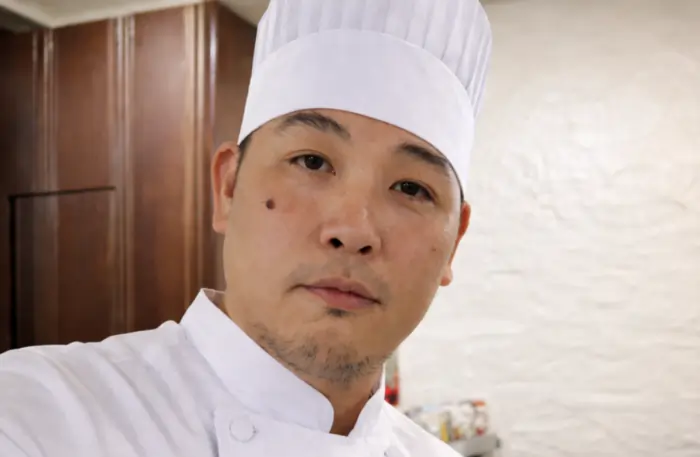
Chef Juan Gadi brings the heart of Filipino hospitality to Ubud, Bali. As an Executive Chef and consultant, he specializes in creating intimate, curated dining experiences that tell a story through every dish. Whether leading the kitchen at Kilig Filipino Warung or hosting a private villa dinner, Chef Juan’s approach is defined by warmth, modern technique, and a commitment to culinary excellence.