
Growing Appeal of Slow Travel in Bali Key Takeaways
Bali is experiencing a shift from rushed itineraries to deeper, more intentional journeys.
- The growing appeal of slow travel in Bali is fueled by a rising interest in cultural immersion and eco-friendly practices.
- Travelers now prioritize authentic experiences over crowded attractions, embracing long-term stays and community connections.
- From villa dinners with Chef Juan Gadi to hidden village treks, slow travel offers richer rewards.
What Is Slow Travel and Why Is It Becoming Popular in Bali?
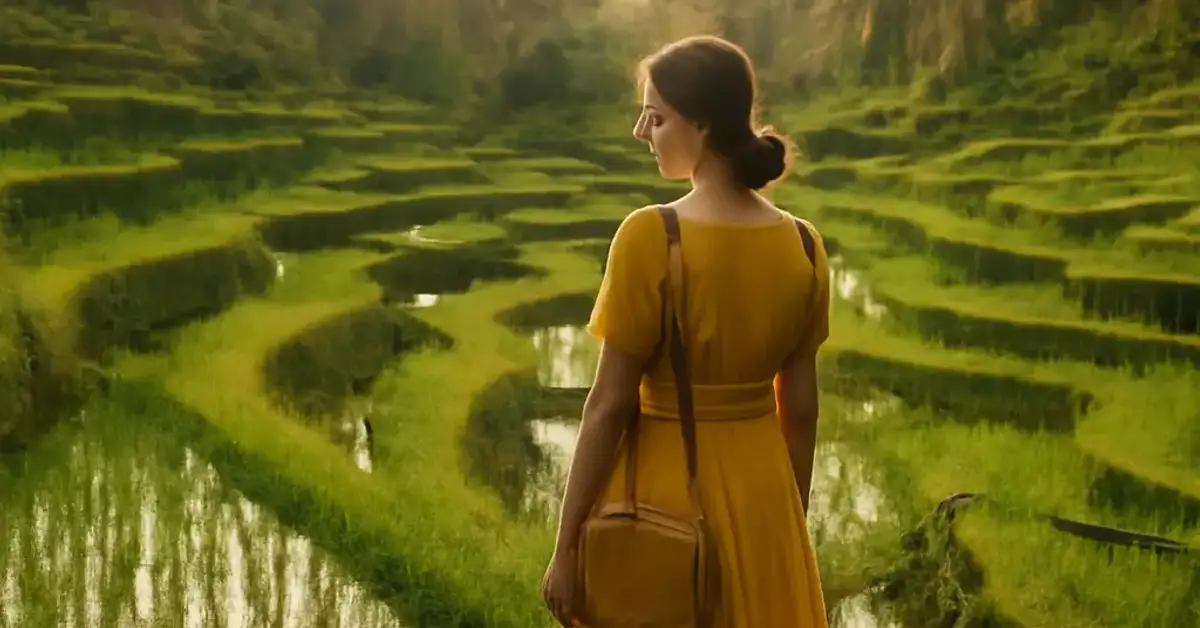
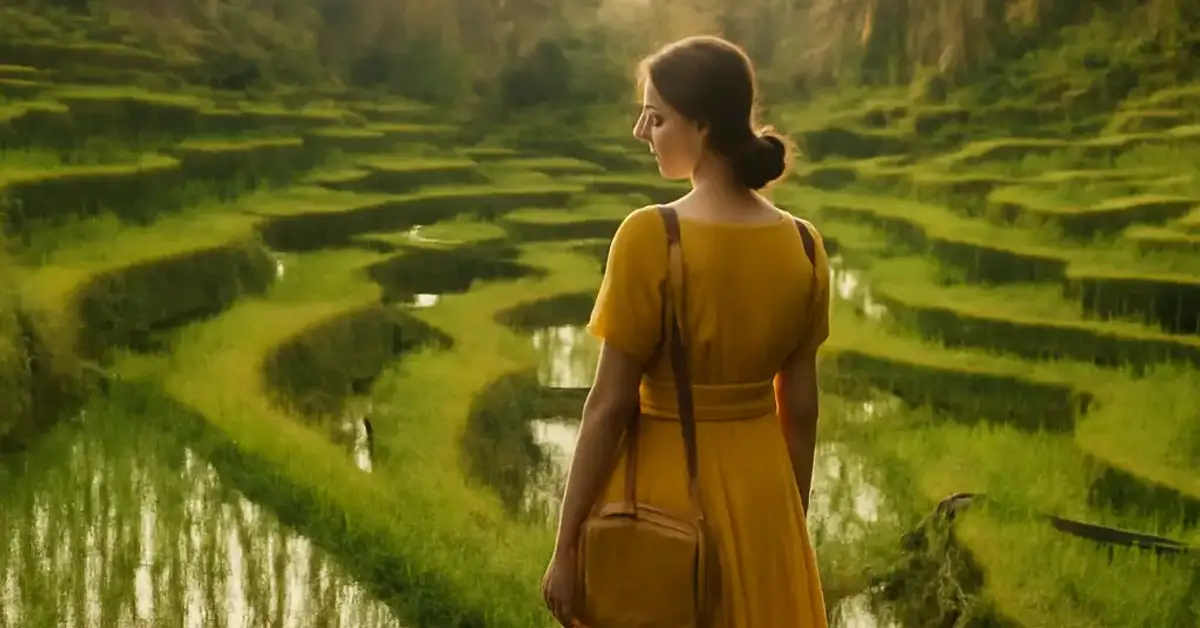
Slow travel is a mindset that values depth over distance. Instead of racing between landmarks, you settle into a destination, savoring daily rhythms, local flavors, and genuine encounters. In Bali, the concept has taken root because the island naturally rewards patience. The rice terraces of Jatiluwih demand time to appreciate. A morning in a Bali culture village unfolds slowly with offerings, gossip, and laughter. The slow tourism movement is not a trend; it is a return to how travel used to feel before social media turned every vista into a checklist.
Chef Juan Gadi, who left a fast-paced kitchen life to open Kilig Filipino Warung in Ubud, understands this intimately. “In Bali, I learned to let the day breathe,” he says. “Cooking a meal for guests here is an act of hospitality that can take hours. That is the spirit of slow travel.”
Why the surge? Post-pandemic travelers seek meaningful travel experiences. Bali offers a safe, affordable, and culturally rich environment where you can trade FOMO for JOMO—the joy of missing out on the tourist circus.
Why Are More Travelers Choosing Slow Travel in Bali?
The reasons are personal and practical. Long term travel in Bali allows digital nomads, retirees, and solo adventurers to lower their cost of living while raising their quality of life. A month-long rental in Canggu or Ubud can cost less than a week in a resort. More importantly, sustainable tourism Bali advocates point out that staying longer spreads your economic footprint, benefiting local artisans, farmers, and community based tourism projects. For a related guide, see Why Bali Continues to Attract Long Stay Travelers.
Additionally, Bali travel trends show a sharp pivot toward wellness and authenticity. Tourists are tired of “Instagrammability” and crave authentic Bali experiences. They want to learn to weave a canang sari offering, cook with a Balinese grandmother, or join a village temple ceremony—not just snap a photo in front of a temple they cannot name.
The Rise of Mindful Travel in Bali
Mindful travel Bali is about being present. Without a packed agenda, you notice the scent of frangipani, the sound of gamelan, the feel of cool stone underfoot. This approach aligns perfectly with Bali’s wellness retreats, yoga shalas, and meditation centers, where slowing down is the entire point.
For solo travelers and remote work lifestyle enthusiasts, the island has become a hub for co-living and co-working spaces that emphasize balance. The relaxed travel lifestyle here is contagious. You might start with a week and end up staying three months.
How Does Slow Travel Improve the Bali Experience?
Slow travel transforms ordinary moments into memories. Instead of rushing through Ubud Market, you linger over a single batik, talking to the artisan about the dyeing process. Instead of hopping from waterfall to waterfall, you spend an afternoon at one, swimming and sharing fruit with local children. This is exploring Bali at a slower pace, and it reveals hidden gems in Bali that guidebooks overlook—like a tiny warung in Sidemen where the owner’s grandmother makes the best sate lilit on the island.
For Chef Juan, the deeper experience is also culinary. “When you slow down, you taste. You ask where the turmeric was grown, who harvested it. That is the difference between eating and dining,” he explains. His private villa dinners in Ubud are built around stories, not just dishes. Each plate carries a narrative of Filipino-Balinese fusion, local sourcing, and personal history.
What Are the Benefits of Slow Travel in Bali?
The benefits span personal well-being, environmental impact, and cultural enrichment. Here is a breakdown:
| Benefit | Description |
|---|---|
| Deeper cultural understanding | Time allows you to learn Balinese traditions directly from locals, not from a tour guide script. |
| Reduced environmental footprint | Eco friendly travel Bali means fewer flights, less waste, and support for sustainable travel initiatives. |
| Better mental health | Without the rush, you find calm. Yoga, meditation, and simple walks become transformative. |
| Stronger local economy | Your money goes to local experiences and small businesses, not international chains. |
| Authentic friendships | Local connections form naturally when you are not in a hurry. |
Moreover, responsible tourism reduces overtourism in places like Ubud and Canggu, spreading visitors to lesser-known regions.
How Can Travelers Experience Bali Like a Local?
To experience Bali like a local, stop being a tourist. Rent a scooter or bicycle and get lost. Learn a few phrases in Bahasa Indonesia or Balinese. Eat at warungs where the menu is not in English. Attend a temple festival—ask your homestay host for the nearest one. Volunteer with a community based tourism project, such as teaching English or helping with organic farming. For a related guide, see Where Travelers Can Discover Authentic Filipino Cuisine in Bali.
Another powerful entry point is food. Chef Juan suggests cooking classes that focus on local experiences rather than flashy demonstrations. “Go to the morning market with a local. Let them choose the ingredients. Cook together in their home. That is how you taste Bali.”
Island lifestyle is not a fantasy here. It is waking up to the sound of roosters, buying fresh produce from a roadside seller, and joining your neighbors for a post-dinner chat. The slower you move, the more you belong.
What Destinations in Bali Are Ideal for Slow Travel?
Skip the traffic jams of Kuta and Seminyak. Head to these hidden gems in Bali for a true slow travel experience:
- Amed: A quiet fishing village perfect for snorkeling, black sand beaches, and sunset views without crowds.
- Sidemen: Tucked in the mountains, this valley offers rice terraces, weaving workshops, and serene homestays.
- Munduk: Cool climate, waterfalls, and coffee plantations await. Ideal for hikers and spiritual seekers.
- Pemuteran: A coastal village with coral restoration projects and a laid-back vibe. Great for eco tourism lovers.
- Tabanan: The rice basket of Bali, filled with traditional water temples and organic farms.
- Ubud (during low season): Even Ubud slows down if you stay in the outskirts, away from the main streets.
Each of these destinations supports long stay travel with affordable guesthouses, home-cooked meals, and plenty of nature.
Is Slow Travel More Affordable Than Traditional Tourism?
Generally, yes. Slow travel reduces transportation costs and daily expenses. A monthly rental can be as low as $200–$400 USD depending on location. Eating local experiences in warungs costs a fraction of tourist restaurant prices. Activities like walking, swimming, or attending free temple ceremonies cost nothing. Even wellness retreats can be affordable if you choose local-run options over luxury resorts.
For digital nomad destination seekers, the cost of co-living spaces often includes utilities, coworking, and social events, making budgeting simple. However, slow travel requires time—which is its real currency. You trade speed for depth, not necessarily savings, but the value per dollar is far higher.
How Does Slow Travel Support Local Communities in Bali?
Slow travelers vote with their wallets. Instead of staying at international hotel chains, they choose family-run homestays. They buy crafts directly from local experiences artists instead of mass-produced souvenirs. They eat at warungs and shop at traditional markets. This keeps money circulating within the community.
Community based tourism projects benefit directly. Villages like Penglipuran and Tenganan have developed programs where visitors stay, eat, and learn with local families. These initiatives preserve Balinese traditions and provide sustainable income. Responsible tourism also reduces the pressure on natural resources, as slow travelers use less water, produce less waste, and respect local customs.
Chef Juan sources nearly all ingredients for Kilig Filipino Warung from local farms. “Every vegetable, every spice, every coconut comes from a farmer I know. That is sustainable travel in action,” he says.
What Activities Are Best for Slow Travelers in Bali?
Here are 15 activities that embody the Bali slow travel experience:
- Morning yoga at a rice field studio.
- Cooking class with a Balinese family.
- Volunteering at a sea turtle conservation program.
- Bicycle tour through Jatiluwih terraces.
- Attend a full moon temple ceremony.
- Learn to make canang sari offerings.
- Join a local farmer for a day in the fields.
- Silent meditation retreat in Ubud.
- Explore waterfalls without a guide—just follow the locals.
- Take a batik or silver-making workshop.
- Read a book in a coffee shop for an entire afternoon.
- Walk through a village at dawn.
- Join a community beach cleanup.
- Take a traditional cooking class with Chef Juan Gadi at Kilig.
- Spend a week volunteering in a school or orphanage.
These activities are not about ticking boxes; they are about immersion. Cultural exploration becomes second nature when you live slowly.
Why Do Digital Nomads Prefer a Slower Pace in Bali?
Because productivity thrives on calm. The remote work lifestyle in Bali offers a unique blend of coworking spaces, fast internet, and natural beauty. Digital nomads choose long term travel in Bali to escape urban burnout. They often start with a month and extend indefinitely. The slower pace allows them to work deeply during the day and unwind with sunset yoga or a beach walk. The digital nomad destination status of Bali is reinforced by communities that value balance over busyness.
Moreover, slow travel aligns with the nomadic ethos of location independence. Why rush through paradise when you can live in it?
How Does Slow Travel Promote Sustainable Tourism?
Sustainable tourism Bali initiatives thrive when visitors stay longer and consume less. Slow travel reduces carbon emissions by requiring fewer flights. It encourages eco friendly travel Bali practices like refilling water bottles, avoiding single-use plastics, and eating local plant-based foods. The responsible tourism model also supports conservation efforts, such as coral reef restoration and waste management programs.
When travelers exploring Bali at a slower pace, they are more likely to notice environmental issues and contribute to solutions. They support businesses that give back to the community and the planet.
What Cultural Experiences Can Slow Travelers Enjoy in Bali?
The island is a living museum of Balinese traditions. Slow travelers can participate in:
- Melasti purification ceremonies on the beach.
- Village temple festivals (odalan) with music and dance.
- Traditional healing sessions with a balian (healer).
- Subak irrigation system tours, a UNESCO heritage practice.
- Learning to play gamelan or dance Legong.
- Attending a shadow puppet performance (wayang kulit).
These are not tourist shows. They are daily life for Balinese people. Respectful participation deepens cultural immersion in Bali and creates bonds that last long after you leave.
How Long Should Travelers Stay to Experience Bali Slowly?
The magic number is at least two weeks, but a month is ideal. In two weeks, you can settle into one or two regions, learn basic phrases, and form meaningful local connections. A month allows you to slow down without guilt, take a spontaneous trip to a hidden gems in Bali, and truly integrate. Retirees and remote workers often stay three months or longer, using long term travel in Bali to establish a routine that includes work, rest, and exploration.
Chef Juan advises: “Give yourself a full cycle of the moon. Watch the rice grow. See a ceremony repeat. That is when Bali stops being a vacation and starts being a home.”
What Makes Bali Perfect for Mindful Travel?
Bali’s spiritual energy, natural beauty, and communal culture create a natural environment for mindfulness. The island is dotted with temples, meditation centers, and yoga studios. Bali wellness travel is not an industry here; it is woven into daily life. The Balinese concept of Tri Hita Karana—harmony with God, nature, and others—mirrors the principles of mindful travel. When you slow down, you start to feel this harmony. You notice the interplay of mountain and sea, the rhythm of the rice cycle, the kindness of strangers.
Mindful travel Bali is less about doing and more about being. And Bali is a perfect stage for that shift.
How Can Visitors Plan a Successful Slow Travel Journey in Bali?
Planning is essential, but keep it flexible. Here is a framework:
- Choose a home base: Pick one or two regions (e.g., Ubud for culture, Amed for coast). Commit to staying at least one week in each.
- Book accommodation with character: Homestays, guesthouses, or eco-lodges. Avoid big resorts.
- Ditch the itinerary: Allow empty mornings. Follow recommendations from locals.
- Transport slowly: Walk, cycle, or rent a scooter. Avoid taxis and tours that commit you to a schedule.
- Learn and respect: Study basic customs. Dress modestly at temples. Never touch a person’s head.
- Eat local: Seek warungs. Ask for dishes you cannot pronounce. Share meals with strangers.
- Give back: Volunteer time or money to community based tourism projects. Support sustainable tourism Bali efforts.
- Document mindfully: Take photos, but put the camera down often. Write in a journal. Let memories live in your heart, not just in your cloud.
Finally, book a private dining experience with Chef Juan Gadi at Kilig Filipino Warung or his private villa. His tasting menu tells a story of two islands—Philippines and Bali—through ingredients and techniques that honor both cultures. It is the epitome of slow, meaningful travel. For a related guide, see 10 Filipino Food Experiences Travelers Love in Bali.
Useful Resources
For further reading on sustainable travel practices and cultural immersion in Bali, explore these resources:
- Lonely Planet Bali Travel Guide – Comprehensive destination insights for mindful exploration.
- Responsible Travel Bali Guide – Tips for eco-friendly, community-focused journeys.
Frequently Asked Questions About Growing Appeal of Slow Travel in Bali
What is slow travel in Bali ?
Slow travel in Bali means moving at a relaxed pace, staying longer in one place, and engaging deeply with local culture, nature, and people rather than rushing through tourist attractions.
Why is slow travel becoming more popular in Bali?
Travelers are seeking authentic, meaningful experiences and sustainable options. Bali’s rich culture, affordability, and natural beauty make it an ideal destination for mindful, long-term stays.
What are the main benefits of slow travel in Bali ?
Benefits include deeper cultural connection, lower environmental impact, better mental health, stronger local economy support, and lasting friendships with locals.
Is slow travel in Bali cheaper than regular tourism?
Generally, yes. Long-term rentals, eating at warungs, and free or low-cost activities significantly reduce daily expenses compared to standard tourist packages.
How can I experience Bali like a local?
Rent a scooter, learn local phrases, eat at family-run warungs, attend temple ceremonies, volunteer in community projects, and join a cooking class with a local family.
Which areas in Bali are best for slow travel?
Amed, Sidemen, Munduk, Pemuteran, Tabanan, and the outskirts of Ubud offer calm, nature-focused environments ideal for slow exploration.
How long should I stay to experience Bali slowly?
At least two weeks, but one month is optimal. Retirees and digital nomads often stay three months or longer to fully integrate.
What activities are perfect for slow travelers in Bali?
Yoga, cooking classes, volunteer work, temple ceremonies, cycling through rice terraces, batik workshops, and silent retreats are all ideal slow travel activities.
How does slow travel support local communities in Bali?
It directs spending to family-run businesses, local artisans, and community tourism projects, ensuring economic benefits remain within the village.
Is slow travel suitable for digital nomads in Bali?
Absolutely. Bali offers many co-living spaces, strong internet, and a lifestyle that balances work with relaxation, making it a top digital nomad destination.
How does slow travel promote sustainable tourism?
By reducing travel frequency, lowering waste, supporting eco-friendly businesses, and encouraging responsible resource use, slow travel directly supports sustainability.
What cultural experiences can I have during slow travel in Bali ?
Participating in temple ceremonies, learning gamelan, attending shadow puppet shows, and joining purification rituals offer deep cultural immersion.
What hidden gems in Bali are great for slow travel?
Sidemen’s weaving village, Munduk’s waterfalls, Pemuteran’s coral gardens, and Tabanan’s organic farms are lesser-known but rich for slow exploration.
Can slow travel in Bali be eco-friendly?
Yes. Choosing eco-lodges, refusing single-use plastics, eating local plant-based meals, and participating in beach cleanups make slow travel highly sustainable.
What wellness experiences are available for slow travelers in Bali?
Bali offers yoga retreats, meditation centers, traditional healing sessions, herbal workshops, and spa treatments using local ingredients.
How can I find authentic Bali experiences away from crowds?
Stay in villages instead of tourist hubs, ask locals for recommendations, walk or cycle, and visit attractions early in the morning.
Is slow travel in Bali suitable for solo travelers?
Yes. Solo travelers find it easy to connect with locals and other like-minded visitors in homestays, co-livings, and community projects.
How do I respect Balinese customs while slow traveling?
Dress modestly at temples, never point your feet at people or sacred objects, use your right hand for giving, and always ask before photographing ceremonies.
What food experiences define slow travel in Bali ?
Home-cooked meals with locals, cooking classes, market tours, and dining at warungs that use farm-to-table ingredients are key culinary slow experiences.
Where can I book a private dining experience in Ubud?
Chef Juan Gadi offers intimate villa dinners and dining at Kilig Filipino Warung in Ubud. His menus tell a story of Filipino and Balinese cultures through local ingredients.

Chef Juan Gadi brings the heart of Filipino hospitality to Ubud, Bali. As an Executive Chef and consultant, he specializes in creating intimate, curated dining experiences that tell a story through every dish. Whether leading the kitchen at Kilig Filipino Warung or hosting a private villa dinner, Chef Juan’s approach is defined by warmth, modern technique, and a commitment to culinary excellence.